 Track Order


Blast Chillers
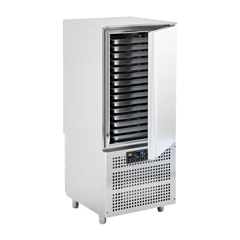
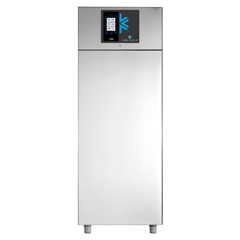
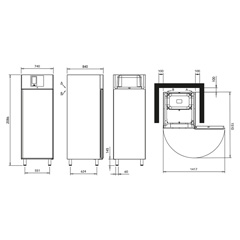
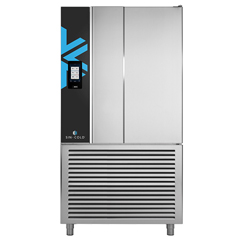
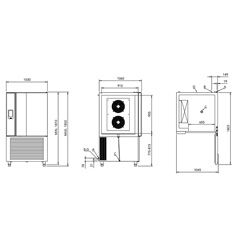
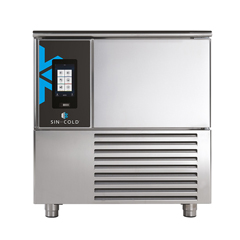
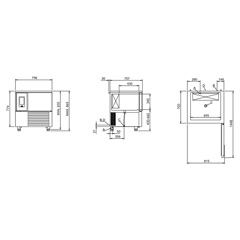
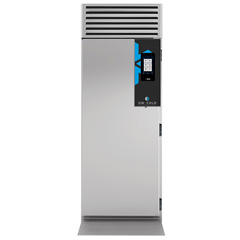
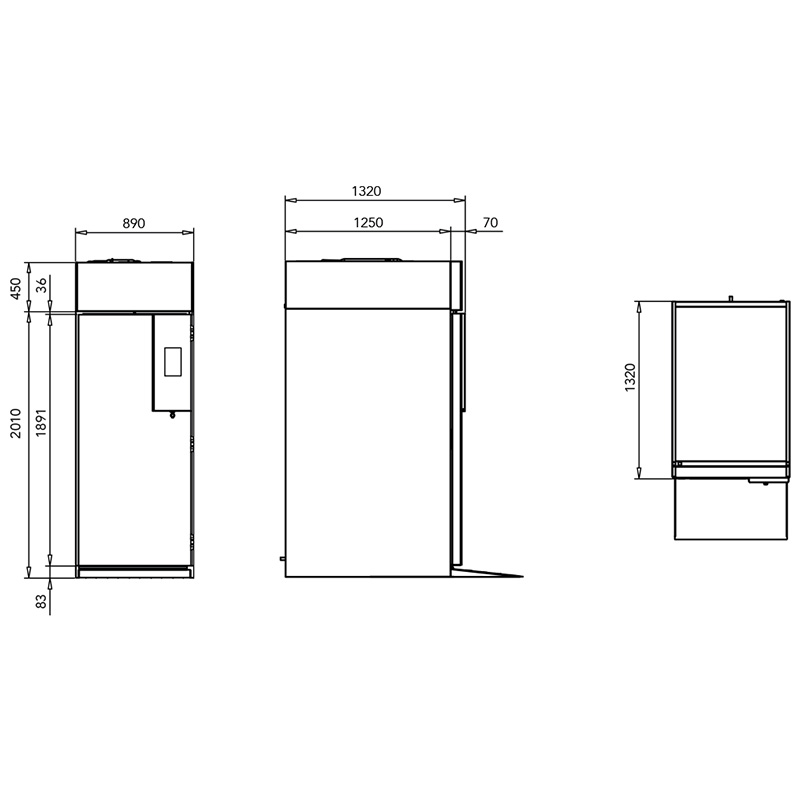
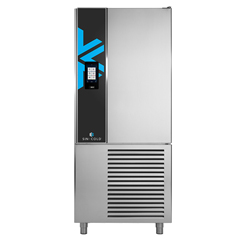
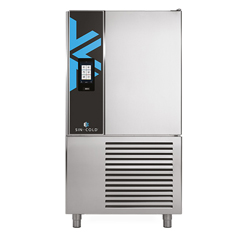
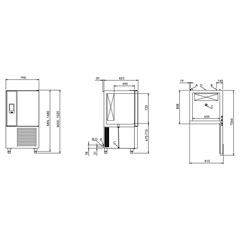
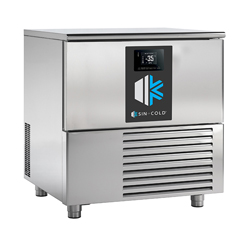
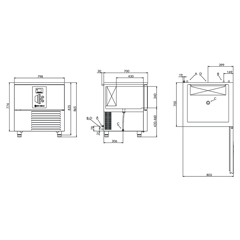
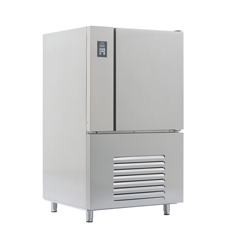
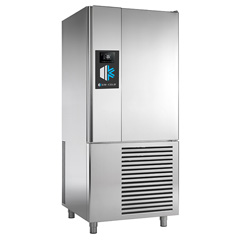
The Protective Shield of Flavor: Blast Chiller
Being able to serve the initial taste, texture, and nutritional value of a cooked meal with the same freshness days, even weeks later, is the biggest advantage of professional kitchens. Blast Chiller technology reduces the temperature of foods from +90°C to +3°C or -18°C in a very short time, preserving this freshness. Unlike standard freezers, the rapid chilling process prevents the water inside the food from turning into large ice masses and ensures 'micro-crystallization'. Thus, the structure of the product is protected; no water loss, weight reduction, or taste deterioration occurs when thawed. The blast freezer system, which both seals the flavor and extends shelf life, provides a great advantage to businesses in menu planning.
Types of Blast Chillers
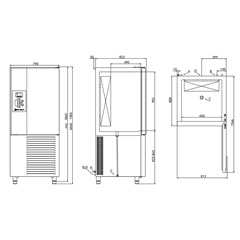
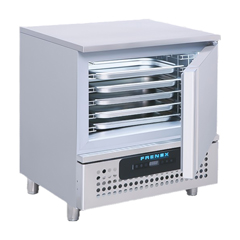
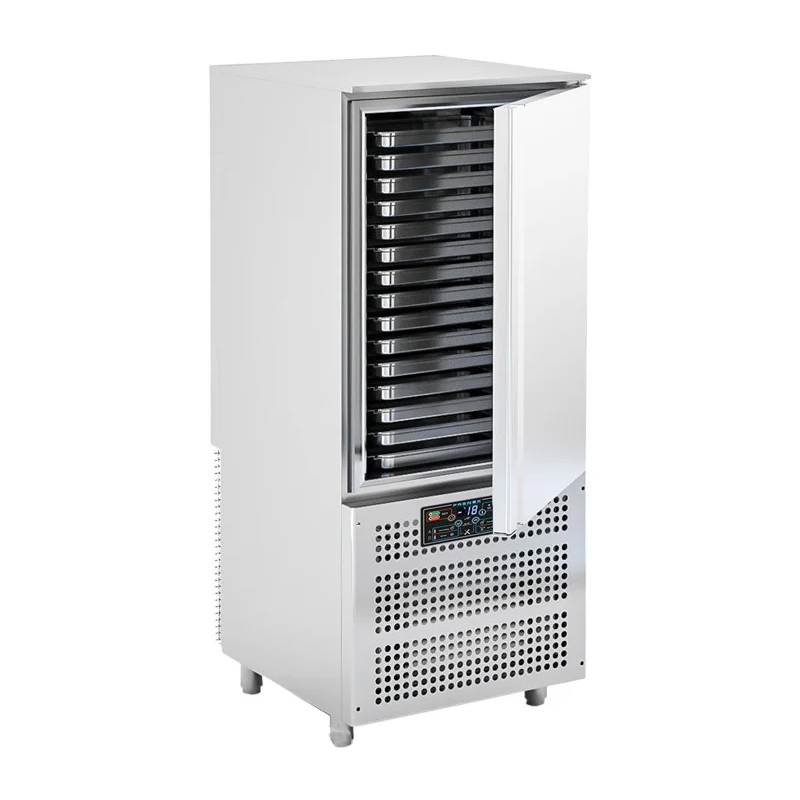
Although there is no specific difference in Blast Chiller types, the biggest difference between products is tray capacity. In order to respond to the daily production volume and service intensity of businesses, these devices are diversified with different models having 5, 10, 12, 14, and 18 tray capacities. While 5 or 10-tray blast chillers usually offer the ideal solution for boutique restaurants and cafes; high-volume models with 12, 14, and 18 trays are preferred in mass production facilities such as hotel kitchens, catering companies, and industrial dining halls. These wide capacity options, which are generally compatible with both Gastronorm and patisserie type 40x60 cm trays, save time and energy in kitchen operations by increasing the amount of products to be chilled at once.
Blast Chiller Prices
Blast Chiller prices vary according to the production capacity and technological equipment of the device. The main factor affecting the price is the number of trays in the blast chiller. While compact models with 3 or 5 trays designed for boutique businesses are offered with more accessible budgets; high-capacity units with 10, 14, or 20 trays needed by hotels and catering companies are priced in proportion to the industrial performance they offer.
Blast Chiller Brands
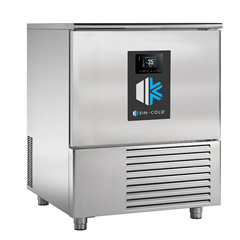
In Blast Chiller technology; leading brands of the sector such as Frenox, Sin Of Cold, and Crystal stand out with the superior cooling solutions they have developed. Combining their years of production experience with high-quality standards and customer satisfaction-oriented after-sales services, these manufacturers meet expectations regarding durability and reliability at the highest level.
Related Blog Posts
What is the Difference Between Blast Chiller and Deep Freezer?
How to Perform Defrosting in Industrial Refrigerators?
Refrigerator Troubleshooting Guide: Problems and Solutions
Frequently Asked Questions About Blast Chillers
Question: What is the difference between a Blast Chiller and a normal deep freezer?
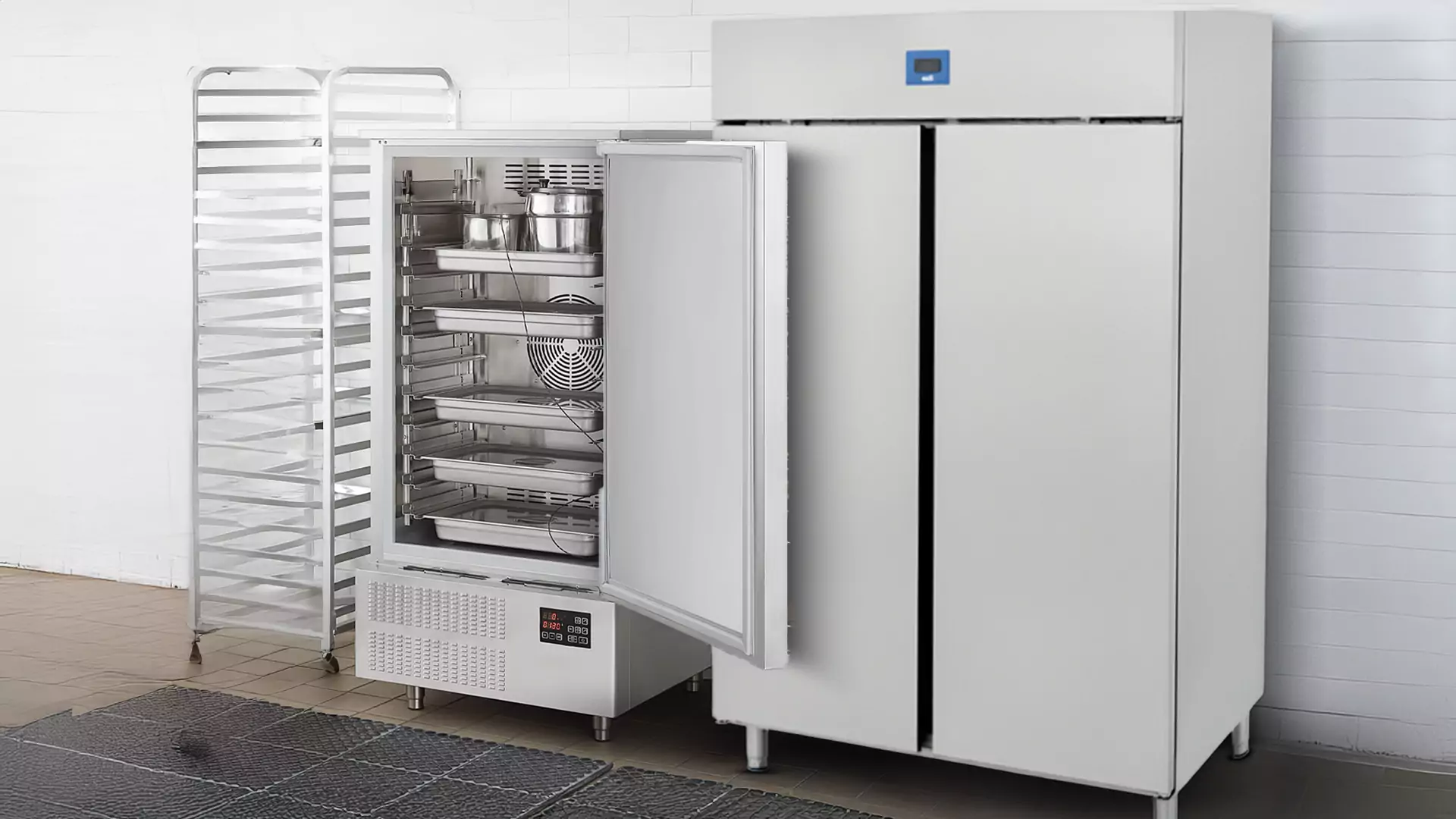
Answer: Basically, standard freezers freeze food slowly; this causes water molecules inside the food to form large ice crystals and tear the cell membrane. When thawed, the food loses water and flavor. Blast Chiller performs very fast freezing. In this way, "micro-crystallization" occurs, the cellular structure of the food is not damaged, and it preserves its first-day freshness when thawed. You can read our related blog post if you want to examine this difference in detail.
Question: Can hot meals be put directly into the blast chiller?
Answer: Yes, this is the most important feature of Blast Chiller devices. Products coming out of the oven or stove at +90°C can be put directly into the device without waiting at room temperature. This process ensures that the "danger zone" between +65°C and +10°C, where bacterial growth is fastest, is passed quickly.
Question: What do "Soft Chilling" and "Hard Chilling" modes mean?
Answer:
- Chilling (Soft Chilling): Used for delicate products such as vegetables, fish, mousse, or thin pastries; prevents surface icing.
- Hard Chilling: Used for meat, stew, lasagna, or large pieces of food; it is an aggressive mode that allows cold to penetrate the center quickly.
Question: Why is the core temperature probe (needle) used?
Answer: The probe located inside the device is inserted into the innermost point of the food. This sensor measures the core temperature of the food instantly. When the product reaches the desired degree, the device automatically stops the shock process and switches to preservation mode. In this way, the process becomes guaranteed and standard.
Question: How long does the shocking process extend the shelf life of foods?
Answer: The blast chilling process triples the shelf life of foods in the refrigerator. The blast freezing process allows products to be stored for months without deteriorating their quality.
Question: Does Blast Chiller only freeze?
Answer: No, it has two basic functions:
- Shock Chilling (from +90°C to +3°C): For products to be stored in the refrigerator for consumption in a short time.
- Shock Freezing (from +90°C to -18°C): For products to be stored for a long time.
Question: Should GN pan or tray be taken as a basis in capacity selection?
Answer: Blast Chiller models' internal shelf systems are usually compatible with both standards. Both GN 1/1 pans used in gastronomy and 40x60 cm trays used in patisserie can be used in the same device. When purchasing, the number of trays (5, 10, 14, etc.) should be selected according to production volume.
Question: How should the device be maintained and cleaned?
Answer: Since the inner cabinet is stainless steel, it should be wiped daily with a damp cloth. Crumbs or paper pieces accumulating in front of the evaporator fan can block air flow, it is important to check this area. Also, periodically clearing dust from the condenser (radiator) part maintains performance.
Question: How long does the shocking process take?
Answer: According to international standards; the cooling process from +90°C to +3°C should take a maximum of 90 minutes, and the freezing process from +90°C to -18°C should take a maximum of 240 minutes (4 hours). The power of the device and the density of the product may affect this duration, but the goal is not to exceed these times.