 Track Order


Industrial Kitchen Equipment

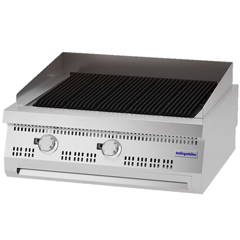
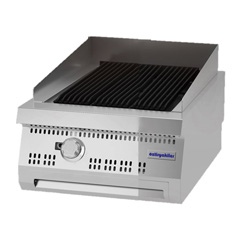
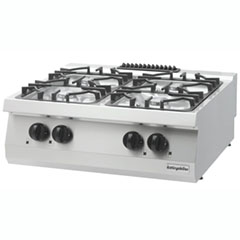
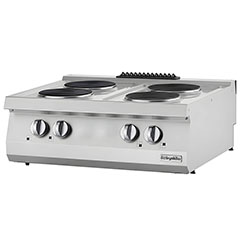
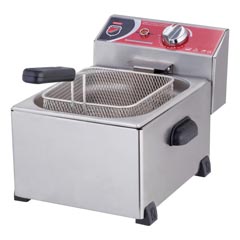
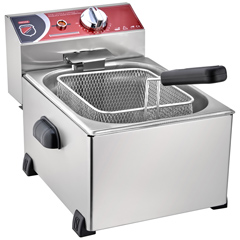
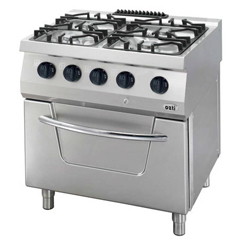
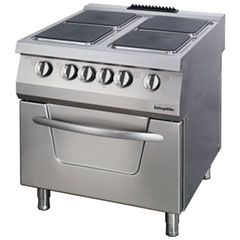
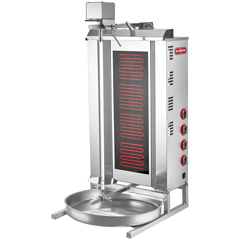
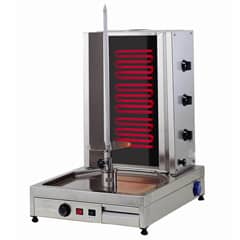
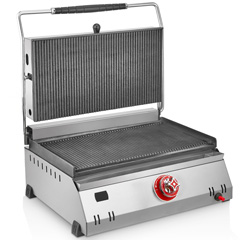
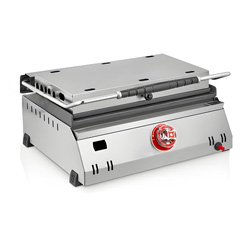
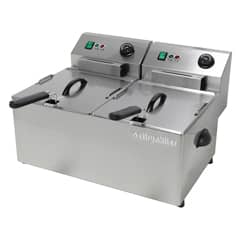
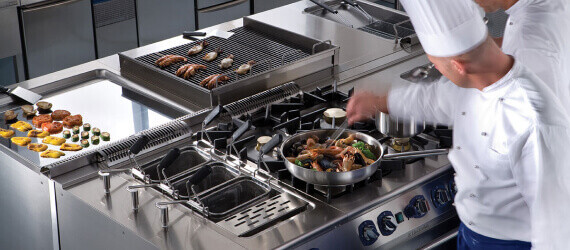
Industrial ovens, induction cooktops, and much more to meet all your cooking needs in commercial kitchens...
Explore


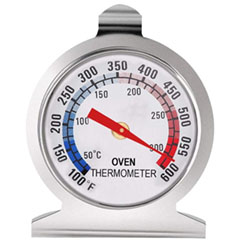

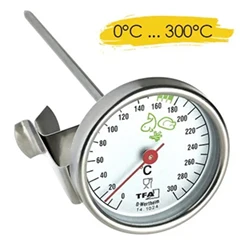


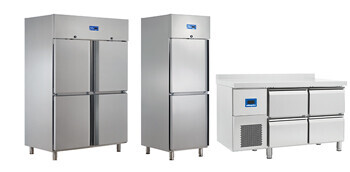
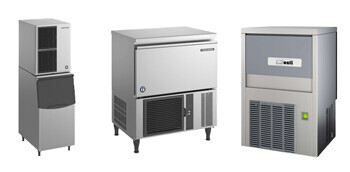
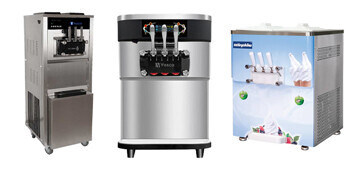
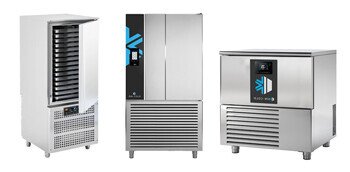
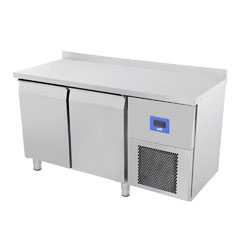
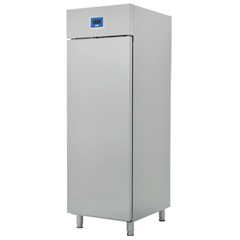
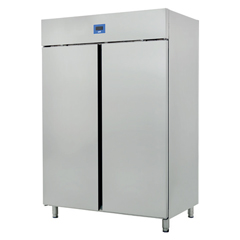
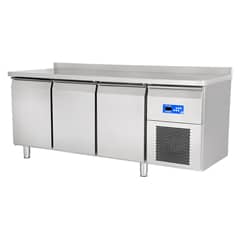
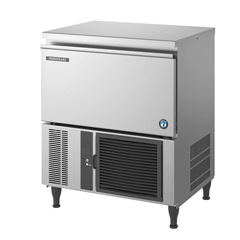
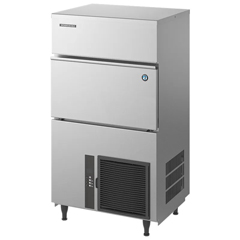
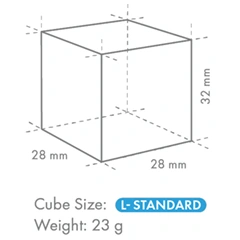
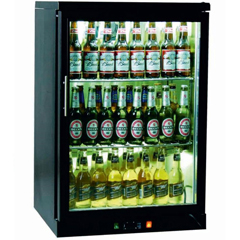
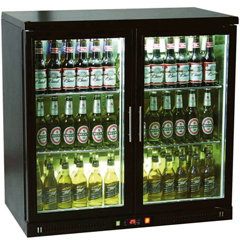
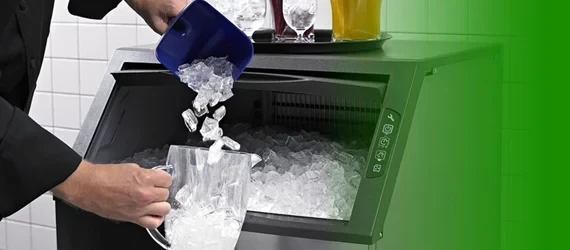
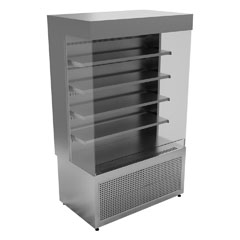
Refrigerators and ice machines to meet all your cooling needs for food and beverages in restaurants, cafes, and bars are here!
Explore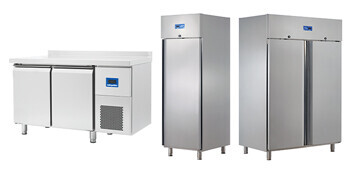

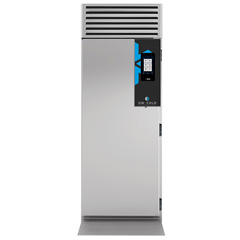
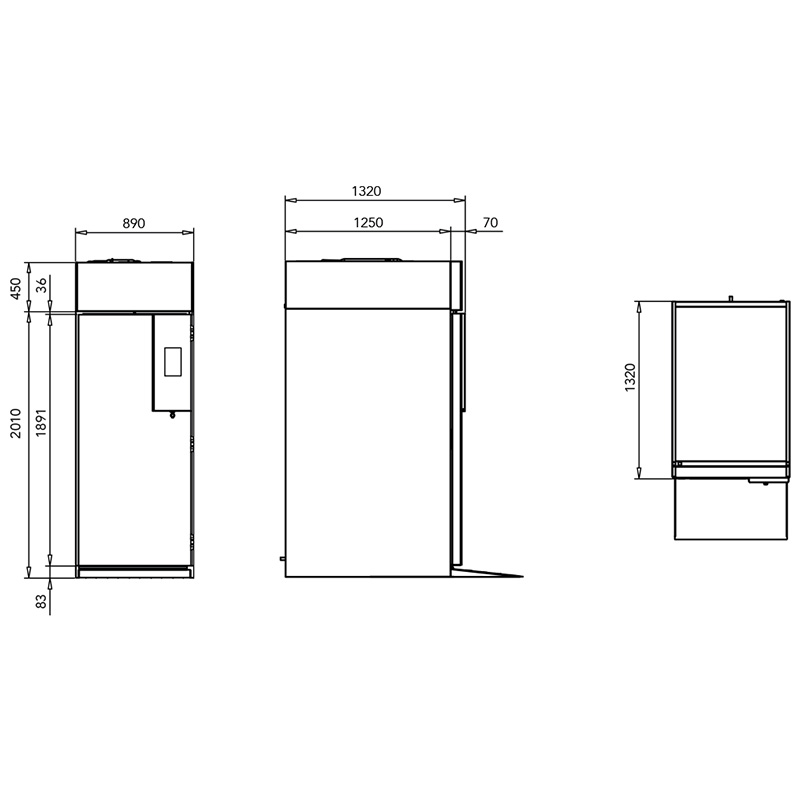



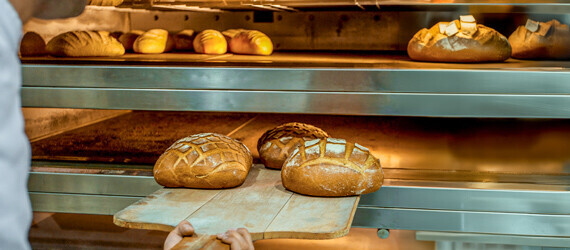
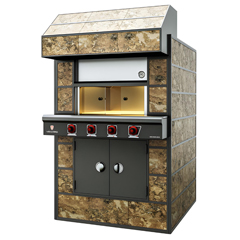
All oven models for different cooking purposes are here! Convection ovens, combi ovens, pastry ovens, and more...
Explore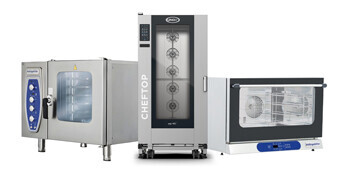



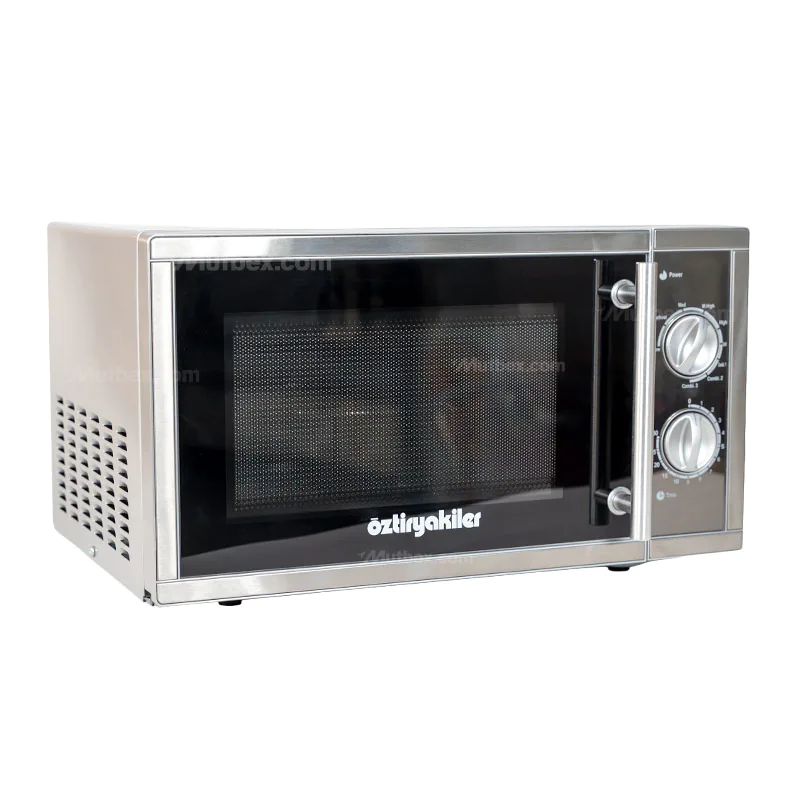

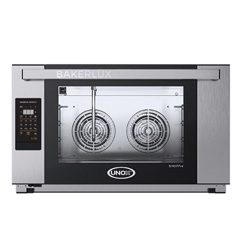
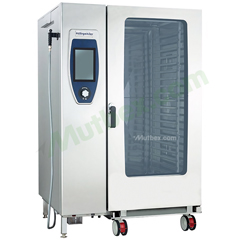
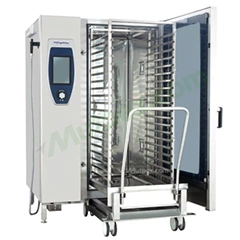
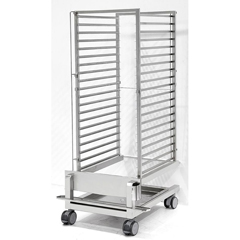
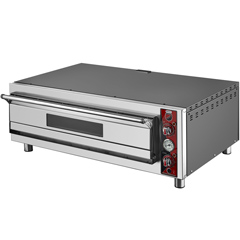
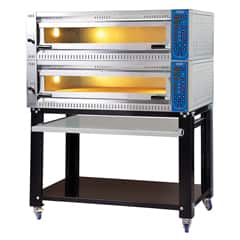
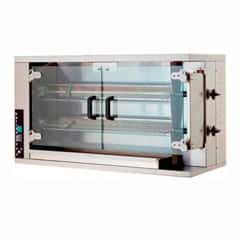

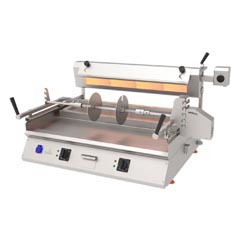
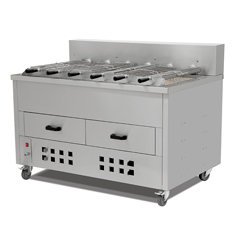
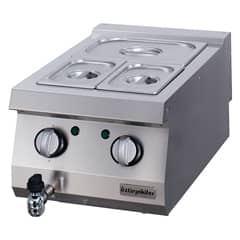
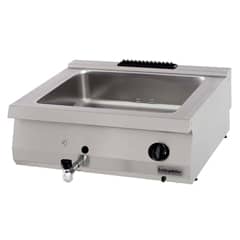
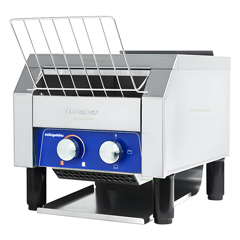
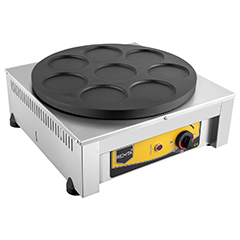
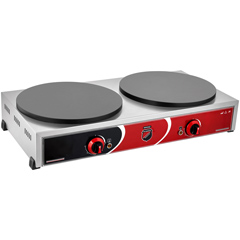
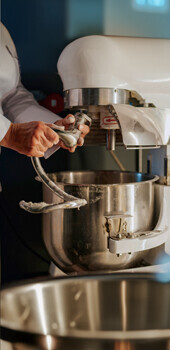
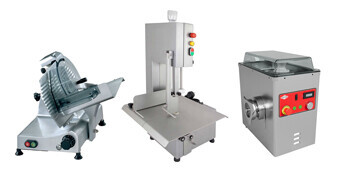
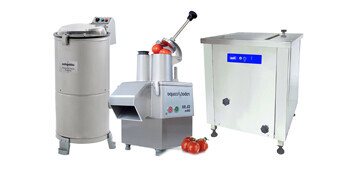
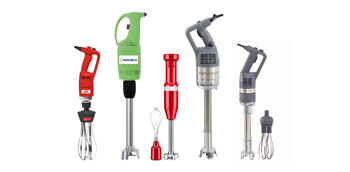
In this category, you can find all the industrial preparation equipment you need to get food ready for cooking or serving. Chopping, shredding, mixing, kneading, and much more...
Explore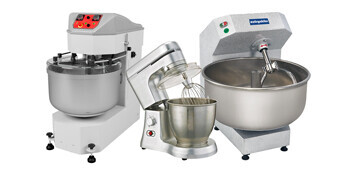

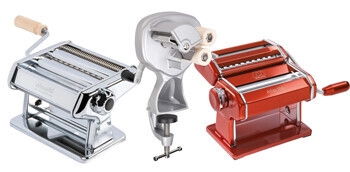
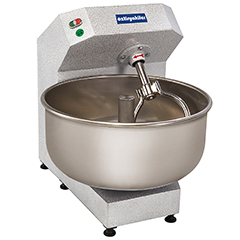
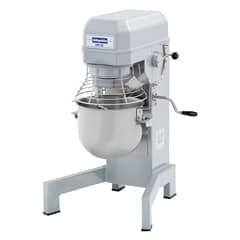
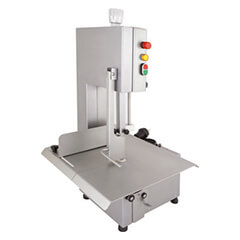
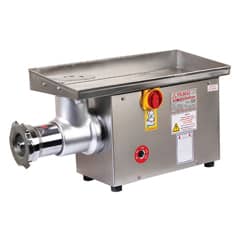
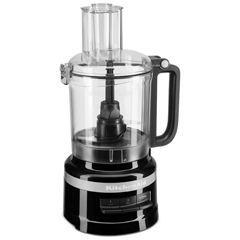
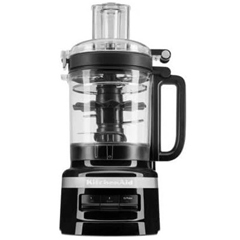
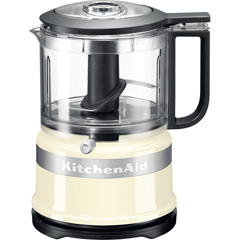
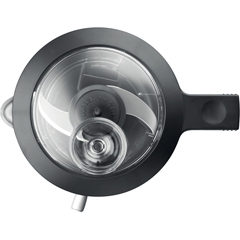
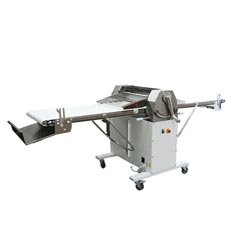
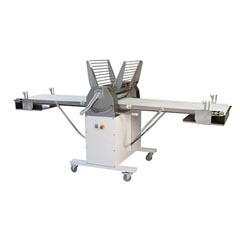
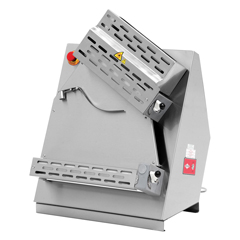
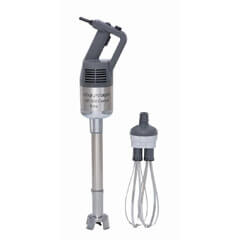
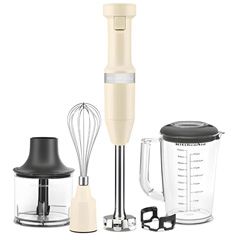
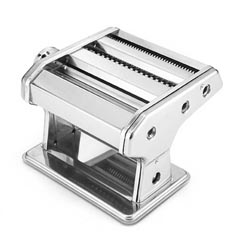
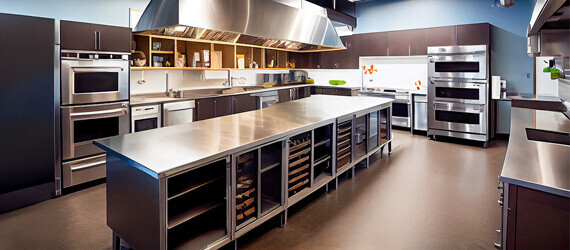
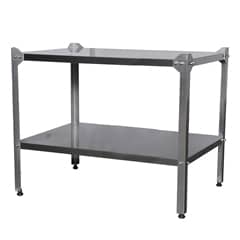
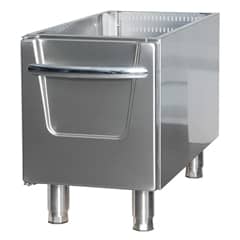
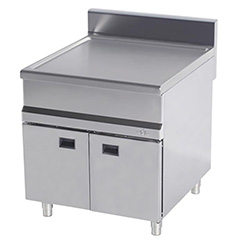
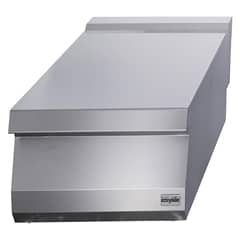
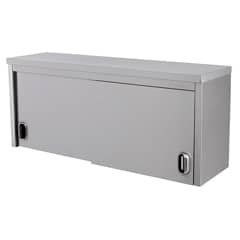
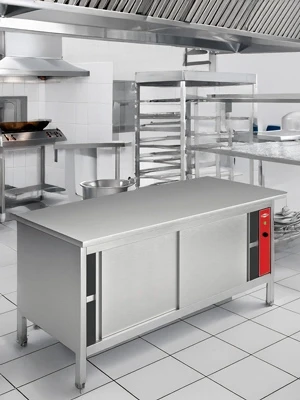
In this category, you can find worktop and unit models that will complete your kitchen with designs that provide ergonomic working conditions.
Explore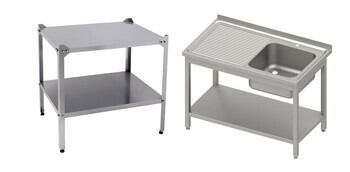



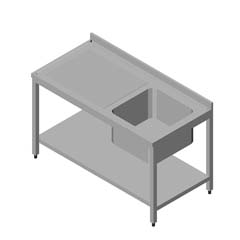
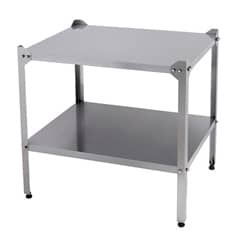
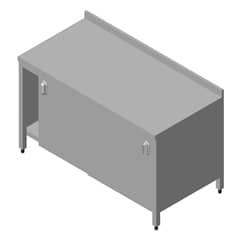


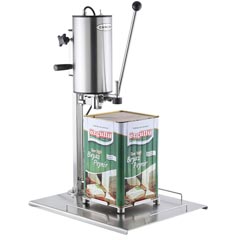
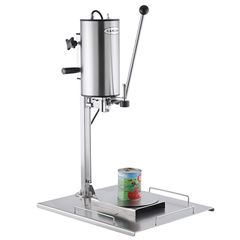
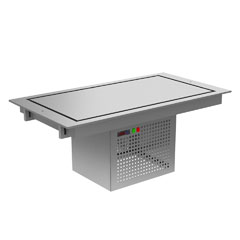
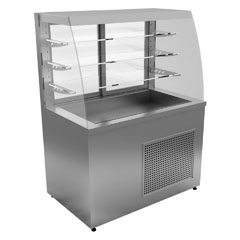

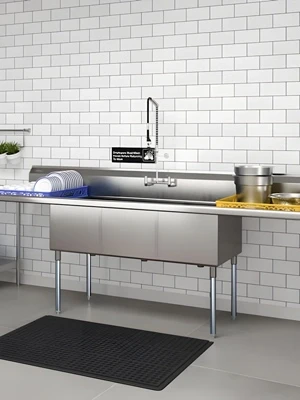
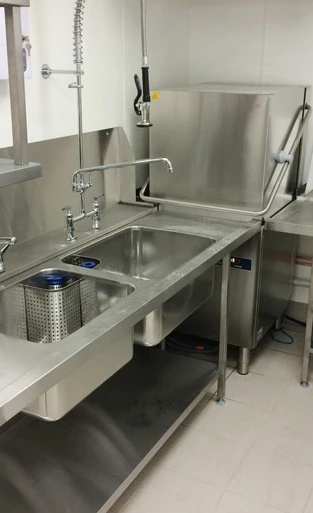
Bulaşı makineleri, bulaşık basketleri, bulaşık deterjanları ve endüstriyel mutfağınızda ihtiyacınız olan tüm bulaşıkhane ekipmanları bu kategoride
Keşfet
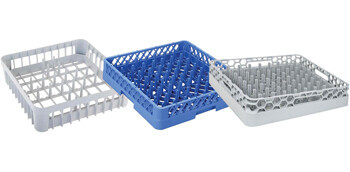

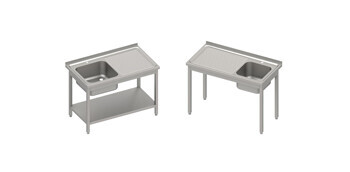
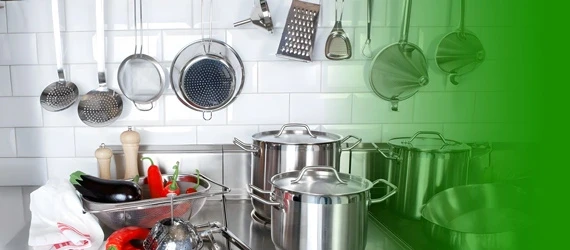
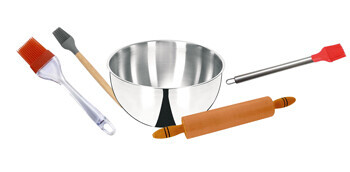
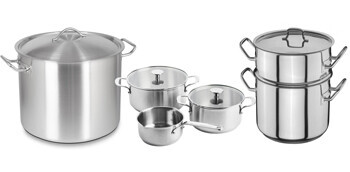
Endüstriyel mutfağınızdfa ihtiyaç duyacağınız el gereçlerinden, pişirme ekipmanlarına birçok kategoride binlerce ürünü bulabilirsiniz
Keşfet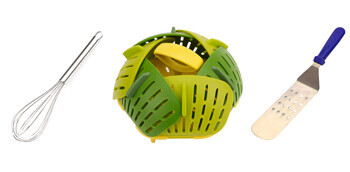


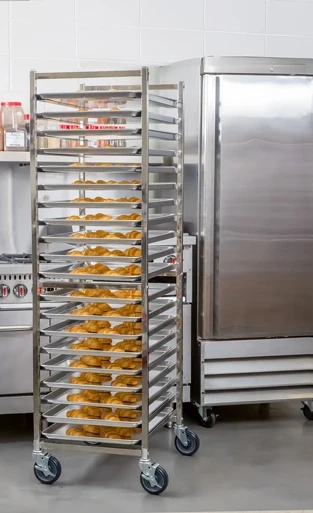
Saklama ve taşıma ekipmanlarında yüzlerce çeşit ürün burada
Keşfet



Endüstriyel mutfaklarınız için ihtiyacınız olan tüm içecek ekipmanları
Keşfet



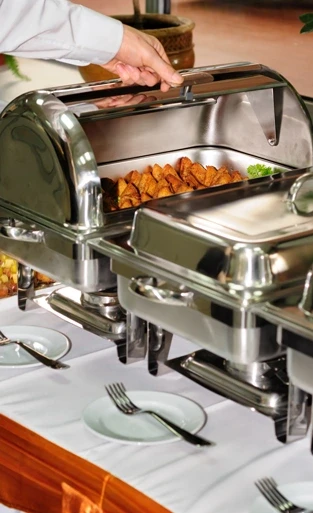
İşletmenizin açık büfesinde ihtiyacnız olan tüm açık büfe ekimanları
Keşfet


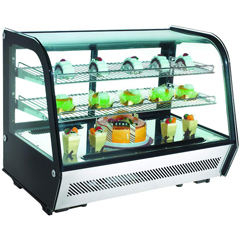
Sıcak, soğuk ve Nötr teşhir dolapları işletmenize uygun ölçü model seçenekleriyle burada
Keşfet


Industrial Kitchen Supplies and Equipment What Are They and What Do They Do?
Industrial kitchen equipment consists of durable, commercial-grade appliances specially designed to meet the high-volume daily food preparation needs of large establishments such as hotels and restaurants. Usually manufactured from stainless steel, these professional systems keep kitchen operations running smoothly during the busiest service periods, when domestic appliances would be completely inadequate. When you integrate the cooking, preparation, or refrigeration units best suited to your venue's guest capacity and menu into your kitchen, you provide your team with a much more comfortable workspace while consistently maintaining the same high standards of flavor and hygiene in every dish served to your customers.
What Are the Advantages of Using Industrial Kitchen Supplies and Equipment?
The greatest advantage of using industrial kitchen equipment is the operational speed and standardized production quality it provides to businesses with high order volumes. Unlike domestic appliances, this professional equipment is made from durable, long-lasting materials such as stainless steel and withstands demanding, all-day service without breaking down, preventing sudden interruptions to your kitchen workflow. When you add these commercial-grade systems—which use energy and water very efficiently in proportion to their capacity—to your facility, you provide your staff with a much more comfortable workspace and keep unexpected long-term repair costs safely under control.
What Types of Industrial Kitchen Supplies and Equipment Are Available?
Industrial kitchen equipment is essentially divided into four main groups according to an establishment's operational flow: preparation, cooking, refrigeration, and dishwashing equipment. The selection of this equipment, which supports the entire back-of-house workflow, is shaped directly by your menu and daily guest volume. Ovens and high-capacity ranges belong to the cooking group at the heart of the kitchen, while commercial refrigerators that extend the shelf life of food are among the most important components of the refrigeration category. Commercial dishwashers, which greatly increase your team's speed, also play a major role in the washing area by maintaining the hygiene cycle. When all this professional stainless-steel equipment is selected in dimensions that precisely match the facility's daily guest volume, it provides the kitchen team with a spacious production area where they can work reliably for many years.
Commercial Cooking Equipment
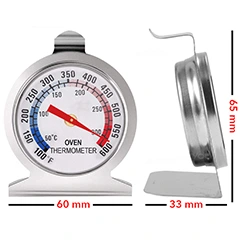
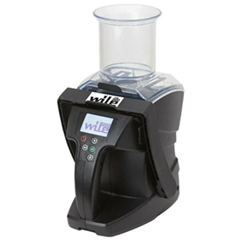
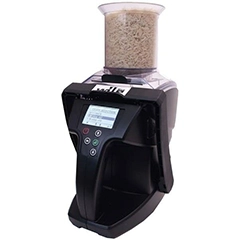
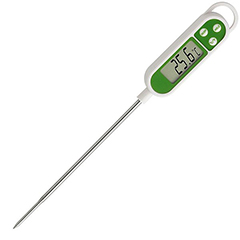
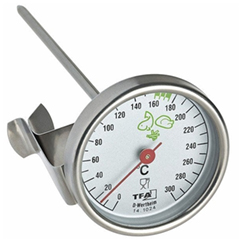
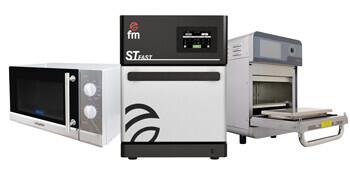
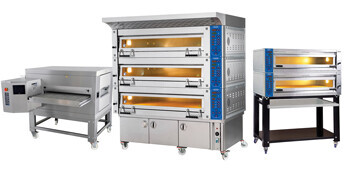
Cooking equipment, which forms the heart of professional kitchens and helps you prepare every dish on your menu on time, consists of ranges, combi ovens, commercial grills, and bain-maries. Depending on your venue's customer volume, you can choose from convection and microwave ovens, fryers, or heavy-duty cooking suites that can comfortably support large pots. The most essential fixtures for facilities with pastry-focused menus are pizza ovens, bakery ovens, and proofing cabinets. At fast-service locations where orders never stop, toasters, sandwich presses, doner kebab machines, and rapid-cook ovens dramatically accelerate operations behind the counter. Finally, measuring instruments should be regarded as an inseparable part of this professional kitchen family so that chefs can consistently reproduce the same flavor in their signature recipes and monitor temperatures instantly.
Commercial Food Preparation Equipment
In professional kitchens, the foundation of a flawless menu is laid by preparation equipment that brings ingredients to the cooking stage as accurately and quickly as possible. Among the equipment that greatly reduces the demanding back-of-house workload, spacious stainless-steel worktables and hygiene-supporting sinks create the kitchen team's primary workspace. Depending on your menu, meat preparation equipment and high-capacity meat grinders can complete demanding tasks in seconds, while vegetable and fruit preparation machines significantly minimize the time staff spend chopping ingredients. In pastry-focused facilities, dough kneaders and dough-processing machines ensure the same smooth consistency in every order, while practical hand blenders give chefs an excellent operational advantage when adding the finishing touches to signature sauces.
Commercial Refrigeration Equipment
The most reliable way to ensure food safety and keep products in their original condition in commercial kitchens is to select the right refrigeration equipment. High-capacity commercial refrigerators meet the main back-of-house storage requirement with ease, while ice machines and bottle coolers dramatically improve the speed of bar staff during busy service periods. When you want to display products in areas visible to customers, display cabinets give them an elegant appearance. From preparation through service, transport carts, dry-goods carts, and banquet carts that retain food temperature make kitchen traffic smoother by moving heavy loads without tiring employees. Gastronorm containers placed inside these cabinets and transport units are an essential detail, allowing different types of food to be stored safely without mixing.
Commercial Dishwashing Equipment
In professional kitchens, dishwashing equipment organizes the entire process from the pre-cleaning of soiled items to preparing them for service again. Depending on the establishment's capacity, commercial dishwashers can be selected from undercounter dishwashers, hood-type dishwashers, conveyor dishwashers, glasswashers, and pot-washing machines. Before washing, dishwashing sinks, scraping tables, and pre-rinse spray units are used, while dishwasher tables, dishroom worktables, and dishwashing baskets support the workflow. Dishwasher detergents, rinse aids, and detergent pumps help maintain cleaning performance. Clean items are moved to the relevant area using dish transport carts, tray transport carts, or banquet carts, while wall shelves and open service shelves provide an organized workspace.
Storage, Transport, and Service Equipment
Products prepared in a restaurant or hotel kitchen are not always used in the same location. Ingredients must be transported from storage to the preparation area, and prepared meals must be moved to the service area. In the carts category, housekeeping carts, dry-goods carts, banquet carts, dish transport carts, and service carts provide solutions for different needs. Gastronorm containers are used for food preparation and storage together with perforated gastronorm containers, corner-patterned gastronorm containers, polycarbonate containers, gastronorm lids, and gastronorm trays. Open service shelves, wall shelves, and stacking shelves organize storage areas, while food transport containers and Thermoboxes help move food under suitable conditions. Tiered plate transport carts, plate dispensers, heated plate cartridges, and pressed trays are used in the service area, while meat hooks support organization in the preparation area. Baby feeding carts, tables, and chairs create a service area suitable for guests with children.
Commercial Coffee Machines and Equipment
The smooth operation of a coffee menu depends not only on the beans used but also on selecting the right equipment. Depending on the establishment's service format, espresso and cappuccino machines, fully automatic coffee machines, Turkish coffee machines, sand coffee machines, filter coffee machines, coffee urns, and coffee dispensers may be preferred. Coffee grinders, precision coffee scales, tampers, milk pitchers, milk and coffee thermometers, barista supplies, cup warmers, milk cooling units, and coffee grounds drawers support the preparation process. French presses, siphon coffee makers, drippers, and Chemex brewers offer different brewing options, while filter papers and coffee filters are used with these methods. Coffees on the menu can be prepared for service using coffee pots and teapots or cold-brew equipment. Coffee-machine cleaning and maintenance products help with daily cleaning and preserve equipment performance.
Commercial Kitchen Utensils
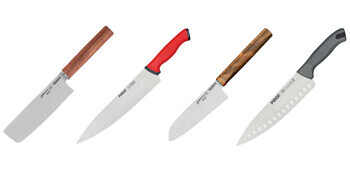
Every stage of preparation, cooking, and service in a professional kitchen requires different products. Cooking supplies include frying pans, pots, gastronorm trays, pressed trays, and oven-baking equipment. Knives—including Japanese knives, chef's knives, and bread knives—are selected according to their intended use, while knife sterilizer cabinets and hand tools complete the workspace. Pastry equipment and decorating tools are used in dessert production, while pizza utensils, pizza pans, and pizza-making tools are used for pizza preparation. Chafing dishes help keep food warm during service. Bar utensils, bartender supplies, and cocktail-preparation tools support beverage service, while measuring containers, measuring cups and spoons, and serving utensils are used for portioning and presentation.
Commercial Buffet Equipment
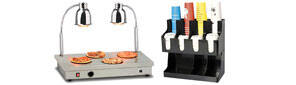
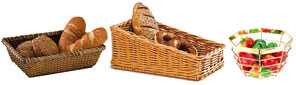
Simply displaying products at a buffet is not enough; temperature, portioning, and the service flow must also be maintained. Buffet presentations can be organized using buffet service lines, buffet service dispensers, buffet beverage dispensers, and juice dispensers. Chafing dishes, square glass-lidded chafing dishes, roll-top chafing dishes, round glass-lidded chafing dishes, bain-maries, and soup kettles are used for hot food, while chafing fuel and gel fuel help retain heat. Heat lamps, heated dispensers with overhead lamps, and hot display cabinets and counters also keep ready-to-serve products at the correct temperature. Banquet trays, baklava trays, gastronorm trays, non-slip trays, service trays, compartment trays, and pastry tongs are used for transport and portioning. Polycarbonate display containers, bread baskets, and cake molds complete the presentation, while hot-water dispensers and vacuum flasks support beverage service.
Commercial Beverage Equipment
A cafe, restaurant, or hotel cannot prepare every beverage with the same equipment. In the coffee section, espresso and cappuccino machines, automatic coffee machines, sand coffee machines, filter coffee machines, coffee dispensers, and coffee urns offer options for different service styles. Coffee grinders and precision coffee scales support measured preparation, while filter papers, coffee pots and teapots, French presses, and Chemex brewers are used for alternative brewing methods. Beverage preparation equipment includes juice coolers, juicers, bar equipment, bar blenders, and bar mixers. Tea urns, kettles, and teapots are used for tea service, while hot-water dispensers and vacuum flasks meet hot-water requirements. Slush machines are preferred for cold beverages, and hot-chocolate dispensers for hot-beverage service.
Commercial Bar Equipment
During busy bar service, reaching ingredients quickly and keeping products at the correct temperature are just as important as preparing the drinks. For cocktails and fruit-based beverages, bar blenders, bar mixers, cocktail-preparation utensils, cocktail stirrers, and juicers are used. Ice machines meet daily demand, while ice crushers prepare the appropriate form of ice for different drinks; ice buckets and scoops support organized service. Bar refrigerators and bottle coolers keep beverages at serving temperature. Tea urns and tea machines also complete the bar section in establishments that serve hot beverages.
Dishroom Cleaning and Hygiene Equipment
The foundation of flawless hygiene in professional dishrooms is using commercial detergents and rinse aids selected precisely for the hardness of the water. Detergent pumps deliver the correct amount of these concentrated chemicals to the wash tank and prevent unnecessary consumption, while pre-rinse units and practical spray guns remove coarse food residue before washing and significantly improve the machine's cleaning performance. Organizing dirty and clean items separately on dishroom worktables with the help of dishwashing baskets greatly reduces the staff's workload during hectic periods. At the final stage, choosing cutlery-polishing machines and glass-drying machines to carry spotless items to the table is an important step that directly affects presentation quality.
Guide to Selecting Industrial Kitchen Supplies and Equipment by Business Type
Your establishment's concept and daily production volume should be your primary guide when deciding on kitchen equipment. Cafes and bars with fast-consumption menus mainly need microwave ovens, sandwich presses, espresso machines, and cocktail stations. In large restaurant kitchens that prepare different dishes simultaneously, ranges, cooking suites, fryers, and upright refrigerators carry the operational load. In high-volume facilities such as hotels, hospitals, and catering operations, combi ovens, boiling pans, cold rooms, and conveyor dishwashers are indispensable parts of the system. Pastry shops and bakeries that offer specialized products produce with stone-deck ovens, dough kneaders, and pastry display cabinets, while butcher shops use meat grinders, bone saws, and meat display cabinets to create professional workspaces perfectly suited to their field. Correctly analyzing the commercial-grade equipment best suited to your business model in advance protects you from additional costs over the long term.
| Category | Cafe / Bar | Restaurant | Hotel / Hospital / Catering | Pastry Shop / Bakery | Butcher Shop |
|---|---|---|---|---|---|
| Commercial Cooking Equipment | Microwave ovens, sandwich presses, toasters, crepe makers | Ranges, cooking suites, fryers, grills, convection ovens | Combi ovens, boiling pans, tilting pans, cooking suites, bain-maries | Stone-deck ovens, convection ovens, pastry ovens, pizza ovens | Meat-roasting ovens, grills, roasting machines, smoking ovens |
| Commercial Food Preparation Equipment | Blenders, mixers, juicers, citrus presses | Vegetable cutters, potato peelers, mixers, meat grinders | High-capacity vegetable cutters, bowl cutters, mixers, slicing machines | Dough kneaders, dough sheeters, planetary mixers, dough dividers | Meat grinders, bone saws, meat slicers, meatball-forming machines |
| Commercial Refrigeration Equipment | Bottle coolers, undercounter refrigerators, ice machines, beverage coolers | Upright refrigerators, freezers, ice machines, refrigerated preparation counters, blast chillers | Cold rooms, frozen-storage rooms, high-capacity refrigerators, ice machines, blast chillers | Pastry display cabinets, dough-retarding cabinets, cold rooms, blast freezers, ice machines | Meat display cabinets, meat-aging cabinets, cold rooms, freezers |
| Commercial Dishwashing Equipment | Glasswashers, undercounter dishwashers, bar sinks | Undercounter and hood-type dishwashers, pre-rinse sinks | Conveyor dishwashers, pot-washing machines, hood-type machines | Undercounter dishwashers, tray-washing machines, and pot-washing machines | Crate- and equipment-washing machines, commercial sinks |
| Storage, Transport, and Service Equipment | Bar shelves, service carts, tray carts, glass organizers | Service carts, heated holding carts, plate transport carts, shelving systems | Banquet carts, Thermoboxes, tray transport carts, meal-distribution carts | Flour carts, tray carts, bread crates, stacking shelves | Meat transport carts, meat hooks, stainless-steel shelves, food transport crates |
| Commercial Coffee Machines and Equipment | Espresso machines, coffee grinders, filter coffee machines, tampers, and knock boxes | Espresso machines, filter coffee machines, coffee grinders | Fully automatic coffee machines, filter coffee machines, hot-beverage vending machines | Espresso machines, filter coffee machines, coffee grinders | Generally not used |
| Commercial Kitchen Utensils | Bar spoons, shakers, measuring cups, serving trays | Pots and pans, knives, cutting boards, gastronorm containers | Large-capacity pots, ladles, professional knives, gastronorm containers | Baking trays, pastry molds, spatulas, dough scrapers | Meat knives, cleavers, honing steels, chopping blocks, steel-mesh gloves |
| Commercial Buffet Equipment | Refrigerated display units, compact bain-maries, presentation stands | Salad bars, bain-maries, soup stations, hot display units | Buffet lines, hot and cold buffet units, plate and tray dispensers | Pastry display stands, bread display units, refrigerated showcases | Delicatessen and meat display units |
| Commercial Beverage Equipment | Lemonade machines, ayran machines, beverage dispensers | Ayran machines, water dispensers, beverage dispensers | Tea urns, high-capacity beverage dispensers, water dispensers, juice machines | Tea machines, hot-chocolate machines, lemonade machines, juicers | Generally not used |
| Commercial Bar Equipment | Cocktail stations, ice crushers, bar blenders, glass racks | Service bars, bar sinks, bottle coolers | Mobile bar units, banquet bars, beverage preparation stations | Beverage preparation counters, bar blenders | Generally not used |
| Commercial Dishroom Cleaning and Hygiene Equipment | Detergents, rinse aids, automatic dosing pumps, hand-hygiene units | Pre-rinse spray units, automatic dosing pumps, hygiene stations, waste bins | Water-treatment systems, automatic dosing systems, sterilization units, hygiene stations | Tray-washing equipment, dosing pumps, hand-hygiene units | Knife sterilizers, hand-disinfection units, foaming systems, hygiene barriers |
Selecting Industrial Kitchen Supplies and Equipment for Cafes and Bars
When opening a cafe or bar, the first thing to examine is the menu, because equipment that will not be used only takes up counter space. If coffee service is the main focus, priority should be given to the espresso machine and grinder; if cold beverages lead the menu, the ice machine and beverage coolers should come first. A small cooking area is sufficient for most businesses serving products such as toasties or sandwiches. Keeping the glasswasher close to the bar area also speeds up operations, especially during busy periods.
Selecting Industrial Kitchen Supplies and Equipment for Restaurants
When setting up a restaurant kitchen, first consider the menu and then the number of orders expected during the busiest hours of the day. The capacity of cooking equipment such as ranges, cooking suites, fryers, grills, and ovens must meet the number of orders that will be prepared simultaneously. Equipment used in the refrigeration, preparation, and dishwashing areas must also match the kitchen's production speed. Positioning equipment in the order of preparation, cooking, and washing prevents employees from making unnecessary trips around the kitchen.
Selecting Industrial Kitchen Supplies and Equipment for Hotels, Hospitals, and Catering Businesses
In hotel, hospital, and catering kitchens, capacity calculations should be based on the busiest service period. If breakfast, lunch service, or shift meals must be prepared simultaneously, the capacities of boiling pans, ovens, and tilting pans should be determined accordingly. How cooked food will be kept until service time and which equipment will carry it to the distribution area are also part of the plan. In the dishwashing area, the volume created by trays, pots, and large containers, as well as plates, must be considered. Sufficient working space should be left around equipment for cleaning, maintenance, and intervention in the event of a malfunction.
Selecting Industrial Kitchen Supplies and Equipment for Pastry Shops and Bakeries
When selecting equipment for a pastry shop or bakery, first determine which products will be made and in what quantities. A dough kneader, planetary mixer, dough sheeter, proofing cabinet, and suitable oven type form the foundation of production. Businesses selling cakes and desserts also need refrigerated display cabinets and refrigeration systems that preserve the structure of their products. Planning space for trays, molds, and transport carts from the outset prevents unnecessary congestion during production.
Selecting Industrial Kitchen Supplies and Equipment for Butcher Shops
Equipment used in butcher shops must have suitable features for preparing and storing meat and presenting it hygienically to customers. Meat grinders, bone saws, meat slicers, chopping blocks, and professional knives should be selected according to the establishment's product range. It is not advisable to choose a display cabinet before determining how much product will be kept on the counter during the day. Stock requirements for several days should also be considered when selecting a cold room or freezer. Easy-to-clean counters and positioning the knife sterilizer and hand-disinfection unit close to the work area make cleaning quicker and daily work easier.
What Should You Consider When Choosing Industrial Kitchen Supplies and Equipment?
When selecting industrial kitchen equipment, product capacity alone is not enough; the establishment's daily operating routine must also be considered. Cafes, restaurants, hotels, pastry shops, and butcher shops do not have the same preparation, cooking, refrigeration, and washing requirements. Evaluating the menu, customer volume, kitchen size, and existing utilities together helps prevent the purchase of unnecessary equipment. Equipment suited to the establishment makes employees' work easier and reduces the time and energy spent in the kitchen.
How Should Industrial Kitchen Dimensions and Layout Be Determined?
Layout planning begins with the kitchen's total dimensions. The difficult part is allocating this space according to the work being performed. Washing, storage, and service areas must be considered from the outset, just like the space reserved for preparation and cooking. When arranging equipment, enough clearance must be left for staff to move comfortably. Worktables should also be at a height that does not strain employees working for long periods. Once the location of each appliance is known, the hood, ventilation, electricity, water, gas, and drainage connections can be planned accordingly. The workflow should also be viewed from an employee's perspective. Where will raw materials enter, and which routes will service items and dirty dishes take when leaving? These routes should remain separate wherever possible. When taking measurements, it is not enough to consider only the equipment's footprint. The space required for doors to open, the clearance needed during maintenance, and the route by which the equipment will be brought into the kitchen must also be included in the plan.
Industrial Kitchen Supplies and Equipment Prices
The price of industrial kitchen equipment is determined by capacity, materials, technical specifications, and brand. Countertop appliances intended for small businesses do not fall within the same price range as high-capacity machines used in hotel, hospital, or catering kitchens. In addition to the purchase price, energy consumption, installation, maintenance, and spare-part costs must also be considered. Selecting a capacity suited to the establishment's needs prevents unnecessary investment expenditure.
Industrial Kitchen Supplies and Equipment Brands
Before choosing a brand, you first need to know which appliances the kitchen requires. Once the list is clear, the options narrow. Öztiryakiler, Atalay, Empero, Ateşe, Elektrola, and Silverinox offer products across several equipment groups. Unox is considered for professional ovens, while KitchenAid and Kenwood are evaluated for preparation equipment. Bartscher, By Kitchen, Epinox, Groovy, and Şengün may also be among the options depending on the establishment's capacity and area of use. Do not rush into a decision simply because a name is familiar. Can the appliance handle the daily workload? Is service available in your area, and are spare parts easy to obtain? These points should also be checked before selecting a model.
Öztiryakiler Industrial Kitchen Products
In a kitchen project, the requirement may sometimes be limited to a single appliance, while at other times the entire line from preparation to service must be established. Öztiryakiler offers different types of equipment for cooking, refrigeration, preparation, dishwashing, and service areas. Products such as ranges, ovens, worktables, cabinets, and dishwashers can be selected according to the establishment's workflow and capacity. When deciding, the product's location in the kitchen and frequency of use should be considered alongside its technical specifications.
Our Videos
Frequently Asked Questions (FAQ)
What is the difference between industrial kitchen equipment and domestic kitchen appliances?
The main difference is not the size of the appliance but the workload it can handle. A domestic oven is switched off after preparing a few portions. In a restaurant, however, the same appliance is expected to operate continuously throughout lunch and dinner service. The internal components of professional models are designed for these working hours. If a domestic oven is used at the same pace, its cooking performance may decline and its maintenance intervals may become shorter.
Which industrial kitchen equipment should be preferred for different types of businesses?
The type of business alone does not determine which equipment should be purchased. In a beverage-focused cafe, the coffee machine, grinder, blender, and ice machine work the hardest. In a restaurant kitchen, the range and oven are important, but service will still be disrupted if the preparation, refrigeration, and washing areas are inadequate. For a hotel or cafeteria, the key figure is the number of portions that must be prepared during the busiest meal period. If the list is prepared without considering this workload, some equipment may be inadequate while other items may be purchased unnecessarily.
Which industrial kitchen supplies are required when opening a restaurant?
A restaurant's basic requirements are cooking, preparation, refrigeration, and washing equipment. The choice of range, oven, grill, or fryer depends on the dishes on the menu. Refrigerators preserve products, while preparation machines are used for tasks before service. The dishwasher must also have enough capacity to handle the number of plates generated during peak periods.
Which kitchen equipment should be prioritized when opening a cafe?
Investment should first focus on the section of the menu expected to generate the most sales. If coffee service is the main source of revenue, the grinder's operating speed is just as important as the espresso machine. Blenders and ice machines for cold beverages should be selected according to the number of orders expected during peak periods. If toasties or baked products will not be offered, the related equipment does not have to be purchased at opening. Kitchen equipment can be added as needed as the menu expands.
How should equipment capacity be determined for hotels and cafeterias?
Capacity calculations should focus on the busiest service period rather than the daily total. In a facility serving meals to 600 people during the day, 300 guests may arrive for breakfast within the same half hour. The kitchen's actual workload emerges during this short period. The oven, heated holding unit, and dishwasher must be able to handle this volume together. If one appliance is inadequate, service will slow down even if the other areas have no capacity problems.
How is equipment capacity calculated according to the daily number of customers?
Equipment capacity is calculated according to the amount of product that must be prepared or washed during the busiest hour. This requires considering both the number of items the appliance can handle in one cycle and the time needed to complete that cycle. Serving 200 customers a day does not mean that 20 orders will be placed every hour. Half of the orders may arrive within a short period during lunch service. The main load the selected appliance must handle occurs during these peak periods.
Should electric or gas-powered equipment be preferred in commercial kitchens?
The choice between electric and gas-powered appliances should begin with an inspection of the utilities already available in the kitchen. If the establishment has a suitable gas line and the range operates for long periods, a gas-powered appliance may be preferred. The same choice may not apply to the oven. Electric models are easier to use for tasks where the cooking temperature changes frequently. Before making the final decision, the electrical panel's available capacity and the gas and ventilation lines should be checked on site. If this step is skipped, new utility work may be required after the appliance is purchased.
How should equipment dimensions be determined for the available kitchen space?
When measuring for equipment, the appliance's width and height alone are not enough. You must check which door the product will enter through, whether its door or lid can open fully, and whether staff can pass comfortably in front of it. Even if a large oven fits in its intended location, installation is impossible if it cannot pass through the doorway. Water, drainage, electricity, and gas points should be included in the plan according to the appliance's final position. Enough clearance should also be left for technical service access during maintenance.
Why is stainless steel preferred for industrial kitchen equipment?
The reason is not merely its shiny appearance. In a professional kitchen, the same worktable gets wet throughout the day, comes into contact with hot containers, and is cleaned several times. The surface must withstand this pace without deteriorating, and any grease left on it must be easy to wipe away. Stainless steel meets these requirements. When choosing a product, the grade and thickness of the steel and the workmanship at the joints should also be inspected.
How should energy-efficient industrial kitchen equipment be selected?
When deciding between two models, first compare how long they take to complete the same task. An appliance may have a low power rating, but if it operates for longer throughout service, it will not provide the expected saving on the utility bill. For products such as ovens and heated holding units, also check whether heat is lost through the body. If your daily requirement is 50 portions, choosing a model designed for 150 portions will usually not save energy. Base your decision on the appliance's actual operating time and a capacity suited to your needs.
Which utility connections are required to install industrial kitchen equipment?
Not every appliance is installed using the same connections. For example, an oven that operates on three-phase power cannot be connected to a standard outlet. A dishwasher requires a water inlet and drain. A gas range requires a suitable gas line and a ready hood connection. After ordering the product, share its technical information with your electrician and plumber. If missing connections are completed before the appliance arrives, installation can proceed without additional renovation work.
Which features determine the prices of industrial kitchen equipment?
When comparing prices, it is not enough for the product names to be the same. A machine that washes 40 racks per hour will naturally be priced differently from a model that washes 60 racks. Part of the price difference comes from the components supplied with the appliance. For example, a detergent pump is standard on some models but fitted later on others. When requesting a quotation, ask whether the pump is included in the price. Without knowing the electricity consumption and service charges, you cannot compare two products under the same conditions.
Why are warranty, technical service, and spare-parts support important when purchasing equipment?
When a breakdown occurs, the first problem is usually not the repair bill but the disruption to service. If the only oven operating during lunch service stops working, part of the menu cannot be prepared. This is why finding a warranty certificate in the box is not enough on its own. Ask the seller how many days it takes, on average, for the service team to reach your location. The stock status of frequently replaced parts should also be discussed during the same conversation. Before placing an order, read which parts are excluded from the warranty. A long warranty period will not protect the business if a required part takes weeks to arrive.