 Track Order



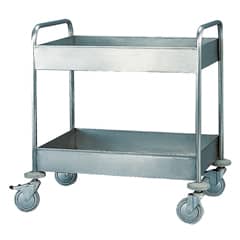
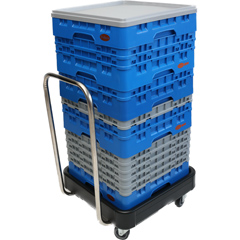
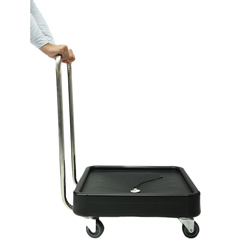
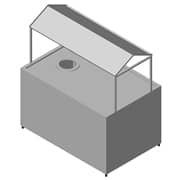
Dish transport trolleys make it easy to move your dishes quickly and efficiently.
Account
Cart
Dishwashing Equipment

Free Same-Day Shipping
Code
1M.073M.00000.AD
%3
45,024
TL
43,680
TL

Free Same-Day Shipping
Code
1M.075T.00010.AD
%16
59,136
TL
49,728
TL
5.0 (2)
Same-Day Shipping
Discounted Product
Code
1SP.8740.0TB50.00
%0
766
TL
766
TL
5.0 (6)
Same-Day Shipping
Code
1H.8899.P1002.20
%0
2,679
TL
2,679
TL
5.0 (4)
Same-Day Shipping
Code
1H.8899.P1003.20
%0
3,003
TL
3,003
TL
Free Shipping
Code
1M.7959.87579.50
%0
24,720
TL
24,720
TL
Free Shipping
Code
322.BTA.02
%0
9,834
TL
9,834
TL
Free Shipping
Discounted Product
Code
118.T.02
%0
9,677
TL
9,677
TL
Free Shipping
Code
4104011109
%0
4,891
TL
4,891
TL

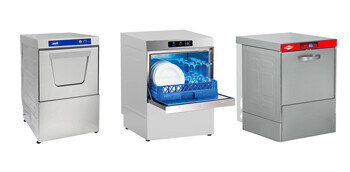
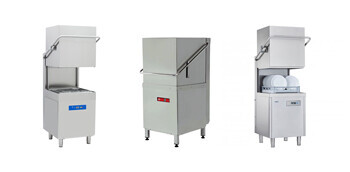
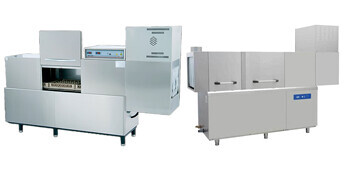
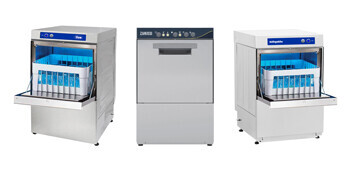
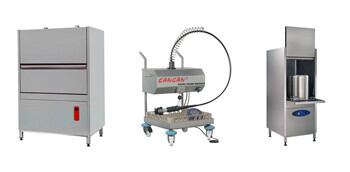
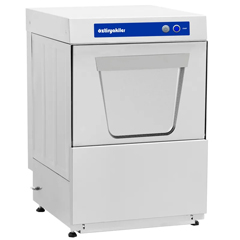
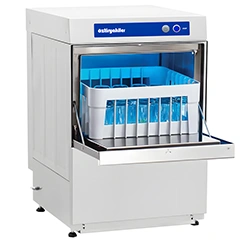
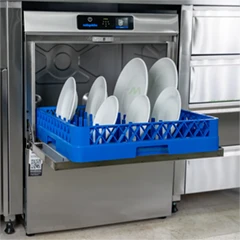
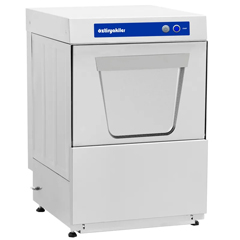
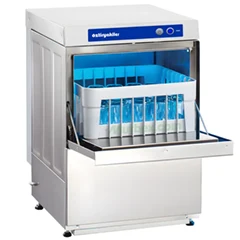
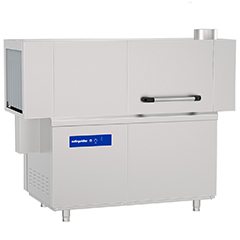
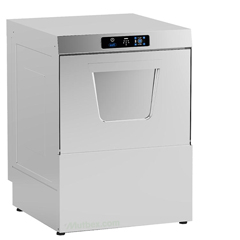
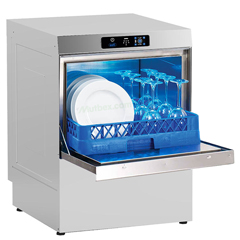
This category includes undercounter, hood-type, and conveyor dishwashers, along with glass washing machines and pot washing machines
Explore
Free Same-Day Shipping
Code
1M.075T.00010.AD
%16
59,136
TL
49,728
TL
Free Same-Day Shipping
9 Installments
Code
1M.071T.00000.BB
%5
82,790
TL
78,960
TL
Free Same-Day Shipping
9 Installments
Code
1M.071T.11110.BB
%17
120,960
TL
100,800
TL
Free Same-Day Shipping
Code
1M.073M.11010.AD
%3
52,416
TL
51,072
TL
Free Same-Day Shipping
Code
1M.073M.00000.AD
%3
45,024
TL
43,680
TL
Free Shipping
9 Installments
Code
1M.076R.00100.BD
%0
336,787
TL
336,787
TL
Free Shipping
9 Installments
Code
1M.075T.11110.AD
%14
76,272
TL
65,520
TL

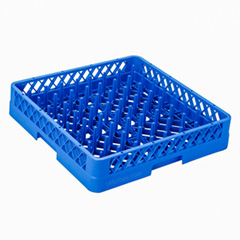
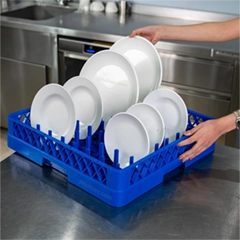
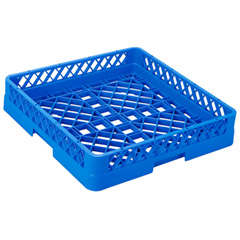
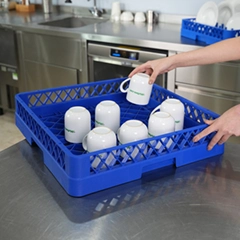
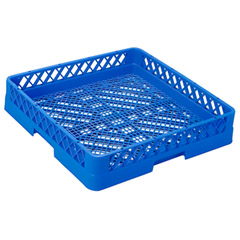
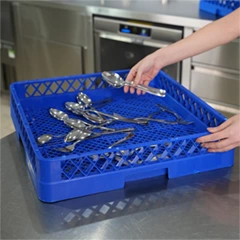
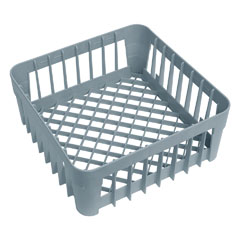
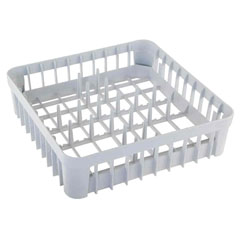
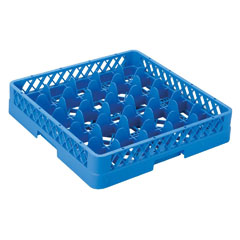
Dishwashing baskets keep your dishes organized and secure during the wash cycle, making the cleaning process easier and more efficient. In this category, you can find plate, glass, cutlery, and tray baskets, as well as basket extenders.
Explore
5.0 (2)
Same-Day Shipping
Discounted Product
Code
1SP.8740.0TB50.00
%0
766
TL
766
TL
Aynı Gün Kargo
Discounted Product
Code
1SP.8740.DBB50.00
%35
1,185
TL
767
TL
Same-Day Shipping
Discounted Product
Code
1SP.8740.CKB50.00
%35
1,185
TL
767
TL
Same-Day Shipping
Code
1SP.8740.BMS35.00
%0
362
TL
362
TL
Same-Day Shipping
Discounted Product
Code
1SP.8740.0BB36.00
%35
1,274
TL
825
TL
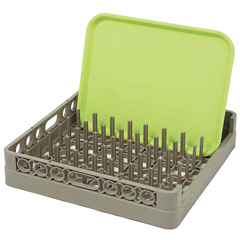
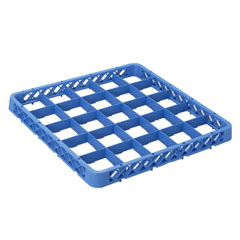

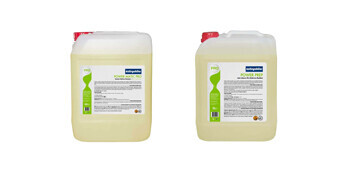
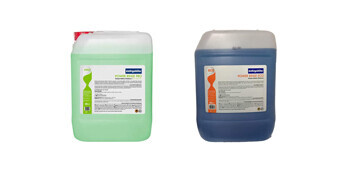
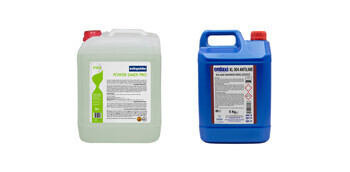
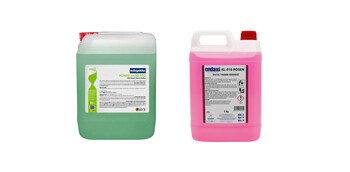
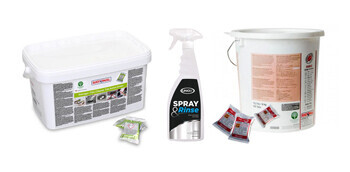
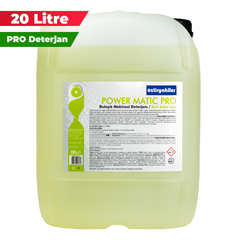
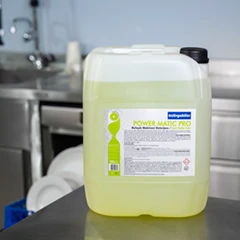
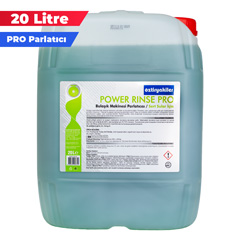
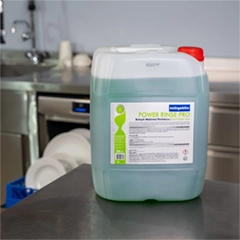
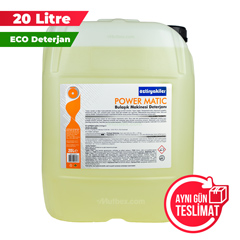
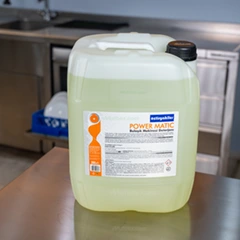
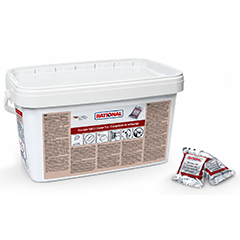
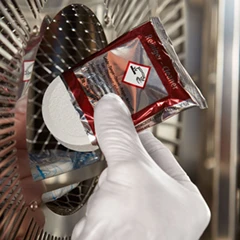
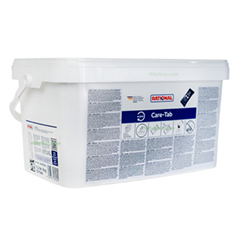
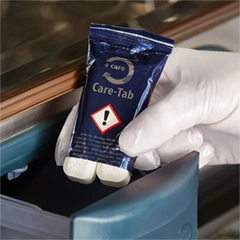
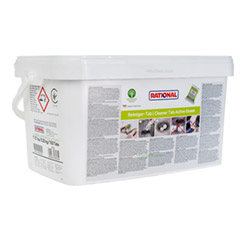
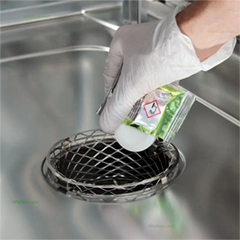
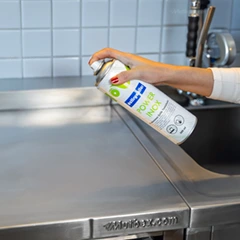
Dishwasher detergents, rinse aids, and all the chemicals you need are available in this category.
Explore
5.0 (6)
Same-Day Shipping
Code
1H.8899.P1002.20
%0
2,679
TL
2,679
TL
Same-Day Shipping
Code
1H.8899.E1002.20
%0
1,853
TL
1,853
TL
5.0 (4)
Same-Day Shipping
Code
1H.8899.P1003.20
%0
3,003
TL
3,003
TL
5.0 (1)
Free Same-Day Shipping
Code
019.H.56.02.315E
%0
6,720
TL
6,720
TL
Free Shipping
Code
019.H.5RRX.56005.62
%0
5,796
TL
5,796
TL
Free Same-Day Shipping
Code
019.H.56.01.535
%0
6,518
TL
6,518
TL
Same-Day Shipping
Code
1H.8899.P1011.04
%0
774
TL
774
TL
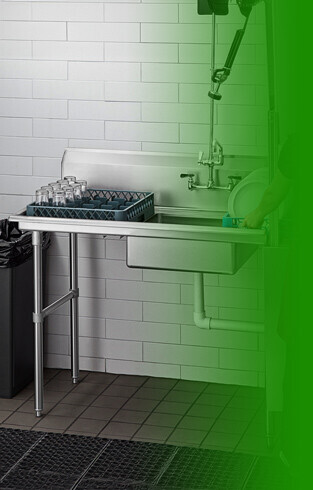
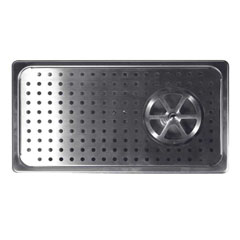
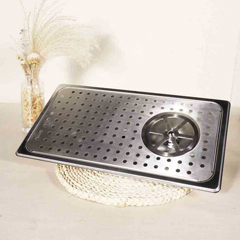
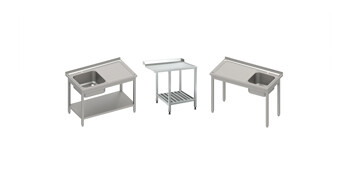
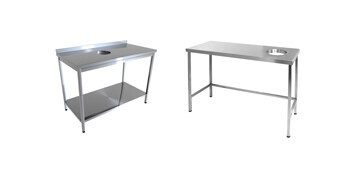
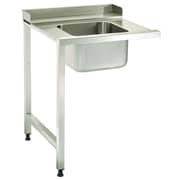
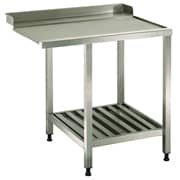
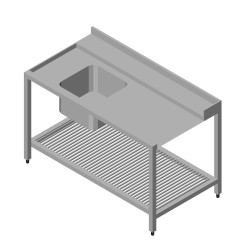
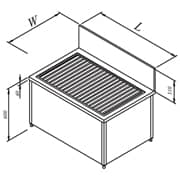
In this category, you can find dish scraping counters, dishwashing sinks, and dishwasher countertops.
Explore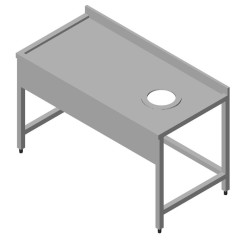
Free Shipping
Code
1T.7712.12090.01
%0
56,891
TL
56,891
TL
Free Shipping
Code
1T.7711.12075.22
%0
26,236
TL
26,236
TL
Free Shipping
Code
1T.7711.07075.13
%0
21,559
TL
21,559
TL
Free Shipping
Code
1T.7711.09075.23
%0
33,964
TL
33,964
TL


Free Shipping
Code
1M.7959.87579.50
%0
24,720
TL
24,720
TL
Free Shipping
Code
101.EMP.BAKA.2.5
%0
12,096
TL
12,096
TL
Free Shipping
Code
1M.7895.40550.01
%0
21,814
TL
21,814
TL
Free Shipping
Code
221.GST150.D2
%0
42,336
TL
42,336
TL
Free Shipping
Code
101.EMP.CKP.01
%0
73,030
TL
73,030
TL
Free Shipping
Code
101.EMP.CKP.02
%0
94,802
TL
94,802
TL


Free Shipping
Code
156.0502
%0
9,677
TL
9,677
TL
Same-Day Shipping
Code
4104040209
%0
644
TL
644
TL
Free Shipping
Code
4104011109
%0
4,891
TL
4,891
TL
The Heart of Hygiene in Professional Kitchens: Dishwashing Equipment
The dishwashing area is the hygiene hub of professional kitchens. The cleanliness standards here directly reflect on the overall reputation of the restaurant or establishment. Therefore, dishwashing area planning is not just a space design; it is a strategic step in terms of efficiency, hygiene, and occupational safety.
Dishwashing areas can be set up in different scales depending on the size of the business. While some establishments feature massive areas equipped with industrial machines, others may be limited to just a sink and a glass washer. However, every dishwashing area basically consists of a sorting/scraping table, a pre-rinse unit, a dishwasher, and a storage/stacking area.
What is Commercial Dishwashing Equipment?
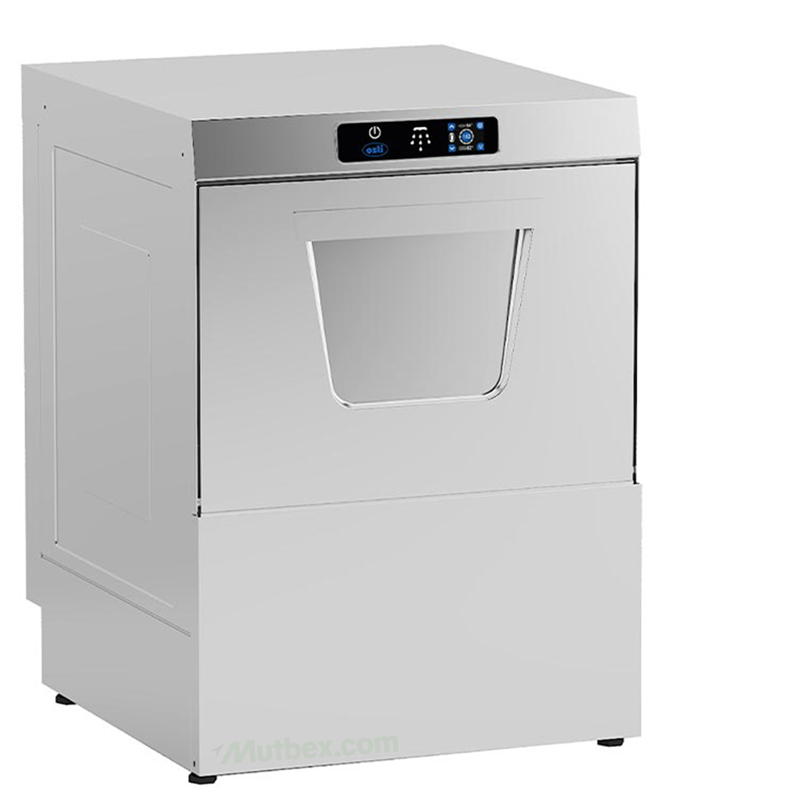
Commercial Dishwashers
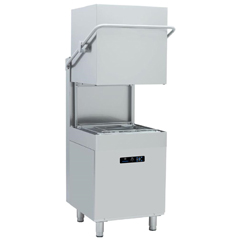
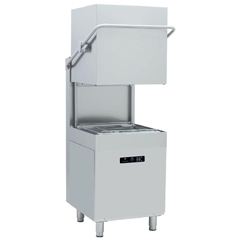
The heart of any dishwashing area. Commercial dishwashers are indispensable in professional kitchens with their high washing performance and energy efficiency.
- For large-scale operations (hotels, cafeterias, catering companies, etc.), conveyor-type, hood-type (pass-through), or utensil/pot washers are preferred.
- Medium-scale operations (restaurants, diners, bars) usually use undercounter or hood-type dishwashers.
- For small businesses (cafes, office kitchens, coffee shops), glass washers and undercounter models are ideal.
These machines offer professional solutions that provide full hygiene in just 3 minutes.
Dishwasher Racks
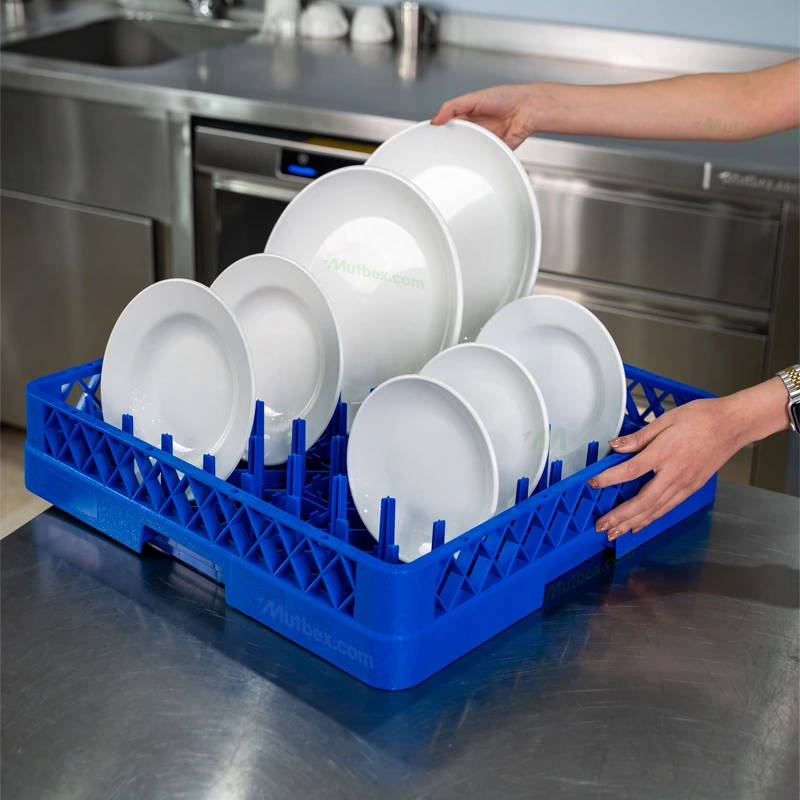
One of the unseen but most important helpers in dishwashing areas. Dishwasher racks are specially designed for each type of dish, both increasing cleaning performance and preventing items from clashing against each other.
- Plate, glass, cutlery, and tray racks are produced in different sizes and shapes.
- Rack extenders allow safe stacking, especially by preventing glassware from breaking.
Dishwashing Tables & Sinks
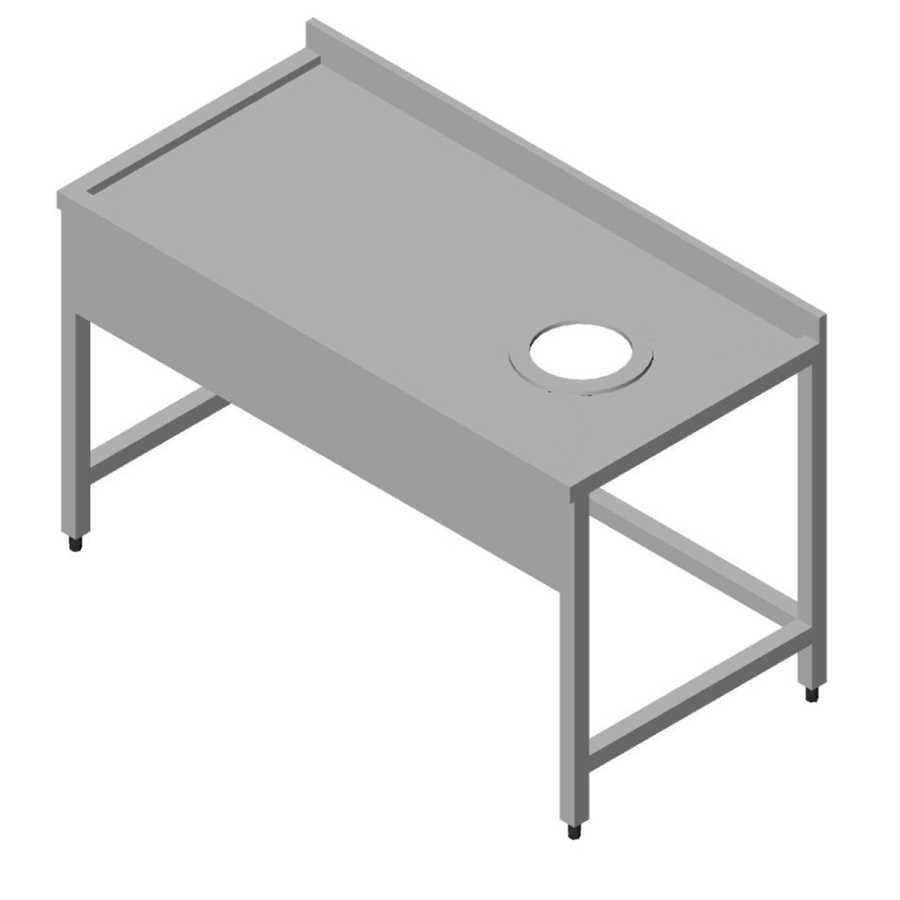
The secret to high performance in a dishwashing area lies in correct planning and ergonomic table layout. Dishwashing tables are generally custom-manufactured according to the needs of the business.
Table types include:
- Scraping/sorting tables (pre-rinse area),
- Sink tables,
- Machine-connected inlet and outlet tables.
Correct placement ensures time savings and order in dishwashing operations.
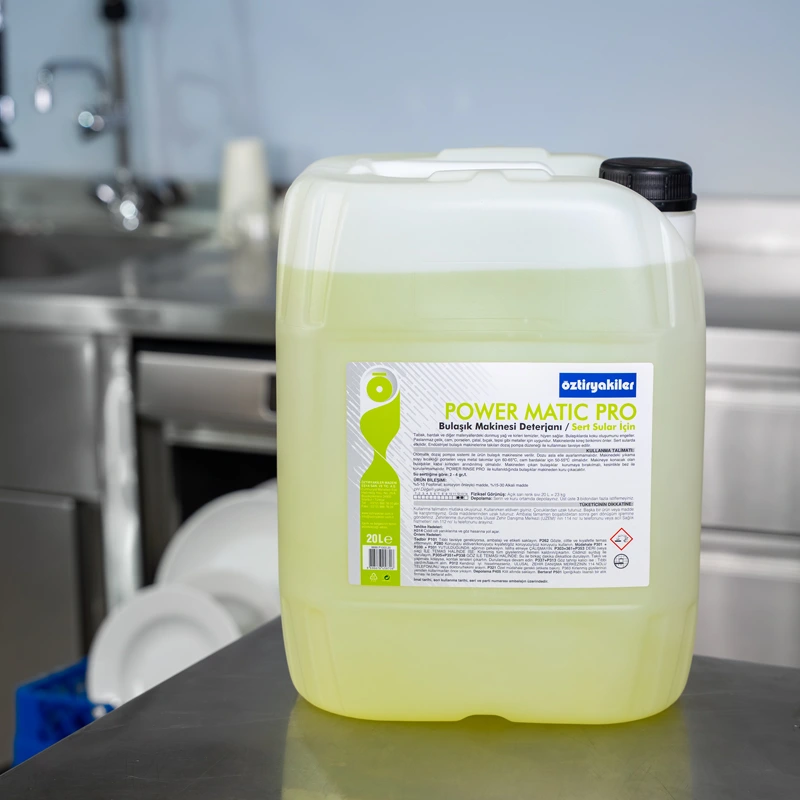
Dishwashing Detergents
The dishwashing area is the center of hygiene; maintaining this hygiene depends on using the right detergents and cleaning products. To maintain hygiene standards in professional kitchens, only cleaning materials manufactured for commercial use should be preferred in the dishwashing area.
Main cleaning products used in dishwashing areas include dishwasher detergent and rinse aid, descalers, T-9 degreasers, surface cleaners, and manual hand-wash detergents. These products maintain the machine's performance while ensuring that dishes are washed spotlessly, hygienically, and brilliantly.
Regular use of the right chemicals both extends the lifespan of the equipment and preserves the overall hygiene balance in the kitchen.
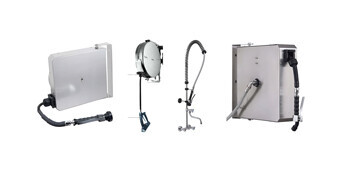
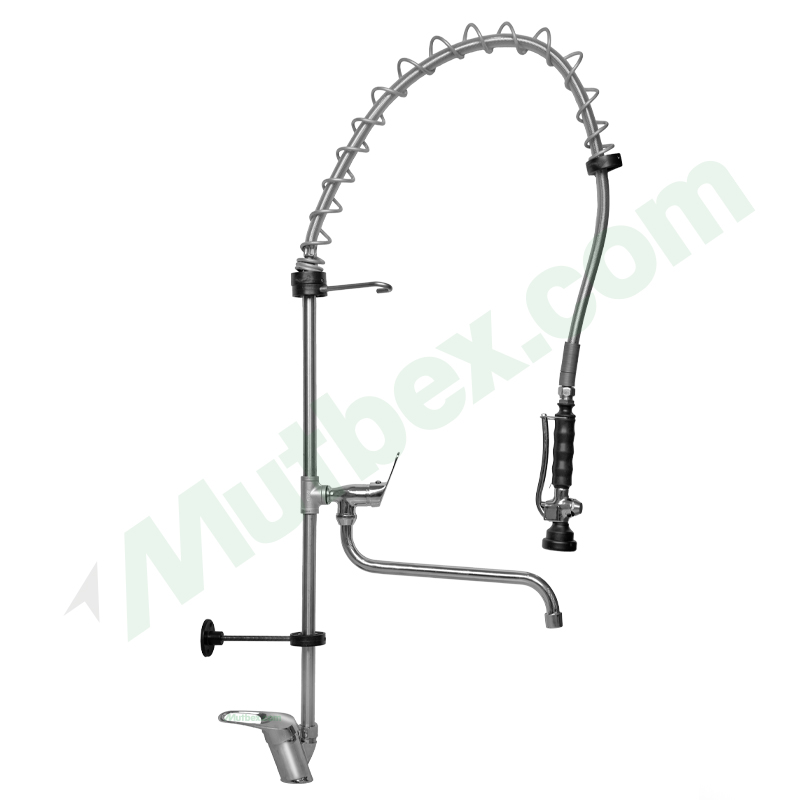
Pre-Rinse Units
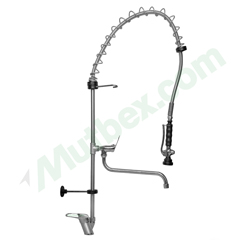
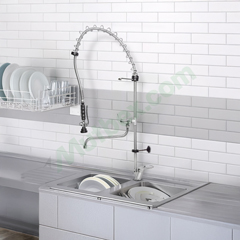
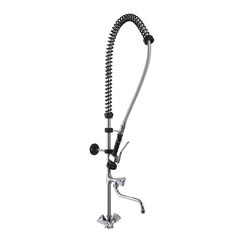
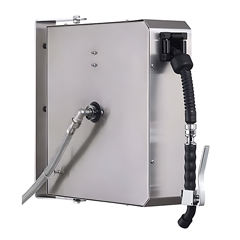
The pre-rinse unit and pre-rinse spray gun are among the most important pieces of equipment that extend the lifespan of the dishwasher. Cleaning off residues with water before the dishes enter the machine is critical for both hygiene and energy efficiency.
Thanks to high-pressure pre-rinse faucets, water is saved while preventing the machine's pump and filter systems from clogging.
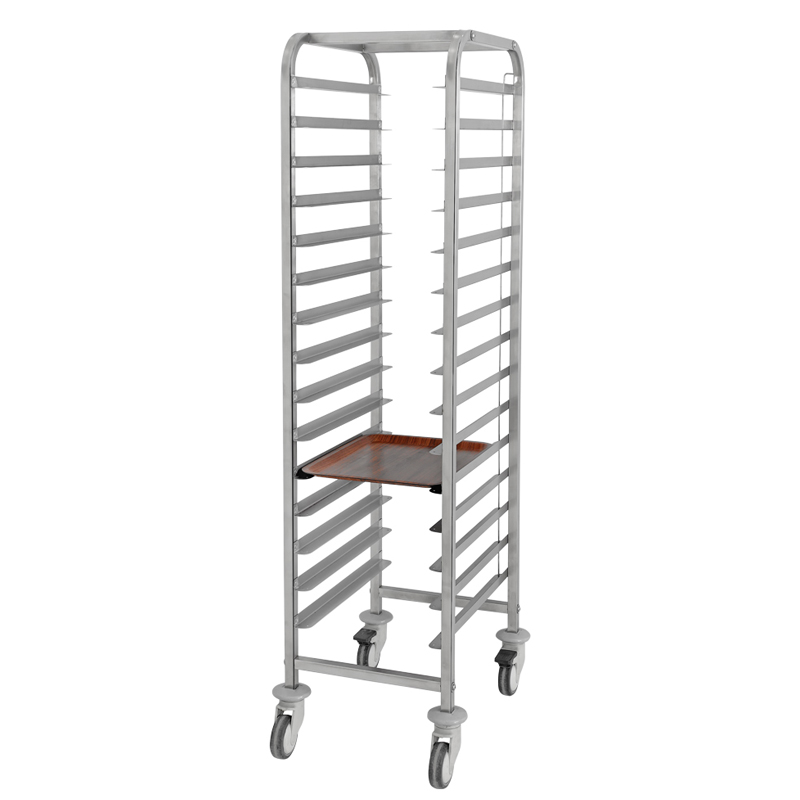
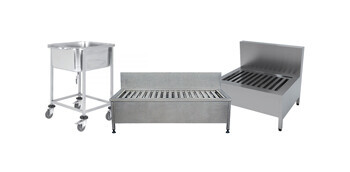
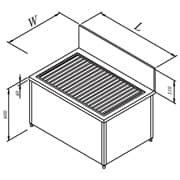
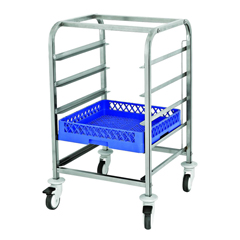
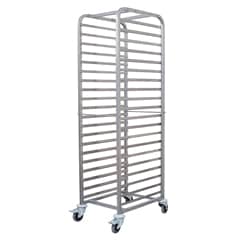
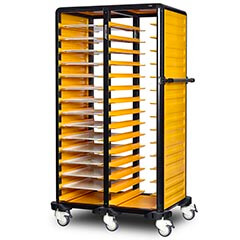
Utility & Utility Carts
Utility carts provide great convenience for logistics within the dishwashing area.
- Dish bussing carts ensure that dirty or clean dishes are transported safely.
- Tray transport carts offer great practicality in dining hall services. They are long-lasting and hygienic thanks to their stainless steel bodies.
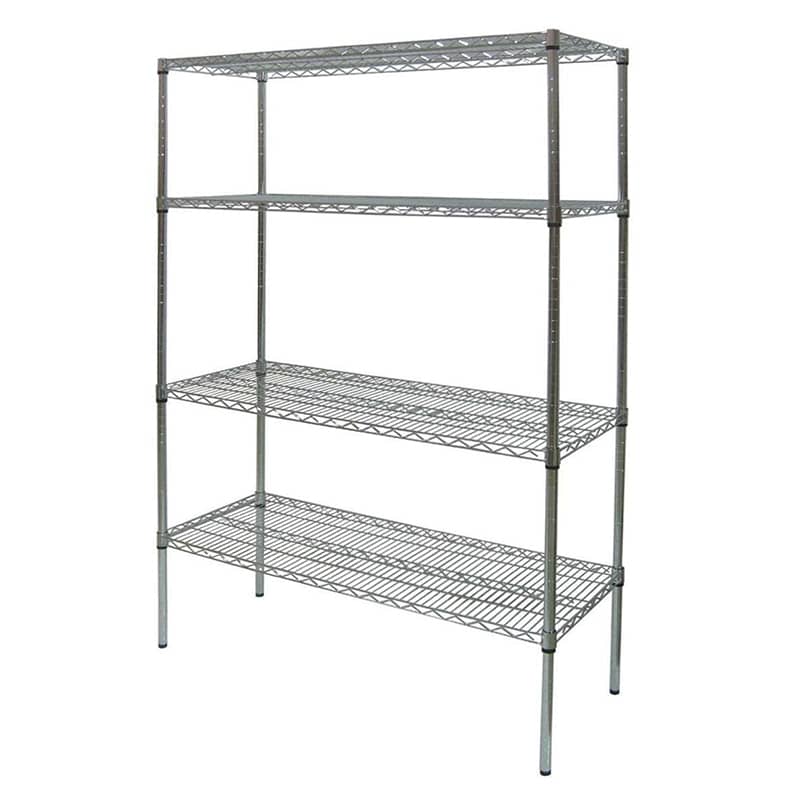
Storage Shelving Units
The final link in the organization of the dishwashing area. Storage racks ensure that clean dishes are dried and stored in an orderly manner.
- They are durable thanks to their stainless steel structures.
- With different tier options, they offer both space savings and easy access.
Well-planned storage shelving units ensure the continuity of both hygiene and order in the kitchen.
Commercial Dishwashing Equipment Prices
Prices of dishwashing equipment vary depending on the material quality, brand, capacity, and features of the product. Equipment made of stainless steel stands out for being long-lasting, hygienic, and durable; however, the cost of these products is generally higher.
Equipment made of plastic or composite materials offers a more economical option. However, since such products do not have the durability suitable for intensive use, they are generally preferred in small-scale enterprises.
When purchasing dishwashing equipment, attention should be paid not only to the price of the product but also to factors such as energy consumption, warranty period, technical service network, and spare parts availability. These factors directly affect operating costs in the long run.
What to Consider When Buying Dishwashing Equipment?
When choosing dishwashing equipment, you should primarily consider your establishment's capacity, daily dish volume, and operational intensity. Undersized machines reduce operational efficiency, while oversized equipment can cause unnecessary energy and water consumption.
In addition, choosing products with dimensions suitable for the planning of the dishwashing area both facilitates the workflow and creates a more organized and hygienic working environment.
Furthermore, you should definitely pay attention to aspects such as the after-sales service network, warranty coverage, and spare parts support of the brand you prefer. These elements ensure that your business continues to operate uninterruptedly in case of potential breakdowns.
If you want to make the right choice for the commercial dishwasher, which forms the heart of the dishwashing area, you can easily determine the most suitable model for your business by reviewing our comprehensive dishwasher buying guide.
Our Videos
Öztiryakiler Dishwasher Models and Capacities
Are you looking for the most efficient dishwasher models for professional kitchens? Öztiryakiler dishwashers are specially designed for different capacities and usage areas! 🚀
How to Use a Commercial Dishwasher? What to Consider?
Commercial dishwashers are one of the must-have pieces of equipment for large kitchens and restaurants. So, how do you use an Öztiryakiler dishwasher? What should you pay attention to during use? In this video, we share all the details you need to know to use your dishwasher efficiently!
Commercial Dishwasher Descaling: The Most Effective Way to Extend Your Machine's Lifespan!
Commercial dishwashers are the biggest helpers of businesses. However, when regular descaling is not performed, performance drops, energy consumption increases, and the lifespan of the device shortens. In this video, we explain in detail how to descale a commercial dishwasher, how often it should be applied, and what to consider in daily maintenance.
Featured Brands
In the commercial kitchen sector, brands such as Öztiryakiler, Inoksan, Zanussi, Cancan manufacture long-lasting and high-performance dishwashing equipment.
Related Blog Posts
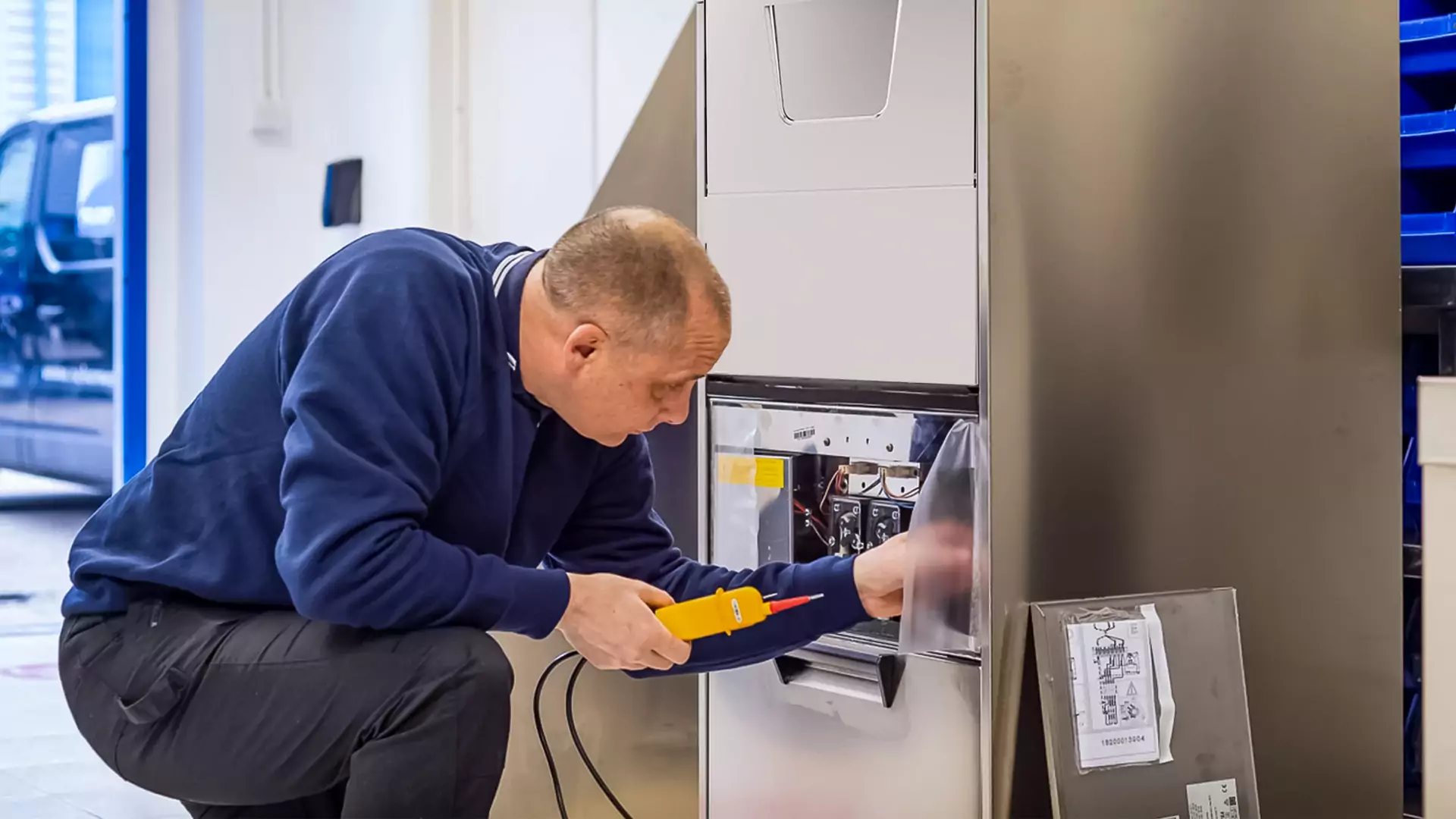
Commercial Dishwasher Troubleshooting and Solutions
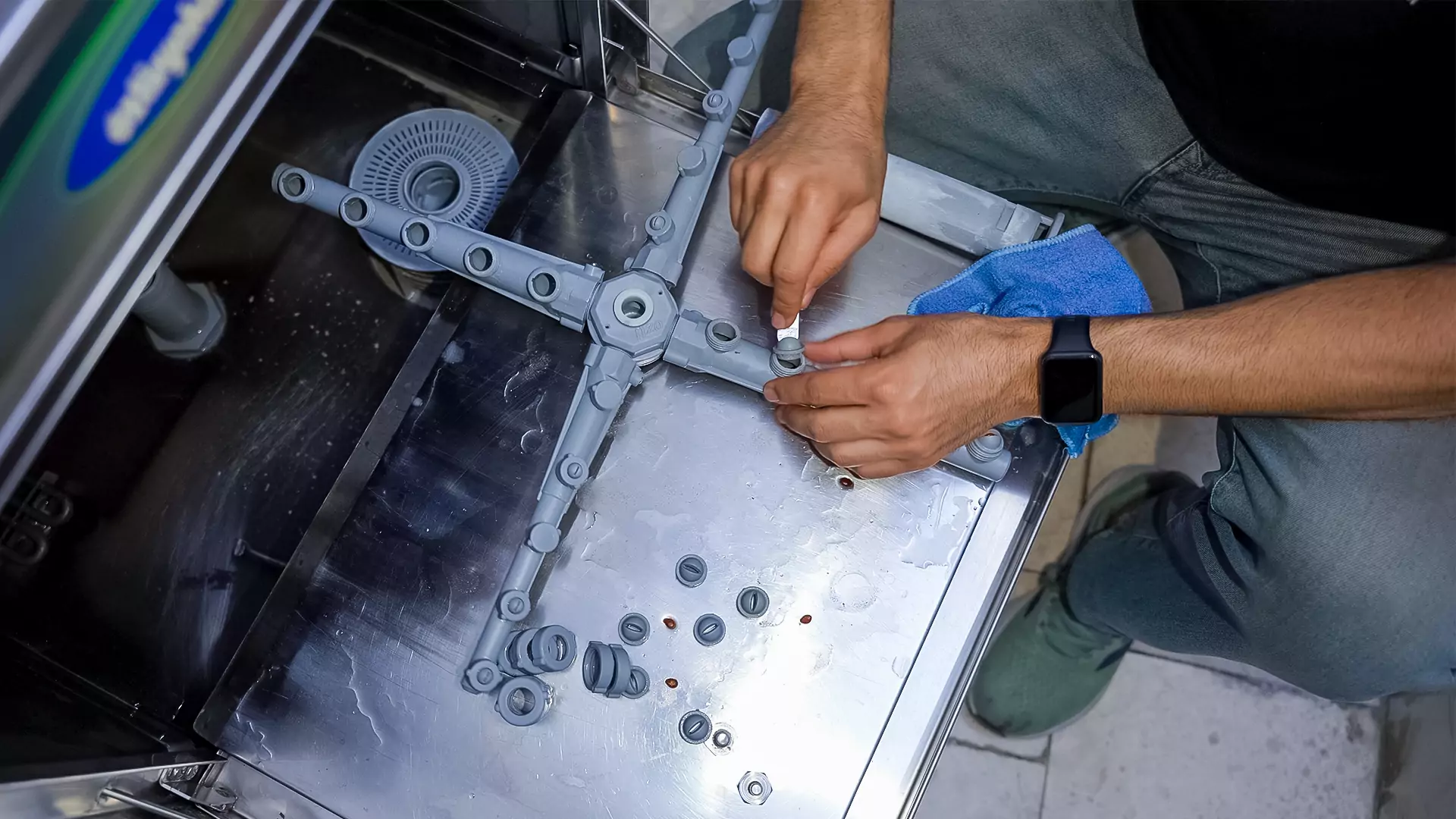
Maintenance and Cleaning of Commercial Dishwashers

How to Use Commercial Dishwashers?
Frequently Asked Questions About Dishwashing Equipment
Question: Which businesses is dishwashing equipment suitable for?
Answer: It is used in professional kitchens such as restaurants, hotels, cafes, cafeterias, catering companies, and production facilities.
Question: How should the dishwashing area layout be?
Answer: A linear flow following the sequence of dirty dish entry – scraping – pre-rinse – washing – stacking is the most efficient layout.
Question: How many dishwashers should there be in a dishwashing area?
Answer: The number of dishwashers to be used depends on the size of the business and its daily service capacity. While a single undercounter or hood-type dishwasher is sufficient for small businesses, choosing two separate machines for glass washing and plate washing in medium-scale operations increases efficiency. In large-scale facilities such as hotels, cafeterias, and catering kitchens, both a conveyor or hood-type dishwasher and a utensil/pot washer should be available.
Question: Which dishwashing areas require a utensil/pot washer?
Answer: Utensil/pot washers should be used in high-volume operations like hotels, hospitals, factories, and large cafeterias where massive kitchen equipment needs cleaning. These machines effectively wash large items such as pots, pans, and trays, thereby saving labor. Small restaurants or cafes usually do not need this type of machine.
Question: Where should pre-rinse spray units be placed?
Answer: Pre-rinse spray units should be placed between the scraping table and the dishwasher. This placement ensures that dishes are cleared of food and grease residues before entering the machine, which both extends the machine's lifespan and increases washing performance.
Question: How many racks should I use in the dishwashing area?
Answer: The number of racks to be used should be determined according to the dish load and shift intensity. While 6–8 racks are sufficient for small businesses, having at least 15–20 dishwasher racks in high-volume dishwashing areas ensures that the workflow continues without interruption. Additionally, distinct rack types should be used for glasses, plates, and cutlery.
Question: Where should the floor drain gully be positioned?
Answer: The floor drain gully should be located under the areas where water is most intense, especially under the scraping and pre-rinse tables. This ensures that accumulated water is easily discharged and floor safety is maintained. In addition, non-slip and stainless steel floor drains should be preferred.
Question: What are the typical garments worn in a dishwashing area?
Answer: The clothing of dishwashing staff is of great importance for occupational safety and hygiene. Water-resistant aprons, non-slip boots, gloves, and hairnets are among the standard dishwashing apparel. These items protect the employee and ensure the continuity of hygiene in the dishwashing area.
Question: Where should the storage shelving be placed?
Answer: Storage shelving should be positioned close to the machine outlet for stacking clean dishes. This prevents clean and dirty dish pathways from mixing, making the operational flow more hygienic and efficient.
Question: How should dishwashing area cleaning be done?
Answer: Dishwashing area cleaning must be done systematically at the end of each shift. First, tables, the floor, and machine filters should be cleaned, followed by ensuring hygiene with surface cleaners and disinfectants.
Question: What should I consider when setting up a dishwashing area?
Answer: When setting up a dishwashing area, first of all, the clean and dirty dish flow directions must be separated from each other. Equipment layout, water drainage, ventilation, and electrical installations must be planned professionally. In addition, the size of the dishwashing area should be chosen to suit the service capacity of the business, and full compliance with hygiene standards must be achieved. For detailed information, you can read our blog post on how to set up a dishwashing area.