 Track Order


Chemex Coffee Makers
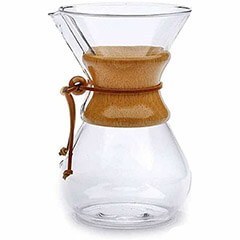
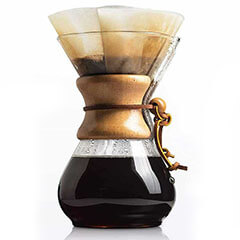
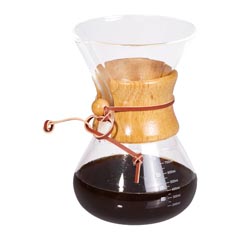
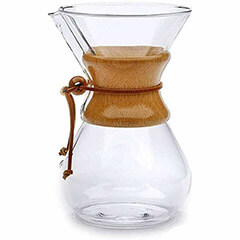
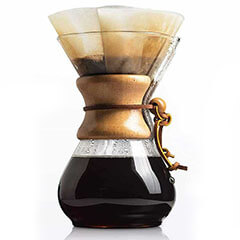
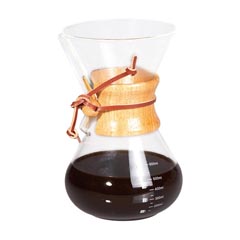
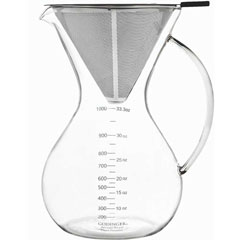
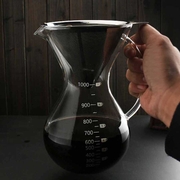
A Different Perspective on Classic Brewing: Chemex
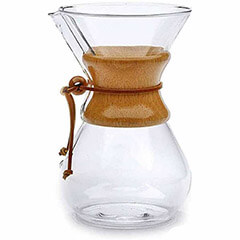
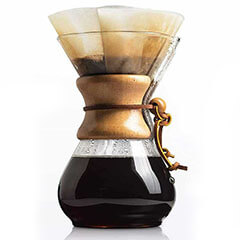
Chemex is one of the most iconic symbols of the 3rd wave coffee movement. Designed in 1941 by German chemist Dr. Peter Schlumbohm, this manual brewing equipment is produced using laboratory-grade heat-resistant borosilicate glass. Its pure structure, which does not retain odors or chemical residues, combined with its wooden collar and leather tie details, makes it one of the rare designs among coffee equipment to be included in the collection of the Museum of Modern Art.
The most important feature distinguishing Chemex from other pour-over techniques is its unique filtration system. Its special filters, which have a thicker structure than standard papers, perfectly filter and trap bitter oils, sediments, and unwanted acids during the filter coffee brewing process. While preserving the aromatic richness of the coffee, this process ensures a sediment-free, clear, and smooth drinking result.
Chemex by Type
Chemex with Wood Collar
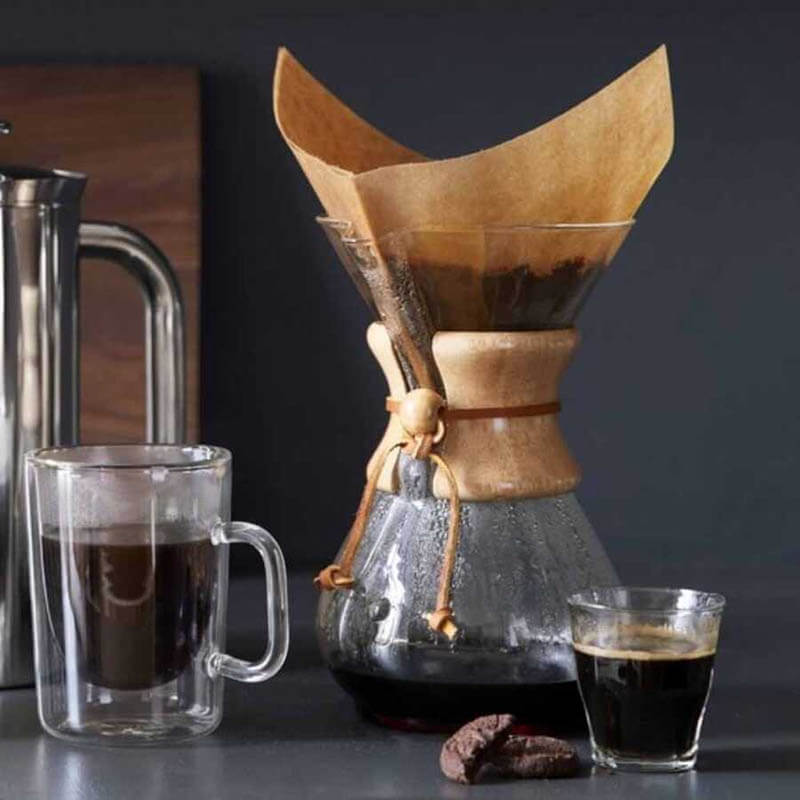
The polished wooden protector wrapping the heat-resistant glass body and the raw leather tie securing it provide excellent thermal insulation. No matter how hot the coffee inside is, thanks to the wooden neck, you find a safe and balanced grip without burning your hand. For users where aesthetic concerns are at the forefront and historical texture is valued during brewing, this model has become not just a coffee equipment but an art object to be exhibited in the corner of the kitchen.
Chemex with Glass Handle
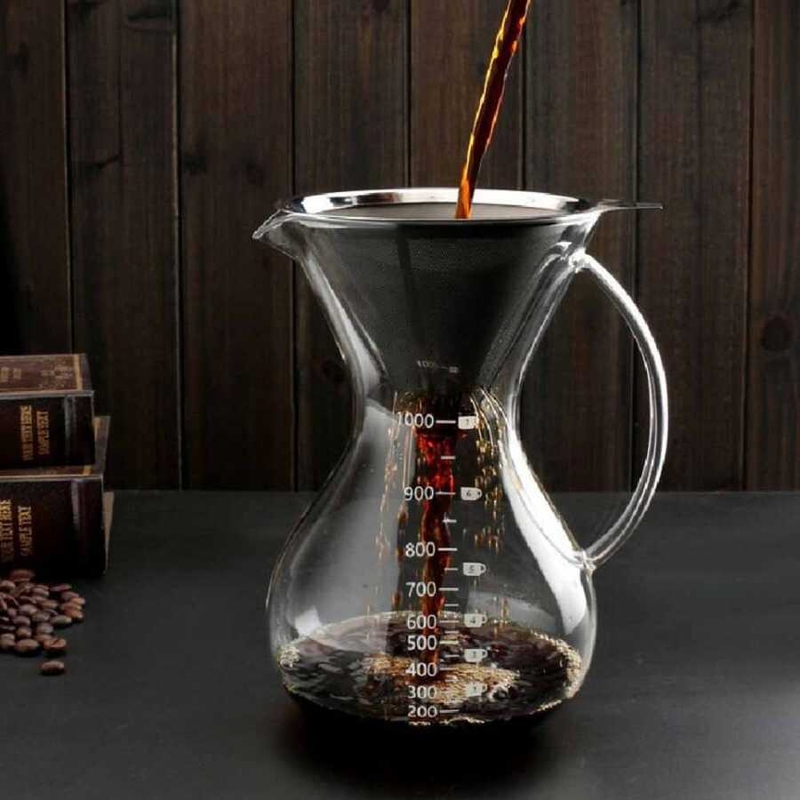
Combining the perfect brewing performance of the classic Chemex with modern practicality, Chemex with glass handles are designed especially for those who care about ease of use and hygiene. The ergonomic handle, also produced from borosilicate glass integrated with the body, offers an elegant appearance while prioritizing the "Clean Cup" concept. Since it does not contain wood and leather components, this model can be washed directly in the dishwasher or easily sterilized by hand without requiring any disassembly after brewing. It is an extremely useful solution for office environments requiring intensive use or home users looking for quick cleaning.
Chemex Prices
Chemex prices vary according to their volume and structure. There are Chemex varieties suitable for every need and usage.
What Should I Look for When Buying a Chemex?
When choosing the right Chemex model, brewing capacity (3, 6, 8, or 10 cups), handle design (wood or glass), and your usage habits are important. For home users, wood collar models offer an aesthetic stance, while for offices, glass handle models provide practical cleaning advantages. You can review our guide for detailed information.
Related Blog Posts
8 Different Techniques for the Perfect Cup
Alternative Coffee Equipment That Increases Quality in Cafes
What is 3rd Wave Coffee? Its History and Features
Frequently Asked Questions About Chemex
Question: What is the difference between Chemex coffee and other methods?
Answer: Chemex offers a sediment-free and extremely clear coffee known as "Clean Cup". The main reason for this is its patented "Bonded" filters, which are 20-30% thicker than standard filters. These filters highlight the sweet and aromatic notes of the coffee by trapping bitter oils, heavy sediments, and unwanted acids in the coffee.
Question: Is it mandatory to use special filters for Chemex?
Answer: Yes, the most critical part of the Chemex experience is its own special filter. Ordinary coffee filters are thinner; this can cause the water to flow too fast and the coffee to be bodyless. Also, the wide mouth structure of the Chemex can cause standard filters to tear or collapse inward. Original filters both control the flow rate and provide that characteristic smooth taste.
Question: What should be the coffee grind size for Chemex?
Answer: The ideal grind size for Chemex is the setting called "Medium-Coarse".
Question: Can Chemex be put on the stove?
Answer: Chemex is made of heat-resistant borosilicate glass, but placing it directly on electric stoves is not recommended; this may cause the glass to crack. On gas stoves, it can be kept hot on very low heat using "steel wire grids" that prevent direct contact of the flame with the glass. The safest method is to serve the coffee immediately after brewing or to place the glass carafe in a container filled with hot water.
Question: What is the ideal coffee to water ratio?
Answer: The generally accepted golden ratio for Chemex is 1:15 or 1:16. That is, 15-16 ml of water is used for every 1 gram of coffee.
Question: Why are paper filters recommended instead of metal or cloth filters?
Answer: Metal strainers or cloth filters produced for Chemex are available and can be preferred for "zero waste". However, only original paper filters give that clear, "tea-like", and sediment-free taste that makes Chemex a Chemex. Metal filters allow oils to pass through, bringing the taste closer to French Press; cloth filters are difficult to maintain and can lead to taste deterioration over time.
Question: I get an intense "paper taste" in my coffee, how do I prevent this?
Answer: This is the most common problem experienced by Chemex users in the early days. Since Chemex filters are thick, they must be wetted with hot water before starting brewing. Place the filter in the carafe, wet it completely by pouring hot water over it, and pour out the water accumulated at the bottom into the sink. This process both eliminates the paper taste and prevents the coffee from cooling by heating the glass carafe.
Question: Can I wash and reuse Chemex filters?
Answer: Chemex filters are single-use and reuse is not recommended. When washed, the fiber structure of the paper deteriorates, its pores get clogged, and oils remaining from the previous coffee spoil the taste of fresh coffee.
Question: Can I use filter coffee paper in Chemex?
Answer: Technically yes, you can put it inside, but the result will definitely not be like the original Chemex paper. There are even some risks. This issue needs to be evaluated from two perspectives:
- 1. Flavor Difference (Most Important Part) What makes Chemex special is not its glass, but the paper it uses.
- Chemex Filter: 20-30% thicker than standard papers. It gives that famous "clear and smooth" taste by retaining oils and sediment.
- Standard Filter (V60 or Machine Paper): Much thinner. Passes water very fast, cannot fully filter oils. Consequently, the coffee you get becomes an ordinary filter coffee, not Chemex coffee. Its body may be weak and acidity unbalanced.
- 2. Safety
- The mouth part (spout) of the Chemex is empty and wide. Original filters carry their own weight in this gap because they are thick.
- Thin standard papers may tear in this gap with the weight of hot water and all coffee grounds may spill into the lower chamber.
- 3. Air Lock Problem
- When original Chemex filters are folded, they form a 3-layer structure where it meets the spout part of the glass. This allows the air inside to escape.
- If ordinary conical filters (e.g., V60 paper) stick completely to the glass surface, air cannot escape and water flow stops. Coffee does not flow down.