 Track Order


Dry Aged Cabinets
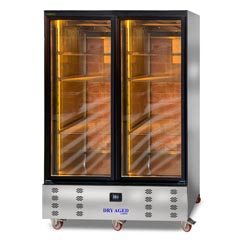
The Secret of Perfect Flavor: Professional Dry Aged Cabinets
Dry aged cabinets are also known as meat aging machines. Dry Aged is the point where meat turns into a work of art, not just food; it is the process of resting the meat with its bone in a controlled environment to intensify its flavor and soften its texture. The Dry Aged cabinets in our category provide the ideal temperature (+1°C / +4°C), humidity, and air circulation required for this delicate transformation process with perfect precision. Unlike standard refrigerators, this special technology, which prevents bacterial growth inside and allows the meat's natural enzymes to break down muscle fibers, seals the meat without drying it out. The result is a gourmet product with a much softer texture and nutty aroma than ordinary meat.
Types of Dry Aged Cabinets
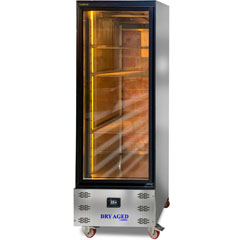
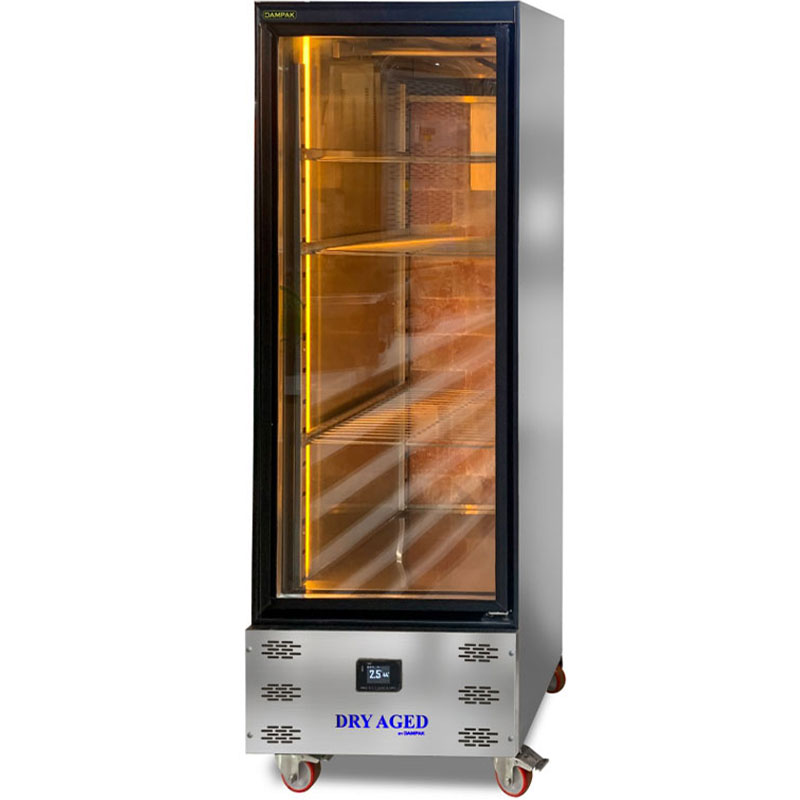
Single Door Dry Aged Cabinets
Ideal for boutique butchers, stylish restaurants, or gourmet users looking for professional touches in their kitchen, single-door dry aged cabinets are designed to offer maximum performance in limited spaces. Despite their compact structure, these models possess industrial aging technology and precisely maintain the humidity and temperature balance the meat needs. With their stylish glass design and special interior lighting, single-door models make the meat you age the most valuable decor of your venue, allowing you to save space while proving that you offer a boutique and attentive service to your customers.
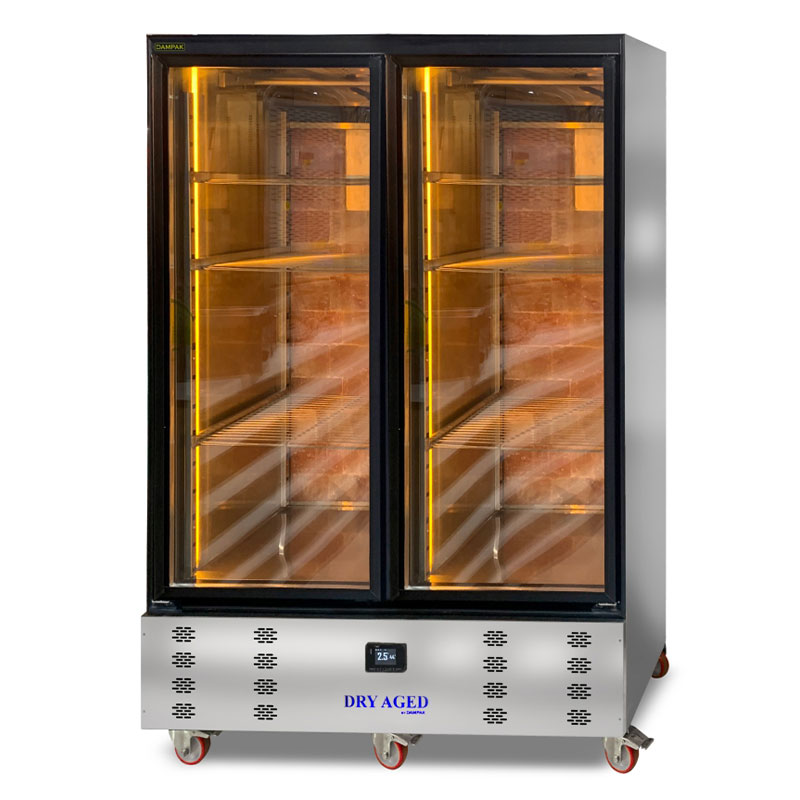
Double Door Dry Aged Cabinets
Double-door meat aging cabinets, the first choice of steakhouses and large-scale professional restaurants with high meat circulation, increase your operational power with their large internal volume. They facilitate stock management thanks to their shelf system that allows you to age different types of meat or products at different maturation stages simultaneously and neatly. Double-door models, which allow you to create a magnificent "meat showcase" at the entrance of the venue or in the dining area, demonstrate the quality of the flavor you offer.
Professional Dry Aged Cabinet Prices
Dry Aged cabinets should be seen as an investment tool that adds value to the business, not a cost item, as they contain high engineering and precise climatization technology unlike standard coolers. Meat aging cabinet prices vary according to the device's meat capacity, number of shelves, quality of stainless steel used, and the sophistication of the humidity control/UV sterilization technologies included.
Which is the most suitable Dry Aged cabinet for steakhouses and butchers?
The most critical criteria when choosing a Dry Aged cabinet for your business are your weekly meat circulation and the width of your display area. Precise humidity and temperature control required for the meat to reach perfect maturity, UV sterilization features, and glass door design are also important factors determining your preferences. You can review our relevant buying guide to choose the model that stands out with both its performance and visuality, perfectly suiting your needs.
Dampak Dry Aged Cabinets
Dampak Dry Aged cabinets, developed for professional businesses wanting to transform the meat maturation process into a perfect flavor experience, offer superior climatization technology and stylish design together. These units, providing precise humidity and temperature control for enzymes that soften the meat texture and intensify its aroma to work most efficiently, guarantee product quality with the stable microclimatic environment created inside the cabin. Dampak models, serving both as a hygienic storage area and an impressive display showcase thanks to their stainless steel body quality, special lighting system, and large glass surfaces, are safely preferred by steakhouse restaurants and boutique butchers.
Related Blog Posts
How to Perform Defrosting in Industrial Refrigerators?
Refrigerator Troubleshooting Guide: Problems and Solutions
What is the Difference Between Blast Chiller and Deep Freezer?
Frequently Asked Questions About Dry Aged Cabinets
Question: What is Dry Aging and why is it done?
Answer: Dry Aging is the process of resting the meat with its bone in a controlled environment. During this process, enzymes inside the meat break down connective tissues, softening the meat, and some of the water evaporates, intensifying the flavor. The result is a much more aromatic and tender meat.
Question: Can meat aging be done in a normal refrigerator?
Answer: No, it is absolutely not recommended. Normal refrigerators cannot control humidity and cannot provide sufficient air circulation. This causes the meat to rot or produce bacteria without drying. Dry Aged cabinets ensure the meat ages without spoiling with stable humidity (80-85%) and precise heat control.
Question: What is the ideal aging time?
Answer: 28 days is the most preferred time for a standard flavor and tenderness. For those looking for a more intense, nutty, and "blue cheese" like aroma, this period can be extended to 45, 60, and even 90 days.
Question: How much waste (weight loss) does meat give during the aging process?
Answer: Volume loss occurs as the water inside the meat evaporates. A weight loss (waste) between 15% and 20% is generally considered normal in a 28-day process. This rate increases as the time extends.
Question: What does Himalayan Salt do in Dry Aged cabinets?
Answer: Himalayan salt blocks placed inside the cabinet are not just for visual purposes. They help balance the humidity in the environment and ensure a light, aromatic salt particle is processed onto the meat with negative ions spread into the air. It also has an antibacterial effect.
Question: Is mold or crust forming on the meat normal?
Answer: Yes, it is a natural part of the process. The outer surface of the meat dries to form a hard crust (seal), and this crust protects the inner part. Sometimes harmless white molds may form on it. This hard outer crust must be completely shaved (cut off) before cooking.
Question: What types of meat can I age in the cabinet?
Answer: The best results are obtained with fatty and bone-in beef (Ribeye, T-Bone, Dallas Steak, etc.). The intense fat layer (marbling) of the meat increases the flavor. White meats such as chicken or pork are not suitable for aging with this method due to bacterial risk.
Question: Why is the UV (Ultraviolet) light system necessary?
Answer: A humid environment full of meat can be conducive to bacteria. UV sterilization lights in Dry Aged cabinets continuously clean the air inside, preventing the formation of harmful bacteria and germs, keeping food safety at the maximum level.
Question: How should the device be cleaned?
Answer: Shelves and hangers in contact with meat should be washed with food-grade cleaners after each use. Most importantly, moisture sensors should be regularly cleaned of lime and sediment. Also, replacing active carbon filters at certain intervals prevents odor formation.