 Track Order


Glass Washing Machines
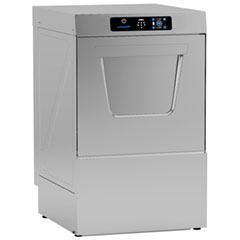
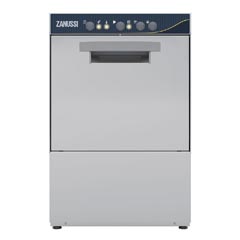
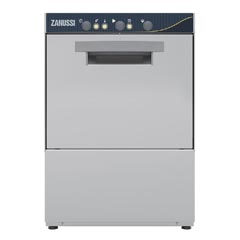
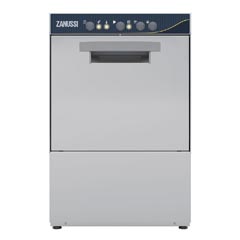
What Are Glasswashers and What Do They Do?
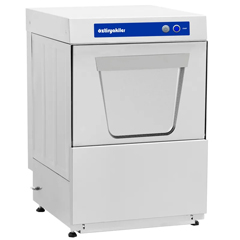
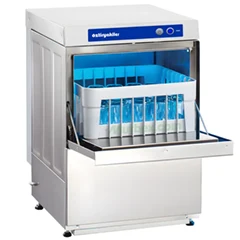
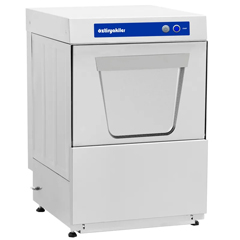
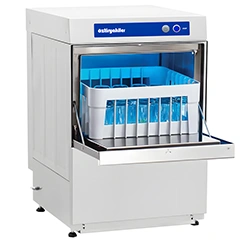
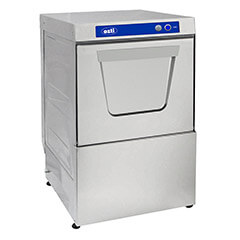
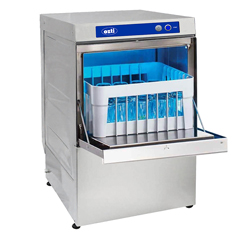
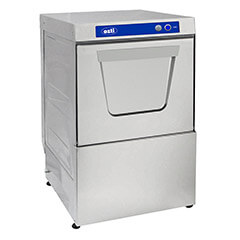
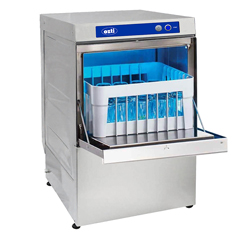
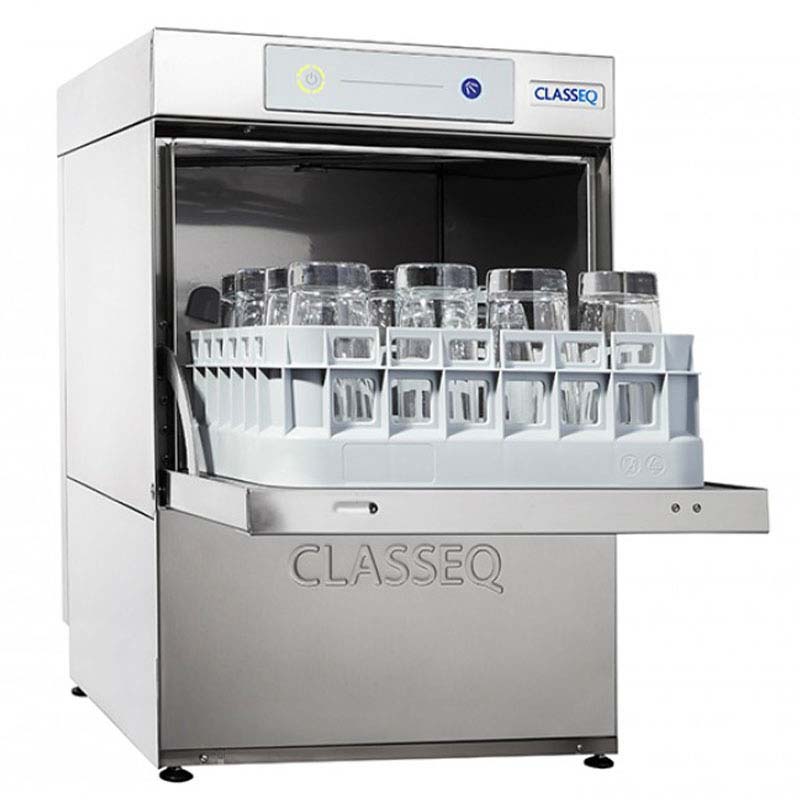
Glasswashers are industrial dishwashing machines used in businesses such as cafés and restaurants to clean glassware quickly without leaving marks. Far more practical than standard models, these machines complete the wash cycle for items such as stemware and cups in less than three minutes. Their capacity of approximately 30-35 baskets per hour greatly reduces the workload during busy service periods. Thanks to their compact dimensions, they can be installed easily in confined spaces, either under a counter or on a countertop, without restricting the kitchen work area.
What Are the Advantages of Using a Glasswasher?
The main benefits of using a glasswasher are the speed it brings to the business and the significant cost savings it provides. Instead of spending long periods washing dishes at the sink, staff can devote their time directly to customer satisfaction and service. By eliminating the water wasted and the extra electricity used during hand washing, it considerably reduces the burden of monthly utility bills. It also eliminates the water spots commonly seen on glassware such as stemware and cups, ensuring a sparkling appearance every time. Because these machines have a very compact design, they fit comfortably under a counter and do not unnecessarily occupy limited kitchen workspace.
Most Popular Glasswasher Models
The glasswasher models most frequently purchased by businesses are practical undercounter machines that fit easily into compact kitchens. Because space is often limited in cafés and restaurants, compact products such as Öztiryakiler models with 35x35 cm baskets attract particular interest in the industry. The main reason operators favor these machines is that they come factory-equipped with all essential components, including detergent and rinse aid pumps. These popular models wash glassware quickly without delays during busy service periods, while their low water and energy consumption makes a noticeable contribution to operating budgets.
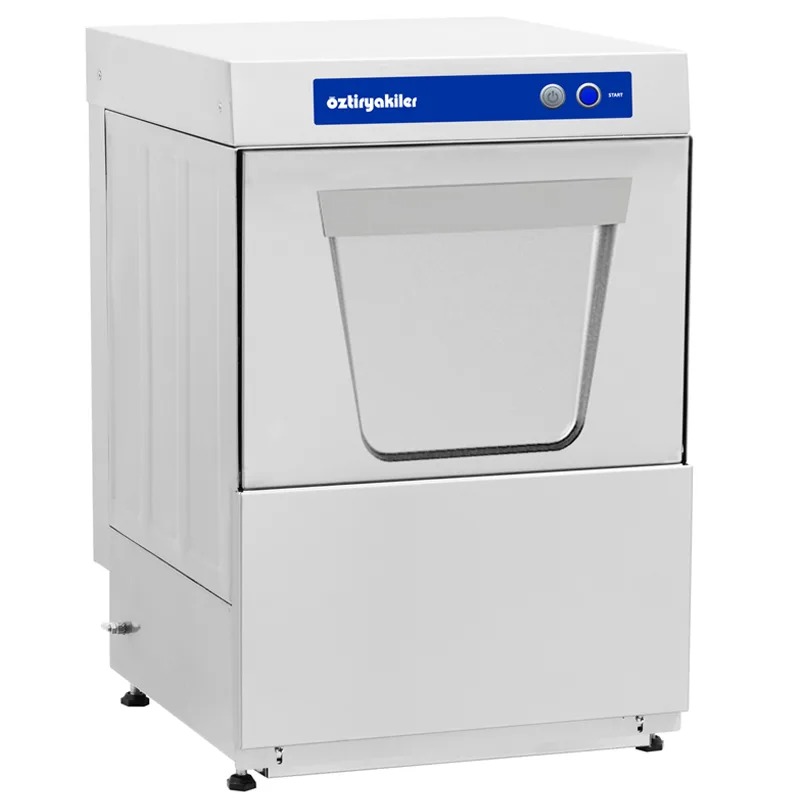
Öztiryakiler OBY 500 35M PTD Glasswasher
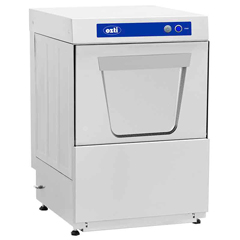
Although various glasswashers are available to suit different business capacities and installation areas, the Öztiryakiler OBY 500 35M PTD Glasswasher model stands out as one of the best-equipped options. Thanks to the detergent, rinse aid, and drain pumps included as standard, the machine operates at full performance without requiring additional equipment. Its single-piece stainless steel wash tank provides excellent hygiene, while its 120-second cycle cleans 500 glasses per hour and easily keeps pace with busy cafés and bars. The electromechanical control panel offers one-touch water filling, and the 35x35 cm basket significantly reduces staff workload even in confined spaces.
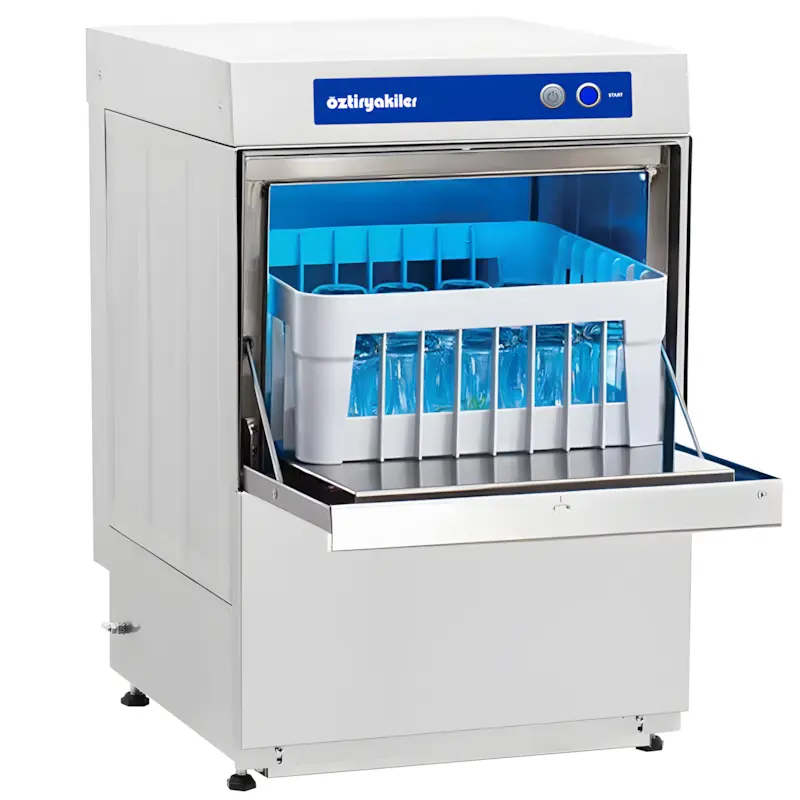
Öztiryakiler OBY 35M Glasswasher
Glasswashers are generally available in undercounter and countertop versions to suit the spatial requirements of different businesses. One compact model frequently preferred in the industry is the Öztiryakiler OBY 35M Glasswasher model, which has a stainless steel body and a short 120-second wash cycle with a capacity of 500 glasses per hour. Its thermostat-controlled temperature settings and single-piece wash tank comfortably meet the high hygiene expectations of busy businesses such as cafés and bars. With a 35x35 cm basket that fits easily into confined spaces, the machine uses only 2.5 liters of water per cycle and delivers significant savings on energy and detergent costs.
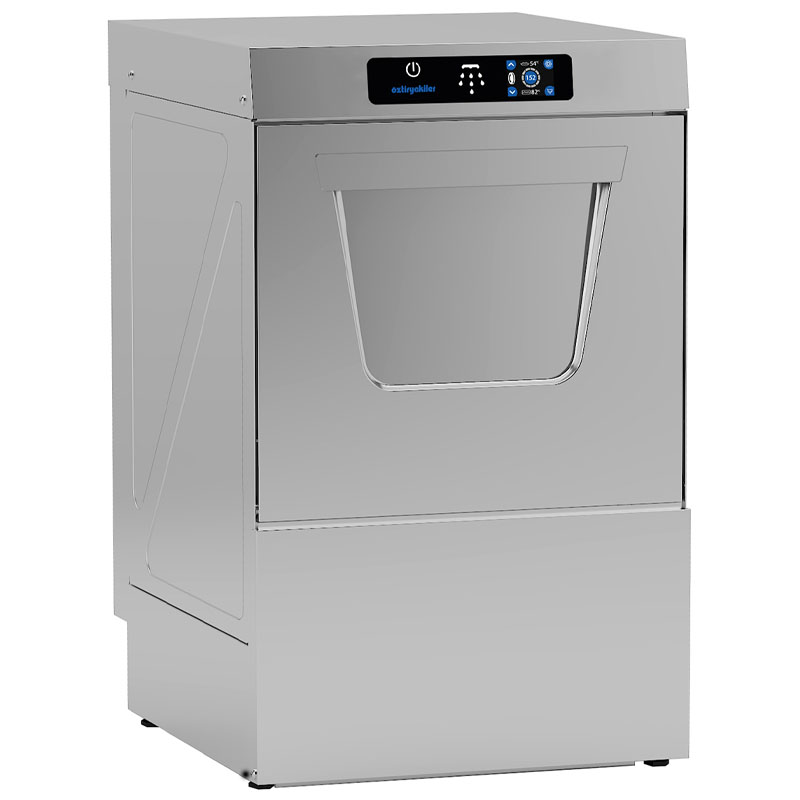
Öztiryakiler OBY 500 40T PDT Glasswasher
With its 40x40 cm basket and capacity of up to 500 glasses per hour, the Öztiryakiler OBY 500 40T PDT Glasswasher was developed for cafés, bars, and other businesses with intensive service. Three different wash programs can be selected from the touchscreen, and operating stages can be monitored through color indicators. Its grade 304 stainless steel body is suitable for professional kitchen conditions. It uses approximately 2.5 liters of water per wash, and its compact 47.5 cm width allows easy installation under a counter or in areas where space is limited.
Glasswasher Selection Guide by Business Type
When selecting a glasswasher for a particular type of business, daily customer traffic and the available kitchen space are the most important factors. For cafés, tea houses, or boutique bars with compact kitchens, small undercounter models with 35x35 cm baskets offer an extremely practical solution. Busy restaurants that receive orders continuously throughout the day should choose powerful industrial machines capable of cleaning up to 500 glasses per hour and equipped with components such as a drain pump to prevent service interruptions. Since purchasing a machine larger than necessary causes needless electricity and water consumption, choosing a size that precisely matches your business's actual customer capacity provides a major economic advantage. All of these products are available from Mutbex.
| Features | Öztiryakiler OBY 500 35M PTD Glasswasher | Öztiryakiler OBY 500 40T PDT Glasswasher | Zanussi 402295 Glasswasher |
|---|---|---|---|
| Washing Capacity (Per Hour) | 500 Glasses | 500 Glasses | 500 Glasses |
| Rinse Aid Pump | Yes | Yes | Yes |
| Detergent Pump | Yes | Yes | Yes |
| Drain Pump | Yes | Yes | Yes |
| Rinse Pump | No | No | No |
| Number of Wash Programs | 1 | 3 | 1 |
| Height (cm) | 63 | 76.5 | 70 |
| Depth (cm) | 46.5 | 54 | 55 |
| Width (cm) | 42.5 | 47.5 | 45.5 |
| Weight | 30 | 35 | 38 |
| Supply Voltage | Single Phase | Single Phase | Single Phase |
| Basket Dimensions | 35x35 | 40x40 | 40x40 |
Glasswasher Prices
Glasswasher prices are determined directly by the machine's hourly basket capacity and the pump equipment integrated into its body. The market includes both basic machines designed solely for washing and industrial models supplied from the factory with detergent, rinse aid, and drain pumps already installed. Although machines with fewer pumps may appear more affordable at first, purchasing and installing these components individually later can increase the total cost considerably. When planning your business budget, considering the machine's stainless steel quality, digital or mechanical controls, and factory-installed systems will help you make the right choice. You can select a high-quality model from Mutbex and benefit from long-term savings.
Glasswasher Reviews
Business owners generally report that glasswashers take on a substantial share of the kitchen workload and greatly speed up operations. Many café and restaurant operators frequently state that industrial machines have completely eliminated the broken glasses and water spots staff used to encounter during hand washing. Product reviews also show clearly that well-equipped models supplied with built-in detergent or drain pumps make installation much easier for operators. Boutique venues with very limited kitchen space likewise often express satisfaction with these compact machines, which fit comfortably under the counter without restricting staff workspace.
Things to Consider When Buying a Glasswasher
The most important point when buying a glasswasher is ensuring that the machine you choose is suitable for both the limited space in your kitchen and your business's peak customer volume. If you choose an undersized model simply because it is slightly cheaper, you may be unable to supply enough clean glasses during the busiest service periods, seriously affecting customer satisfaction. At the other extreme, investing in a machine larger than necessary will only result in higher water and electricity bills. It is therefore essential to calculate your business's hourly basket turnover realistically and choose accordingly. The step that will make your work easiest is selecting a stainless steel machine already equipped with detergent, rinse aid, and wastewater drain pumps, avoiding any additional component or technician costs later. By researching the options available from Mutbex, you can choose an affordable, functional model and purchase it with confidence.
Why Is Stainless Steel Important in Glasswashers?
Stainless steel is extremely important because it prevents the body of a glasswasher from rusting and deteriorating in a constantly wet, chemical-intensive working environment. Given the relentless pace of industrial kitchens, receiving years of trouble-free value from your investment depends heavily on this structural resistance. The completely smooth surface of steel does not allow dirt or germs to accumulate, so the glasses served to your guests emerge sparkling and hygienic after every cycle. There is also an energy-saving benefit: the robust structure prevents the boiling water in the wash tank from cooling too quickly, reducing how often the heating element needs to operate and noticeably lowering the business's electricity bill.
Are Pump Selection and the Boiler Heating Element Important in a Glasswasher?
Yes. Having the correct pump systems and a powerful boiler heating element is vital to keeping your business operations uninterrupted. Integrated detergent and rinse aid pumps automatically balance the chemical dosage and eliminate water spots on glasses. A high-quality drain pump also removes wastewater from the tank immediately, helping the machine operate smoothly without blockages. The boiler heating element brings the water to the ideal temperature without delay, allowing glassware to return to service quickly even during the busiest periods.
Does Using a Water Softener Extend the Life of a Glasswasher?
Yes. Softening the water entering the machine definitely extends its service life. Limescale in hard mains water adheres to the heating element and narrow water channels, gradually damaging the system from within. A small softening unit connected to the water line filters out this scale before it enters the machine, preventing mechanical components from becoming encrusted and blocked. This simple measure helps you avoid unnecessary service bills and allows you to serve glasses without white mineral marks.
Water Hardness Levels and Their Meanings
| Water Hardness Level | Description |
|---|---|
| 30 °f and above | Very Hard Water / Very High Limescale |
| 20-30 °f | Hard Water / High Limescale |
| 10-20 °f | Slightly Hard Water / Low Limescale |
| 5-10 °f | Soft Water |
| 0-5 °f | Very Soft Water |
You can review our buying guide to select the most suitable dishwasher for your business.
Our Videos
You can access our videos here to see exactly how glasswashers are used in daily operations. To save you from spending time reading long and complicated manuals, these short recordings clearly demonstrate everything you need to know when operating the machine in the kitchen. By watching, you can quickly understand all the practical steps, from loading the basket into the machine to starting the wash cycle. This allows you and your colleagues to begin using the product immediately and without difficulty as soon as it has been installed.
Öztiryakiler Glasswashers | Mutbex
Glasswasher or Dishwasher? | Mutbex
Öztiryakiler Dishwashers | Mutbex
How Many Minutes Does an Industrial Dishwasher Take? | Mutbex
Do You Follow These Steps When Using a Dishwasher? | Mutbex
Can a Dishwasher Be Used Without Rinse Aid and Detergent? | Mutbex
Glasswasher Brands
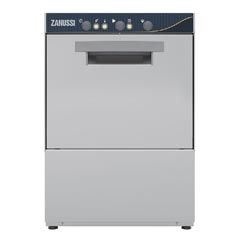
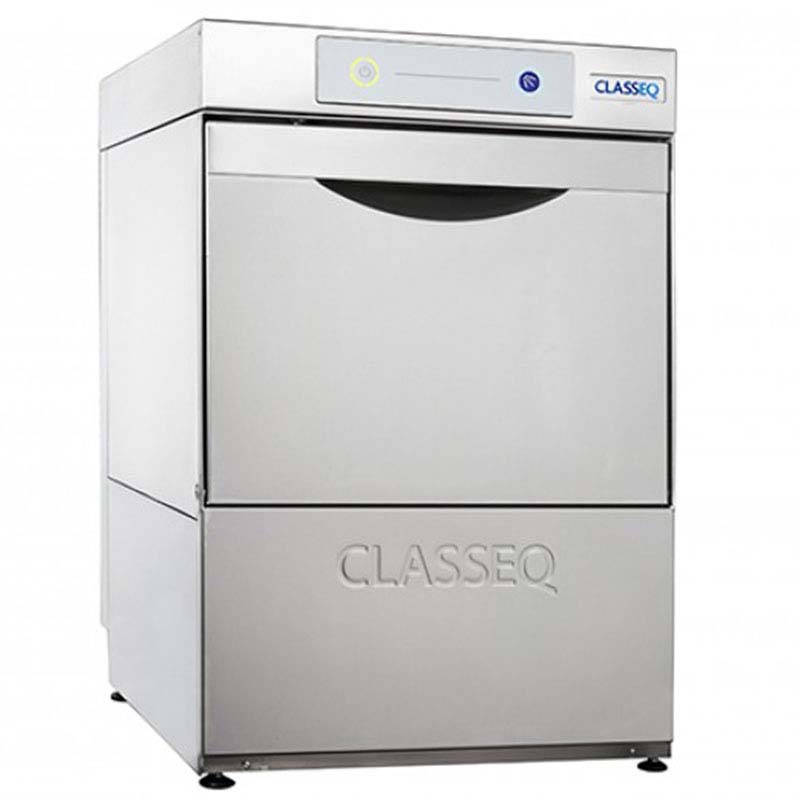
The glasswasher brands you can purchase with confidence from our website are Classeq, Öztiryakiler, and Zanussi. If you do not want to waste time searching for a technician or spare parts when a fault occurs, the locally manufactured Öztiryakiler's extensive service network across Türkiye will give you considerable peace of mind. If you operate a compact venue where finding space under the counter is difficult, British-made Classeq machines can be invaluable in such spaces thanks to their compact dimensions. However, if you run a very busy, crowded venue with a continuous flow of dirty glassware from morning to night, you should consider the Italian brand Zanussi's powerful motor design, which is built to withstand demanding conditions. You can review models from the selected brands available at Mutbex and choose a machine suited to your requirements.
Related Blog Posts
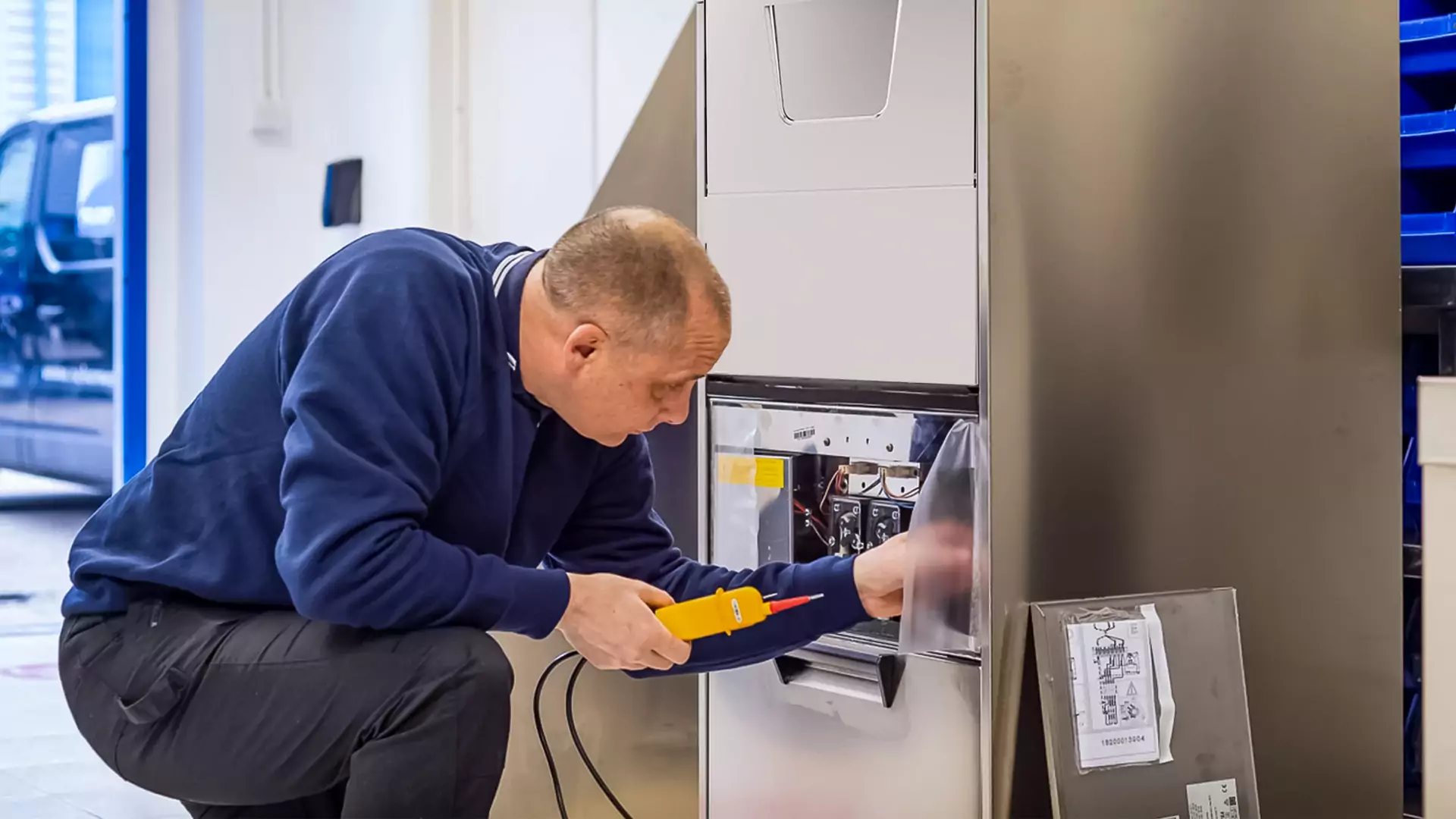
Industrial Dishwasher Faults and Solutions
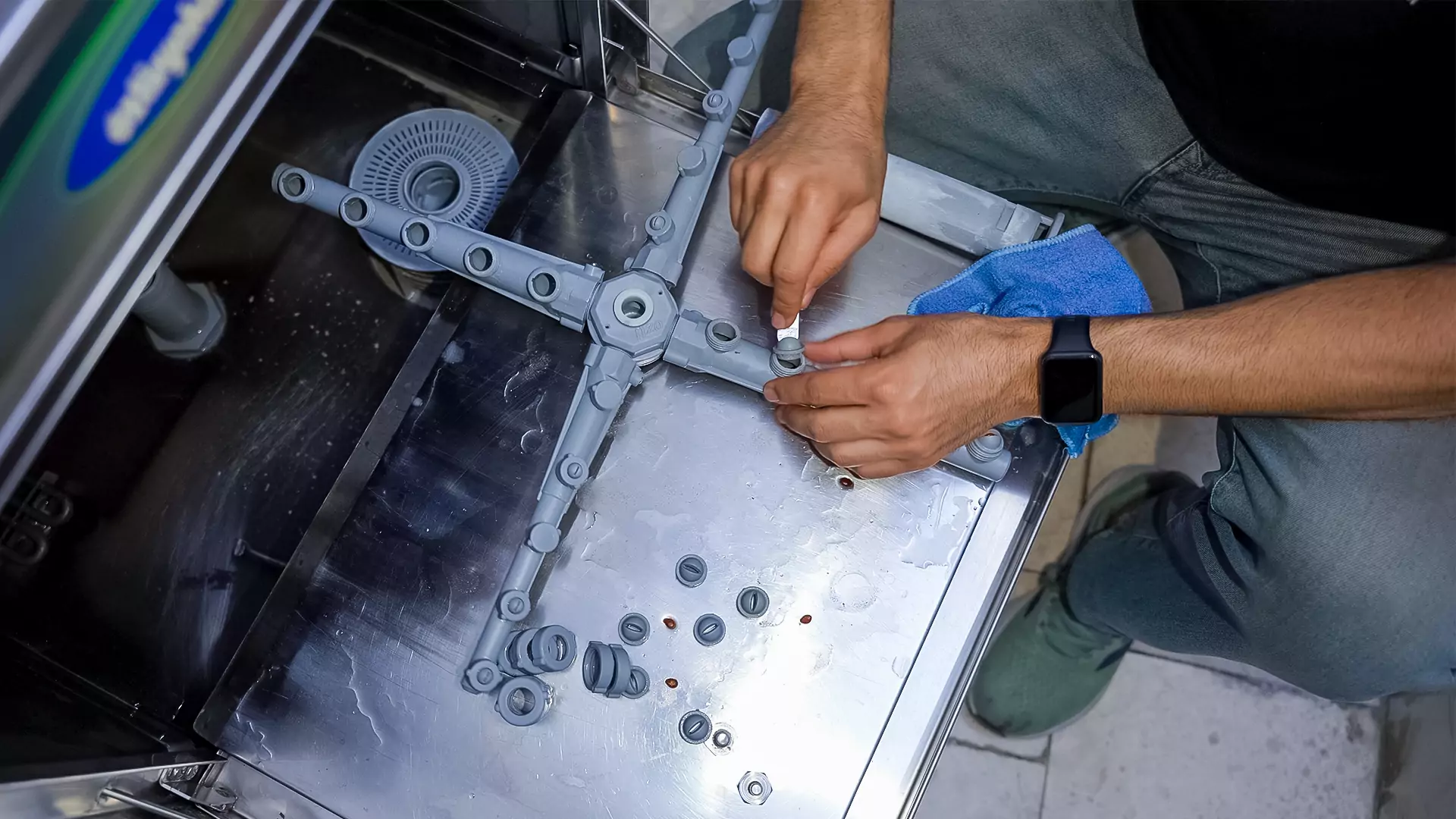
Maintenance and Cleaning of Industrial Dishwashers

How to Use Industrial Dishwashers
Frequently Asked Questions (FAQ)
Which Glasswasher Model Is Right for My Business?
Answer: Two factors should guide your choice of the most suitable model: your daily customer volume and the available space beneath the kitchen counter. If you operate a busy venue where tea and coffee service never stops and clean glasses are constantly needed, choose a machine with a high hourly basket capacity. In such high-volume locations, models with a drain pump that removes wastewater immediately can greatly speed up staff operations. If you run a quieter boutique venue, a compact, energy-efficient machine that does not restrict your kitchen space will be sufficient. Whatever capacity you choose, make sure the detergent and rinse aid pumps are factory-installed. This allows you to connect the machine directly to the utilities and begin using it without searching for additional parts or paying extra service costs later.
Can a Glasswasher Be Used at Home?
Answer: No. Glasswashers are not suitable for use in a standard home environment. Because they are designed for the intensive pace of commercial businesses, connecting them to domestic electrical systems may cause serious infrastructure problems. They also complete the wash process in approximately two minutes and therefore operate only with powerful industrial liquid chemicals rather than detergent tablets. Since they do not include the drying function commonly found in domestic dishwashers, they would be both costly and inconvenient for everyday household dishwashing.
What Should the Rinse Temperature of a Glasswasher Be?
Answer: The ideal rinse temperature for a glasswasher should be between 80 and 85°C. This high temperature is essential for completely removing detergent residue from glasses after washing and for fully meeting hygiene standards in your business. Because industrial machines do not have a dedicated drying fan like domestic appliances, glassware also relies largely on this very hot rinse water to dry naturally within seconds and without spotting after the basket is removed. If the machine's heating element cannot raise the water to these temperatures, the likelihood of cloudy glassware or white water marks increases considerably.
How Much Water and Energy Does a Glasswasher Use?
Answer: An average glasswasher uses approximately 2 to 3 liters of water per wash cycle and consumes around 3 kW of electricity per hour. When first switched on in the morning, the machine draws more energy to heat the water in the tank to the required temperature. Once the water is hot, however, the heating elements operate only to maintain that temperature, so electricity consumption remains relatively balanced throughout the day. These professional machines also clean and recirculate the water they take in, allowing them to operate continuously for hours during the busiest periods without placing an excessive burden on the business's water bill.
Is Rinse Aid Necessary in a Glasswasher?
Answer: Yes. Using rinse aid in a glasswasher is essential for the overall efficiency of the operation. Industrial machines do not have a hot-air drying fan like domestic appliances, so glassware depends entirely on the final hot-water rinse and the rinse aid to emerge dry. Rinse aid reduces the surface tension of water, allowing droplets to run off the glass quickly and preventing white water marks on items being served to customers. Without rinse aid, staff would need to dry each soaking-wet glass by hand, creating unnecessary pressure and wasted time during busy service periods.
What Is the Difference Between a Glasswasher and a Domestic Dishwasher?
Answer: The main differences between the two machines are their cycle times and operating principles. Domestic dishwashers take in and heat fresh mains water for every cycle, which can extend washing to several hours. Glasswashers keep the water in their tank continuously hot and complete the process in only one or two minutes. They also do not include the hot-air drying fan commonly found in domestic models. Instead, the glasses dry naturally within seconds after the basket is removed, assisted by 80-85°C rinse water and rinse aid. This speed-focused design prevents dirty glasses from accumulating on the counter even during the busiest service periods and keeps operations running without interruption.
Does a Glasswasher Dry Glassware?
Answer: No. Unlike domestic dishwashers, glasswashers do not have a separate fan system that blows hot air to dry the load. Instead, immediately after washing, the machine rinses the glasses quickly with 80-85°C water and rinse aid. When you open the door and remove the hot basket, the heat retained by the glass causes the items to dry naturally within seconds. This practical method allows service to continue without staff having to dry every glass by hand during busy periods.
Should a Water Softener Be Used with a Glasswasher?
Answer: No, installing an additional water softener is not technically required for a glasswasher to operate. However, if the mains water in your area has a high mineral content, deposits may accumulate on the machine's heating elements over time, reducing performance and causing unexpected repair costs. A simple device connected to the water inlet prevents limescale from reaching the machine, extending its service life and eliminating white marks on glasses served to customers.
Which Detergent and Rinse Aid Should Be Used in a Glasswasher?
Answer: Only low-foaming industrial liquid detergents and professional-grade liquid rinse aids should be used in glasswashers. Domestic tablets or powder detergents sold in supermarkets do not have enough time to dissolve during professional cycles lasting only one or two minutes. They can therefore leave residue on glassware and eventually block the machine's water channels. When the large containers of liquid chemicals are placed under the counter, the machine's dosing pumps automatically draw the precise amount required through hoses. Using the correct products prevents excessive foaming during busy service periods and allows all glassware to return to service immediately without marks.
Can Domestic Detergent Be Used in a Glasswasher?
Answer: No. Domestic detergent tablets or powders are not suitable for use in glasswashers. These standard household cleaners are formulated to dissolve gradually during programs lasting several hours, so they cannot dissolve properly during a commercial machine's very fast one- or two-minute cycle. Undissolved chemicals not only leave a gritty residue on glassware but can also block the machine's internal water channels and pumps, leading to substantial unexpected repair costs. To prevent such technical problems and obtain full performance from the machine, it is essential to use low-foaming industrial liquid detergents that the unit can draw directly from a container through its hoses.
What Does a Drain Pump Do in a Glasswasher, and Is It Required?
Answer: No. A drain pump is not mandatory for every location in which a glasswasher is installed. Its primary purpose is to force the wastewater collected at the bottom of the tank into the business's main drain after the wash cycle is complete. If the wastewater connection in your kitchen is installed in the wall above the machine's outlet, the water cannot rise to that level on its own and a drain pump must be included with the order. If the drain is at floor level and water can flow downward freely, gravity will handle the process and there is no need to pay extra for this component.
Can Glasswasher Rinse Aid Be Added Manually?
Answer: No. Pouring rinse aid directly into a glasswasher tank by hand is not an appropriate method. These professional machines are designed to inject a precisely measured amount of the chemical into the final rinse water through an integrated pump immediately after washing. If you open the door and estimate the amount manually, the chemical cannot perform its intended function and may create unwanted foaming that severely disrupts washing performance. To ensure glassware emerges without white water marks and dries naturally within seconds, use the rinse aid dosing pump that automatically draws liquid from the container beneath the counter.
Can a Glasswasher Be Installed on a Countertop?
Answer: Yes. A glasswasher can be installed and used on a sturdy countertop in a kitchen or bar area. Although these professional machines are generally manufactured and sold for undercounter installation, there is no technical obstacle to positioning one at eye level when required by the physical layout of the business. Because the machine becomes considerably heavier when filled with water, you should confirm the countertop's load-bearing capacity and arrange the wastewater connection with a suitable slope that does not restrict drainage.
Is a Glasswasher Suitable for Cafés, Bars, and Restaurants?
Answer: Yes. Glasswashers are highly suitable for continuously busy businesses such as cafés, bars, and restaurants. Attempting to keep up with hundreds of glasses soiled throughout the day using domestic machines can obstruct the entire operation. These units fit easily even into tight spaces behind a bar and clear accumulated glassware quickly with cycles lasting only two minutes. The substantial time savings allow staff to focus directly on guests and orders instead of struggling with piles of dirty glasses on the counter.
Can Plates Be Washed in a Glasswasher?
Answer: No. Washing standard dinner plates in an industrial glasswasher is not recommended. The internal capacity and door opening are designed for delicate items such as stemware, cups, and tea glasses, so placing large serving plates in the baskets is generally impractical. In addition, glasswasher filters and pump systems are specifically designed to remove liquid beverage residue. Heavy food debris from plates can quickly block the machine's strainers and narrow water channels, resulting in unexpected repair costs.
Does Every Glasswasher Have a Rinse Pump?
Answer: No. Not every glasswasher on the market includes a rinse pump as standard. Most standard undercounter models spray the final hot rinse water over the glasses using the business's own mains water pressure. If the water pressure at your premises is insufficient, adding a rinse pump to the order is extremely important for fully removing detergent from the glassware and distributing rinse aid evenly. This prevents foam residue and white water marks caused by low pressure and ensures consistent cleaning performance.
How Many Baskets per Hour Should a Glasswasher Handle Based on the Business's Average Daily Customer Volume?
Answer: The ideal basket capacity should be determined by the number of glasses and cups that accumulate on the counter during the business's busiest periods. For a standard-sized café or boutique bar, an undercounter machine capable of washing approximately 30-40 baskets per hour can comfortably handle the daily workload. If you operate a large restaurant with a constant stream of customers, you should consider a more powerful machine rated at 60 baskets per hour or more to avoid shortages of clean glasses behind the bar. When choosing, consider not only the number of tables but also the rapid turnover created by continuously refilled tea and back-to-back coffee orders.
At What Height Should a Glasswasher Be Installed to Minimize Staff Bending in Confined Spaces?
Answer: The ideal installation height places the machine door approximately 85-90 cm above the floor, at the staff member's waist level. Repeatedly bending down to handle heavy baskets throughout the day in a confined space can be extremely tiring. Instead of placing the machine directly on the floor, install it on a stainless steel stand or sturdy counter to eliminate this problem. The door will then be at a comfortable working height, reducing strain on staff and keeping glasswashing operations efficient even during the busiest periods.
To What Extent Do Integrated Automatic Detergent and Rinse Aid Pumps Reduce Staff Workload During Busy Periods?
Answer: These pumps are highly effective at reducing staff workload during busy periods. At the busiest times, requiring employees to measure and pour detergent into the machine for every cycle slows service considerably. Automatic pumps draw the precise quantity of chemical required from the container, leaving staff only to load the basket and start the cycle. This removes a major task during peak service, eliminates chemical waste, and prevents unnecessary operating costs.
How Should a Glasswasher's Freshwater and Wastewater Connections Be Planned so They Do Not Obstruct Other Industrial Equipment?
Answer: Route all utility pipes through unused spaces beneath the counters or conceal them within the wall. Behind a bar, equipment ranging from ice machines to espresso machines often has to be installed close together. Leaving thick water and drain hoses exposed makes it difficult to position other machines and creates a trip hazard for staff during busy periods. Plan the installation with your plumber from the outset and conceal all lines behind the cabinets without compromising the drainage slope. This will make kitchen operations considerably easier.
How Much Can a Glasswasher That Retains Hot Water Reduce Monthly Electricity Consumption Compared with Models That Reheat Water for Every Cycle?
Answer: Insulated machines can make a substantial difference to a business's monthly electricity bill. In conventional machines, the heating elements operate at full power to heat cold mains water from the beginning each time a basket is loaded. Models that keep water hot inside the tank need only small amounts of energy to maintain the temperature and therefore use far less electricity. At the end of the month, the savings achieved simply by eliminating repeated reheating can be clearly reflected in operating costs.
How Much Do Double-Walled Glasswashers Reduce Heating-Element Operating Time by Retaining the Water Temperature in the Tank?
Answer: Double-walled machines reduce heating-element operating time by an average of 30% to 40% compared with conventional single-walled models. The insulating space between two stainless steel layers retains the hot water in the tank like a thermos and prevents heat from escaping. Because the interior remains consistently warm, the large heating elements do not need to switch on repeatedly and reheat the water from the beginning. The lower electricity cost delivered by this heat-retaining body construction becomes clearly visible when monthly utility bills are calculated.
Overall Assessment
When selecting a glasswasher for your business, the key consideration is finding the correct capacity to meet the venue's daily customer volume. A machine with insufficient capacity may let you down during the busiest periods, while an oversized unit wastes water and electricity and strains the monthly budget. Once a machine that precisely matches the available space and workload is installed in the kitchen, the pressure of washing subsides and clean glasses reach service without interruption. If you want to carry this efficiency into beverage presentation and further improve customer satisfaction, you can also explore the professional products in the beverage equipment category on our website.