 Track Order


Wok Stoves
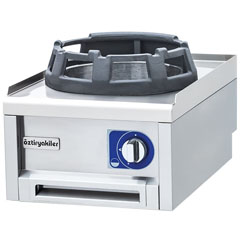
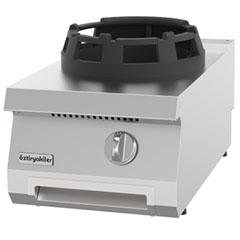
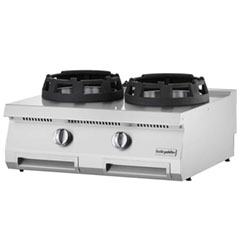
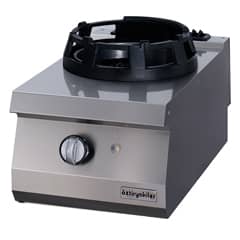
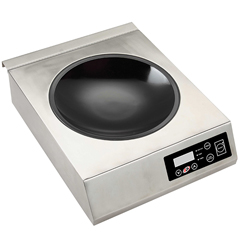
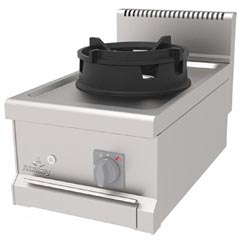
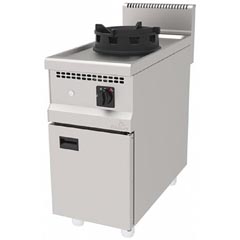
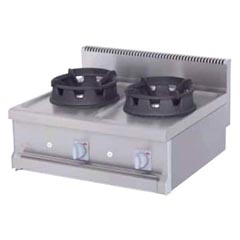
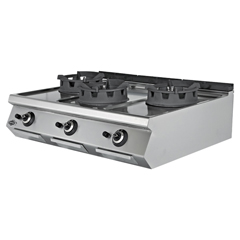
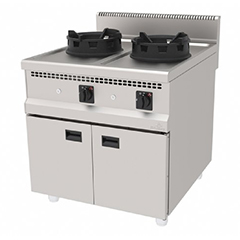
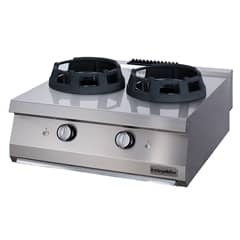
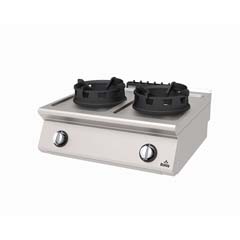
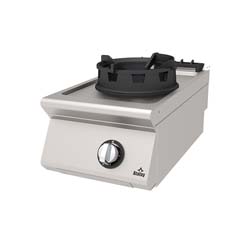
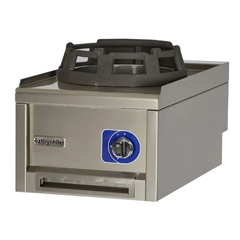
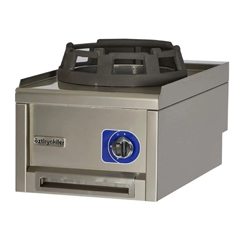
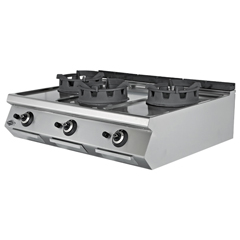
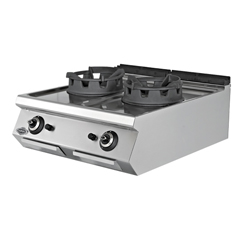
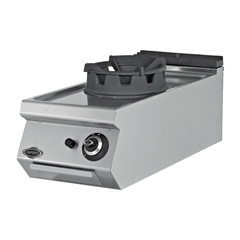
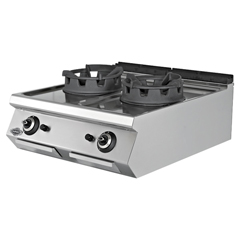
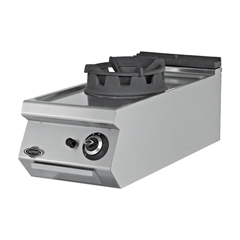
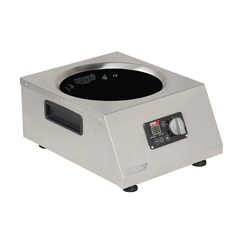
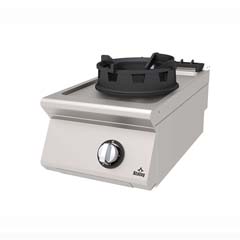
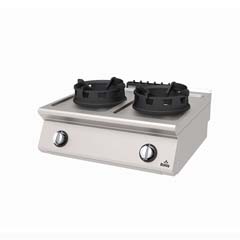
Dancing with Fire: Industrial Wok Ranges
The key to achieving "Wok Hei," the signature smoky flavor secret of Far Eastern cuisine, lies in industrial wok ranges with high-calorie combustion power. Unlike standard ranges, these devices are equipped with special burner designs that distribute the flame evenly and intensely to every point of the pan; they are the most powerful weapon in the kitchen for fast searing and instant cooking techniques. Commercial wok range models, offering unique performance to chefs racing against time for stir-fry, noodle, and vegetable sautéing in professional restaurants, lighten the load during peak service hours with their durable stainless steel bodies and ergonomic structures. In this article, we examine the most efficient wok range selections to bring the authentic texture of Asian cuisine to your business and the operational advantages of this high-heat cooking technology.
Professional Wok Range Types
The number of burners on a wok range is one of the most decisive factors for operational speed, depending on the production volume and counter layout of industrial kitchens. For small-scale enterprises, boutique restaurants, or kitchens offering limited Asian cuisine options, single-burner wok ranges provide high calorie power in a compact design, saving space. For kitchens receiving higher order volumes that need to prepare sauces or ingredients in different wok pans simultaneously, 2-burner wok ranges establish an ideal capacity balance. Meanwhile, massive 3-burner wok stations designed for high-circulation professional Asian restaurants and catering firms maximize service speed by allowing multiple chefs to work at the same time.
Commercial Wok Range Prices
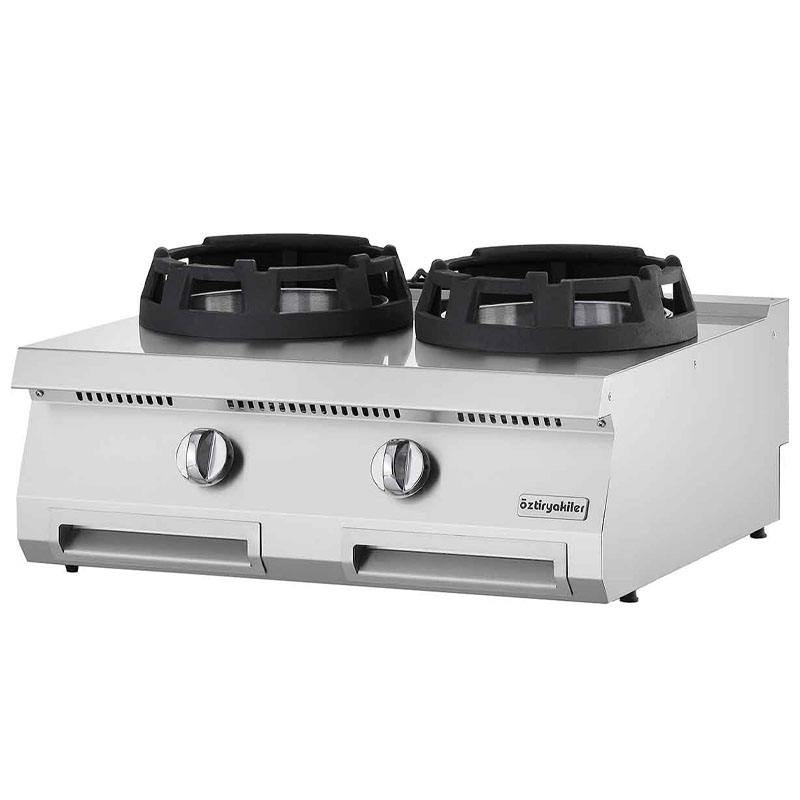
Commercial wok range prices vary based on many technical criteria, from the burner power and number of zones to the water-cooling systems and material quality used. Cast iron burners capable of reaching high calorie values and an AISI 304 quality stainless steel body structure are the primary elements determining the price scale. While entry-level single countertop wok ranges offer a more economical investment opportunity, professional 2-burner or 3-burner wok stations with water drainage channels are priced in a higher segment due to their intensive use capacity and ergonomic designs.
What Should I Consider When Buying a Wok Range?
Choosing the right professional wok range is a vital decision that directly determines the speed of your kitchen and the authentic flavor of the dishes you prepare. Before purchasing, you should carefully evaluate the burner power (kW/kcal), how intensely the flame focuses on the pan base, and the combustion technology that optimizes the air-gas mixture. Additionally, the durability of the cast iron rings that perfectly fit the round structure of wok pans and an ergonomic design that allows you to move the pan easily will be the chef's greatest aid during high-tempo service hours.
Another critical point is the cooling and hygiene features of the device. In these machines operating at high temperatures, water-cooled systems that prevent the top surface from overheating and drainage channels that allow easy discharge of waste water should be examined in detail. Remember, high fire power alone is not enough; the best wok range is the model that preserves its body structure even at extreme temperatures (usually AISI 304 stainless steel), ensures full safety with safety valves, and is optimized according to your business's intensity (single, double, or triple). For a more detailed and comprehensive guide, you can check our wok range buying guide.
Industrial Wok Range Brands
In the industrial wok range manufacturing sector, brands such as Öztiryakiler, Atalay, Empero, and Omake produce at world standards with their professional solutions. These brands, using heavy-duty cast iron burner systems and high-pressure resistant gas valves, make it possible for chefs to reach the extreme temperatures needed for techniques like stir-frying within seconds.
Related Blog Posts
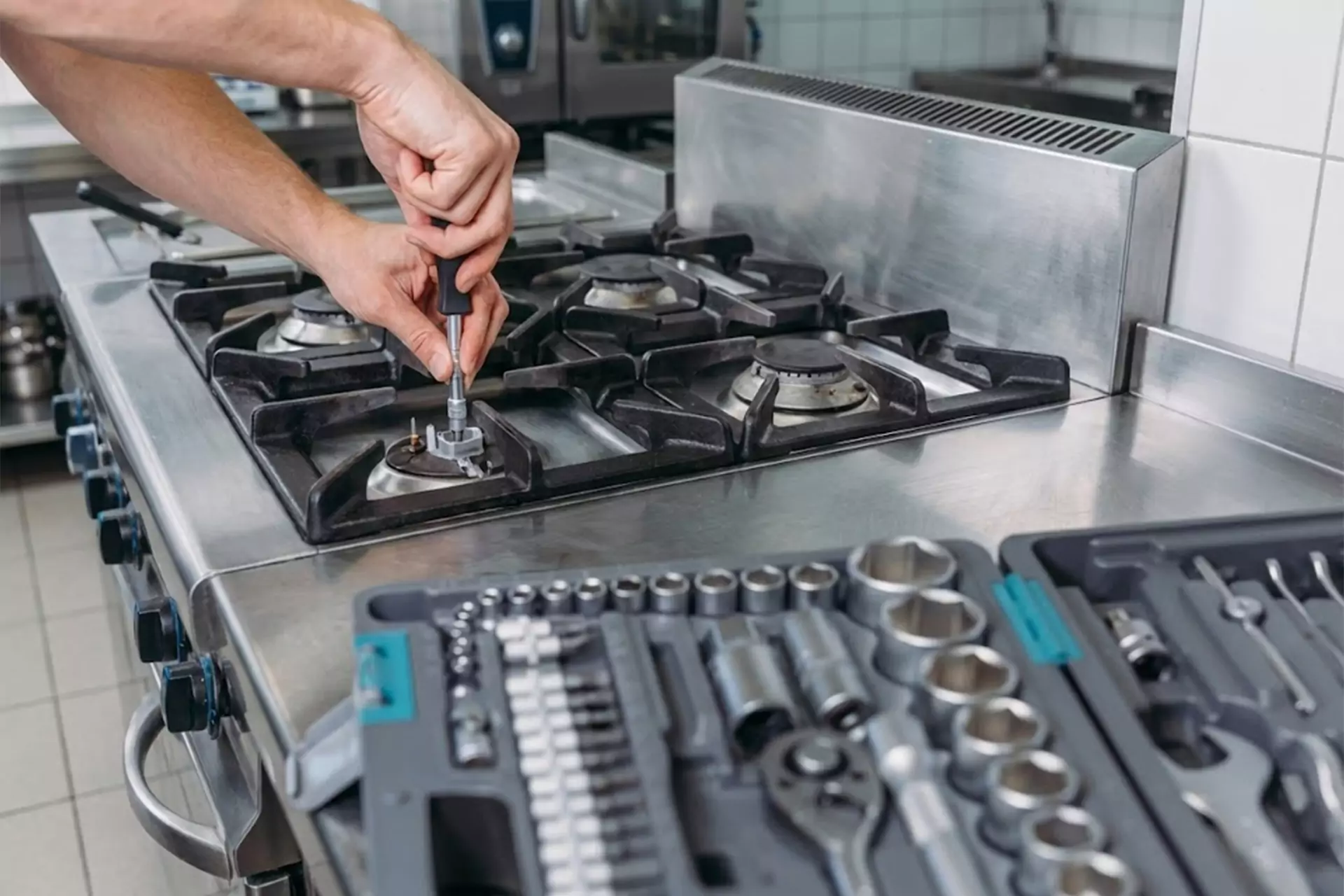
Industrial Range Faults: Causes and Solutions
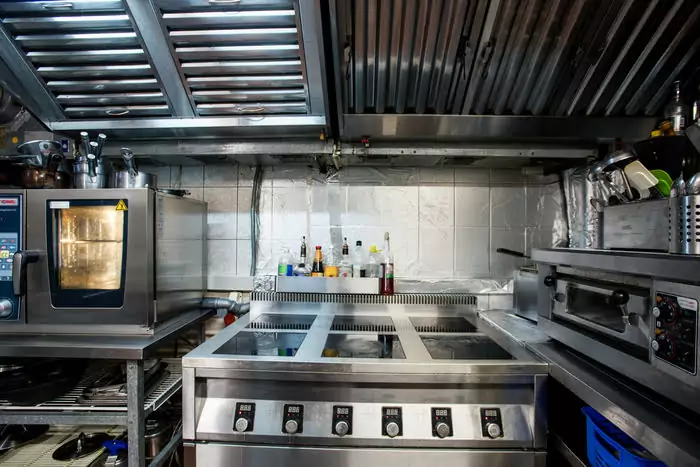
What is an Induction Cooktop?
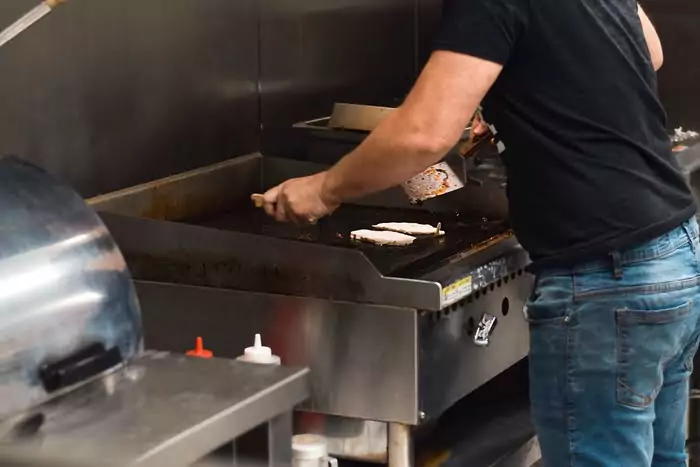
What is a Hot Plate? Advantages
Frequently Asked Questions About Wok Ranges
Question: What is the main difference between wok ranges and normal gas ranges?
Answer: Wok ranges are equipped with burners that have a much higher calorie (kW) value. While standard ranges are designed for slow cooking, wok ranges produce an intense and upright flame power that brings the base of the pan to searing temperatures within seconds.
Question: Why is a water-cooling system used in wok ranges?
Answer: In wok stations producing high heat, systems that constantly flow water across the surface are preferred to prevent the top plate from overheating and to keep the chef's workspace cool. This water also prevents spilled sauces from sticking to the surface, making cleaning easier.
Question: Can a domestic wok pan be used on these ranges?
Answer: It can be used, but the flame power of industrial wok ranges is too high for domestic pans. In professional kitchens, heavy-duty wok pans made of high-heat resistant carbon steel should be preferred.
Question: Why is burner structure important when buying a wok range?
Answer: The design of the burner determines how the flame hits the pan. Structures called "jet burners" or "volcano burners" focus the heat at the center, making fast searing—the essential technique of Asian cuisine—possible.
Question: Are these ranges only suitable for Far Eastern cuisine?
Answer: No. Wok ranges provide great time savings for meats that need to be seared very quickly, vegetable sautés, and all global recipes that require cooking at high heat in a short time.
Question: How is cleaning done on wok ranges?
Answer: If the device is water-cooled, food residues are easily swept into the drainage outlet thanks to the surface channels. On non-water-cooled models, the cast iron grates should be removed, and the burner holes should be periodically cleaned with a wire fırça to prevent clogging.
Question: Is there a gas cut-off safety feature on wok ranges as well?
Answer: Definitely. According to industrial kitchen standards, professional wok ranges also include safety valves (thermocouples) that automatically cut off the gas if the flame goes out.
Question: What should the ventilation be like for a wok range installation?
Answer: Since wok ranges produce very high heat and steam, they must be installed under a powerful hood system. Inadequate ventilation rapidly increases the kitchen temperature and reduces working comfort.