 Track Order


Sand Coffee Makers
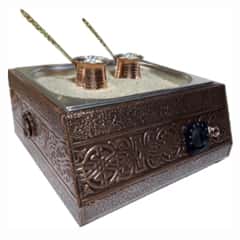
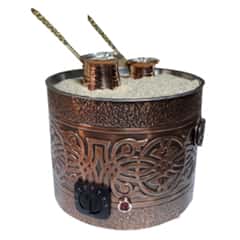
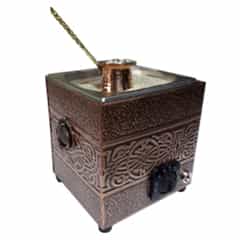
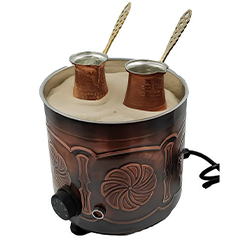
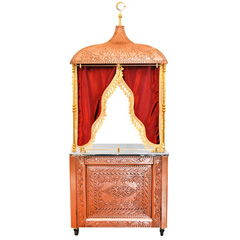
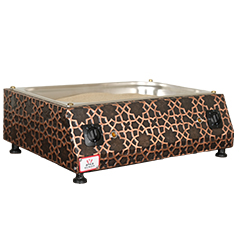
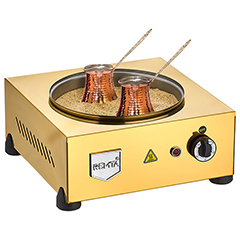
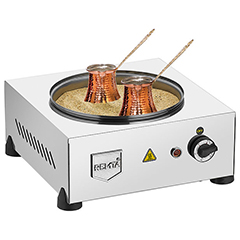
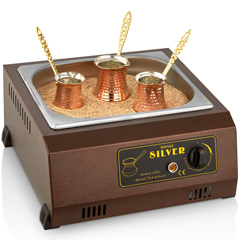
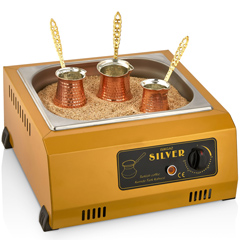
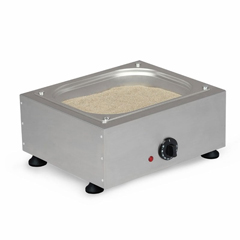
A Classic Taste of Embers: Sand Coffee Machines
Sand coffee is a unique brewing method rooted in Ottoman cuisine, bringing the most authentic and delicious form of the Turkish coffee ritual to the present day. The secret of these machines lies in spreading the heat homogeneously not just to the base of the pot (cezve), but to every point via the hot sand surrounding its body. Instead of direct contact with fire, the coffee cooks "slowly" in the consistent heat of the sand, allowing the beans to release their essence into the water without burning. This results in a coffee that is not bitter, extremely smooth to drink, with preserved aroma and plenty of foam; offering a smoky and deep flavor as if cooked on embers.
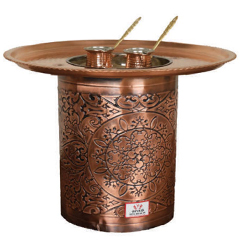
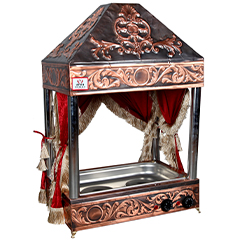
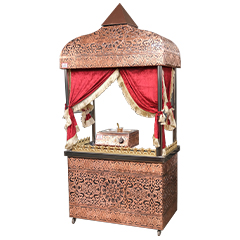
Combining traditional flavor with modern technology, electric sand coffee machines are designed both to create a nostalgic corner in homes and to offer a visual feast to customers in cafes wanting to reflect historical taste. Usually adorned with aesthetic copper engravings, their outer bodies and special heating systems quickly bring the sand to the ideal cooking temperature and keep it stable. This enchanting presentation, made by gently moving copper pots over hot sand, transforms coffee service from a simple treat into an unforgettable experience. Furthermore, for businesses wishing to elevate their presentation, sand coffee machines with presentation carts are also available. Let's examine the types of sand coffee machines:
Types of Sand Coffee Machines
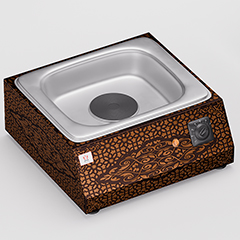
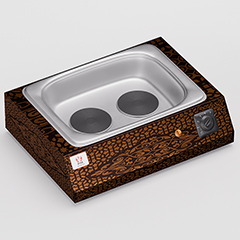
Countertop Sand Coffee Machines:
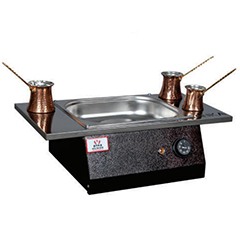
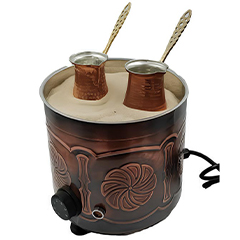
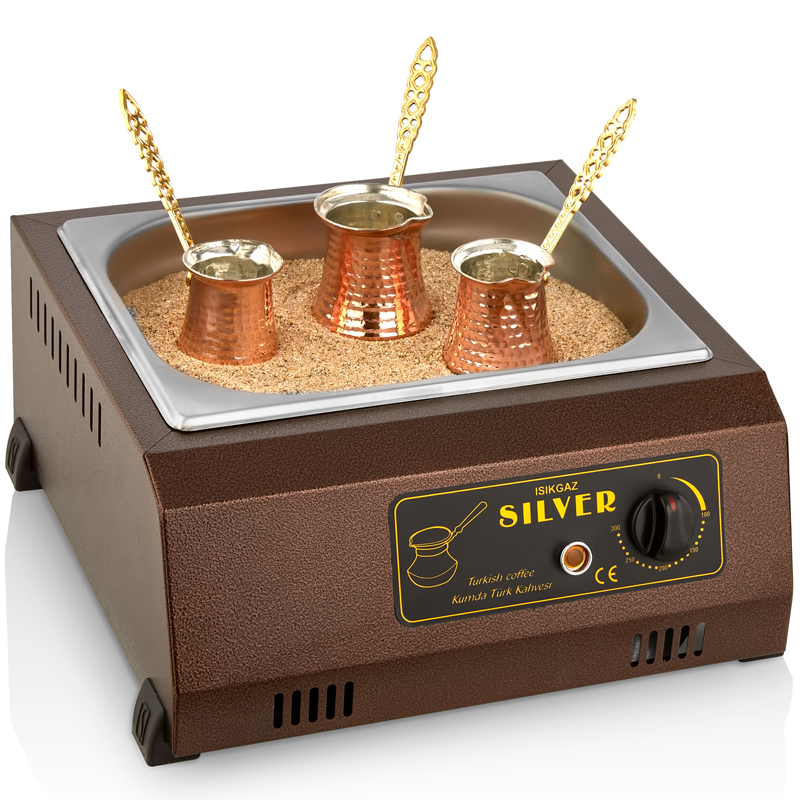
Standing out with their compact design and portable structure, countertop sand coffee machines are ideal for boutique cafes, offices, and home users who want to keep the traditional "ember coffee" taste alive even in tight spaces. Thanks to their electrical infrastructure, these models are ready to use as soon as they are plugged in, offering maximum performance while taking up minimum space on the kitchen counter or bar. Generally adding decorative elegance with copper-engraved outer bodies, these machines quickly bring the sand to the ideal temperature with special heating technology; thus allowing you to practically prepare plenty of frothy coffees cooked over slow heat.
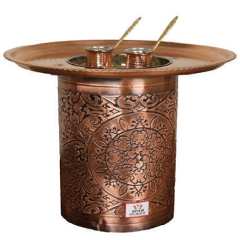
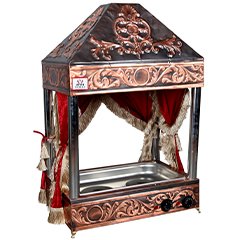
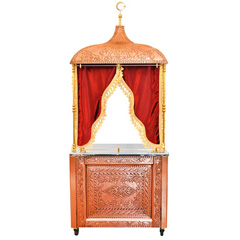
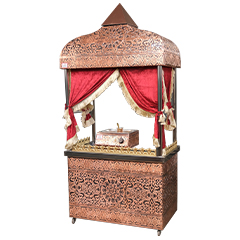
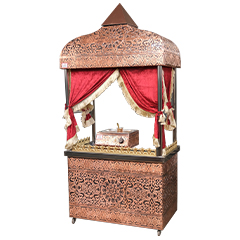
Sand Coffee Machines with Presentation Carts
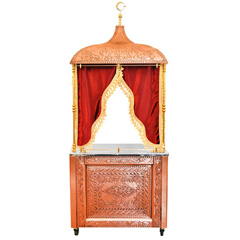
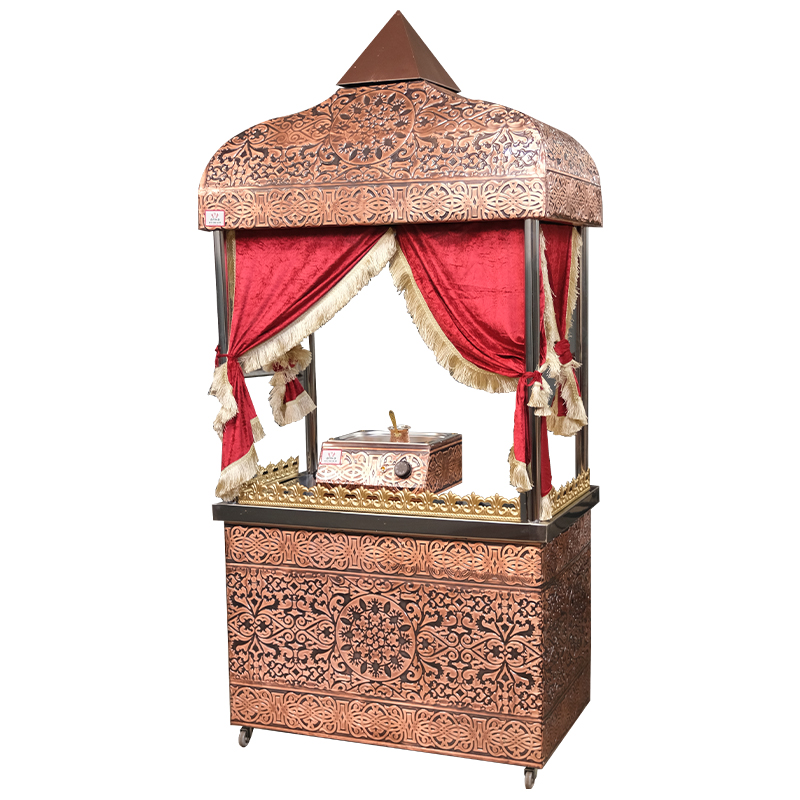
Preferred by hotels, restaurants, and tourist establishments that want to offer their customers not just a coffee but an unforgettable visual feast, wheeled sand coffee stands completely change the atmosphere of the venue with their nostalgic design. Thanks to their wheeled and mobile structure, these models can be easily moved to gardens, lobbies, or event areas, functioning as an independent coffee station. Allowing service with multiple pots simultaneously thanks to their large sand pool capacity, these flashy carts create an authentic attraction center that draws guests' attention, increasing coffee sales potential and brand prestige.
Sand Coffee Machine Prices
The prices of sand coffee machines vary according to the quality of the product's structure and whether the product is a countertop model or a stand unit. There are sand coffee machines suitable for the needs and requests of every business.
What Should I Look for When Buying a Sand Coffee Machine?
It is important to choose the right sand coffee machine when bringing traditional flavor to your business or home. Heating time, sand capacity, energy efficiency, and the quality of the material used (copper/steel) are the main factors to consider. You can check our guide to determine the model that best suits your needs.
Our Videos
Vosco KD-CG018 Barista Type Coffee Grinder Digital, Precise and Professional Grinding! ☕#coffee
The best grinding experience for coffee enthusiasts is here! ☕🔥 Vosco KD-CG018 Barista Type Digital Coffee Grinder is designed to bring out the aroma of your coffee in the best way. So, why is this coffee grinder so special? Here are the advantages offered by Vosco in full detail!
Bravilor Bonamat Novo Filter Coffee Machine 1.7 Liters of Coffee in 5 Minutes Without Water Connection!
In today's video, we are examining the Bravilor Bonamat Novo Filter Coffee Machine, one of the most practical solutions for professional kitchens, in detail.
Öztiryakiler Mini Barista Espresso Machine Detailed Review!
In this video, we examined the Öztiryakiler Mini Barista Single Group Espresso Machine with Grinder, which offers a professional coffee experience, in detail at the Mutbex Experience Center!
Sand Coffee Machine Brands
In the sand coffee machine manufacturing sector, there are brands such as Remta, Ateşe, Gumbala, and Silverinox. These brands have established their own quality standards in the products they produce.
Related Blog Posts
Alternative Coffee Equipment That Increases Quality in Cafes
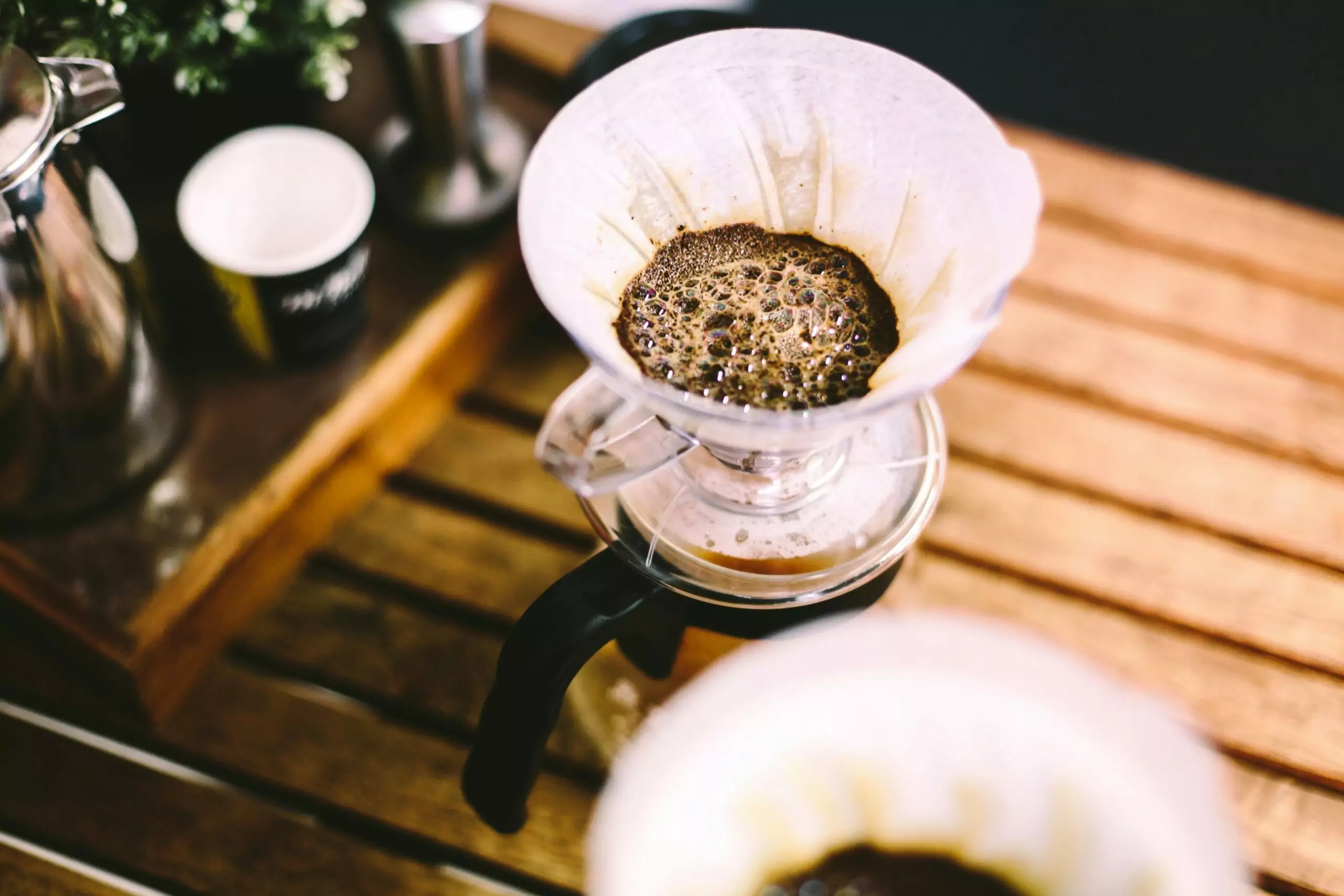
8 Different Techniques for the Perfect Cup
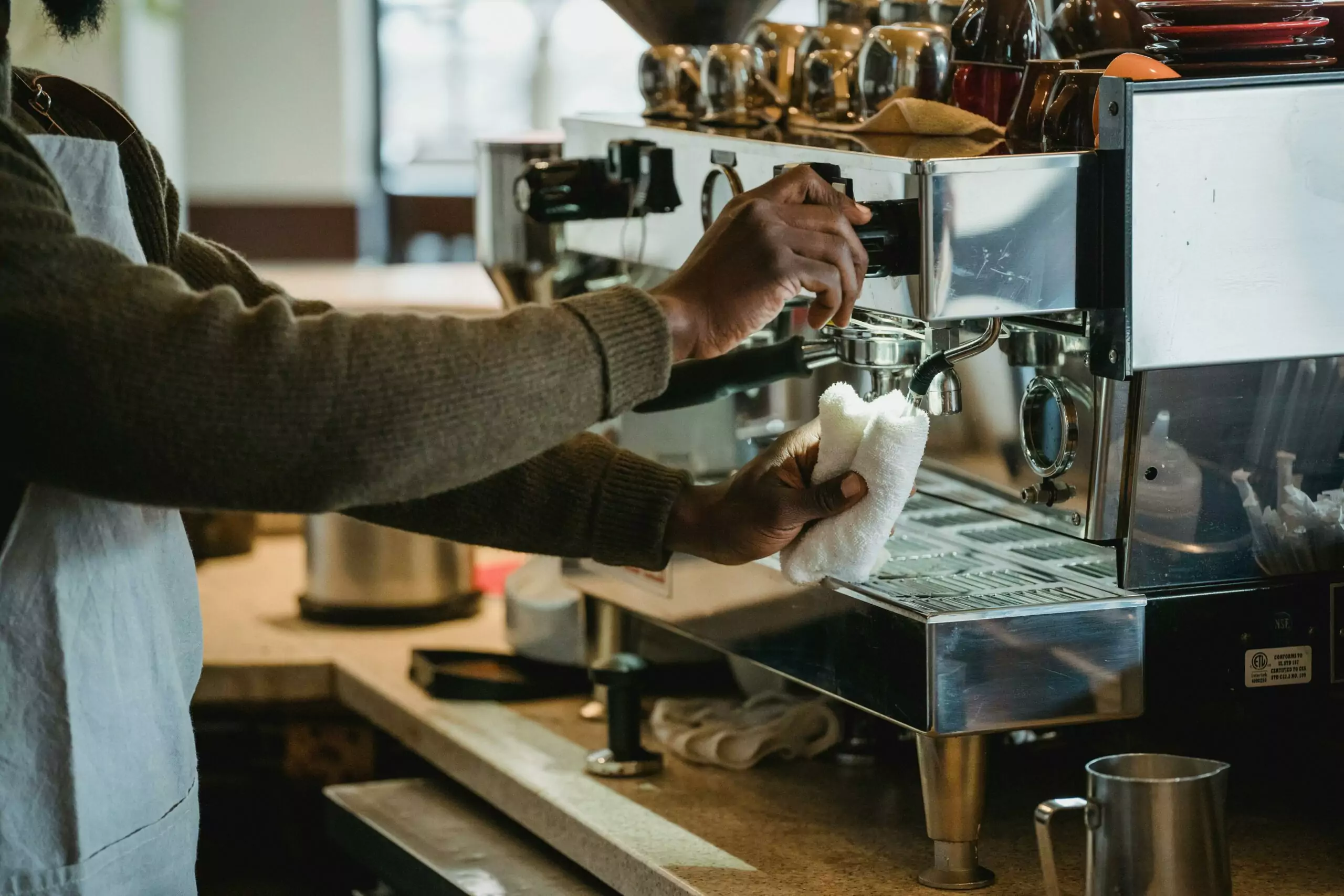
Coffee Machine Cleaning and Maintenance Guide
Frequently Asked Questions About Sand Coffee Machines
Question: What type of sand should I use in the machine? Will ordinary sea sand work?
Answer: Absolutely no ordinary sea sand should be used. Sea sand emits a bad odor when heated due to salt and organic matter and is not hygienic. "Silica Sand" or "Olivine Sand," which are specially produced for these machines, have high heat conductivity, and are sterilized, should be used. These special sands are odorless, retain heat for a very long time, and are suitable for food contact.
Question: How often should the sand be changed?
Answer: The sand does not have a specific expiration date. However, if coffee spills from the pot into the sand during use, the sugar and grounds burn, causing clumping and odor within the sand. You can use it for years by cleaning the spilled parts with a spoon or passing the sand through a fine sieve at regular intervals. It is sufficient to replace it with new sand when it gets very dirty or diminishes.
Question: Which types of pots (cezve) should be used?
Answer: The ideal material for sand coffee is copper pots. Since copper is the metal with the highest heat conductivity, it instantly transmits the heat in the sand to the coffee. Steel pots can also be used, but they may not provide a cooking performance as fast and homogeneous as copper. Additionally, copper pots are the complement to this concept in terms of visual presentation.
Question: Does the sand coffee machine consume a lot of electricity?
Answer: These machines are generally thermostatically controlled. When the sand reaches the desired temperature (usually in the 200-300 degree range), the resistance deactivates. Since sand is a material that retains heat very well, the machine does not have to operate frequently. Therefore, energy consumption is quite efficient compared to a commercial device that stays on constantly.
Question: Does sand coffee cook slower?
Answer: Yes, it cooks slightly slower than on normal stoves. The average cooking time is around 2-3 minutes. This duration is ideal for the formation of the coffee's foam and the settling of its aroma.
Question: Is it suitable for home use?
Answer: Yes, especially small models known as "countertop" (single or double pot capacity) are quite suitable for home kitchens. They operate with a standard 220V outlet and can be used safely under a range hood.
Question: How long after plugging in the machine can I make coffee?
Answer: Heating sand takes longer than heating water. Depending on the size of the machine and the amount of sand, it takes an average of 20 to 30 minutes for the machine to reach coffee cooking temperature upon first startup. However, once heated, thanks to the thermostat, it keeps the temperature constant throughout the day, and you can serve consecutively without waiting.