 Track Order


Cube Ice Machines
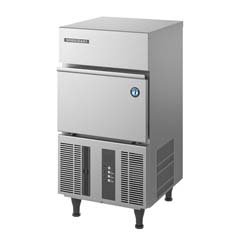
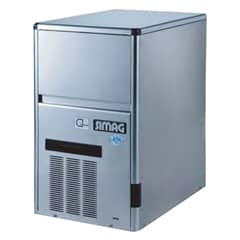
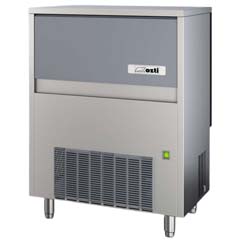
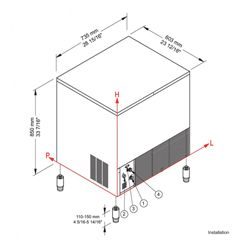
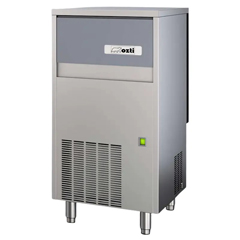
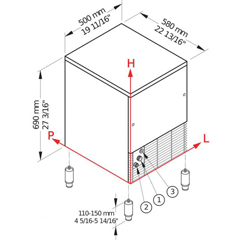
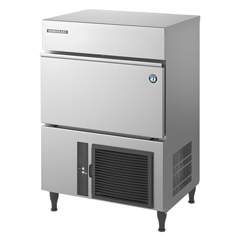
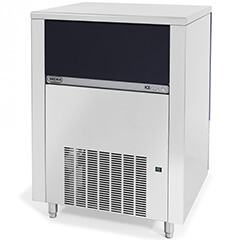
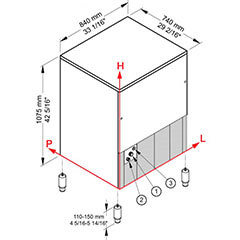
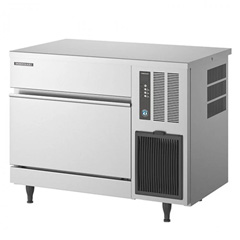
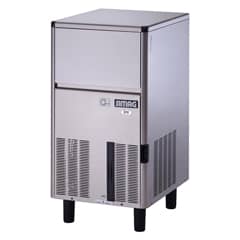
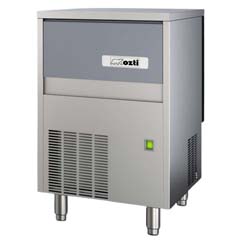
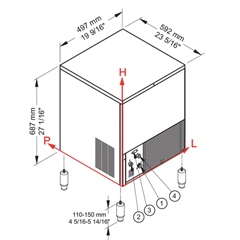
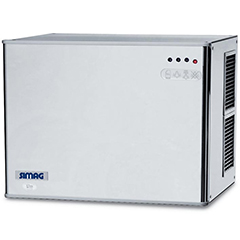
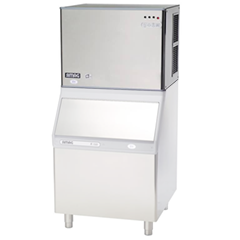
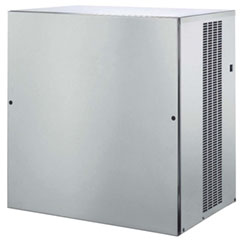
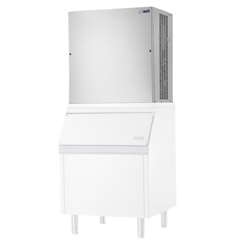
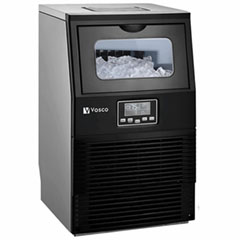
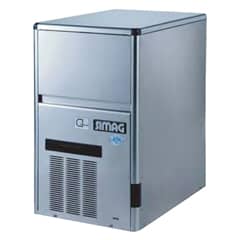
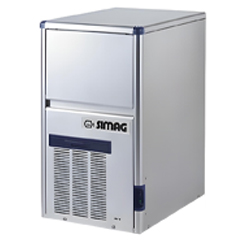
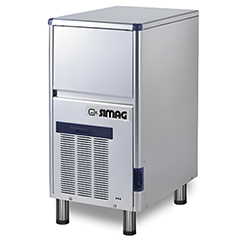
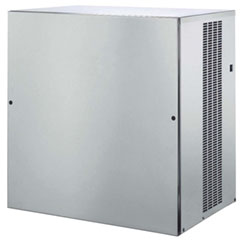
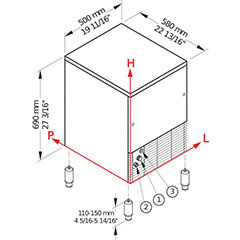
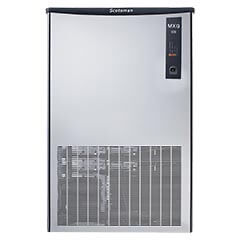
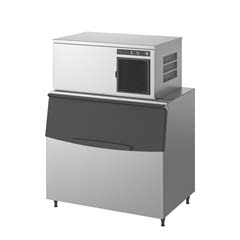
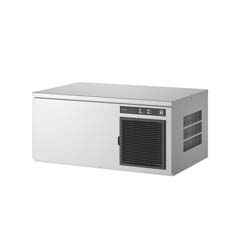
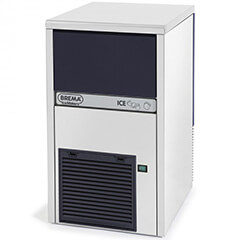
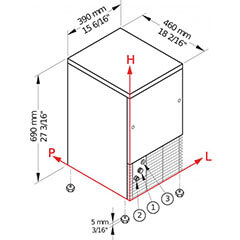
What Are Cube Ice Machines?
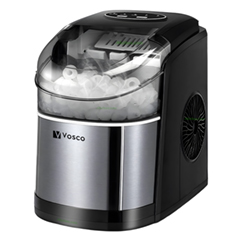
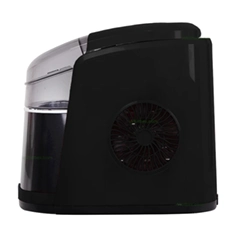
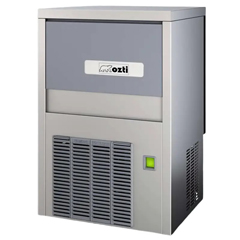
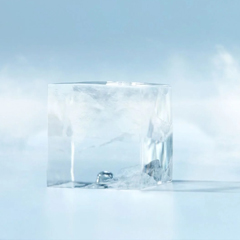
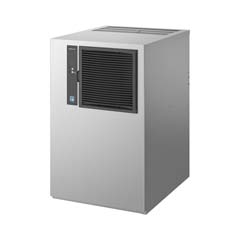
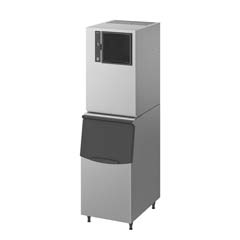
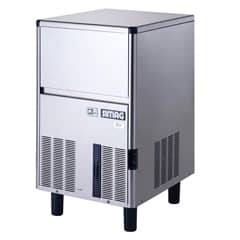
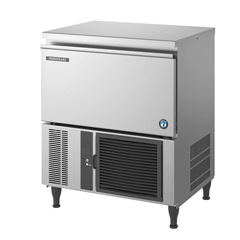
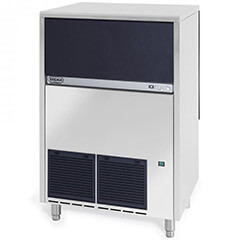
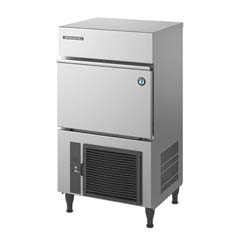
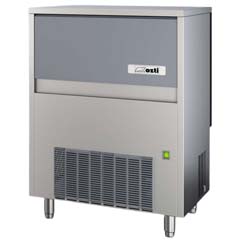
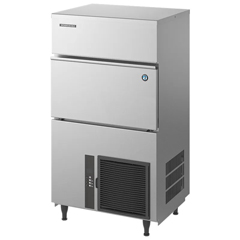
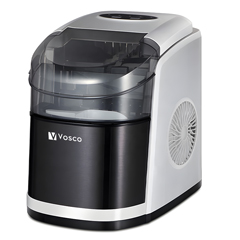
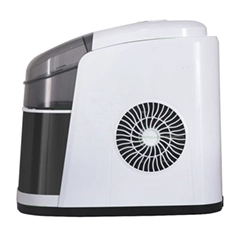
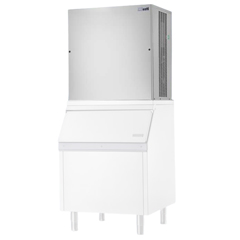
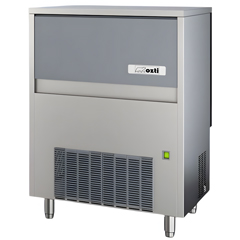
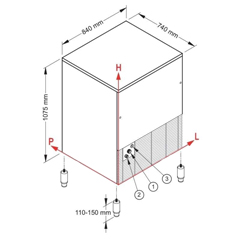
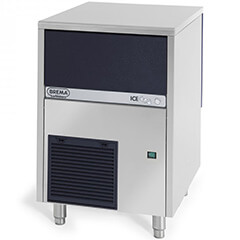
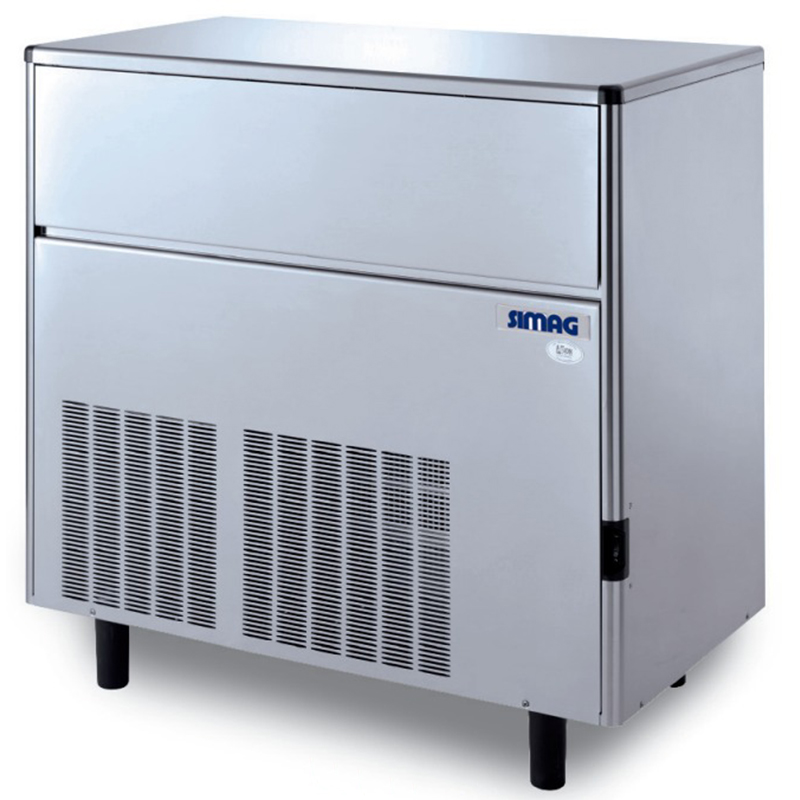
Cube ice machines are among the most preferred industrial ice machine types for restaurants, bars, hotels, cafes, and catering companies. They ensure beverages stay cold for a long time by producing regular and standard-shaped ice cubes. With their hard and slow-melting structure, they increase presentation quality and elevate the customer experience. Commercial ice machines, with daily production capacities ranging from 20 kg to over 1000 kg, cater to the needs of businesses of all scales. Commercial cube ice machines are divided into different types based on the size of the ice they produce and their intended use. It is important to know these varieties to choose the most suitable model for your business's presentation, service, and capacity needs.
Types of Cube Ice Machines
Standard Cube Ice Machines
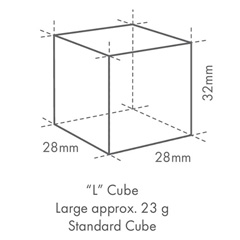
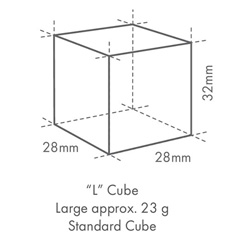
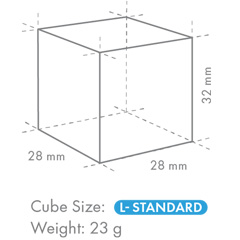
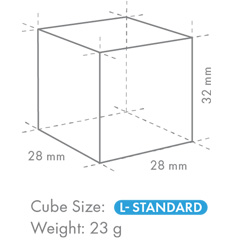
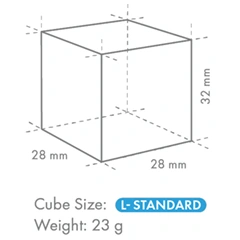
Standard cube ice machines produce hard and slow-melting ice in square or rectangular forms. They keep drinks cold for a long time without diluting the flavor. They are one of the most commonly used industrial ice machine types in bars, restaurants, and hotels.
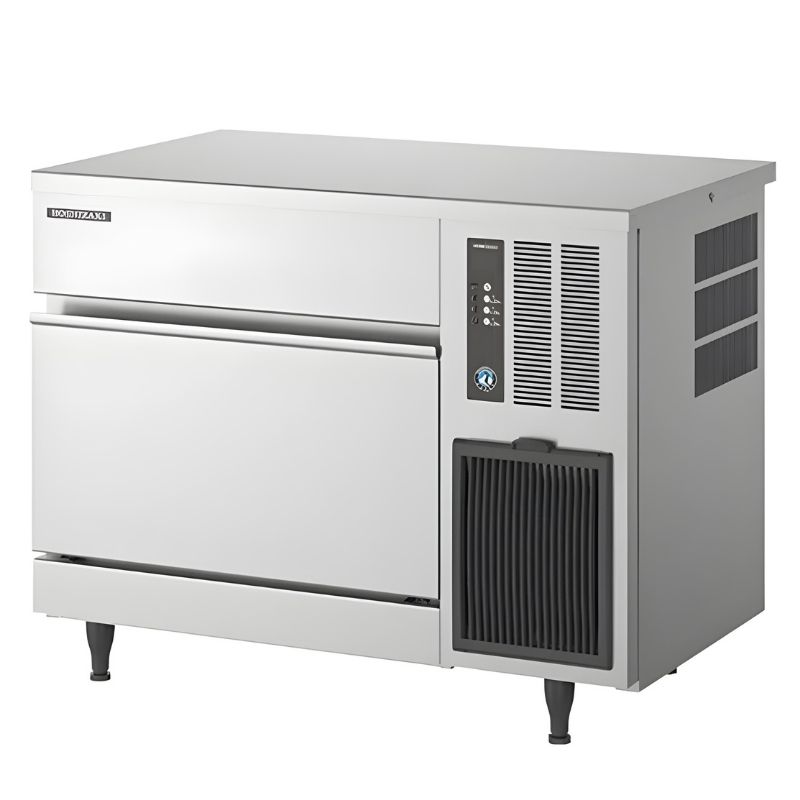
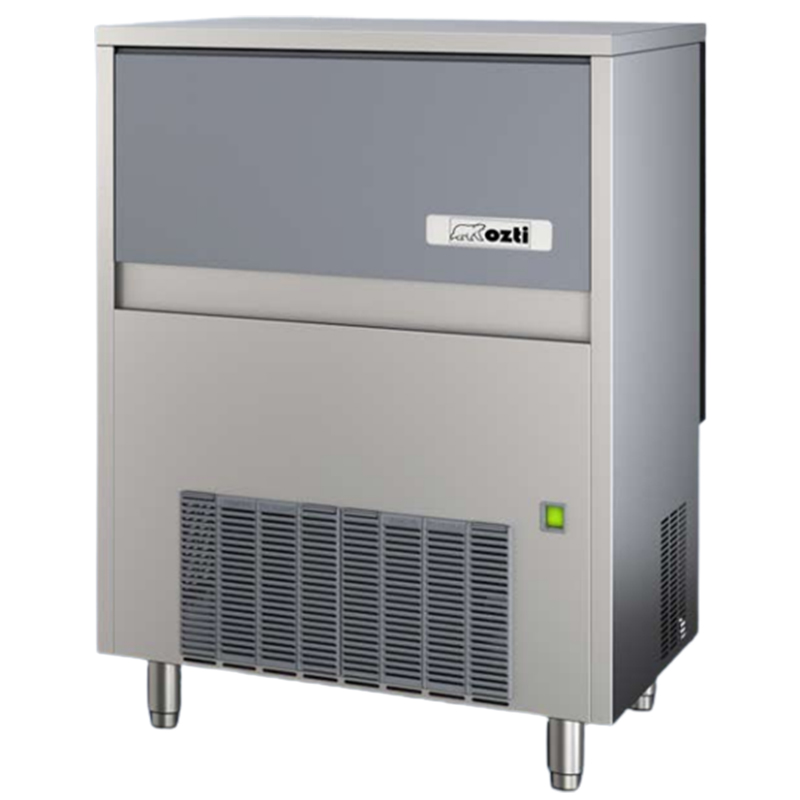
Gourmet Ice Machines
Gourmet ice machines produce crystal-clear ice in octagonal or cylindrical forms. Since they melt very slowly, they are preferred for whiskey and premium cocktails. With their aesthetic appearance, they are an ideal solution for luxury restaurants, hotels, and bars.
Half-Moon Ice Machines
Half-moon (crescent) ice machines produce ice in a semi-circular shape. They sit in the glass without sticking together, allowing liquids to flow freely. Since they melt slowly, they can be used for long-term beverage service. They are among the commercial ice machines frequently preferred in fast food restaurants, cafes, and hotels.
Bullet Ice Machines
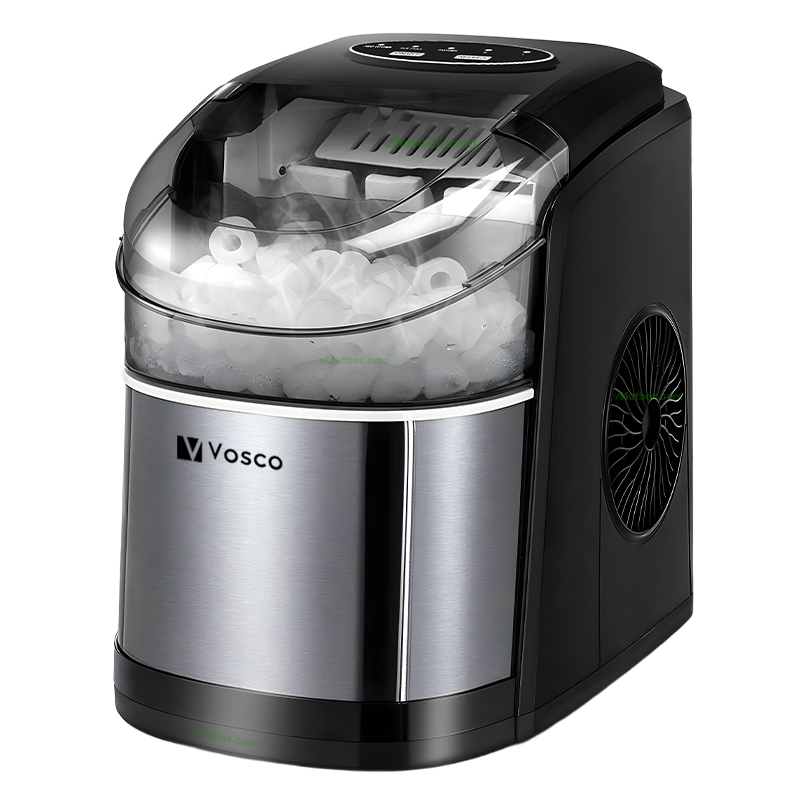
Bullet ice machines produce cylindrical ice with a hole in the middle. This structure increases the surface contact with the liquid, cooling drinks very rapidly. At the same time, thanks to its dense structure, it remains without melting for a long time. It is preferred in hotels, cafes, and bars, especially for iced coffee, cocktails, and alcoholic beverage service.
Our Videos
What to consider when buying.
In this video, we have compiled the important points you should consider when purchasing an ice machine.
How to clean ice machines?
In this video, you can find detailed information on how to clean ice machines.
Hoshizaki Ice Machines!
What are the differences between Hoshizaki ice machines and other ice machines?
What should I consider when choosing a cube ice machine?
- Select capacity by correctly calculating your daily ice needs.
- Determine the ice type suitable for your beverage and presentation style (cube, gourmet, half-moon, bullet).
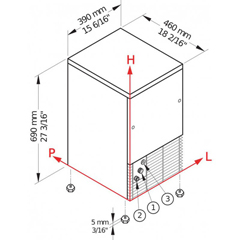
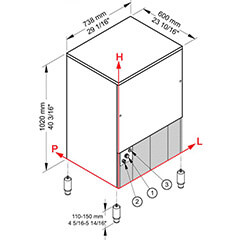
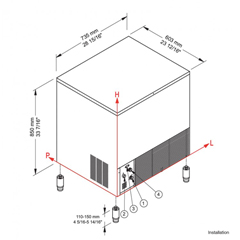
- Choose an industrial or commercial ice machine size suitable for the installation area.
- Select models with high energy efficiency and low water consumption.
- Pay attention to brand reliability, technical service network, and warranty period.
Related Blog Posts

Industrial Ice Types and Usage Areas

How Industrial Ice Machines Work

5 Important Factors to Consider When Buying an Ice Machine
Frequently asked questions about cube ice machines
Question: Which businesses are cube ice machines suitable for?
Answer: They are ideal for businesses that use a high volume of ice in beverage service, such as restaurants, bars, cafes, hotels, catering companies, and fast food chains.
Question: What types of ice can cube ice machines produce?
Answer: Depending on the model, they can produce standard cube ice, gourmet ice, half-moon (crescent) ice, or bullet ice.
Question: What is the difference between a cube ice machine and a flake ice machine?
Answer: Cube ice machines produce regular and aesthetic block ice used in beverage presentation. Flake ice machines produce irregular small pieces and are preferred for food cooling or display.
Question: How should cube ice machines be cleaned?
Answer: Regular cleaning, use of water filters, and condenser maintenance increase the machine's efficiency and extend its lifespan.
Question: How much energy does a cube ice machine consume?
Answer: While it varies by model, an average commercial cube ice machine consumes 300–600 watts per hour. Energy-efficient models provide savings in the long run.
Question: Which businesses is a 300 kg capacity cube ice machine suitable for?
Answer: Industrial cube ice machines offering 300 kg daily production capacity are suitable for large hotels, restaurant chains, catering firms, and production facilities.
Question: Why should I produce my own ice instead of buying ready-made ice?
Answer: Producing your own ice ensures hygiene, cost control, and uninterrupted supply. It increases operational efficiency and reduces external dependency.