 Track Order


Baking Equipment

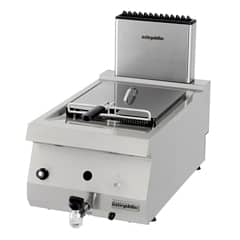
The Key to Culinary Excellence: Professional Cooking Equipment
The fundamental element determining the operational power of industrial kitchens is the quality and technological features of the cooking equipment. A restaurant's ability to maintain menu standards, increase service speed, and minimize food waste is directly related to the precision of the equipment used. Professional cooking solutions combine traditional methods with modern engineering to offer high thermal efficiency and long-lasting durability. Designed to suit every kitchen type, from small businesses to massive food production facilities, this extensive product range is the guarantee of flavor and efficiency in the world of gastronomy.
Types of Industrial Cooking Equipment
Grills
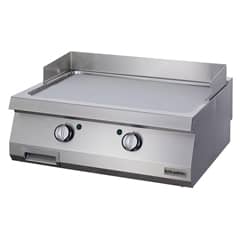
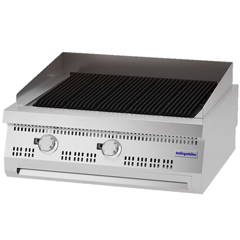
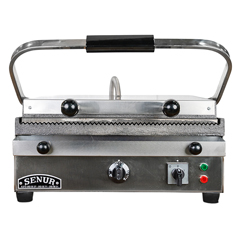
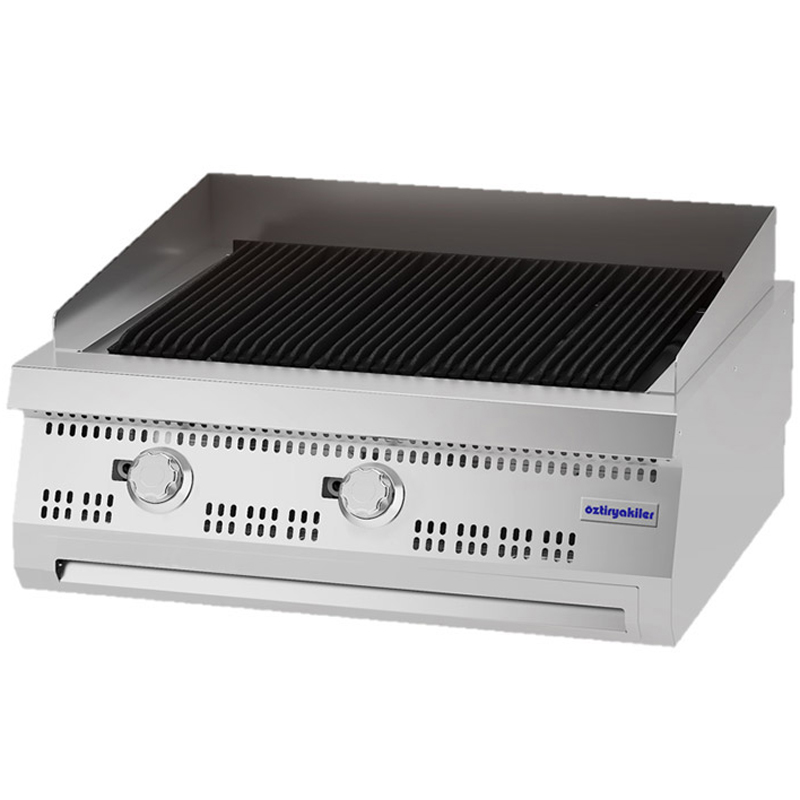
Ideal for all types of meat and vegetable cooking processes with flat, grooved, or chrome-plated surface options, industrial grills prevent food from sticking to the surface thanks to high thermal conductivity plate surfaces.
Cooking Ranges
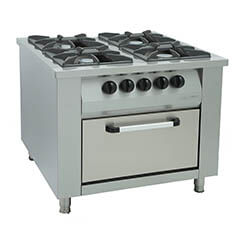
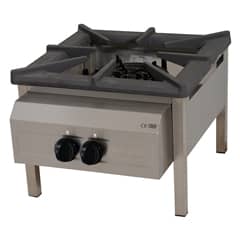
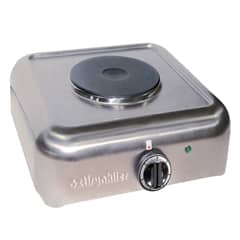
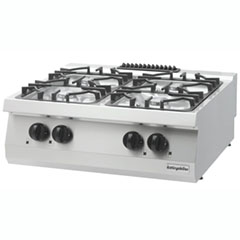
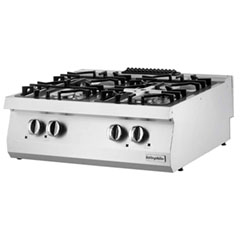
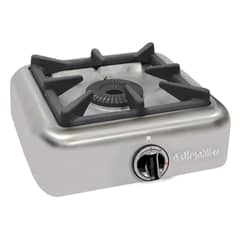
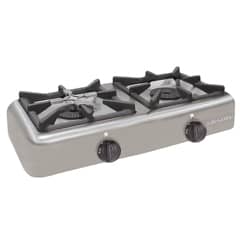
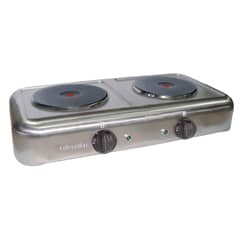
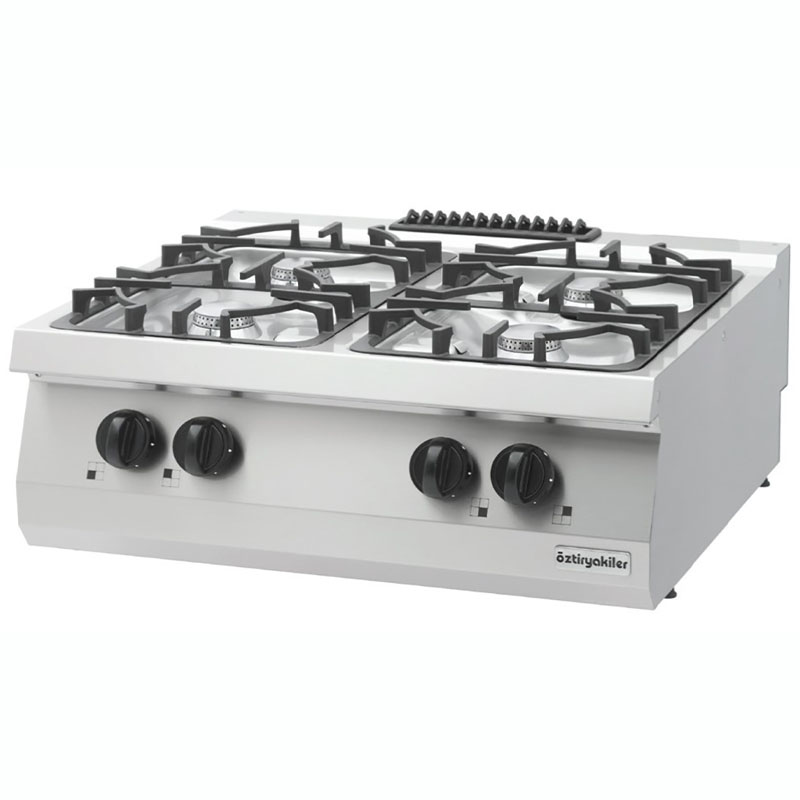
The cornerstone of industrial kitchens, industrial cooking ranges offer suitable heat power for all types of cookware with boiling table, countertop, or freestanding models. Professional models equipped with gas safety systems meet high safety standards.
Commercial Toast Machines
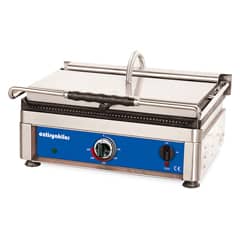
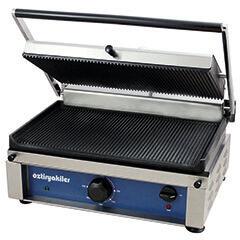
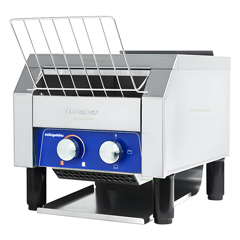
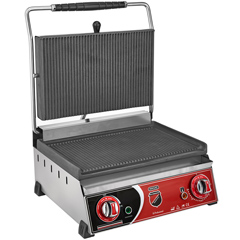
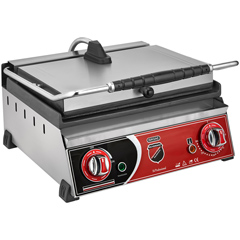
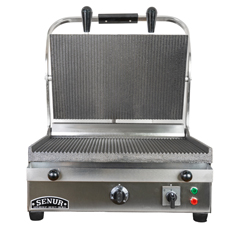
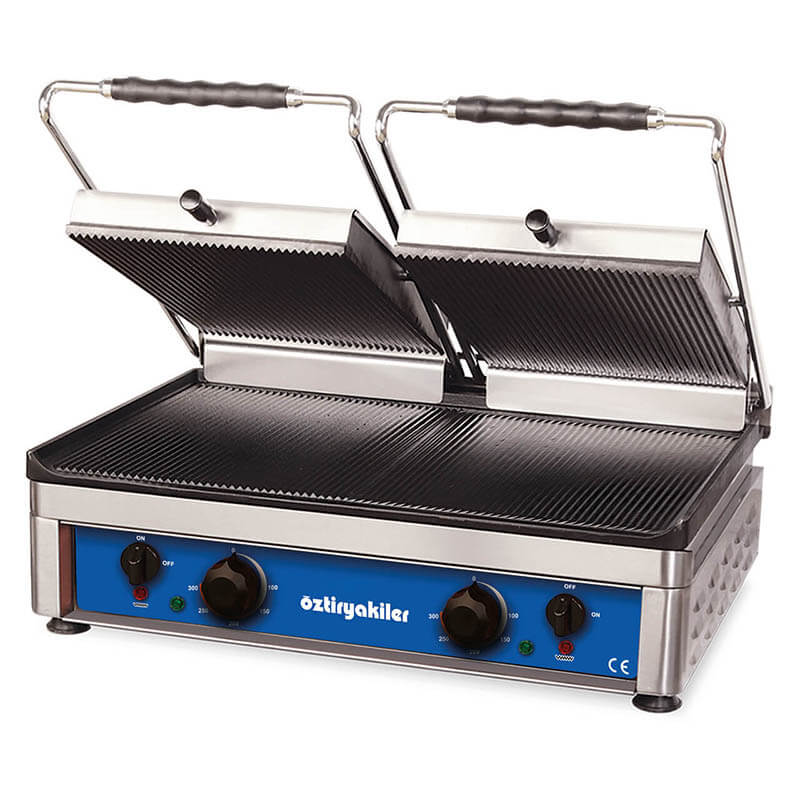
With cast iron surfaces and high pressure power, commercial toast machines produce fast solutions for snack bars and cafes. Their heavy-duty designs prevent plate temperature drop even during intensive use, allowing for mass production.
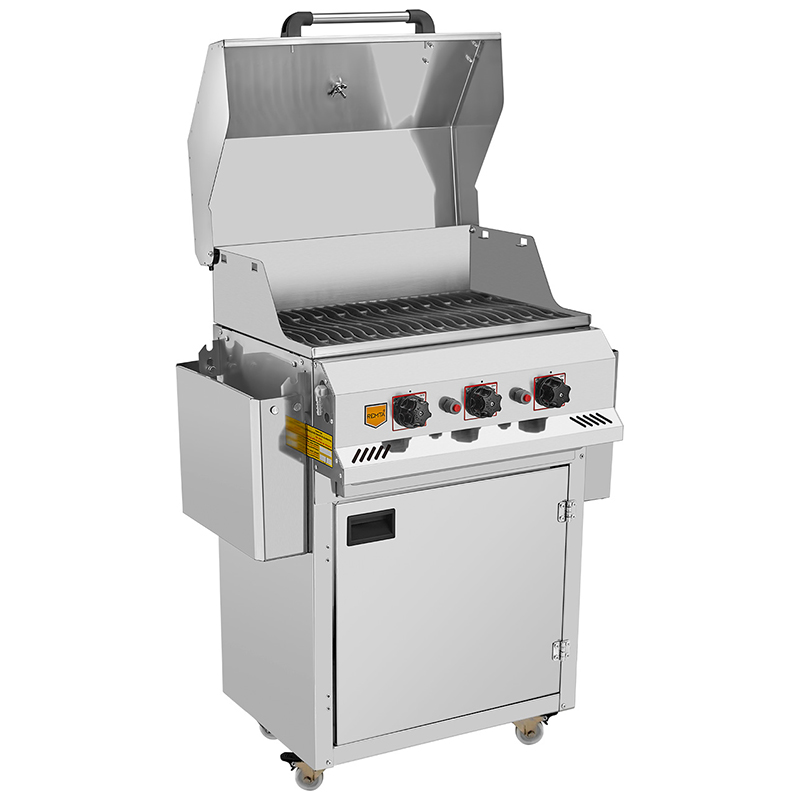
BBQ Grills
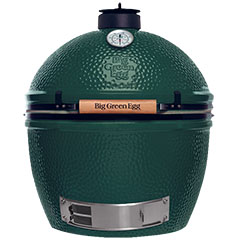
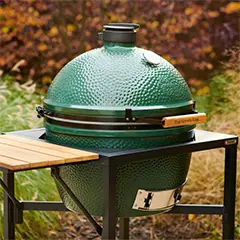
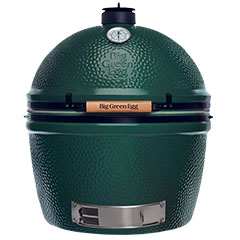
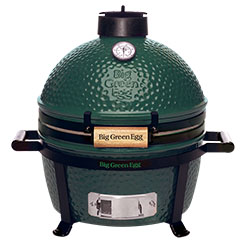
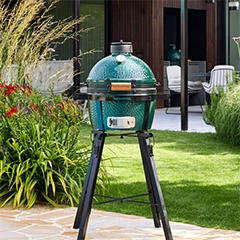
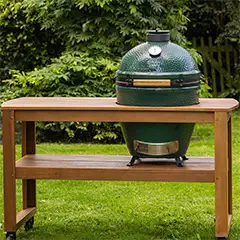
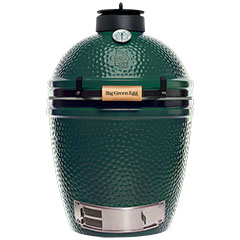
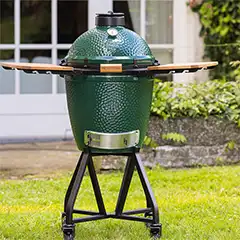
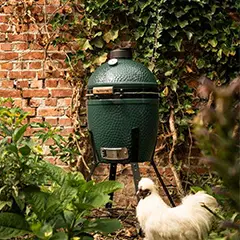
Designed to give that unique smoky flavor to meat, chicken, and vegetables in outdoor and indoor kitchens, BBQ grills distribute high heat homogeneously. Available in gas, electric, or charcoal options, these units provide professional searing results by retaining heat for a long time thanks to their cast iron grill structures.
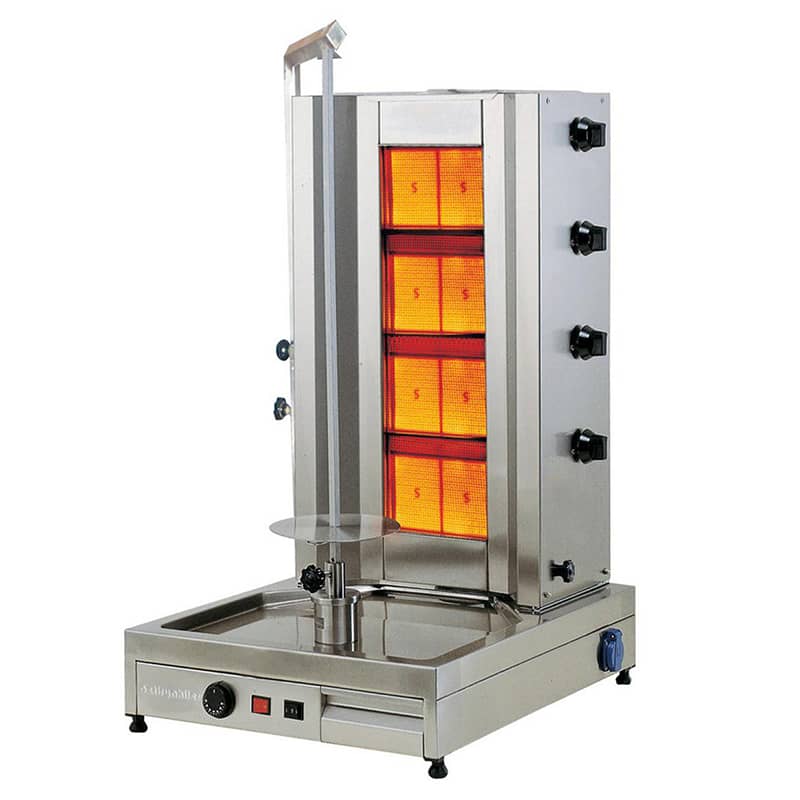
Doner Kebab Machines
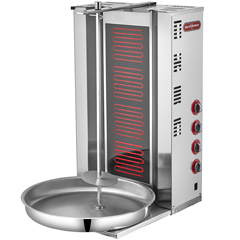
An indispensable part of Turkish cuisine, doner kebab machines cook the meat to be juicy on the inside without drying the outer surface with gas (radiant) or electric options. Motorized rotation systems and heat-resistant ceramic glass provide a hygienic and standardized cooking process.
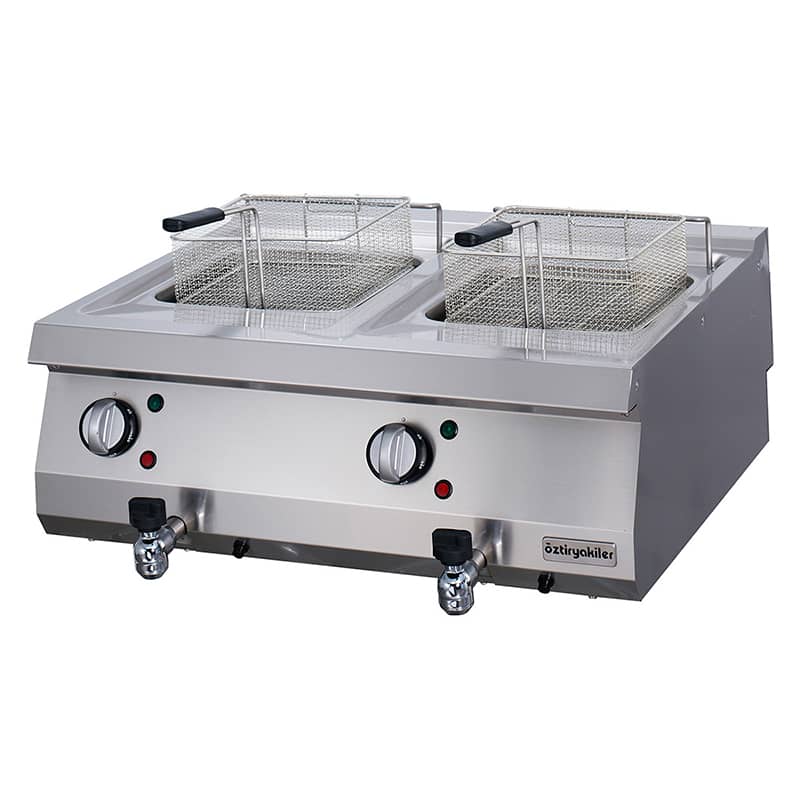
Fryers
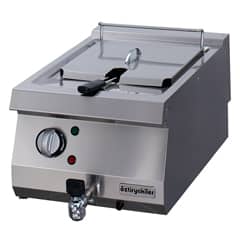
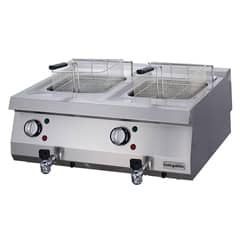
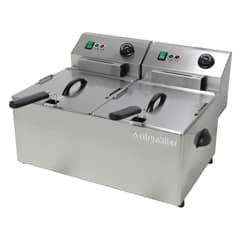
Ensures rapid cooking of foods such as potatoes, breaded chicken, and seafood in high-temperature oil. The precise thermostat control of fryers prevents the oil from burning, protecting both product quality and reducing operational costs.
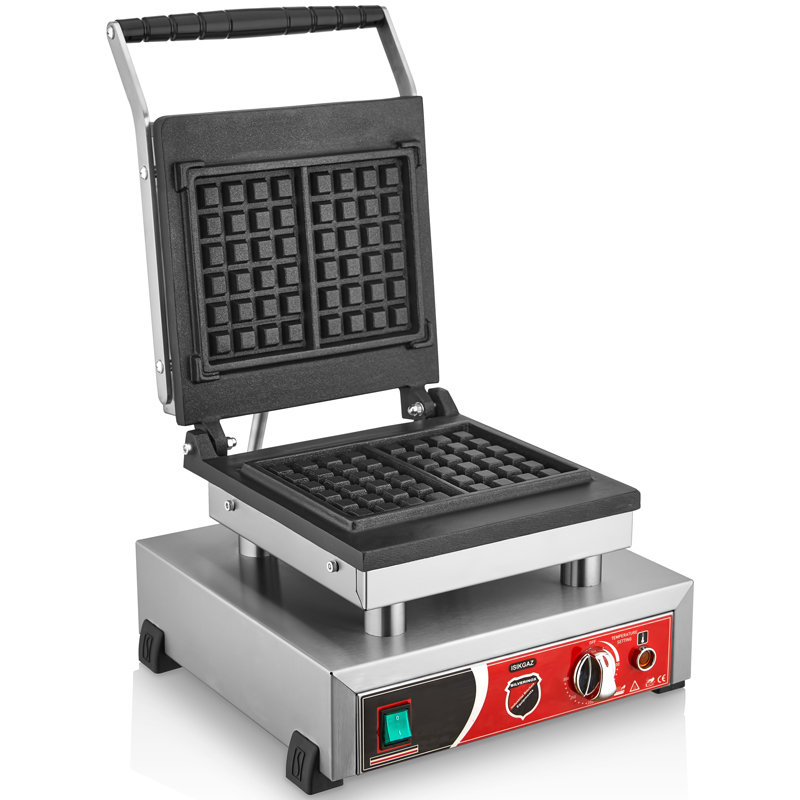
Waffle Makers
Maintains a crispy exterior and soft interior for waffle batter with cast iron molds of different patterns and depths. Waffle makers prioritize user comfort during busy service hours with heat-insulated handles and non-stick surfaces.
Pricing of Cooking Equipment
Prices for industrial cooking equipment are determined by the device's energy source (electric/gas), production capacity, and technological features.
- Material Quality: The use of AISI 304 grade stainless steel increases the price while ensuring long-term durability.
- Technology: Digital control panels, programmable cooking modes, and automatic cleaning features are factors affecting the cost.
- Capacity: There is price variety due to volume differences between a small countertop fryer and a double-well freestanding fryer.
What Should I Consider When Buying Industrial Cooking Equipment?
Choosing the right professional cooking equipment is the most strategic investment that determines your kitchen operation's sustainability, energy costs, and most importantly, the flavor standard of your plate. During the purchasing phase, you should analyze your kitchen's physical space and menu content to decide on the device's thermal efficiency, material quality, and operating principle (electric, gas, or induction). Especially stainless steel bodies with high thermal conductivity and heavy-duty plate surfaces ensure products retain their nutritional value and cook homogeneously by minimizing heat loss even during peak service hours.
Another critical point is technological precision and operational ergonomics. In industrial cooking units, thermostatic valves providing precise heat control, digital timers, and safety systems complying with safety standards should be non-negotiable technical criteria. The most efficient equipment is not just the one with high production capacity, but also the device with an ergonomic design that speeds up cleaning processes and offers energy-saving modes for a lower carbon footprint. You can check out our comprehensive buying guide to discover the right professional cooking solutions that align perfectly with your daily workload, offer strong spare parts support, and optimize your kitchen costs.
Professional Cooking Equipment Brands
The brands that have proven their durability and performance in the sector are as follows:
- Local Leaders: Öztiryakiler, Empero, and Inoksan are pioneers in Turkey and the global market with their extensive service networks and high-quality production.
- Global Giants: Rational and Unox (oven technologies) and Hamilton Beach (prep and cooking aids) are in the premium segment.
- Expert Brands: Sirman in sous-vide technology, and brands like Remta and Silverinox stand out with price/performance advantages in waffle and crepe machines.
Related Blog Posts

How to Use Doner Kebab Machines?

What is Sous Vide Cooking Technique?
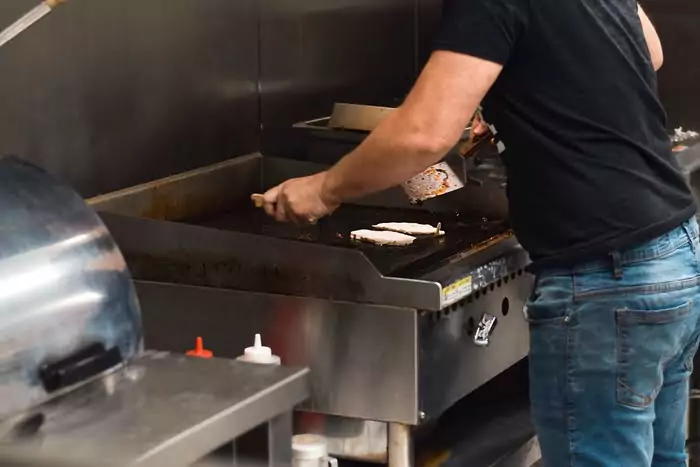
What is a Griddle Plate? What are its Advantages?
Frequently Asked Questions About Cooking Equipment
Question: Is gas or electric cooking equipment more efficient?
Answer: While energy costs vary by region, gas appliances provide rapid heating; electric appliances offer more precise temperature control.
Question: Why should "induction" technology be preferred in industrial cooking devices?
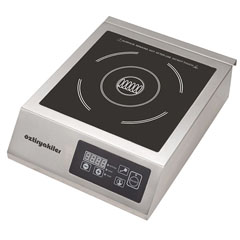
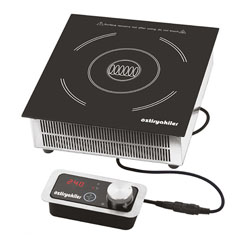
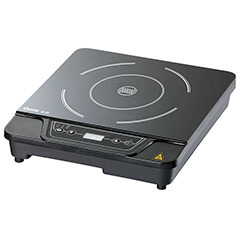
Answer: Induction cooking provides up to 90% energy efficiency because it transfers energy directly to the cooking vessel. Since heat loss is minimal, it does not increase the kitchen ambient temperature and cleaning is much easier than conventional ranges; however, it only works with induction-compatible (magnetic) vessels.
Question: Why is the quality of stainless steel used in the production of devices important?
Answer: 304 grade stainless steel is generally preferred in industrial kitchens. This material shows corrosion resistance against high temperatures, food acids, and intensive cleaning chemicals. Low-quality metals may rust over time, endangering food safety and shortening the life of the device.
Question: How does periodic maintenance of cooking equipment affect performance?
Answer: Failing to clean burners in gas devices or check heaters in electric devices increases energy consumption and extends cooking time. Regular maintenance ensures every service meets the same flavor standard by maintaining device calibration and prevents unexpected repair costs.
Question: Should countertop models or freestanding models be selected?
Answer: This depends entirely on the ergonomics of your kitchen. Countertop models are ideal for utilizing existing counter space and providing mobility. Freestanding models generally have higher capacities and offer vertical space efficiency as their lower parts can be used as cabinets or ovens.