 Track Order


Door-Type Dishwashers
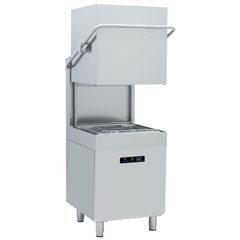
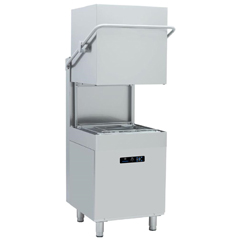
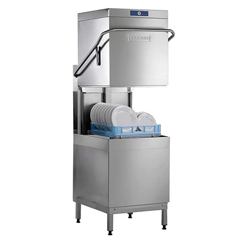
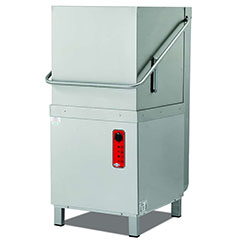
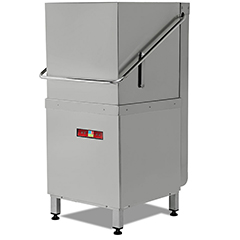
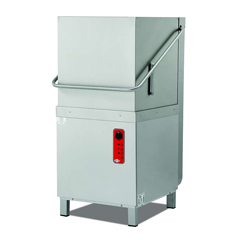
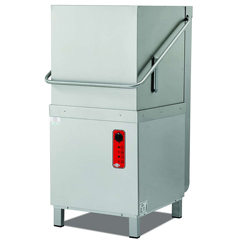
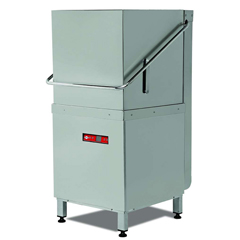
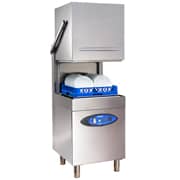
What Is a Hood-Type Dishwasher and What Does It Do?
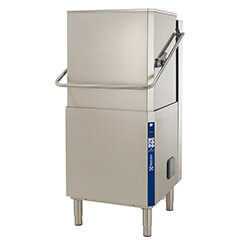
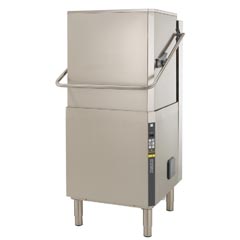
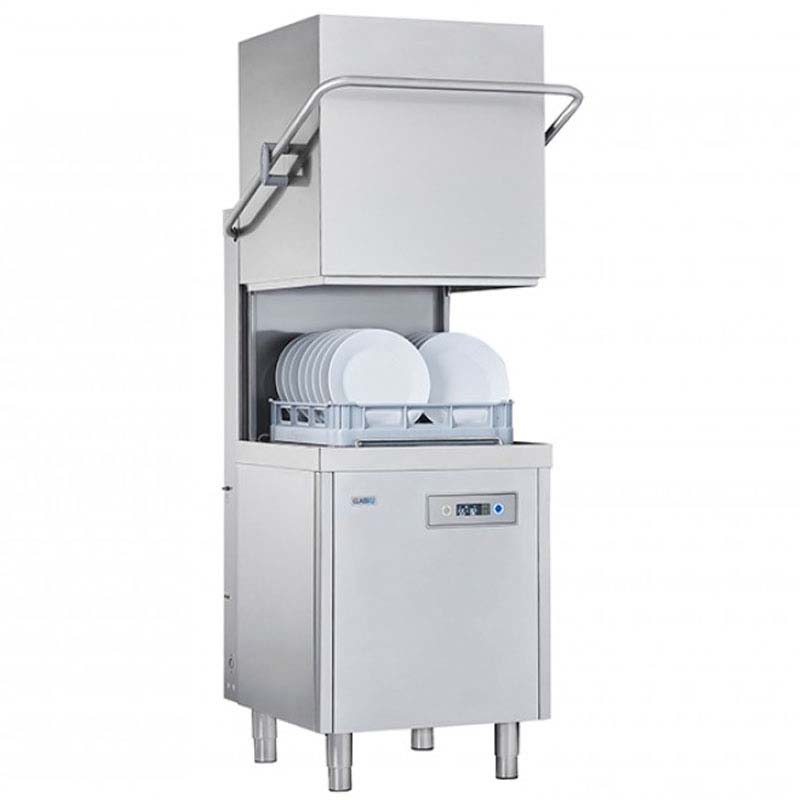
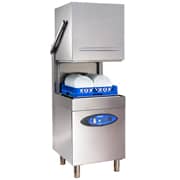
Hood-type dishwashers are industrial dishwashing machines with a hood that opens by lifting upward. They are designed to quickly handle the enormous dishwashing loads of busy establishments such as hotels, cafeterias, and factory kitchens. Since they can wash an average of 1,000 plates per hour, they are also commonly known in the industry as 1,000-plate dishwashers. The vertically lifting hood makes loading highly convenient for kitchen staff and eliminates the need to bend down and stand up repeatedly. Once a full rack is placed in the machine, it delivers a completely hygienic wash in less than three minutes, making the plates ready for service again. Noted for their energy efficiency and durable construction that withstands demanding conditions, these professional models help you manage dishwashing traffic flawlessly without interruptions, even during your establishment's busiest hours.
What Are the Advantages of Using a Hood-Type Dishwasher?
Its greatest advantages are the physical comfort it offers kitchen staff thanks to its upward-opening hood and its high washing capacity of approximately 1,000 plates per hour. When these machines are installed alongside stainless-steel inlet and outlet tables, they create a truly continuous workflow in the dishwashing area. Instead of repeatedly bending and lifting heavy racks and straining their backs, your team can simply slide the racks along the counter and into the machine. Even during the busiest service hours, the machine cleans soiled items with high-pressure water in just a few minutes, ensuring a smooth and uninterrupted flow of clean plates to the tables.
The Most Popular Hood-Type Dishwasher Models
The models most commonly preferred by business owners are stainless-steel industrial machines manufactured by brands such as Öztiryakiler, Empero, and Electrolux, which have proven their durability in professional kitchens. Rather than choosing an entry-level machine simply because it is inexpensive, most restaurant managers consider how many racks the machine can wash per hour and whether spare parts are readily available. Machines with a capacity of around 1,000 plates per hour are especially popular because they operate at full capacity without keeping the team waiting during peak periods when orders arrive one after another. To keep back-of-house operations running without disruption, it is also essential to choose equipment with a powerful boiler heating element.
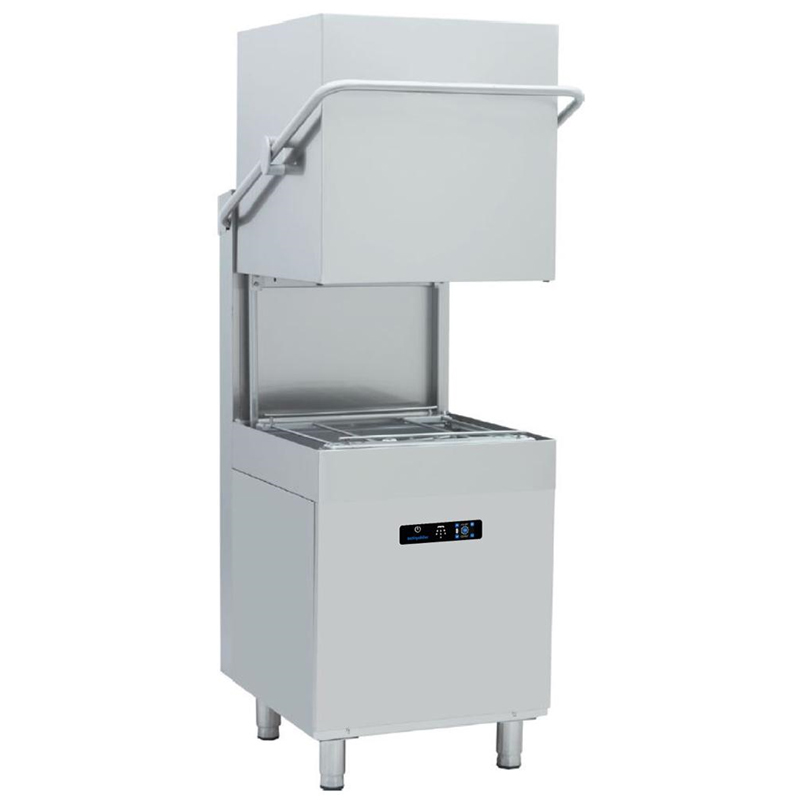
Öztiryakiler OBM 1080 T Hood-Type Dishwasher
This industrial cleaning machine stands out with its capacity to wash 1,080 plates per hour and its easy-to-use touchscreen controls. Its seamless stainless-steel body and large 19-liter wash tank allow it to handle even the busiest service periods in your kitchen with ease. The Öztiryakiler OBM 1080 T hood-type dishwasher uses only 2.8 liters of water per cycle, helping to reduce your utility bills, while its valve system prevents dirty water from flowing back into the supply line and ensures consistently hygienic results. Depending on customer traffic in your establishment, you can quickly select the most suitable option from the five wash programs on the control panel. At the end of the wash, the machine rinses with water heated to 85°C, ensuring that every item placed in the rack comes out sparkling clean and ready for the customer's table.
Empero EMP 1000 Hood-Type Dishwasher
With a capacity to clean exactly 1,000 plates per hour, this three-phase machine is a robust piece of industrial equipment for businesses that cannot afford to slow down in a busy kitchen. Designed entirely from stainless steel—from its outer casing to its internal heating elements—the Empero EMP 1000 hood-type dishwasher withstands harsh and humid kitchen conditions for years. The color touchscreen on its waterproof front panel allows you to adjust the boiler and tank temperatures independently with ease. Depending on how heavily soiled the dishes are, you can choose from four wash programs ranging from 60 to 180 seconds. The system heats the water to 85°C and delivers every item in the 50 × 50 cm rack spotless and ready for the table, even during hectic service periods.
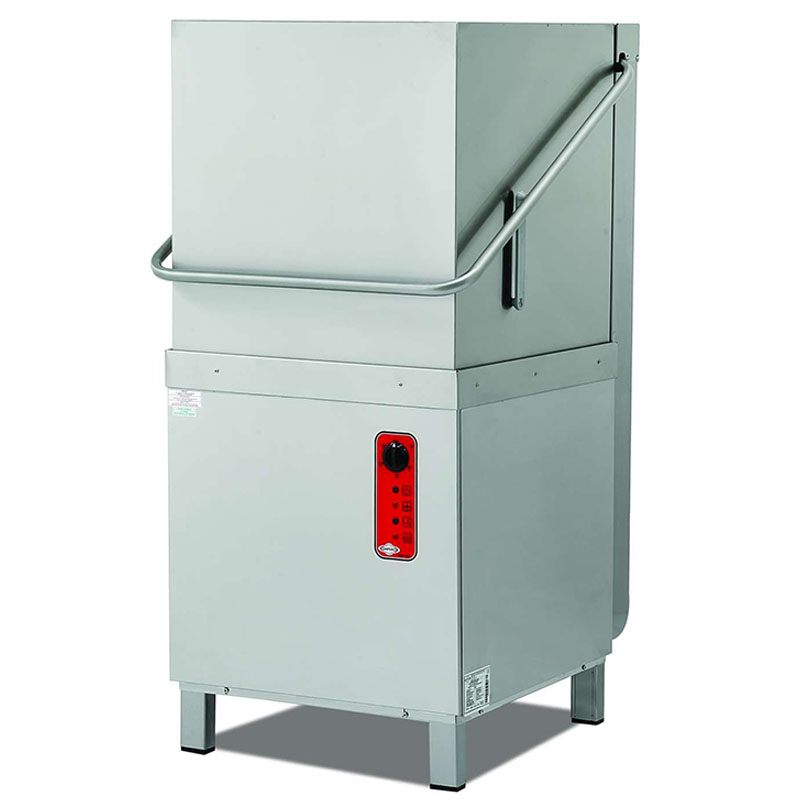
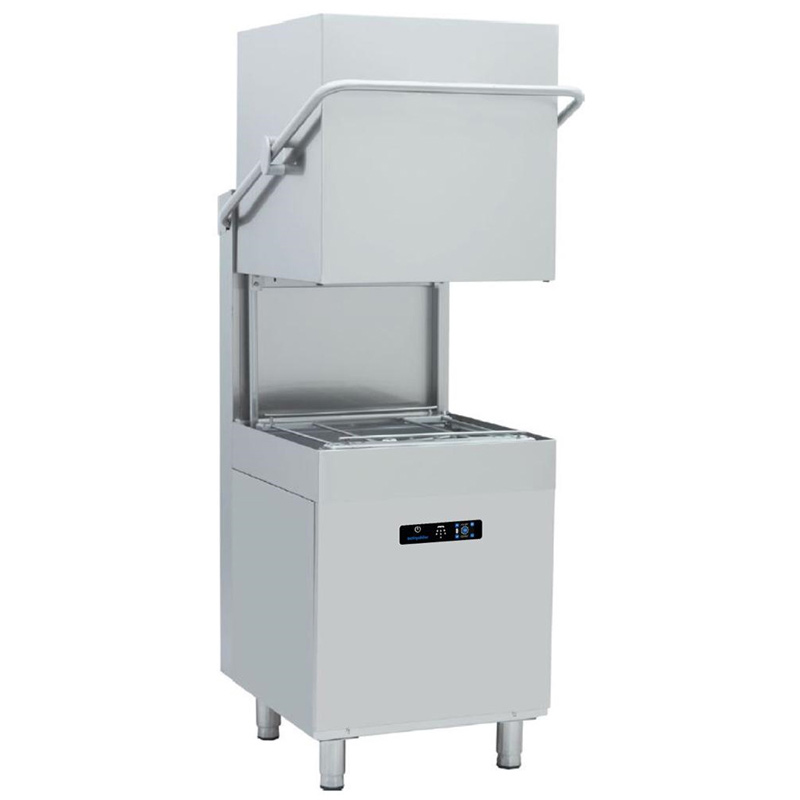
Öztiryakiler OBM 1080 T Plus Hood-Type Dishwasher
With a capacity of 1,108 plates per hour, this high-end model significantly eases the dishwashing workload of large establishments. It comes from the factory with all four pumps—detergent, rinse aid, rinse, and drain—fully integrated, eliminating the need for additional installation expenses. Using the touchscreen of the Öztiryakiler OBM 1080 T Plus hood-type dishwasher, you can easily choose one of five programs according to the current workload, with the shortest cycle lasting just 52 seconds. Its safety system stops the machine immediately when the hood is opened during operation and resumes the cycle where it left off when the hood is closed, giving kitchen staff a major operational speed advantage. By using only 2.8 liters of water per wash cycle, the machine helps reduce operating costs. During the rinse stage, it heats the water to 85°C, helping you serve every plate completely spotless.
Guide to Choosing a Hood-Type Dishwasher by Business Type
When choosing the most suitable machine for your establishment, you should always consider its daily customer volume and existing utility infrastructure. If you operate a moderately busy restaurant, a standard hood-type model capable of washing around 1,000 plates per hour will comfortably meet your kitchen's needs. However, if you manage a hotel, a large cafeteria, or another venue with constant foot traffic, you should invest in a fully equipped machine with all pumps installed as standard to avoid losing time. By correctly assessing your required capacity from the outset and placing your order accordingly, you can reduce your team's physical workload and completely prevent operational bottlenecks in the dishwashing area, even during the busiest service periods. All these products are available from Mutbex.
| FEATURES | Öztiryakiler OBM 1080 T Hood-Type Dishwasher | Empero EMP 1000 Hood-Type Dishwasher | Öztiryakiler OBM 1080 T Plus Hood-Type Dishwasher |
|---|---|---|---|
| Washing Capacity (per Hour) | 1,108 Plates | 1,000 Plates | 1,108 Plates |
| Rinse Aid Pump | No | No | Yes |
| Detergent Pump | No | No | Yes |
| Drain Pump | No | No | Yes |
| Rinse Pump | No | No | Yes |
| Number of Wash Programs | 5 | 4 | 5 |
| Height (cm) | 148 | 148.5 | 148 |
| Depth (cm) | 78.5 | 83 | 78.5 |
| Width (cm) | 67 | 74 | 70 |
| Weight (kg) | 110 | 112 | 105 |
| Power Supply | Three-Phase | Three-Phase | Three-Phase |
| Rack Dimensions | 50 × 50 | 50 × 50 | 50 × 50 |
Hood-Type Dishwasher Prices
Prices vary considerably depending on the quality of the brand you choose, the machine's hourly rack-washing capacity, and the integrated pump equipment installed at the factory. Focusing only on the initial purchase price and choosing an inexpensive model to reduce the budget can unfortunately lead to much greater expenses for a business in the future. With high-volume industrial machines of this kind, the true cost balance is determined by the machine's monthly electricity consumption, service speed, and the availability of spare parts. Allocating a slightly larger budget at the outset for a fully equipped model with factory-installed detergent, rinse aid, or rinse pumps can secure your kitchen workflow and become a far more profitable long-term investment for your business. You can choose from the quality models available at Mutbex and save money for many years.
Hood-Type Dishwasher Reviews
Feedback from business managers who actively use this equipment in professional kitchens focuses mainly on the speed of the machine and how much it reduces the physical strain on staff. Because the hood opens fully upward, employees do not need to keep bending down and standing up while handling heavy racks, significantly reducing team fatigue during busy shifts. Many restaurant owners report that by adding stainless-steel tables to both sides of the machine, they have created a continuous workflow in the dishwashing area and can clear seemingly endless piles of dirty dishes without delay. The most important advice experienced users give new buyers is to avoid choosing the cheapest option at the outset. Instead, they recommend selecting a well-equipped model that is fully compatible with the establishment's utility infrastructure so that the business can operate for many years without recurring breakdowns.
What Should You Consider When Buying a Hood-Type Dishwasher?
When selecting a high-capacity machine of this kind for your establishment, the first factors to consider should be daily customer volume and your kitchen's existing utility infrastructure. If you choose a lower-capacity model simply because it is slightly less expensive, the dishwashing area may come to a complete standstill during the busiest service periods. If the drain connection in your plumbing system is positioned above the machine's water outlet, you must choose equipment with a drain pump so that wastewater can be pumped into the main drain line. In addition, investing in a reliable brand with readily available spare parts and a service team capable of reaching your kitchen quickly in the event of a malfunction is the best way to protect your business financially in the long term. By researching the options available at Mutbex, you can select and confidently purchase a model that is both affordable and functional.
Why Is Stainless Steel Important in a Hood-Type Dishwasher?
Manufacturing the machine from stainless steel is essential if it is to operate reliably for many years without corroding in a humid and demanding kitchen environment. When this industrial equipment, which is constantly exposed to boiling water and powerful commercial detergents, is made from ordinary metals, it can begin corroding internally within a very short time. By choosing a strong stainless-steel construction, you protect the highest standards of hygiene in your establishment and can continue using the machine safely for years without worrying about rust. The smooth surface of this special material also prevents bacteria from accumulating, allowing you to serve your customers with sparkling-clean plates even during the busiest shifts.
Are Pump Selection and the Boiler Heating Element Important in a Hood-Type Dishwasher?
Yes. Selecting the correct pumps and boiler heating element is extremely important if the machine is to operate smoothly and remain fully compatible with your kitchen infrastructure. If the drain or rinse pump is not properly matched to the plumbing pressure in your establishment, the water pressure may remain too low and stubborn stains on plates may not be completely removed. The boiler heating element is responsible for rapidly heating the water and dissolving stubborn grease. If it is underpowered, the machine will waste time and energy trying to bring the water up to temperature. This incompatibility can result in a high electricity bill at the end of the month and significantly slow down your team during busy periods when orders arrive one after another.
Does Using Detergent and Rinse Aid Designed for Hard Water Extend the Life of a Hood-Type Dishwasher?
Yes. Choosing chemicals formulated for the hardness level of the mains water protects the machine's internal components and definitely extends its service life. Standard detergents cannot fully cope with the high mineral content of hard water, so a rock-hard layer of limescale gradually begins to accumulate on the machine's heating elements and inside its narrow water channels. When you use professional detergents and rinse aids specifically formulated for the water conditions in your area, these minerals are carried directly into the drain with the wastewater before they can adhere to the internal components. This simple precaution prevents the machine from using extra energy to heat the water and keeps your dishwashing operation running smoothly for many years without breakdowns.
Water Hardness Levels and Their Meanings
| WATER HARDNESS LEVEL | DESCRIPTION |
|---|---|
| 30 °f and above | Very Hard Water / Very High Limescale |
| 20–30 °f | Hard Water / High Limescale |
| 10–20 °f | Moderately Hard Water / Moderate Limescale |
| 5–10 °f | Soft Water |
| 0–5 °f | Very Soft Water |
You can review our buying guide to choose the most suitable dishwasher for your business.
Our Videos
You can watch the videos in this section to see industrial kitchen equipment in operation. Before making a major investment in equipment, seeing how these machines clean dishes under demanding conditions is a major advantage for any business manager. Created especially for customers who want more than written technical specifications, these detailed videos clearly explain the entire operation of each machine, from model selection to the rinsing stage.
Öztiryakiler Dishwashers | Mutbex
Do You Know How Much Water Industrial Dishwashers Use per Cycle? | Mutbex
How Do You Drain an Öztiryakiler Dishwasher? | Mutbex
How Do You Remove Limescale from Industrial Dishwashers? | Mutbex
How Many Minutes Does an Industrial Dishwasher Take to Wash? | Mutbex
Are You Making These Mistakes When Using a Dishwasher? | Mutbex
Can You Use a Dishwasher Without Rinse Aid and Detergent? | Mutbex
Hood-Type Dishwasher Brands
The leading manufacturers that have proven their durability in industrial kitchens and are most commonly preferred by business owners are Öztiryakiler, Empero, Classeq, Electrolux, Hobart, and Zanussi. The stainless-steel machines designed by these brands can handle the heavy dishwashing loads of your establishment's busiest service periods reliably for years without constant breakdowns. Instead of taking a risk on equipment with hard-to-find spare parts simply to reduce costs, investing directly in these established names secures the long-term workflow of your dishwashing area. You can review models from selected brands at Mutbex and choose a machine suited to your needs.
Related Blog Posts

How Are Industrial Dishwashing Machines Used?
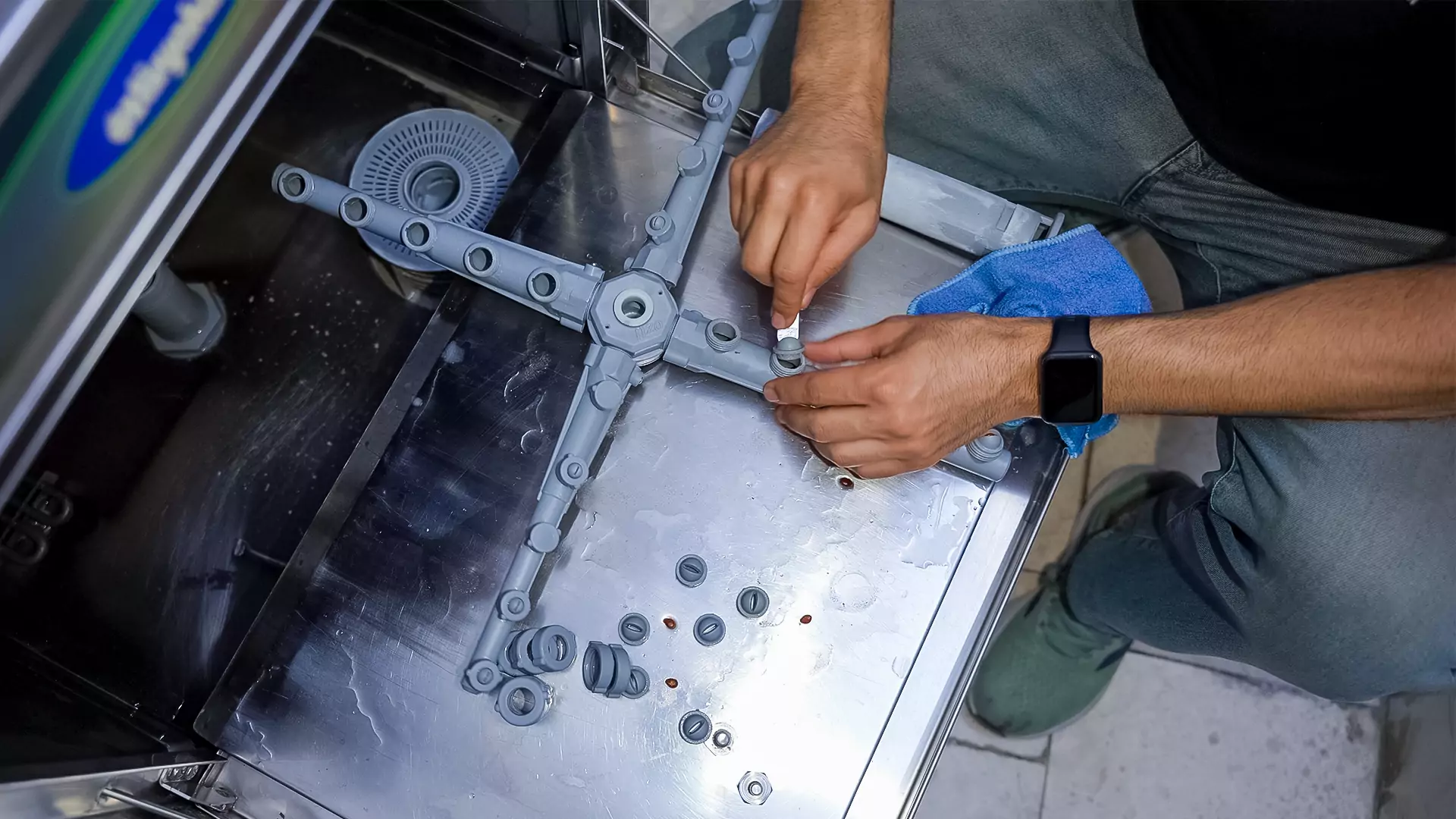
Maintenance and Cleaning of Industrial Dishwashers
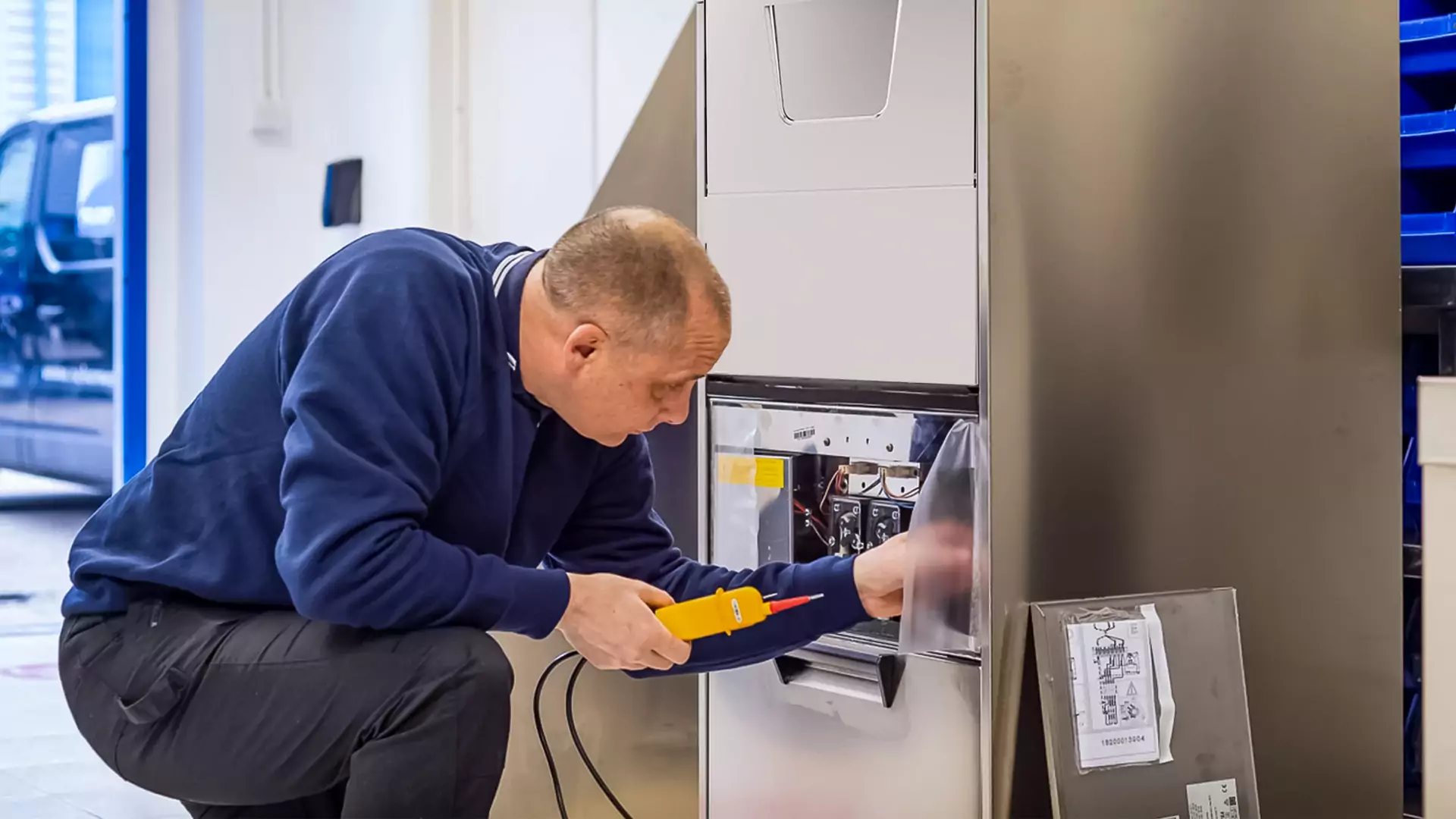
Industrial Dishwasher Problems and Solutions
Frequently Asked Questions (FAQ)
Which Hood-Type Dishwasher Model Is Suitable for My Business?
Answer: When choosing the most suitable model for your business, you need to focus on its daily customer volume and your kitchen's existing utility infrastructure. If you operate a moderately or highly busy venue, a standard-capacity machine capable of cleaning approximately 1,000 plates per hour will more than meet the needs of your dishwashing area. If the wastewater drain in your plumbing system is positioned above the machine's water outlet, you must choose equipment with a drain pump so that the machine can pump wastewater into the main line. By assessing your needs correctly from the outset based on these fundamental details, you can maintain an uninterrupted flow of clean plates in the kitchen without exhausting your team, even during the busiest periods when orders arrive one after another.
Can a Hood-Type Dishwasher Be Used at Home?
Answer: No. Due to their high energy consumption and enormous size, these industrial machines cannot be used in a domestic environment. Designed to handle the heavy flow of dishes in commercial kitchens, they generally operate on three-phase industrial electricity, and standard household electrical systems cannot support this high power demand. When their hoods are fully raised, the machines can reach almost two meters in height, making it impossible to fit them between standard kitchen cabinets. Furthermore, the noise generated by their high-pressure water pumps during operation would significantly disrupt domestic life. These powerful machines should therefore only be used in commercial establishments such as restaurants and hotels.
What Should the Rinse Temperature Be in a Hood-Type Dishwasher?
Answer: To ensure complete hygiene and remove all detergent residue from surfaces, the rinse-water temperature in these industrial machines must be between 80°C and 85°C. Porcelain and glassware are cleaned of general dirt at approximately 60°C during the wash stage. In the final stage, contact with water at this higher temperature removes invisible contaminants and makes the items ready for the table. Spraying water at a temperature so close to boiling point also allows the items in the rack to air-dry within seconds after leaving the machine, greatly speeding up your dishwashing operation.
How Much Water and Energy Does a Hood-Type Dishwasher Use?
Answer: A standard industrial model uses an average of approximately 2.5 to 3 liters of water per wash cycle and, depending on its capacity, consumes around 6 to 10 kilowatts of electricity per hour. Although the machine's powerful boiler heating element temporarily uses considerable energy to heat the rinse water to 85°C, the short program durations help keep the establishment's overall utility costs balanced. To reduce your monthly operating expenses even further, choosing equipment with thick thermal insulation and special valve systems that block dirty water can be a highly profitable long-term decision for your kitchen.
What Is the Difference Between a Hood-Type Dishwasher and a Domestic Dishwasher?
Answer: The most important differences between the two machines are their operating speeds and ability to withstand intensive daily use. Standard domestic models take around an hour to clean the dishes in their racks, whereas industrial hood-type machines use powerful heating elements to complete the same task to a sparkling-clean standard in just a few minutes. Their large hoods open fully upward, giving kitchen staff much greater freedom of movement and significantly reducing the operational burden during busy service periods in establishments such as restaurants. In addition, domestic appliances work with standard mains water and household electrical outlets, while professional equipment is generally designed to require three-phase industrial electricity and a high-pressure water supply.
Does a Hood-Type Dishwasher Dry the Dishes?
Answer: Yes. Although these industrial machines do not contain a separate drying fan like those found in standard domestic appliances, their high-temperature technology allows the dishes to air-dry. During the rinse stage, water heated to as much as 85°C flows immediately from the surfaces of plates and glasses with the assistance of rinse aid, preventing water spots. Once the wash cycle is complete and you lift the hood and pull out the rack, the hot items meet the ambient air and dry spotless within seconds, ready to go directly to the customer's table.
Should Rinse Aid Be Used in Hood-Type Dishwashers?
Answer: Yes. Rinse aid is essential in these industrial machines to prevent water spots from remaining on washed plates and glasses. These specially formulated liquid chemicals reduce the surface tension of the water during the rinse stage, allowing droplets to slide immediately off glassware. When combined with high-temperature rinse water, the rinse aid allows all items removed from the rack to air-dry within seconds, eliminating the need for kitchen staff to wipe them with an additional cloth. Keeping your machine's rinse aid pump active is an important step toward serving spotless tableware to your customers during busy service periods.
Which Detergent and Rinse Aid Should Be Used in a Hood-Type Dishwasher?
Answer: These industrial machines should only be used with non-foaming liquid detergents and rinse aids specifically manufactured for commercial use. When standard domestic cleaning products come into contact with the high-pressure water pumps in these machines, they create excessive foam, clog the drain pumps, and bring the kitchen workflow to a sudden halt. By purchasing professional chemicals suited to the limescale level of the mains water in your area, you can completely prevent water spots on glasses, protect the machine's internal components, and extend its service life.
Can Domestic Detergent Be Used in a Hood-Type Dishwasher?
Answer: No. Standard domestic detergents purchased from supermarkets are entirely unsuitable for these large machines operating to industrial standards. As soon as household cleaning products come into contact with the high-pressure water pumps of an industrial machine, they create excessive foam and immediately clog its water-drain pumps. The resulting overflow and blockage can paralyze the workflow in the dishwashing area and seriously damage the machine's internal components. To keep kitchen operations running without interruption even during the busiest service periods, it is essential to use only non-foaming industrial liquid chemicals formulated specifically for professional use.
What Does a Drain Pump Do in a Hood-Type Dishwasher, and Is It Required?
Answer: A drain pump is absolutely required if the wastewater drain connection in your kitchen is located above the machine's water outlet. Integrated into the lower section of the appliance, the pump pushes the dirty water accumulated after a wash cycle into the main drain line under pressure, preventing potential flooding in the dishwashing area. However, if your establishment's drain is located directly at floor level, gravity will allow the wastewater to flow away easily. In that case, there is no need to allocate an additional budget for this component when purchasing the machine.
Can Rinse Aid Be Poured into a Hood-Type Dishwasher Manually?
Answer: No. Manually pouring rinse aid directly into the wash tank of an industrial machine is completely incompatible with its operating system. These specially formulated liquids must enter the machine only with the 85°C rinse water at the very end of the process, so they should be drawn automatically through dosing pumps. If you add the chemical to the main tank by hand, it may mix with the detergent, cause excessive foaming in the kitchen, and leave water spots on plates after they dry. Using an automatic rinse aid pump connected directly to the system is therefore essential to prevent disruption to your dishwashing operation and ensure consistently spotless presentation for your customers.
Is a Hood-Type Dishwasher Suitable for Cafés, Bars, and Restaurants?
Answer: Yes. These high-capacity industrial machines are highly suitable for the kitchens of commercial establishments such as cafés, bars, and restaurants that experience heavy customer traffic throughout the day. During busy service periods when orders arrive one after another, they clean hundreds of plates and glasses in just a few minutes, greatly reducing the operational burden on staff. Their large hoods open fully upward, allowing the dishwashing team to load and unload heavy racks quickly and ensuring that the kitchen workflow continues at speed without interruption.
Does a Hood-Type Dishwasher Have a Rinse Pump?
Answer: If the mains water pressure in your area is low, a rinse pump is essential for the machine to operate at full performance. Depending on the model, it may be included as standard or need to be added separately. Under normal conditions, if the water pressure is sufficient, the appliance can manage the process through its own valve system. When the pressure is inadequate, however, it becomes impossible to spray the 85°C rinse water onto the plates with the necessary force. An incomplete rinse caused by insufficient pressure can lead to detergent residue and unpleasant water spots accumulating on glasses. After having the water infrastructure in your establishment tested, you should confirm whether the machine you are considering includes this pump as standard. This is an important detail for maintaining flawless kitchen operations.
To What Extent Do Integrated Automatic Detergent and Rinse Aid Pumps Reduce Staff Workload During Peak Hours?
Answer: These integrated systems significantly reduce the operational workload in the dishwashing area and save your team a great deal of time. During the busiest periods, when orders arrive continuously, requiring staff to add chemicals to the machine manually during every wash cycle will inevitably slow down the kitchen workflow. Automatic dosing pumps connected directly to the system draw exactly the required amount of detergent and rinse aid each time, allowing the machine to operate without interruption. Thanks to this important investment, your employees can focus entirely on loading dirty dishes into racks and quickly returning clean items to service.
How Should the Clean-Water and Wastewater Connections of a Hood-Type Dishwasher Be Planned So They Do Not Obstruct Other Industrial Kitchen Equipment?
Answer: The plumbing lines should be routed through dedicated channels in the kitchen floor or recessed directly into the wall. If the machine's water inlet and outlet pipes remain exposed along the surface, they prevent other large equipment, such as an oven or preparation unit, from being positioned flush against the wall. By routing the drainage and clean-water infrastructure beneath the surface in accordance with the architectural plans during installation, you can use every available space in your establishment's dishwashing area as efficiently as possible.
How Much Does Double-Wall Insulation Reduce the Operating Time of the Heating Elements by Retaining the Water Temperature Inside a Hood-Type Dishwasher's Tank?
Answer: Double-wall insulation retains the temperature of the water inside the tank for longer and reduces the amount of time the heating elements need to reactivate by an average of 30 percent. Special insulation installed between two stainless-steel layers prevents heat from escaping the machine and maintains the ideal wash-water temperature without it being affected by cooler ambient air. Because the water does not need to be reheated constantly from the beginning, the business achieves significant savings on electricity costs while the workflow in the dishwashing area continues without slowing down, even during peak service periods.
Overall Assessment
When choosing a hood-type model, you should first consider how many dishes the kitchen produces during the day. The installation area, drain location, and electrical supply should also be checked before purchase. When a machine suited to the establishment's workload is selected, dishes do not accumulate and staff can work more comfortably. A machine that is unnecessarily large or inadequately equipped, however, may create additional expenses over time. If you would like to carry the speed you achieve in dishwashing through to beverage service and increase customer satisfaction, you can also explore the professional products in Mutbex's beverage equipment category.