 Track Order


French Presses
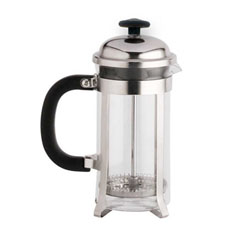
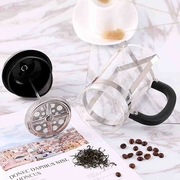
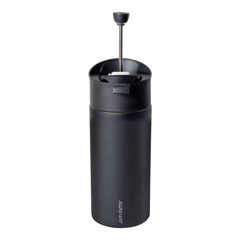
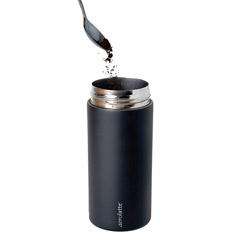
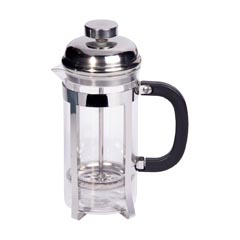
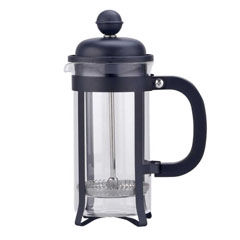
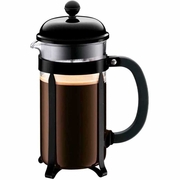
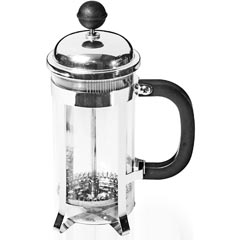
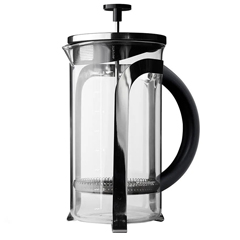
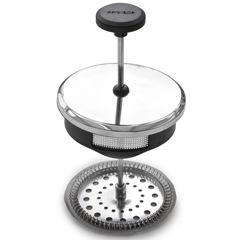
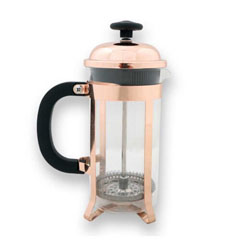
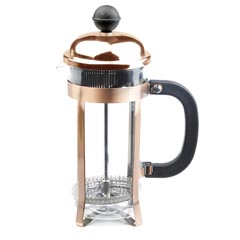
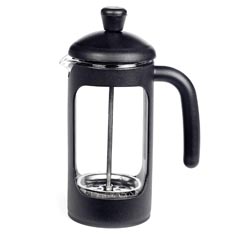
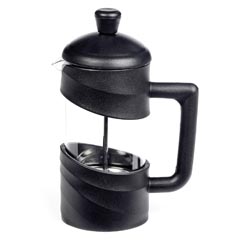
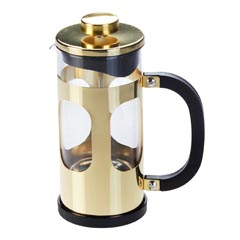
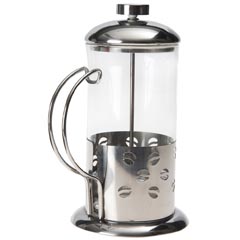
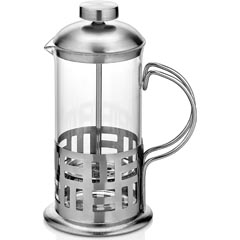
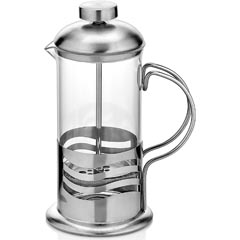
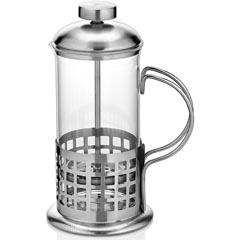
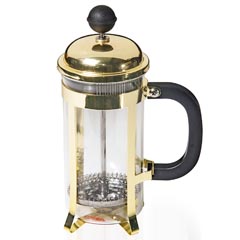
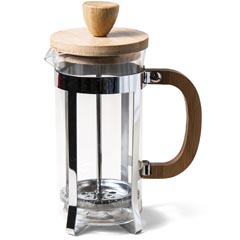
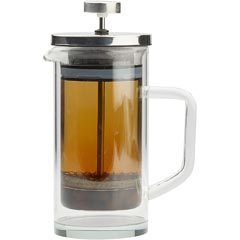
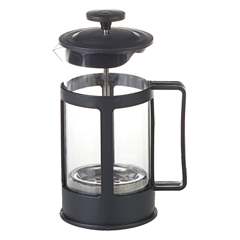
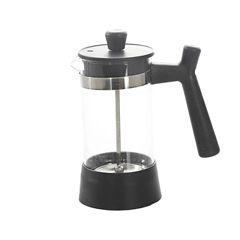
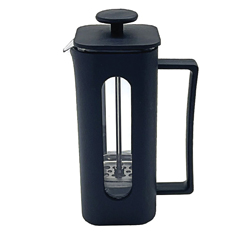
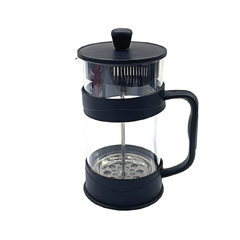
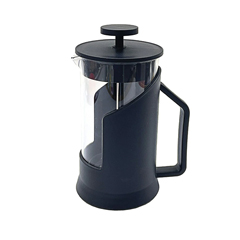
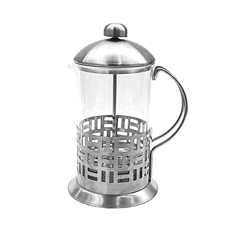
The Timeless Classic: French Presses
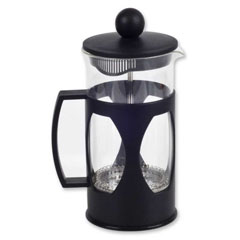
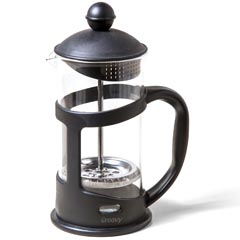
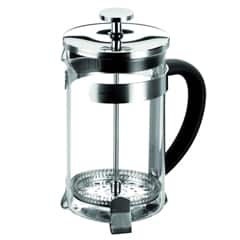
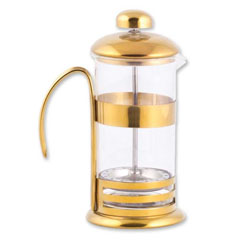
French Presses are classic equipment that presents coffee using the "full immersion" method, where coffee beans are fully in contact with hot water. In this system, which does not use a paper filter, the stainless steel metal strainer at the end of the piston transfers the coffee oils directly into the cup without absorbing them. In this way, since the oils held by the paper filter are preserved, a much fuller taste profile is obtained on the palate. It is one of the most effective choices for those who want to experience the purest form of coffee.
Indispensable in kitchens thanks to their ease of use and versatility, French Presses are not limited to just brewing hot coffee. With this equipment made of heat-resistant glass, you can prepare smooth herbal teas and make delicious Cold Brew in the summer months. Its structure, which does not require electricity or paper filters, makes it the most practical solution for both home and office use and outdoor activities such as camping.
French Press Prices
French Press prices vary according to the product's model, the material used, and its volume. Considering its long-lasting use and versatile functions, it is possible to find French press models with a high price-performance balance suitable for every budget and need.
What Should I Look for When Buying a French Press?
When choosing the right French Press, material quality (glass, steel, plastic), volume (350ml, 600ml, 1000ml), and strainer quality are the most important factors. For long-lasting use, borosilicate glass or stainless steel models should be preferred. You can review our guide to determine the model that best suits your needs.
French Press Brands
In the French Press production sector, there are brands such as Öztiryakiler, Aerolatte, Grovy, and Epinox that produce durable and quality products.
Related Blog Posts
Coffee Brewing Methods: 8 Different Techniques for the Perfect Cup
Alternative Coffee Equipment That Increases Quality in Cafes
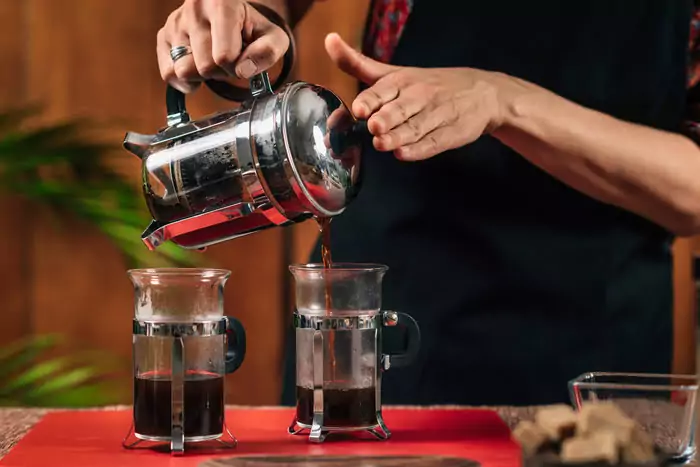
What is a French Press? Brewing Coffee with a French Press
Frequently Asked Questions About French Presses
Question: How should the coffee grind be for brewing coffee in a French Press?
Answer: The ideal coffee grind size for French Press is "Coarse".
Question: What is the ideal French Press coffee/water ratio and brewing time?
Answer: For a standard taste, the golden ratio is generally 1:15 or 1:16. That is, 15-16 ml of water is used for every 1 gram of coffee. As a practical measure; 2 tablespoons of coarsely ground coffee is ideal for 350 ml of water. The ideal brewing time is between 4 to 5 minutes.
Question: Can herbal tea be brewed with a French Press?
Answer: A French Press is an equipment that can be used not only for coffee but also for brewing herbal tea. Teas such as linden, sage, green tea, or winter tea easily contact water in the wide chamber and fully release their aromas into the water. Thanks to the piston system, you can easily strain the tea leaves and obtain a clear drink.
Question: Can a French Press be washed in the dishwasher?
Answer: The glass chamber and stainless steel piston parts of most glass French Press models can be washed in the dishwasher. However, if there are wooden, plastic, or coated metal parts, hand washing may be recommended to avoid damage.
Question: Are there plastic French presses?
Answer: There are no French presses made entirely of plastic. There are French presses where the joints and handles are made of plastic.
Question: How many servings are professional French presses?
Answer: In the French Press world, sizes considered "professional" or standard are usually classified based on the "Cup" unit. However, there is a critical point to note here: This "Cup" measure represents small cups of approximately 120 ml (4 oz), not the large Mug we know. At this point, there are 3, 8, and 12-cup models available.
Question: Which French press should be used for offices?
Answer: When choosing a French Press for offices and workplaces, durability and capacity should be prioritized over aesthetics. Models with Stainless Steel bodies are the safest investment to eliminate the risk of glass breakage in heavy use. Especially steel models with "Double Wall" technology are favorites of employees as they keep the coffee hot for a long time by creating a thermos effect. Additionally, preferring large-size products with a capacity of at least 1 Liter (8 Cups) or 1.5 Liters to serve multiple people at once will increase efficiency in the office kitchen.
Question: Can espresso coffee be made in a French press?
Answer: Technically, it is not possible to make espresso coffee in a French press. If we examine the reasons: Lack of Pressure: Espresso is obtained by passing hot water through a finely ground coffee bed at a very high pressure like 9 bars. The French Press works only with the logic of gravity and water waiting with the coffee. Since there is no pressure, the famous golden yellow foam of espresso does not form in the French Press. Grind Difference: Very fine grind is required for espresso. If you put such fine coffee into a French Press, the metal strainer clogs and a large amount of sediment fills the cup. It becomes almost impossible to lower the piston.
Question: How to make a latte in a French press?
Answer: Just as it is not possible to make espresso in a French press, it is technically not possible to make a latte either.
Question: Are spare glasses sold for French presses?
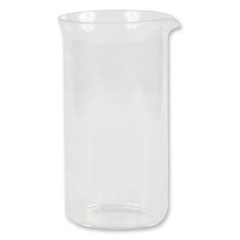
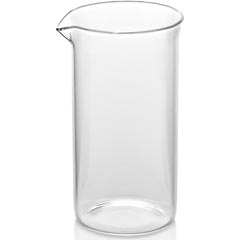
Answer: Yes, spare glasses are available for French presses.
Question: Where does the name French press come from? Why do they call it French press?
Answer: The main reason the name is "French" is that this brewing logic first appeared in France in 1852. Two French inventors, Mayer and Delforge, patented a primitive design where hot water and coffee were brewed together and strained with a metal piece. However, in this first version, there were no springs providing sealing at the edges; meaning it was inevitable for coffee grounds to escape upwards. Nevertheless, since the idea came out of France, the label "French Press" was engraved in history.