 Track Order


Electric Stoves
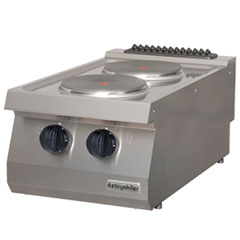
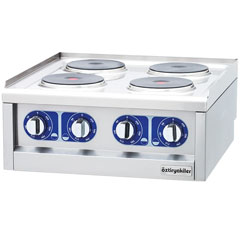
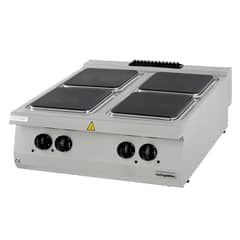
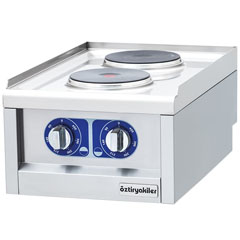
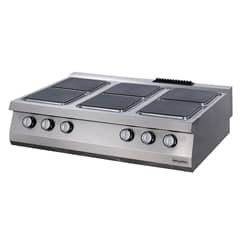
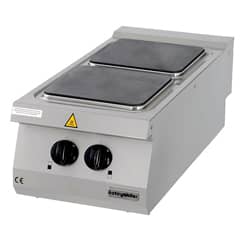
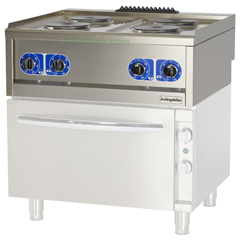
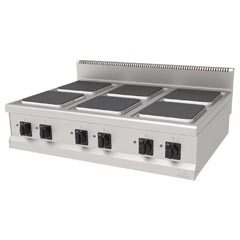
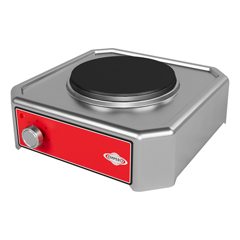
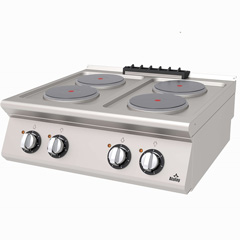
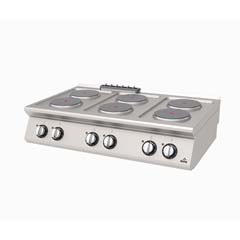
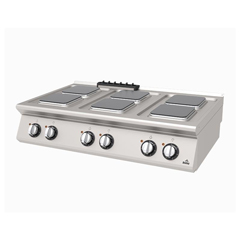
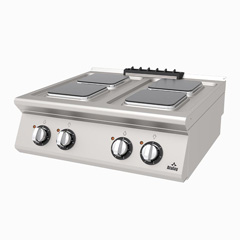
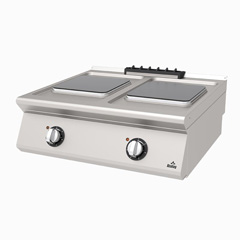
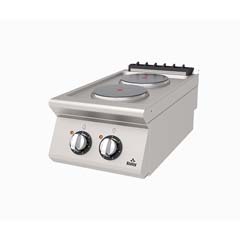
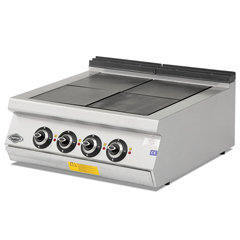
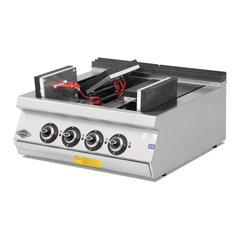
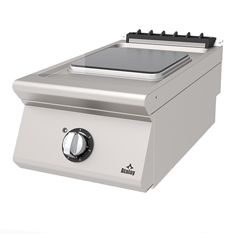
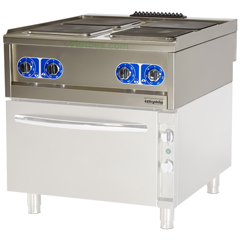
A New Generation Touch in the Kitchen: Electric Ranges
Electric ranges, the rising star of modern kitchen architecture, go beyond being a mere cooking tool by bringing aesthetics and functionality together. Moving beyond traditional methods, these appliances stand out with their smooth surfaces and precise temperature control; becoming the first choice for those seeking speed and safety in the kitchen. Whether you aim for professional chef precision or minimalist decoration, electric cooking technologies transform your culinary experience into a modern art. In this article, we take an in-depth look at what you should consider when choosing the most suitable electric range models for your kitchen and the advantages this technology offers.
Types of Electric Ranges
By Number of Burners
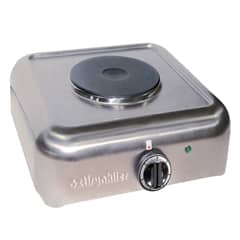
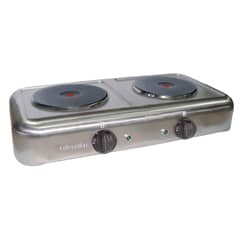
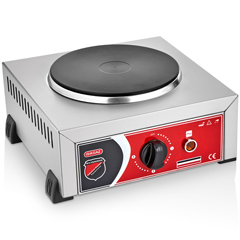
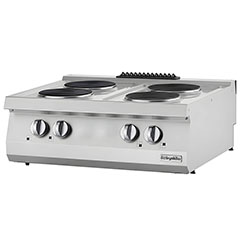
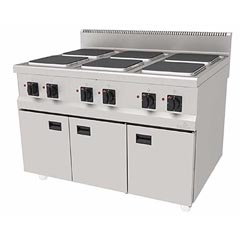
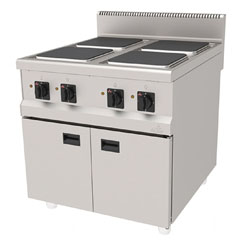
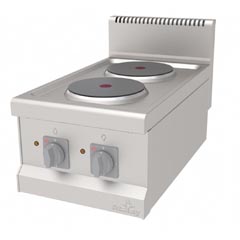
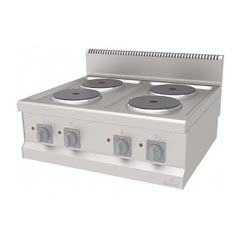
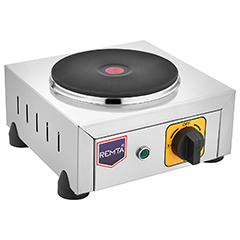
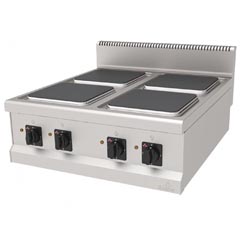
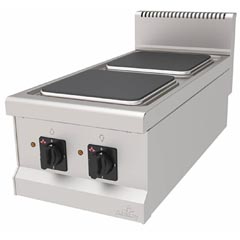
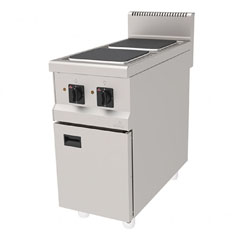
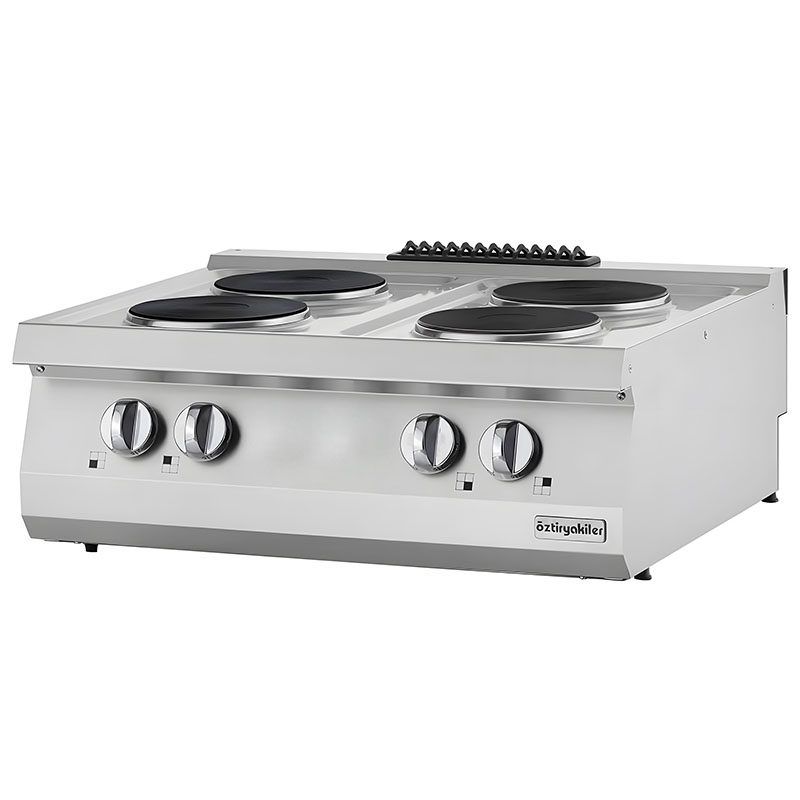
For chefs racing against time in industrial kitchens, the number of burners is the key to operational efficiency. Equipped with stainless steel bodies resistant to intense kitchen pace, these systems offer various solutions: single-burner ranges provide a compact structure, while 2-burner countertop models offer quick solutions in narrow spaces. The cornerstone of professional kitchens, 4-burner industrial electric ranges, promise uninterrupted performance throughout the day, while massive 6-burner units designed for large-scale enterprises and hotel kitchens allow for the simultaneous preparation of different menus. Electric ranges make it easier to manage your kitchen traffic with modular options optimized according to your business's production capacity.
Commercial Electric Range Prices
Commercial electric range prices vary across a wide spectrum depending on the performance capacity your business needs, the number of hot plates (burners), and the technological equipment used. While entry-level 1 or 2-burner countertop models are offered at more accessible prices, prices for 4-burner or 6-burner professional models with ovens rise in parallel with the number of burners. Criteria such as brand assurance, CE certification, and after-sales technical service support are other critical factors that play a decisive role in industrial electric range pricing.
What Should I Consider When Buying an Electric Range?
Choosing the right professional electric range plays a decisive role in the continuity of your kitchen operations and your energy costs. Before purchasing, you should carefully evaluate the plate structure (cast iron or smooth surface), the thermal stability provided during peak service hours, and the number of zones compatible with different pot sizes. Additionally, the electrical power (kW) and connection requirements (single-phase or three-phase) of the device must fully comply with your business's current electrical infrastructure and physical space.
Another critical point is the long-term operating cost of the equipment. The insulation quality of the device, the wear resistance of the plates, and the availability of spare parts should be examined in detail. Remember, the most advanced panel is not always the right choice; the best range is the model that offers the most precise solution for your kitchen's daily production volume, cooking techniques, and budget. For a more detailed and comprehensive guide, you can check our electric range buying guide.
Industrial Electric Range Brands
In the production of industrial electric ranges, leading industry brands such as Öztiryakiler, Atalay, Empero, and Silverinox offer global standard solutions by combining the high performance needed by professional kitchens with durability. These manufacturers develop appliances that fully adapt to the 24/7 working pace of hotel, hospital, and large-scale restaurant kitchens with their stainless steel body structures and heavy-duty cast iron plate technologies. The product range of these brands extends from compact countertop models to large-capacity ranges with ovens, while guaranteeing the operational continuity of businesses thanks to their extensive technical service networks and rapid spare parts supply.
Related Blog Posts
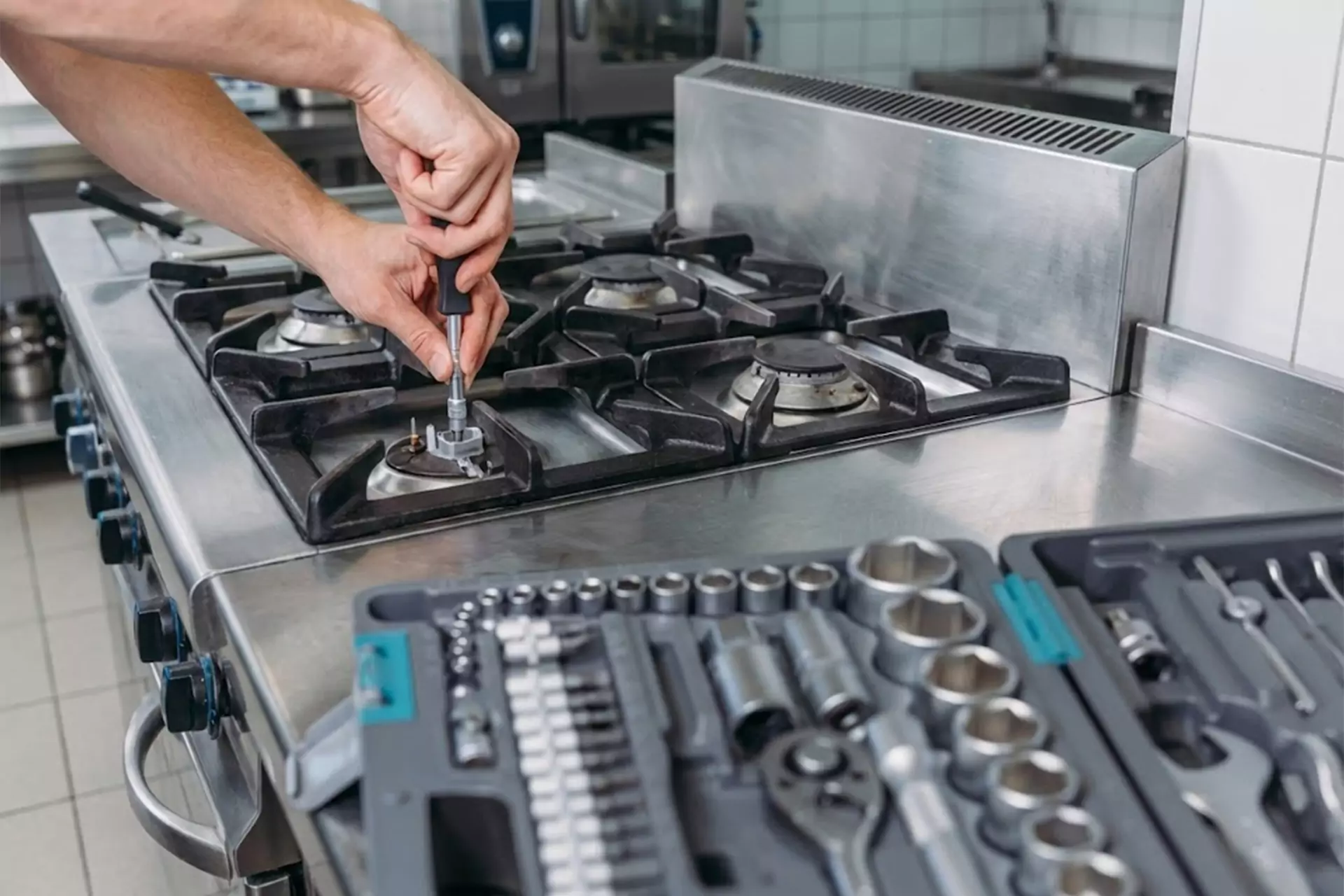
Industrial Range Faults: Problems and Solutions
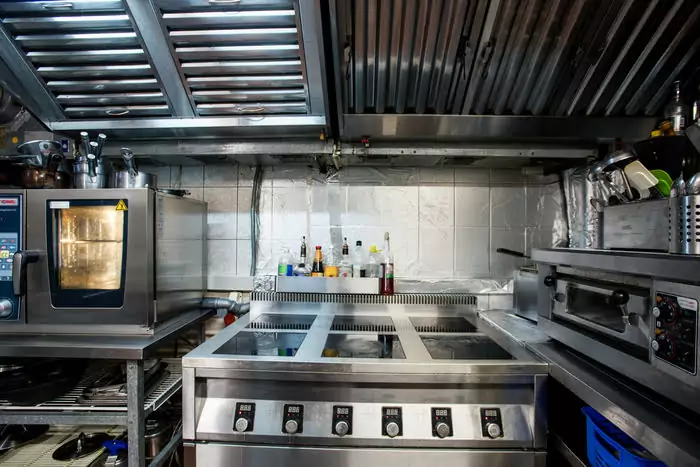
What is an Induction Cooktop?
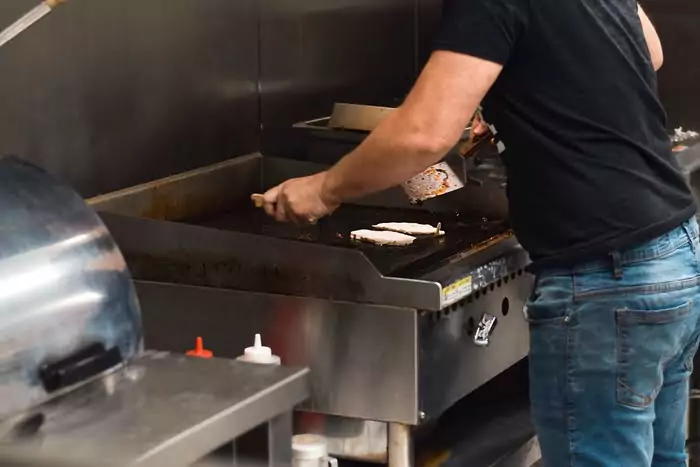
What is a Hot Plate? What are its Advantages?
Frequently Asked Questions About Electric Ranges
Question: Are electric ranges safer than gas ranges?
Answer: Yes, because there is no open flame in industrial electric ranges, the risk of fire is much lower. Additionally, they do not pose a gas leak hazard and provide protection against overheating thanks to advanced thermostat systems.
Question: Can any type of pot be used on electric ranges?
Answer: On classic cast iron plate (resistive) models, almost any pot with a flat bottom can be used. However, induction electric ranges only work with magnetic-based (induction-compatible) pots.
Question: Do commercial electric ranges require special electrical wiring?
Answer: Yes, since industrial models generally consume high power, they require 380V (Three-Phase) industrial electrical connections and appropriately rated fuses instead of standard household outlets.
Question: Is a hot plate range or an induction range more advantageous?
Answer: Hot plate ranges are more affordable and work with all types of cookware. Induction ranges heat up much faster, and because the surface itself doesn't get hot, they are easier to clean.
Question: How should an electric range be cleaned?
Answer: Once the appliance has completely cooled down, residues on the surface should be cleaned with a damp cloth and professional degreasers. Drying the cast iron plates slightly after cleaning prevents rusting and extends their lifespan.
Question: Do electric ranges take a long time to heat up?
Answer: Traditional cast iron plates may take a few minutes to heat up; however, in industrial-type devices, these plates retain heat for a long time. In induction models, the heating time is almost instantaneous.
Question: What is the lifespan of the hot plates (burners)?
Answer: Depending on the frequency of use and cleaning, a quality cast iron plate can serve problem-free for 5 to 10 years. In case of resistance failure, these parts can be easily replaced.
Question: Is it easy to find spare parts in case of failure?
Answer: When local brands like Öztiryakiler, Empero, or Atalay are preferred, accessing spare parts such as plates, thermostats, and switches across Turkey is quite fast and easy.