 Track Order


Ice Cream Machines
Summer's Sweetest Investment: Ice Cream Machines
The key to offering smooth, ice-free, and perfectly consistent flavors lies in equipment with advanced cooling technology. Devices in the industrial ice cream machine category exhibit high performance in the production of popular soft serve and frozen yogurt as well as traditional Roman ice cream. Equipped with stainless steel mixer blades and powerful compressor systems, these machines keep hygiene standards at the highest level. Double-tank models allowing different flavors to be served simultaneously and automatic washing functions speed up businesses by facilitating operational processes.
Types of Ice Cream Machines
According to Production Type
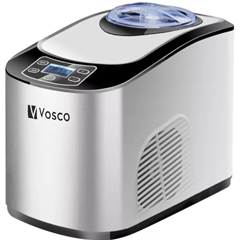
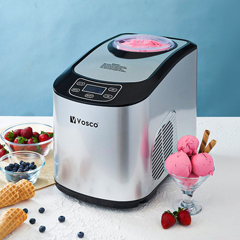
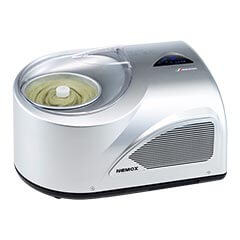
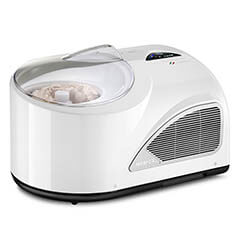
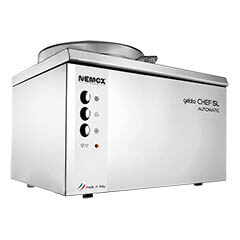
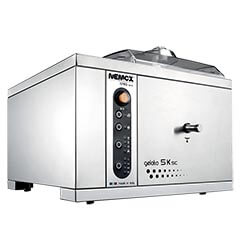
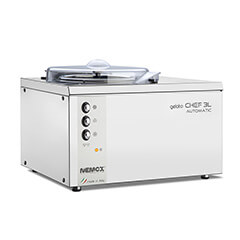
Soft, hard, and gelato ice cream machines, specialized according to ice cream production techniques and targeted consistency, are produced to increase the menu variety and profitability of businesses. Soft serve ice cream machines, known for their fluid consistency and ease of tap service, provide speed and efficiency in busy spots by adding volume to the product with air pump technology. Hard ice cream machines designed for traditional cone ice cream presentation show high performance in producing classic flavors in a dense and shapeable structure. Professional gelato machines developed for the gourmet taste of Italian cuisine allow the preparation of denser, creamy, and rich-flavored artisan ice creams with a low air ratio.
According to Layout Type
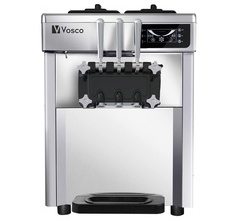
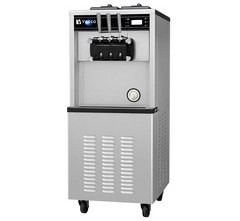
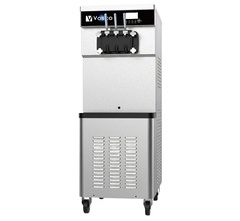
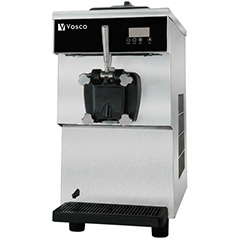
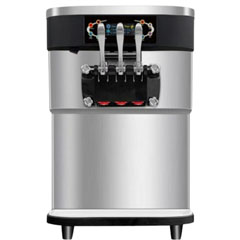
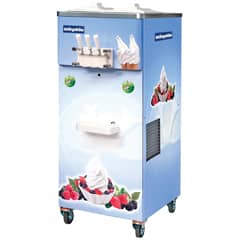
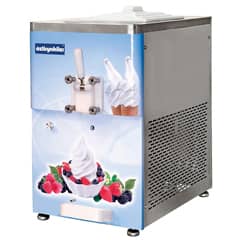
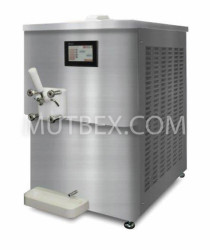
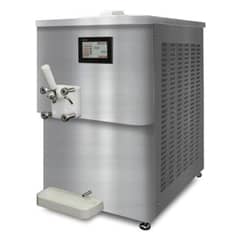
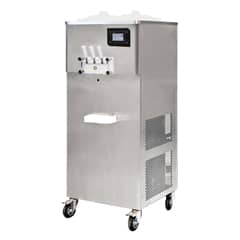
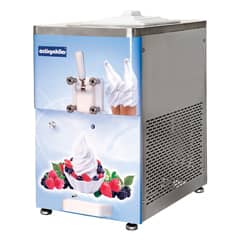
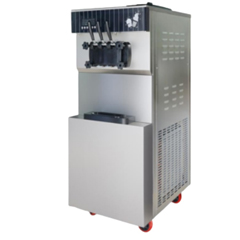
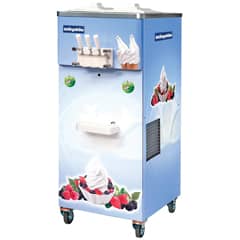
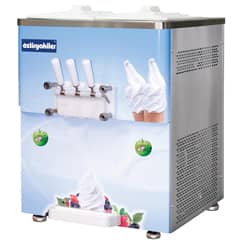
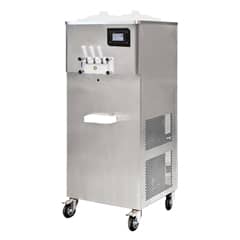
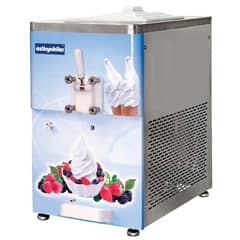
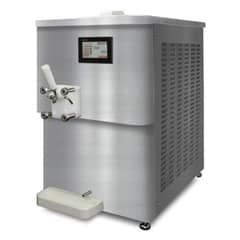
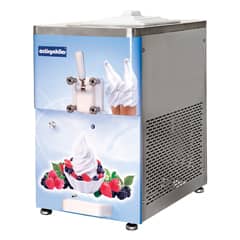
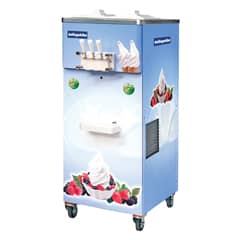
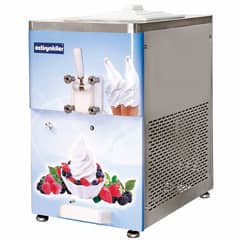
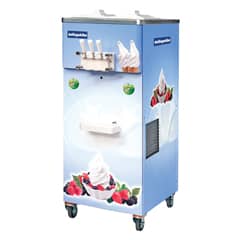
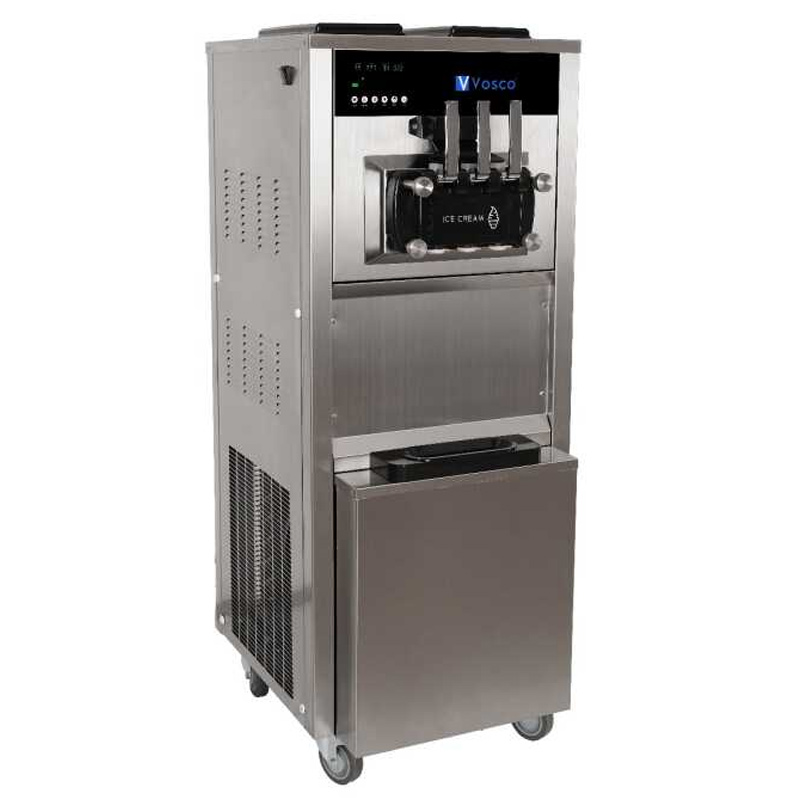
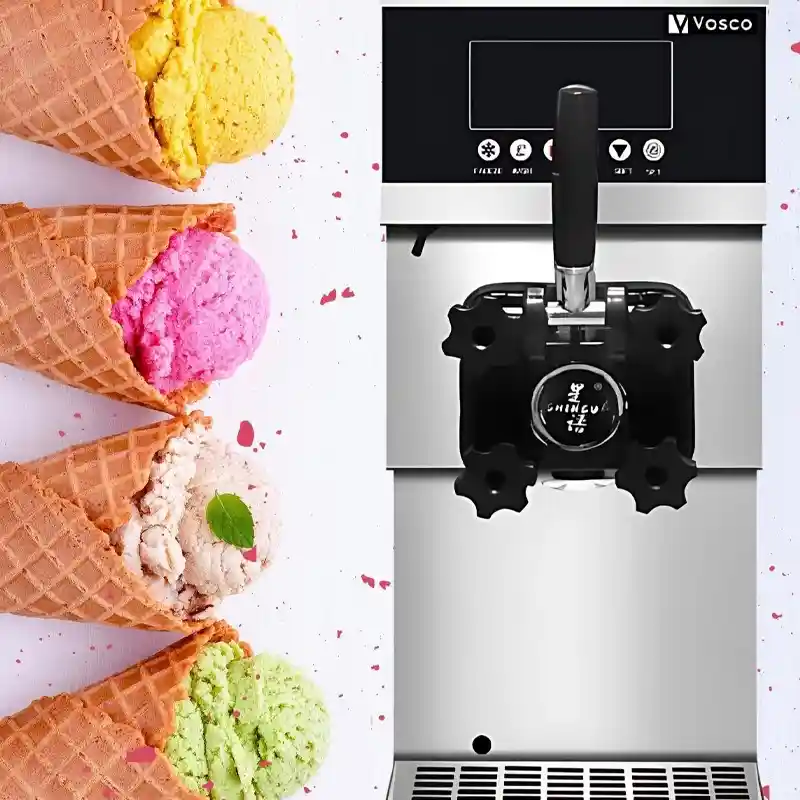
Countertop and freestanding ice cream machine models, designed according to the architectural structure, counter width, and production capacity needs of businesses, offer space-specific solutions. Countertop ice cream machines, ideal for cafes, buffets, and small businesses with space constraints, allow professional ice cream production by taking up minimum space on the counter with their compact dimensions. In contrast, freestanding ice cream machines, preferred in shopping malls, hotels, and open areas with heavy pedestrian traffic, can be easily moved thanks to their wheeled structures and generally provide uninterrupted service with larger tank capacities.
According to Number of Handles
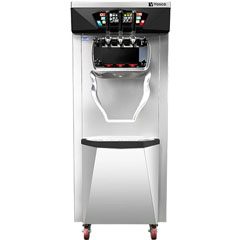
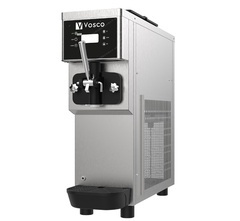
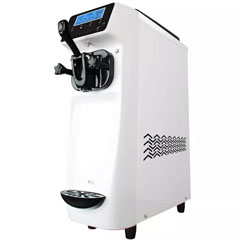
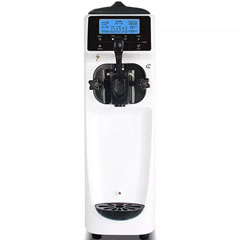
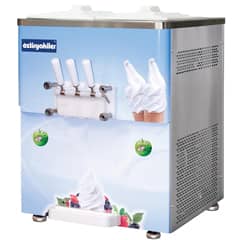
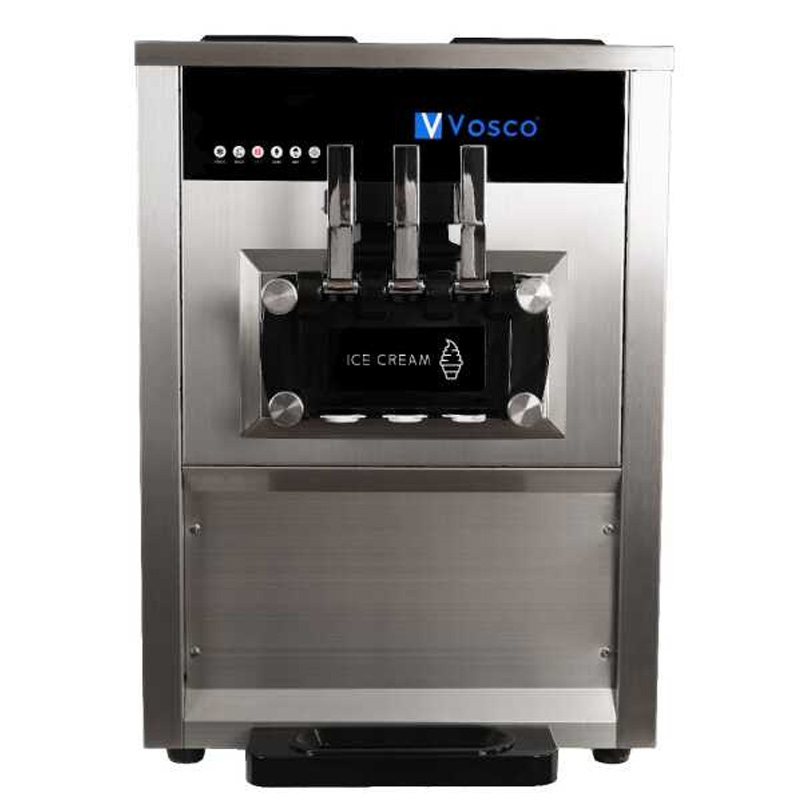
Single-handle and three-handle ice cream machine models are preferred according to the flavor variety and menu richness businesses want to offer. While single-tap models offer a compact and practical solution for spots focusing on a single signature flavor or plain ice cream; three-handle ice cream machines stand out in businesses wanting to increase customer options. In three-handle models, the right and left handles serve the flavors in independent tanks separately. The middle handle allows offering a third and mixed flavor alternative to customers by taking ice cream from both tanks simultaneously and in equal rates thanks to a special mixing valve. Thanks to this system, three different product types as plain, flavored, and mixed can be served from a single device.
Industrial Ice Cream Machine Prices
Ice cream machine prices vary widely according to the production capacity of the device, the power of the cooling system, and the technological equipment it possesses. The most important factors determining pricing are whether the machine is of soft, hard, or gelato production type and the number of handles. While countertop models and single-handle machines offer more economical solutions for entry-level businesses; three-tap and freestanding industrial type machines designed for spots with high customer traffic ensure the price-performance balance.
Our Videos
Summer Season Favorite Vosco Soft Ice Cream Machines | Mutbex
One of the most demanded products by businesses in the summer months is quality and fast soft ice cream production. Vosco soft ice cream machines, which respond to this need most efficiently, offer special solutions for different business types with countertop and wheeled options, 3-handle and single-handle models.
How to Prepare Ice Cream with Vosco Ice Cream Machine? | Step by Step Ice Cream Making #vosco
In today's video, we examine the ice cream preparation process step by step with the Vosco Ice Cream Machine, one of the indispensables of professional kitchens.
Vosco Ice Cream Machine Cleaning | Step by Step Correct Maintenance and Hygiene
In today's video, we discuss Vosco Ice Cream Machine cleaning, one of the most critical points of hygiene in professional kitchens.
Industrial Ice Cream Machine Brands
Models developed by leading manufacturers such as Öztiryakiler, Vosco, and Nemox in ice cream machines allow businesses to increase their menu variety and achieve perfect consistency with a wide product range suitable for different production techniques such as soft, hard, and gelato.
Frequently Asked Questions About Ice Cream Machines
Question: What is the difference between a Soft and Hard (Gelato) ice cream machine?
Answer: Soft serve machines are devices that serve ice cream at around -6°C in a fluid and soft consistency from a tap. Hard ice cream (Gelato) machines produce traditional ice creams that are frozen between -12°C and -14°C, taken into a tub and served with a spoon, being denser with a lower air ratio.
Question: What does the "Air Pump" do in an ice cream machine?
Answer: The air pump is a system that pumps air into the ice cream mix as it descends into the cylinder, increasing (bulking) the volume of the ice cream. This feature ensures the ice cream is creamier and softer, while allowing more portions (cones) to be obtained from the same amount of mix, increasing business profitability by 40% to 80%.
Question: What is Night Mode (Standby Mode) and why is it important?
Answer: Night mode keeps the ice cream mix in the tank and cylinder without spoiling at +4°C storage conditions when the business is closed or sales stop. Thanks to this feature, there is no need to empty the mix every day, product waste is prevented, and the machine becomes ready for service quickly in the morning.
Question: How often should cleaning be done in ice cream machines?
Answer: Daily cleaning is the general standard for food hygiene and machine performance. However, in advanced models with pasteurization features, the cleaning period can extend up to 14-30 days as the mix inside the machine is purified from bacteria by heat. Regular cleaning extends the life of the gaskets and prevents the taste of the ice cream from deteriorating.
Question: Can Frozen Yogurt or Sorbet be made with the machine?
Answer: Yes, most professional soft ice cream machines are suitable for making Frozen Yogurt when the appropriate mix (powder or liquid mix) is used. In hard ice cream machines, water-based fruit ice creams (Sorbet) can be easily produced as well as dairy ice creams.
Question: Why does ice cream ice up?
Answer: Icing usually results from an unbalanced sugar/water ratio of the mix, the machine waiting for too long, or the blades inside the cylinder being worn out. Using a high-quality ice cream powder/mix and maintaining the machine on time prevents icing.
Question: How do Single, Two, and Three-handle machines work?
Answer:
- Single handle: Has a single tank, dispenses only one type (e.g., Plain) of ice cream.
- Two handles: Generally rare, dispenses two separate types.
- Three handles: Has two separate tanks. Two different flavors (e.g., Vanilla, Chocolate) are taken from the right and left taps, and a mixture (Mix) of these two is taken from the middle tap.
Question: How should machine capacity (Liter/Hour or Cone/Hour) be chosen?
Answer: The sales speed of the business during peak hours should be taken as a basis. For example, a low-capacity machine will be insufficient for a business selling 300 cones per hour, and the ice cream will become runny. High capacity and strong compressor models should be selected for malls or busy streets requiring mass production.