 Track Order


Coffee Pots and Teapots
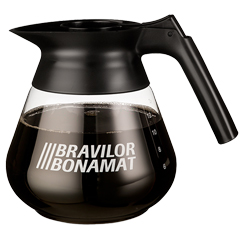
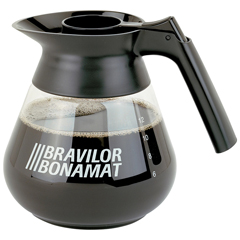
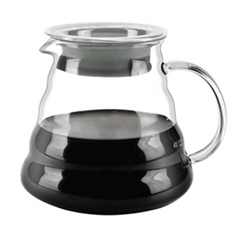
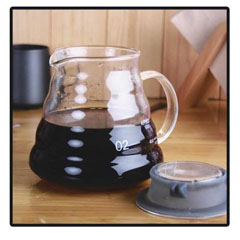
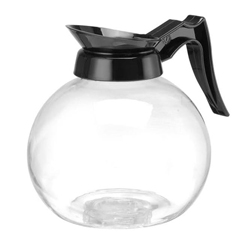
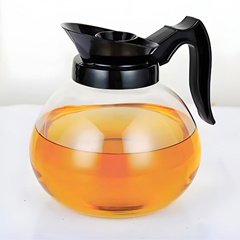
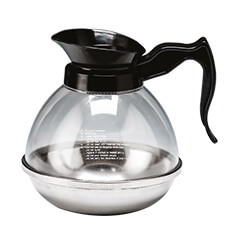
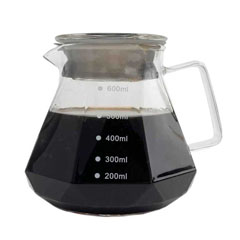
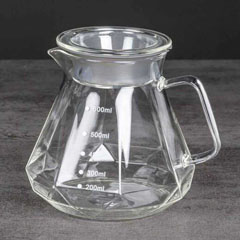
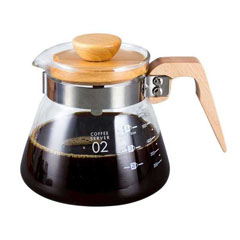
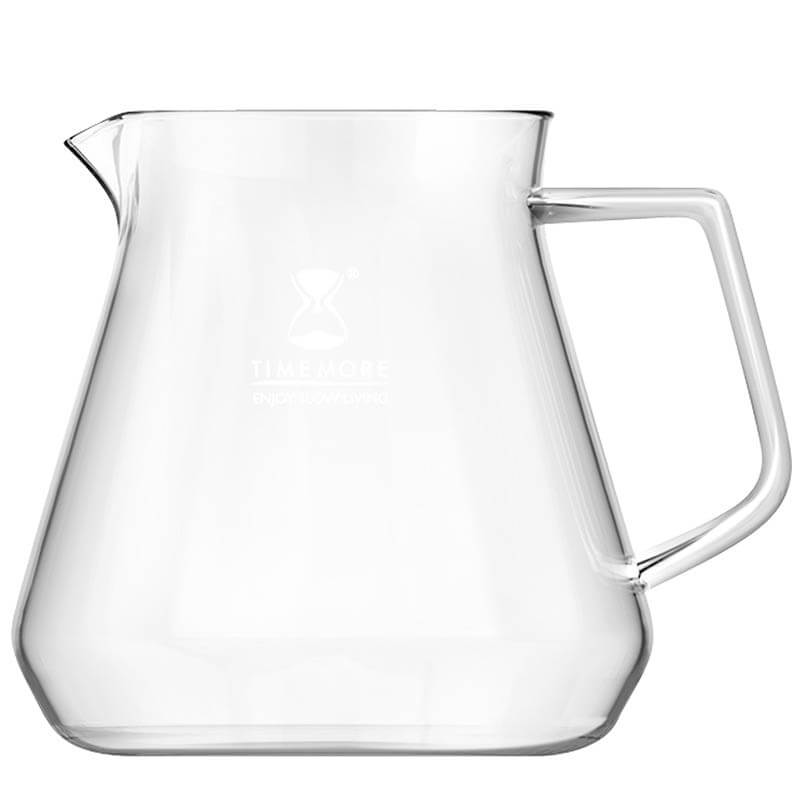

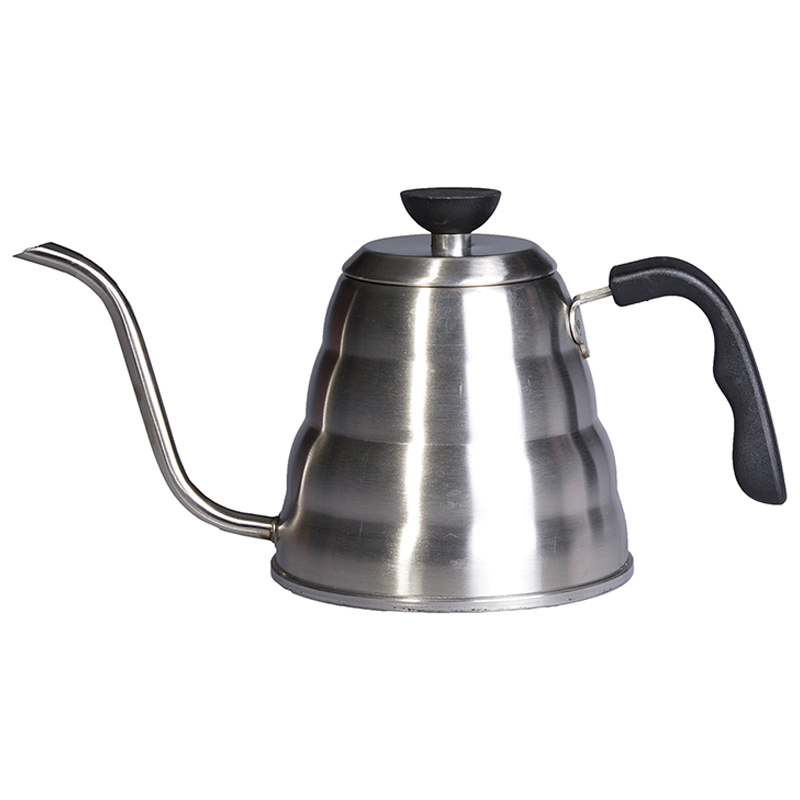
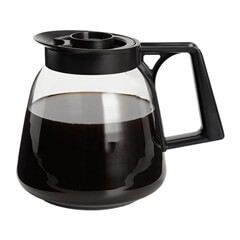
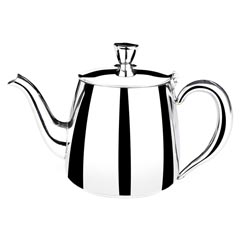
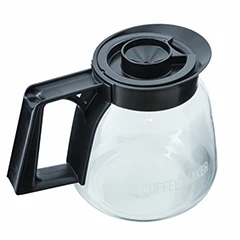
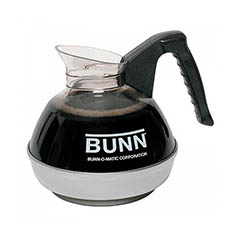
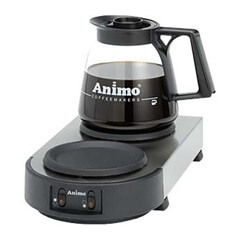
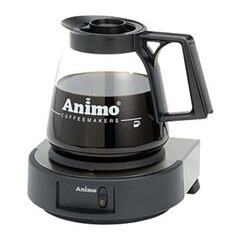
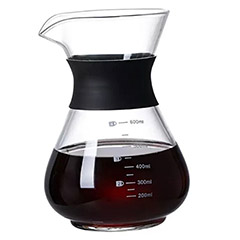
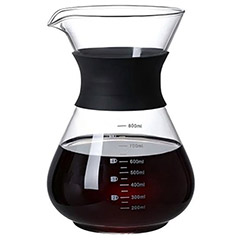
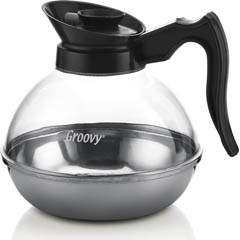
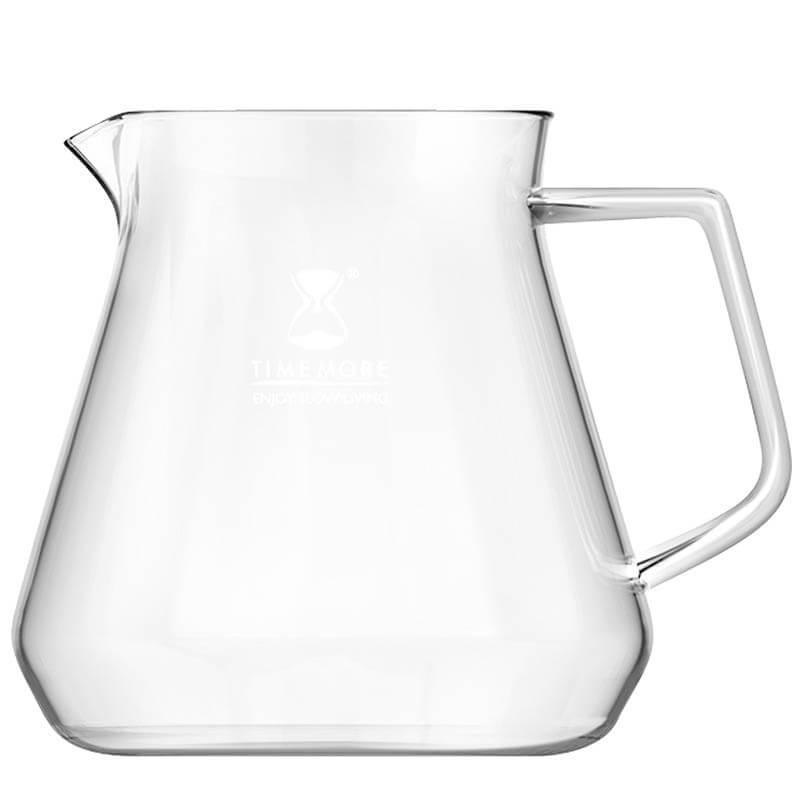
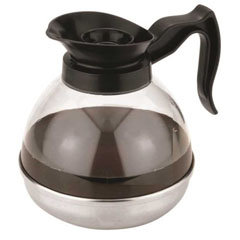
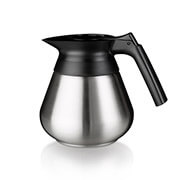
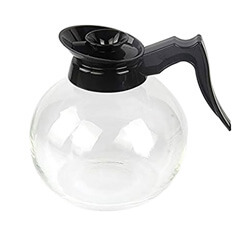
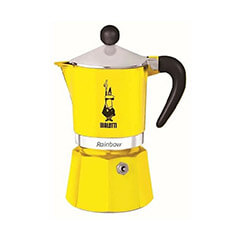
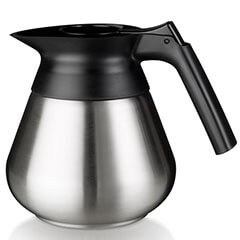
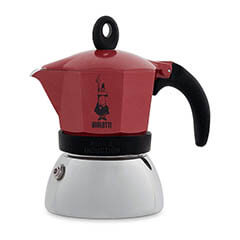
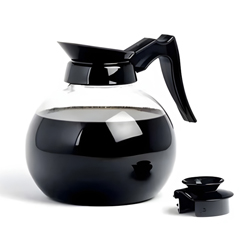
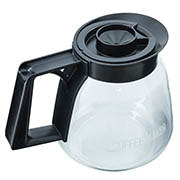
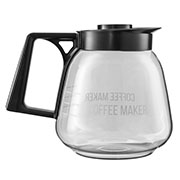
The Art of Presentation: Glass and Steel Coffee Pots
Coffee pots are basically composed of two structures; glass and steel pots. Highlighting the elegance of presentation, glass coffee pots are produced with laboratory-grade heat-resistant borosilicate glass technology, making them resistant to sudden temperature changes. On the other hand, for those who prioritize thermal insulation, there are stainless steel pots. Whether stainless steel or glass, these are indispensable equipment for filter coffee machines. Additionally, there are moka pots, one of the pioneers of the Italian coffee tradition. Let's examine each type in detail:
Types of Professional Coffee Pots:
Glass Coffee Pots:
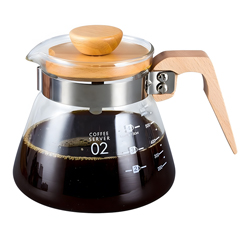
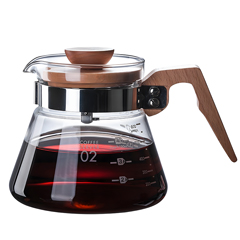
Since glass coffee pots are produced with laboratory-grade heat-resistant borosilicate glass technology, these equipment show high resistance to temperature changes. Thanks to the smooth and non-porous structure of the glass, it does not trap the smell of coffee or herbal teas on the surface; thus, it does not change the aroma of the drink in each brew. Glass models, which make it easy to monitor the brewing process and track the remaining amount thanks to their transparent structures, are an aesthetic complement in modern kitchens.
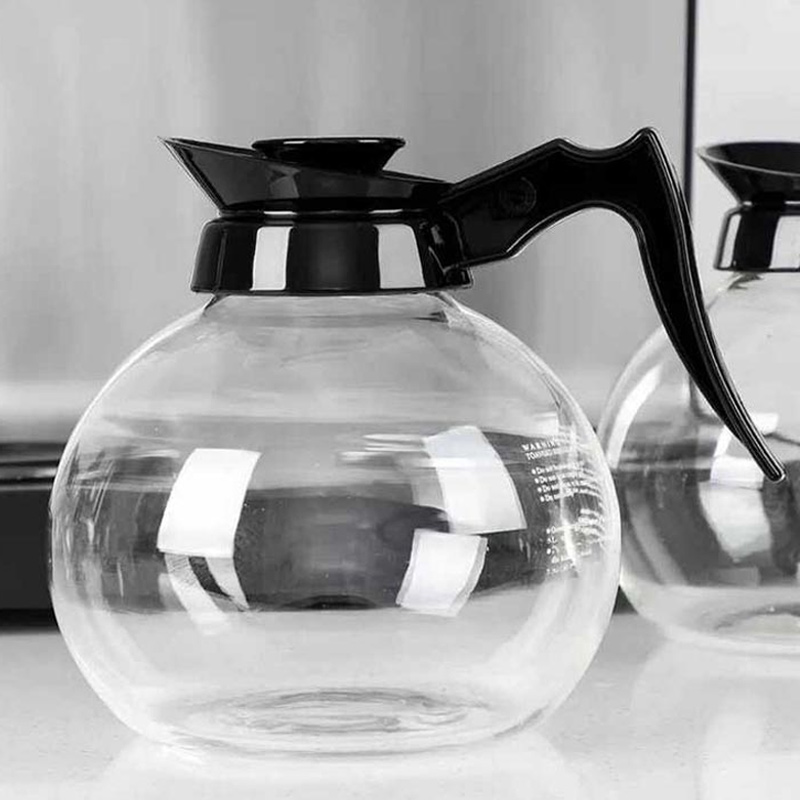
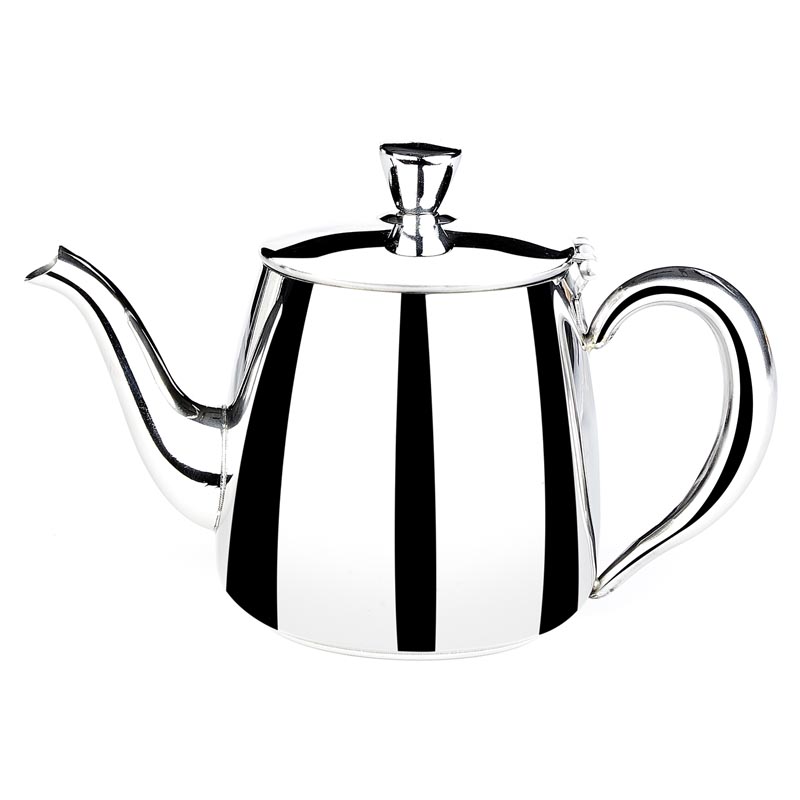
Steel Coffee Pots:
Steel coffee pots are an indispensable alternative for those who prioritize durability and thermal performance. Steel bodies offering lifetime use against breakage maintain the temperature of your drink for a much longer time compared to glass models. Preferred in both professional barista presentations and daily intensive use, steel pots combine functionality with an industrial style with their corrosion-resistant hygienic structures, special non-drip spout designs, and matte or glossy surface options.
Moka Pots:
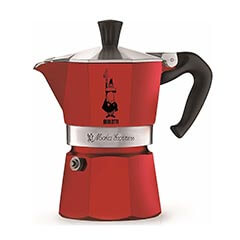
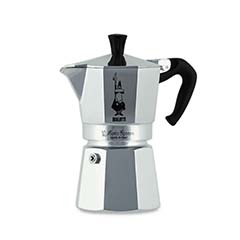
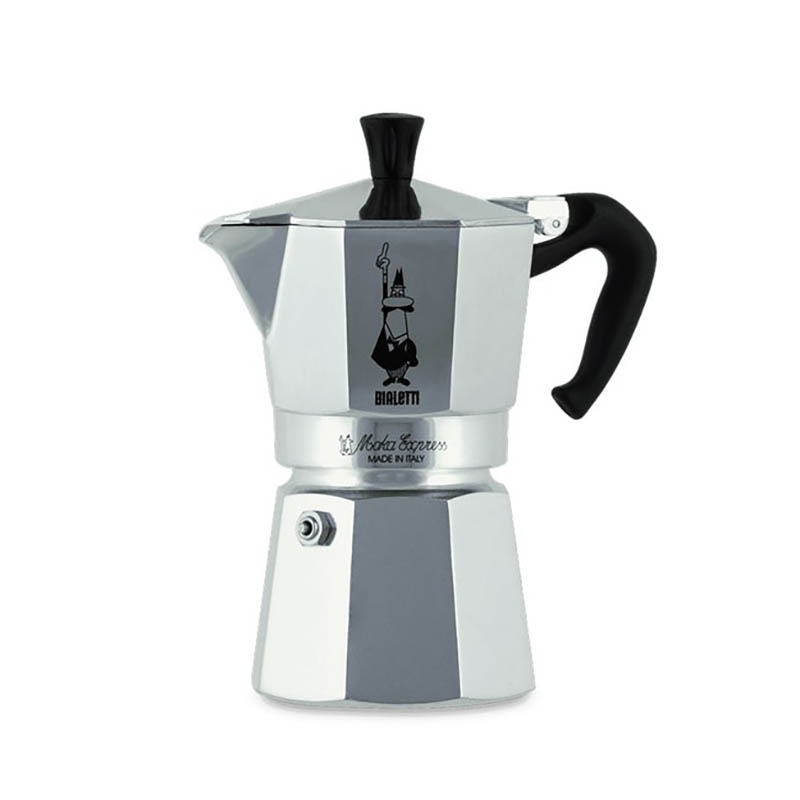
The Moka Pot, the most rooted and iconic representative of the Italian coffee tradition, is an equipment that allows you to get the closest result to espresso flavor in a home environment without the need for expensive machines. Also known as "stovetop espresso" and working on the principle of pressurized water steam, in this system, water filters through the coffee bed and fills the upper chamber. This method leaves an extremely intense, strong coffee experience on the palate as a result of brewing. Especially for those who want to start the day vigorously and enjoy intense coffee taste, Moka Pot is the most practical solution in the kitchen.
While traditional octagonal designed aluminum models offer that classic nostalgic taste with fast heat conduction; modern stainless steel models are the favorite of industrial kitchens thanks to their easier-to-clean structures and compatibility with induction cookers. Its mechanical structure requiring no electricity or paper filters makes Moka Pots a durable coffee brewing tool not only for home use but also for camping and outdoor activities.
Coffee Pots Prices
The prices of coffee pots vary according to the product's brand, quality, and material. There are coffee pots suitable for every need and desire.
What Should I Look for When Buying a Coffee Pot?
When choosing the coffee pot that suits your needs, you must first determine your intended use. If presentation and aesthetics are at the forefront, borosilicate glass should be preferred; if durability and heat retention are priorities, stainless steel models should be preferred. Moka pots are ideal for those who love intense espresso taste. For more detailed information, you can review our buying guide.
Our Videos
Ideal Kettle for V60 Brewing: Kumtel HCK-02 Digital Kettle Detailed Review!
In this video, we examine the Kumtel HCK-02 digital, heat-adjustable kettle model, a must-have in coffee lovers' kitchens, together with you. We both take a close look at its technical features and explain why such kettles are indispensable in pour-over brewing methods like V60 and Chemex.
Vosco KD-CG018 Barista Type Coffee Grinder Digital, Precise and Professional Grinding! ☕#coffee
The best grinding experience for coffee enthusiasts is here! ☕🔥 Vosco KD-CG018 Barista Type Digital Coffee Grinder is designed to bring out the aroma of your coffee in the best way. So, why is this coffee grinder so special? Here are the advantages offered by Vosco in full detail!
Bravilor Bonamat Novo Filter Coffee Machine 1.7 Liters of Coffee in 5 Minutes Without Water Connection!
In today's video, we are examining the Bravilor Bonamat Novo Filter Coffee Machine, one of the most practical solutions for professional kitchens, in detail. This video serves as a guide especially for those who want to offer fast and quality coffee service in offices, hotels, cafes, or open buffet service points!
Coffee Pots Brands
In the quality coffee pots production sector; there are brands producing professional and durable pots such as Öztiryakiler, Animo, Bialetti, Biradlı, Bravilor Bonamat, Epinox, Groovy, Timemore, Zicco.
Related Blog Posts
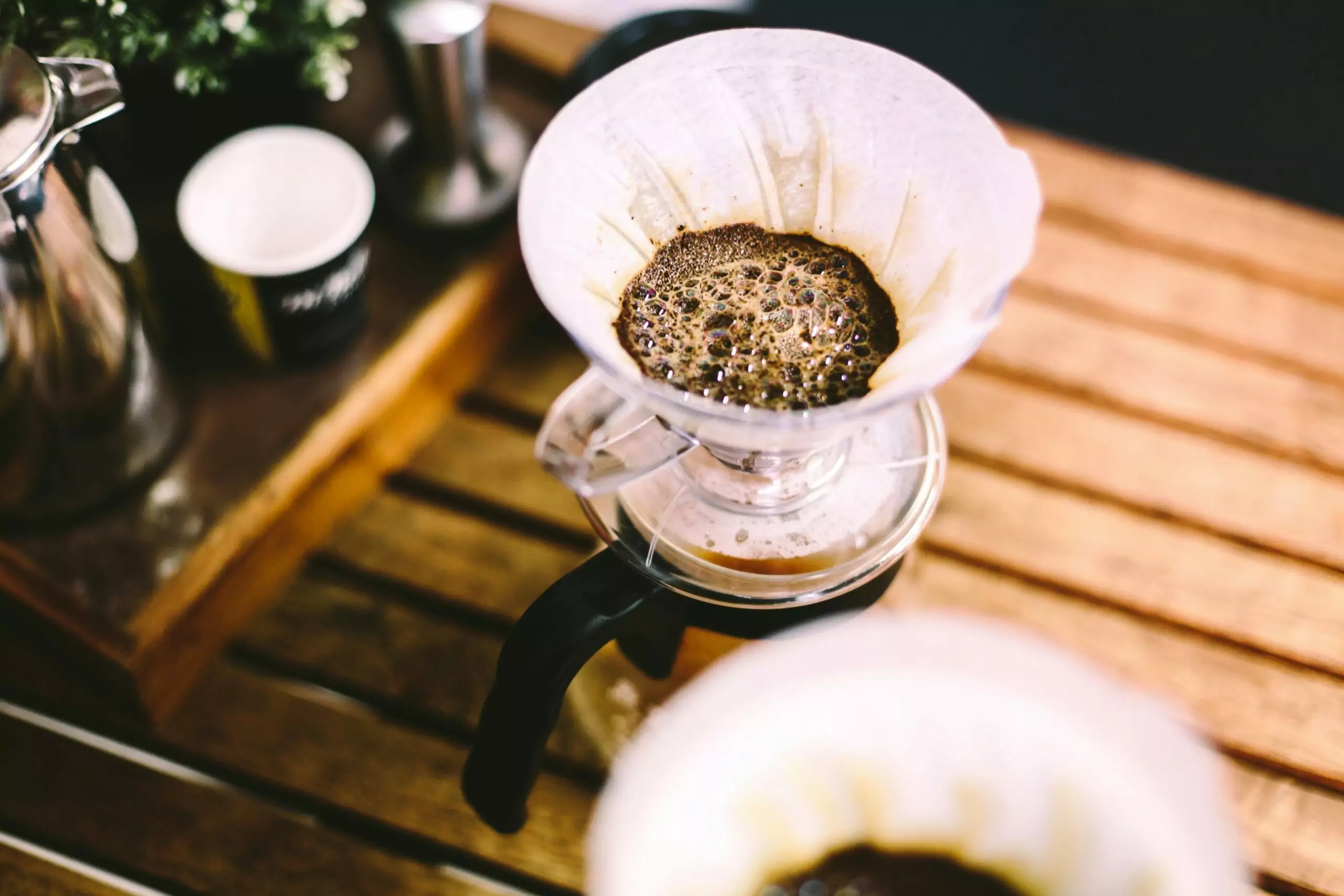
Coffee Brewing Methods: 8 Different Techniques for the Perfect Cup
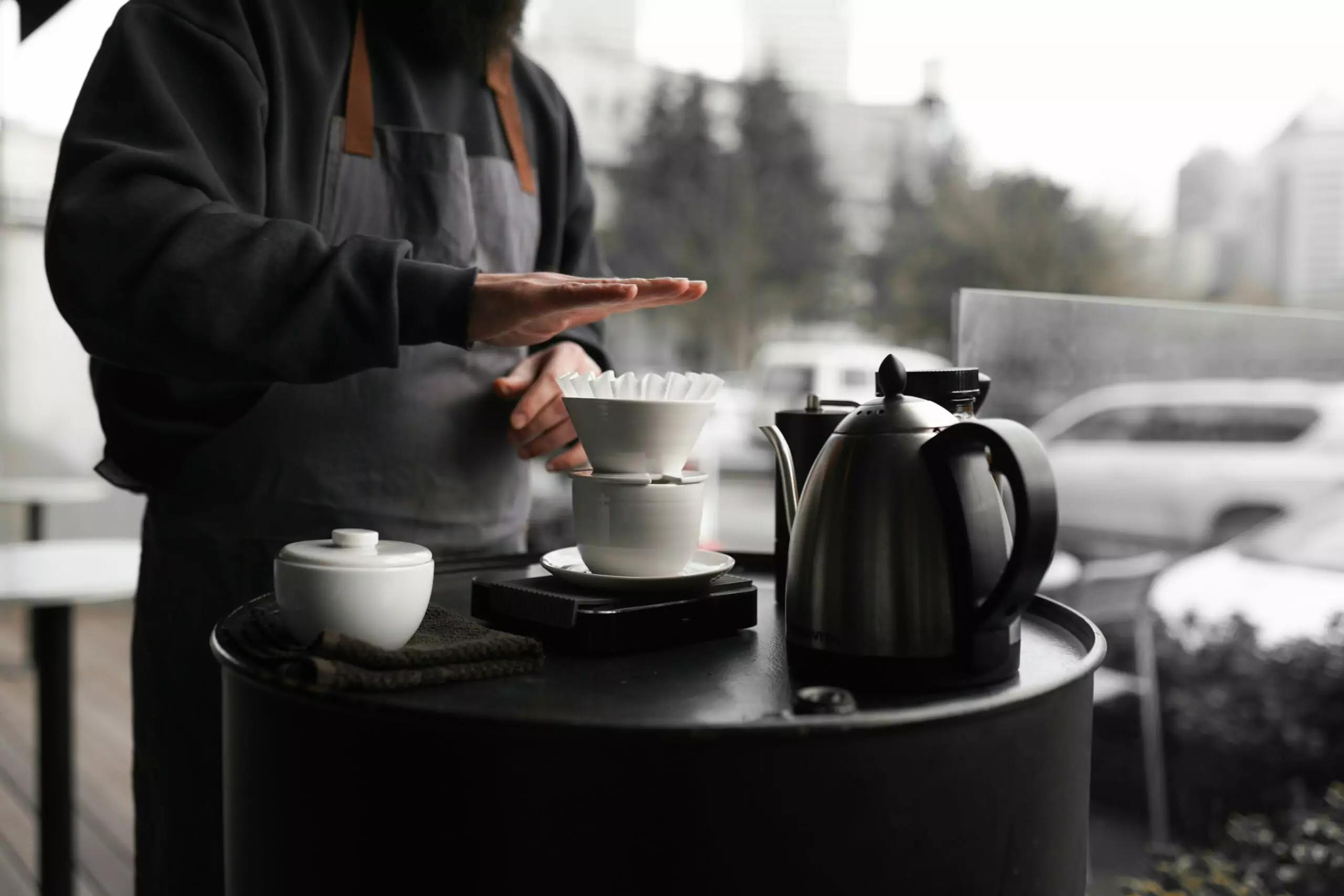
Alternative Coffee Equipment That Increases Quality in Cafes
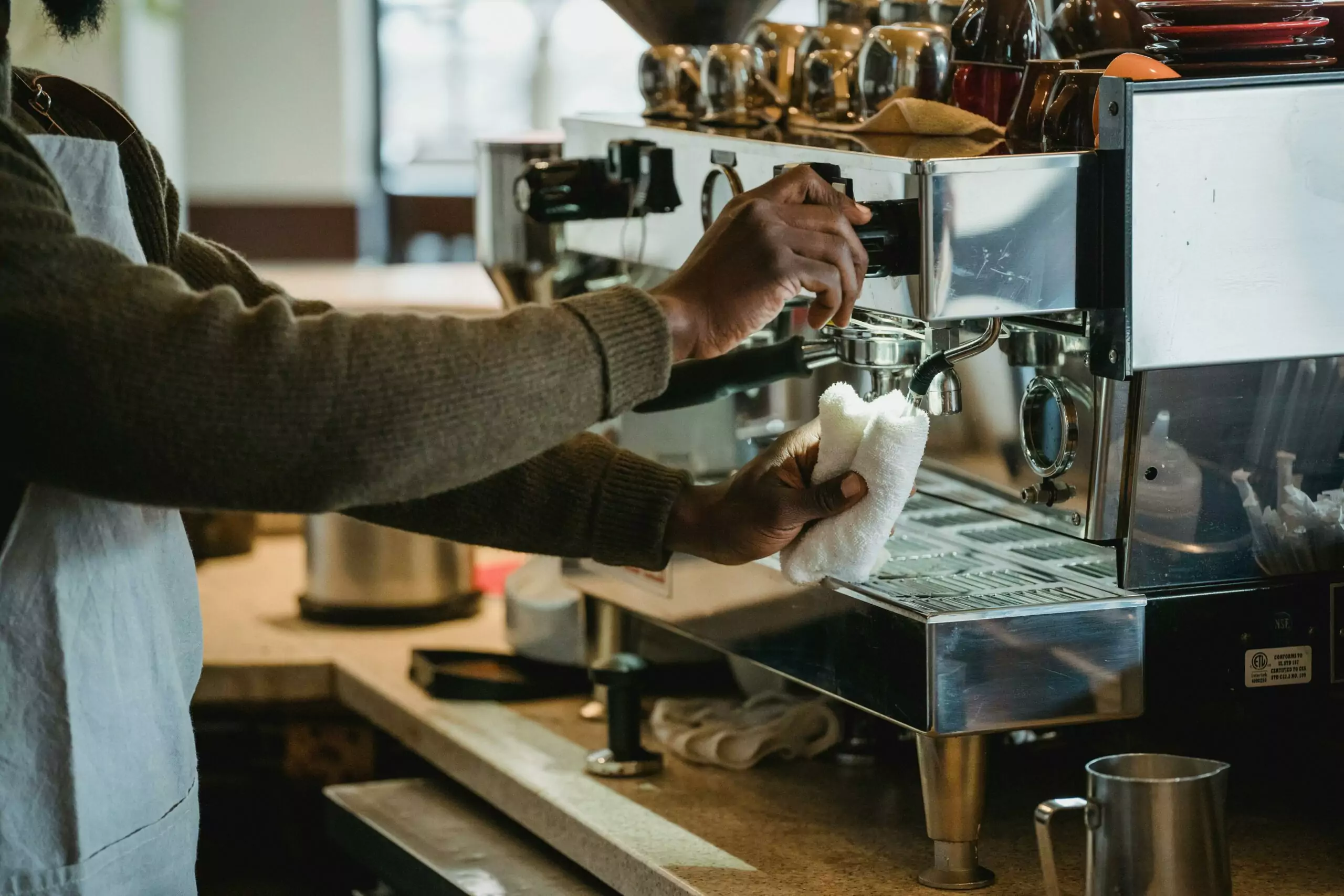
Coffee Machine Cleaning and Maintenance Guide
Frequently Asked Questions About Coffee Pots
Question: Can glass coffee pots be placed directly on the stove?
Answer: No, the vast majority of these products are for service and brewing purposes only. Although borosilicate glass is heat resistant, "spot high heat" occurring when in direct contact with gas stove fire or electric heater can cause the glass to crack.
Question: How long does the coffee pot keep the drink hot?
Answer: The thermal insulation property of glass pots is low; the coffee starts to cool down within about 15-20 minutes after brewing. If keeping the heat for a long time is a priority for you, you should prefer "Double Wall Stainless Steel" service pots instead of glass models.
Question: What is the advantage of models with lids, can they be used without lids?
Answer: The lid is important for trapping the heat and aroma of the coffee inside after brewing is finished. Most models have a silicone seal on the lid, which prevents the lid from falling during pouring. The lid is removed when brewing with a dripper, and attached when serving.
Question: Can herbal tea be brewed in a coffee pot?
Answer: Since glass pots do not retain odors, you can serve coffee and brew herbal tea in the same pot. When you wash it, the smell of the previous drink goes away completely. Thanks to its wide-mouth structure, you can prepare stylish presentations by throwing fresh fruits and herbs into it.
Question: Can glass pots be washed in the dishwasher?
Answer: Yes, borosilicate glass jugs can be washed in the dishwasher. However, to prevent the glass from becoming dull over time and breaking due to impact, care should be taken to place it in the machine so that it does not hit other glasses, or it should be washed by hand with a soft sponge.
Question: What is the advantage of steel service pots compared to glass ones?
Answer: Since steel pots are "unbreakable", they are especially suitable for camping, caravans, or busy office environments. Also, double-layered ones (thermos) retain heat much better. The disadvantage is that you cannot see how much coffee is left inside because they are not transparent.
Question: Does the coffee pot turn yellow over time, how is it cleaned?
Answer: High-quality borosilicate glasses are non-porous and do not stain easily. However, if your water is calcareous or if coffee is kept in it for a very long time, slight dullness or brown rings may occur over time.
Solution: Instead of chemical detergents, if you put some vinegar and baking soda (or citric acid) in it and let it sit with hot water, it will regain its first-day shine.