 Track Order


Tea Machines

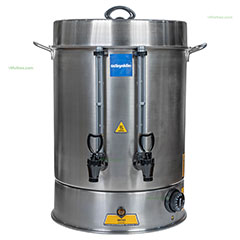
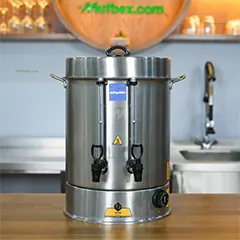
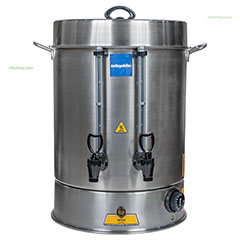
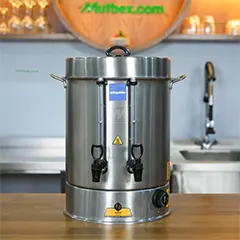
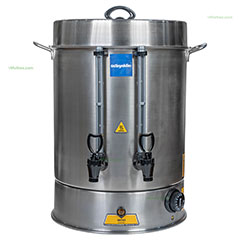
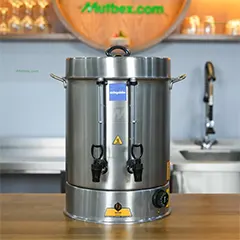
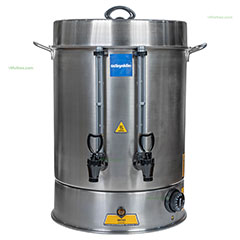
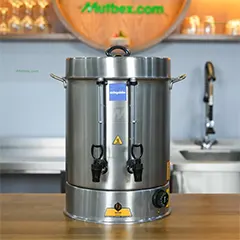
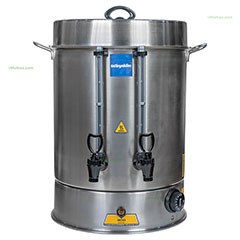
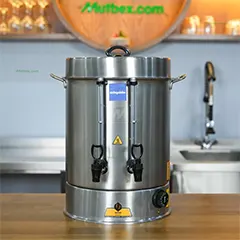
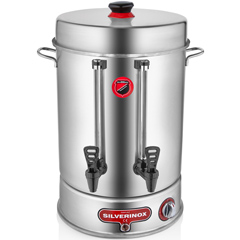
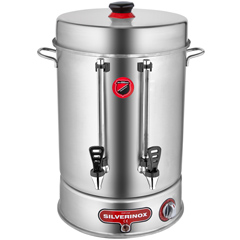
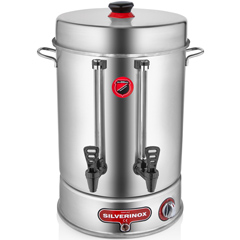
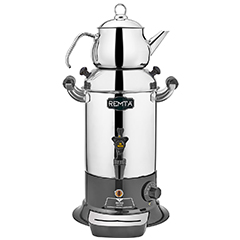
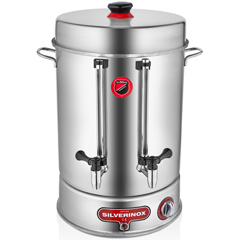
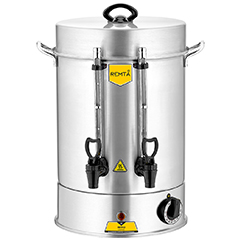
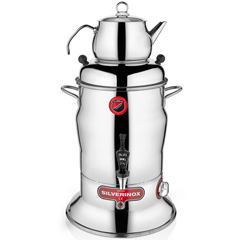
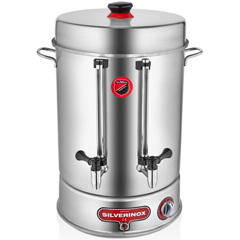
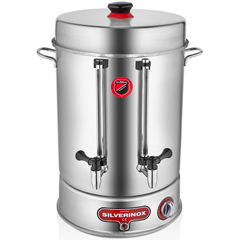
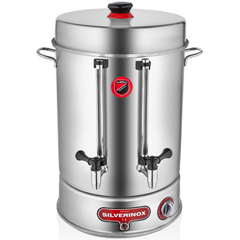
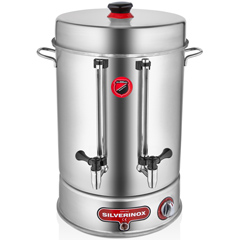
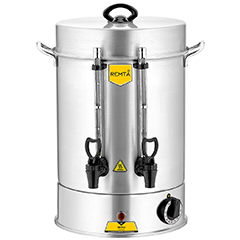
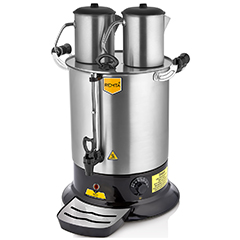
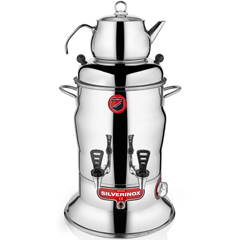
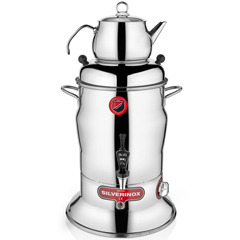
What is a Tea Machine?
A tea machine is kitchen equipment powered by electric or manual systems that simplifies the tea brewing and service process. Used in areas ranging from homes to offices, hotels to restaurants, tea machines stand out with their practical use, energy efficiency, and aesthetic designs.
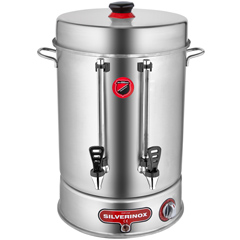
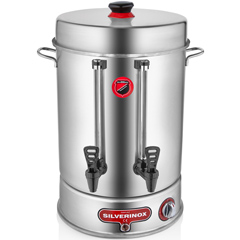
Industrial tea machine models have high capacity and are preferred in areas like dining halls, cafes, and hotels. Thanks to commercial tea machine options, businesses can serve hundreds of cups of tea in a short time with the same consistent taste.
Tea machines are ideal for smaller operations compared to tea boilers. For businesses with very high tea consumption, such as traditional tea houses, the use of a tea boiler (tea urn) is recommended.
Tea Machine Models
Tea Machines by Capacity
Tea machines are generally classified by their hourly tea production capacity, namely the number of cups. For example, names like "80 cups" or "500 cups" express the maximum capacity of the device. While capacity in tea boilers is measured in liters, tea machines are based on the number of cups. For instance, a 7-liter tea machine has a capacity of approximately 60 cups. A 250-cup tea machine corresponds to approximately 23 liters of water volume. Therefore, capacity information is crucial when making a choice.
To choose a suitable tea machine, the area of use must be considered. While 40–100 cup tea machines are sufficient for small-scale businesses, models with 100–500 cup capacity are preferred in medium-sized enterprises. For larger businesses, tea boilers are recommended to ensure uninterrupted service. Thanks to their practical setup and portability, tea machines are also frequently used in organizations such as meetings, invitations, and weddings. For home use, tea samovars are a great option, while KitchenAid tea maker models in kettle sizes are an ideal alternative for those looking for more compact solutions.
By Teapot System
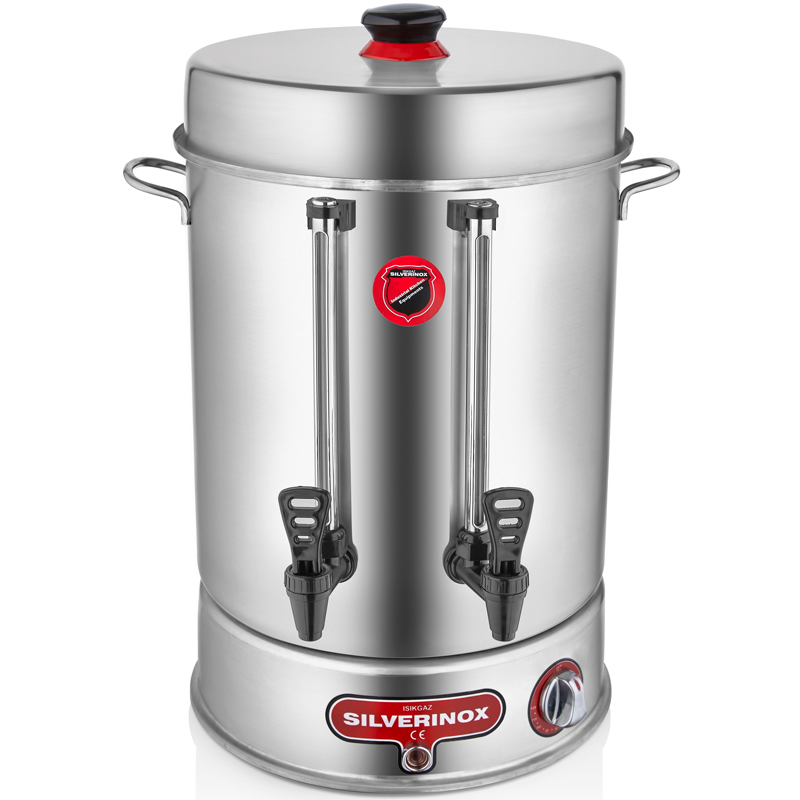
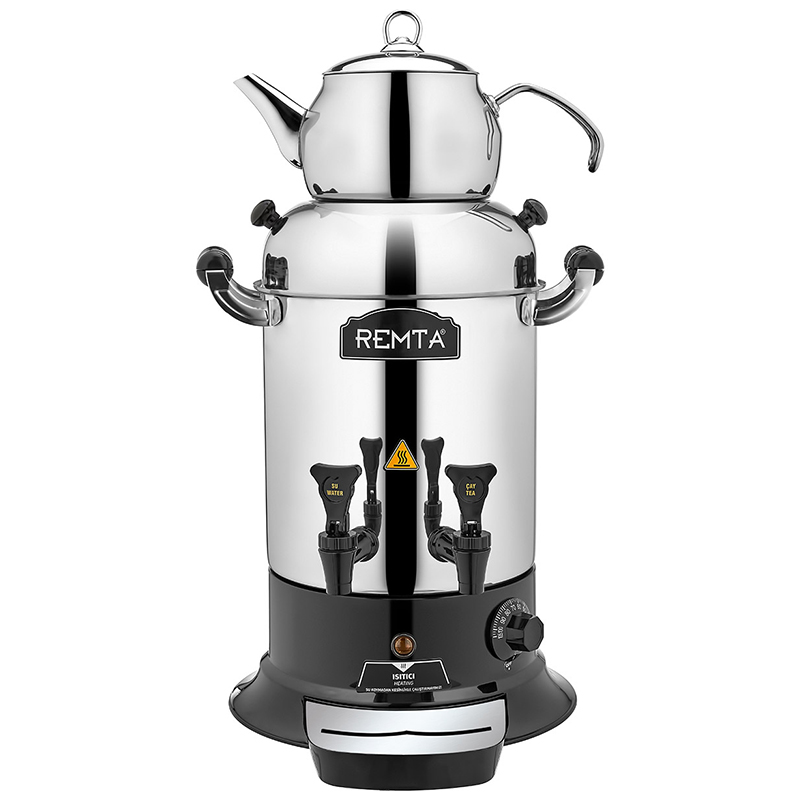
Tea machines are divided into two groups according to the teapot system: internal teapot and external teapot. In internal teapot models, the teapot is located inside the body of the machine; this offers a more compact structure and takes up less space. In external teapot tea machines, the teapot is positioned on the top or side of the device. This system is suitable especially for high-volume use areas as it allows brewing tea in larger quantities.
By Design
Modern tea machines can have stainless steel, glass, or porcelain teapots. Minimalist designs harmonize with home kitchens, while more stylish and flashy models are preferred in cafes. Electrostatic painted designs are preferred for machines to be positioned in areas where customers can see them.
Tea Samovars and Dispensers
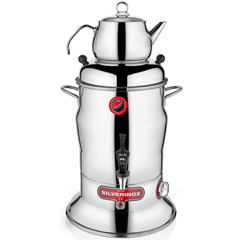
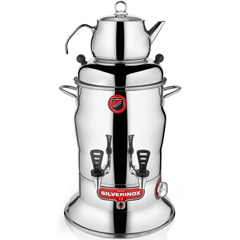
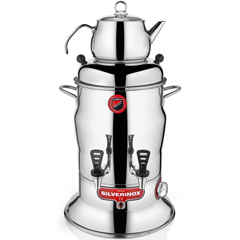
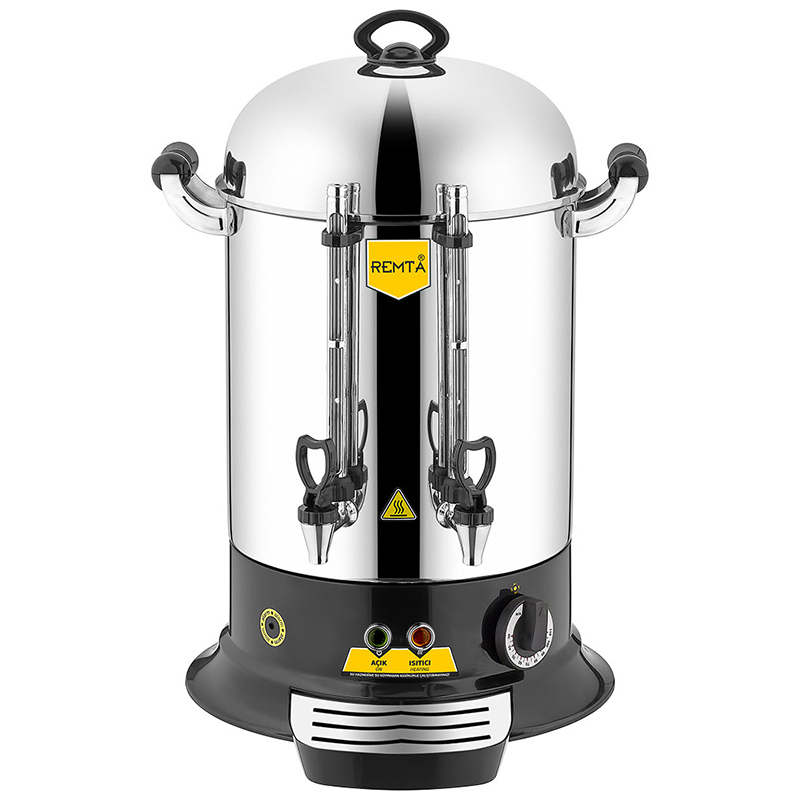
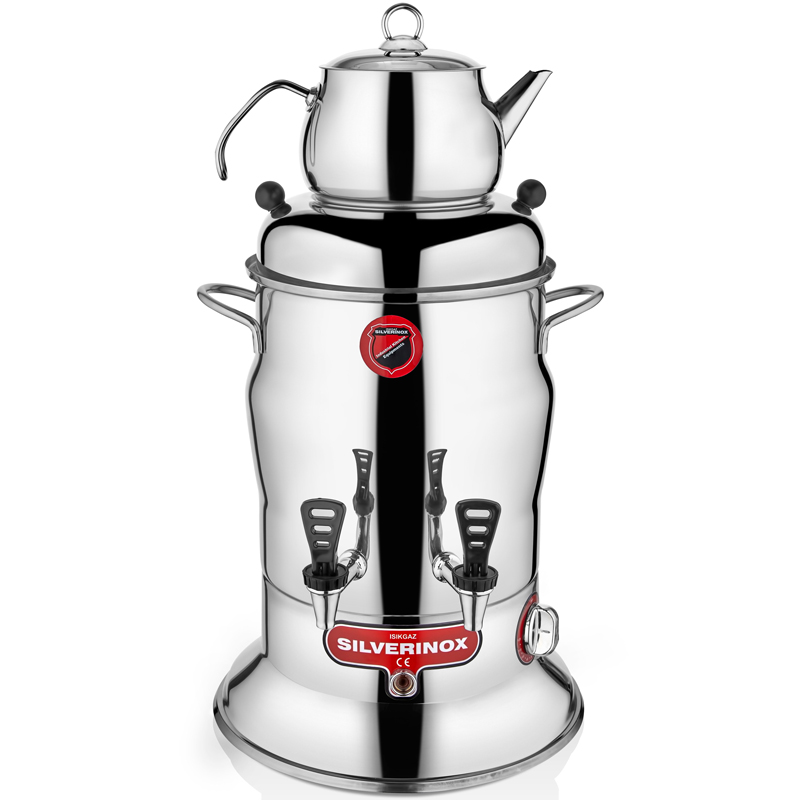
The tea samovar is the most classic form of tea machines. Thanks to their aesthetic designs, they provide a stylish presentation opportunity in areas visible to customers. They can be used in self-service units, meetings, and invitations. They are also suitable for home use.
Tea dispensers are practical devices that facilitate self-service tea presentation, especially in crowded environments. These machines, which can work with coin or card systems, provide tea service per cup to the user. They are preferred in mass consumption areas such as factories, dining halls, public institutions, and offices. They require less personnel than traditional tea machines and increase service speed. Modern tea dispensers are suitable for long-term use thanks to their hygienic water tank, automatic temperature control, and easy cleaning features.
Tea Machine Prices
Tea machine prices vary according to capacity, material used, energy system, automatic features, and brand preference.
- Home type models: More affordable.
- Industrial and commercial models: The price range is higher as they offer high capacity and long life.
- Copper samovars: Subject to special pricing as they are produced with hand craftsmanship.
You can visit Mutbex.com for up-to-date tea machine prices.
Our Videos
Tea Machine Buying Guide
Choosing the right capacity and model for your business
What Should I Consider When Buying a Tea Machine?
The following criteria should be considered when choosing a tea machine:
- Capacity: 40–100 cup models are suitable for small businesses, and 100–500 cup models for medium-sized businesses. A tea boiler should be preferred for large enterprises.
- Teapot system: Internal teapot models take up little space with their compact structure. External teapot models are ideal for higher capacity.
- Design: Stylish electrostatic painted models can be preferred in areas in contact with customers. Compact machines with glass or stainless steel teapots are suitable for home users.
- Additional products: A glass washer is recommended for hygiene and speed. Also, it is beneficial to keep a spare teapot for busy businesses.
You can check Mutbex.com to see all tea machine models and prices.
Tea Machine Brands
- Remta: Known for its affordable and double-walled tea machines. Offers budget-friendly solutions for small and medium-sized businesses.
- Öztiryakiler: One of the deep-rooted brands of the industrial kitchen sector. It is a reliable choice with its durability and service network.
- By Kitchen: Known for its digital tea machine models. Preferred in busy operations due to its ease of use.
Our Related Blog Posts

Most Suitable Tea Machines for Offices

How to Clean a Tea Boiler?

How Do Tea Machines and Boilers Work? What Are Their Faults?
Frequently Asked Questions
Question: What is the difference between a tea boiler and a tea machine?
Answer: A tea boiler is a high-capacity industrial machine. A tea machine offers compact and practical solutions for home, office, or small businesses.
Question: What is the best tea machine?
Answer: It depends on the need. While KitchenAid is suitable for home, industrial tea machines from Öztiryakiler or Remta are recommended for busy businesses.
Question: What determines tea machine prices?
Answer: Capacity, material used, brand, and automatic features are the main factors determining the price.
Question: Should a tea samovar or a tea machine be preferred?
Answer: A samovar should be preferred for traditional presentation, and a tea machine for practicality and safety.
Question: Is a glass washer necessary?
Answer: It is recommended for hygiene and speed in tea houses and cafes where there is a high circulation of glasses.
Question: Is the KitchenAid tea maker suitable for home use?
Answer: Yes, it is ideal for home-type use and stands out with its stylish design.
Question: How many cup capacity tea machine should I buy for the office?
Answer: 40–80 cup models are sufficient for average offices of 10–20 people. 100 cup models are suitable for larger offices.
Question: How is descaling performed for an industrial tea machine?
Answer: After disconnecting the power, the device is emptied. It is cleaned with a food-compatible descaler, then rinsed by boiling clean water a few times.
Question: What is a "talking tea machine"?
Answer: These are models with a voice warning feature. It gives a voice notification when the water boils or the tea is ready.
Question: What type of teapot should I use?
Answer: Steel or porcelain teapots are suitable for businesses. Glass teapots offer an aesthetic and natural taste for the home.