 Track Order


Coffee
From Legend to Cup: The Thousand-Year Adventure of Coffee
The enchanting adventure of coffee begins, according to legends, in the high plateaus of Ethiopia (Abyssinia), in the Kaffa region. Discovered thanks to the shepherd Kaldi, who noticed his goats getting energized and not sleeping after eating red berries, this mysterious fruit was initially consumed by Sufi dervishes as a "source of vitality" to stay awake during night worship. Spreading to the Arabian Peninsula via Yemen in the 15th century, coffee beans moved beyond being just a beverage when roasted, ground, and cooked; with coffeehouse culture, it turned into a social phenomenon settling at the center of conversation, literature, and social life.
The opening of this unique flavor to the world took place through the Ottoman Empire and Istanbul. The original cooking technique developed in the palace kitchen and recorded in literature as "Turkish Coffee" was carried to Europe in the 17th century via Venetian merchants and ambassadors. Spreading from the aristocratic salons of Europe to the whole world in a short time, coffee became the intellectual fuel of the Age of Enlightenment and has today become the second largest traded raw material in the world after oil. This thousand-year journey extending from the field to the cup continues to evolve with 3rd wave movements and qualified brewing techniques, continuing to unite flavor enthusiasts.
This adventure possesses a wide variety with the formation of various coffee types and blends. If we examine these types and blends separately:
Coffee Bean Types
Arabica (Coffea Arabica) – Flavor and Quality
It constitutes approximately 60-70% of world coffee production. This is the type that comes to mind when mentioning Specialty Coffee.
- Taste Profile: It has a very wide range. It can contain fruity, floral, citrus notes, chocolate, and caramel flavors. Its acidity (not sourness, but brightness) is high. It is soft to drink.
- Growing Conditions: Grows at high altitudes (between 600m - 2000m), on cool and shady slopes. It is sensitive and delicate against diseases; therefore, growing it is more costly.
- Caffeine Ratio: Low (1% - 1.5%).
Robusta (Coffea Canephora) – Strength and Body
It constitutes approximately 30-40% of world production. It is generally used in instant coffees (granules) or espresso blends.
- Taste Profile: It has a harder, bitter, woody, earthy, and sometimes rubbery taste. Its acidity is low but its body is very high.
- Growing Conditions: Grows at low altitudes and in hot climates. It is very resistant to insects and diseases ("Robust" means durable).
- Caffeine Ratio: Contains about 2 times more caffeine than Arabica (2.2% - 2.7%).
- Usage Purpose: Generally added to blends to lower costs or to add plenty of crema and a caffeine "kick" to espresso.
Liberica (Coffea Liberica)
It constitutes less than 2% of world production. It generally grows in the Philippines and Malaysia.
Feature: Its beans are asymmetric and very large. Its taste is quite different; it offers a strange mix of smoky, woody, and sometimes fruity/floral. Most people liken its taste to "blueberry" or "tobacco" notes.
Excelsa (Coffea Excelsa)
Although formerly thought to be a separate species, it is accepted as a subspecies of Liberica today.
Feature: Grows in Southeast Asia. It has a sharp and tart fruitiness. It is generally used to add depth to blends.
Blend Types
Harrar Blend:
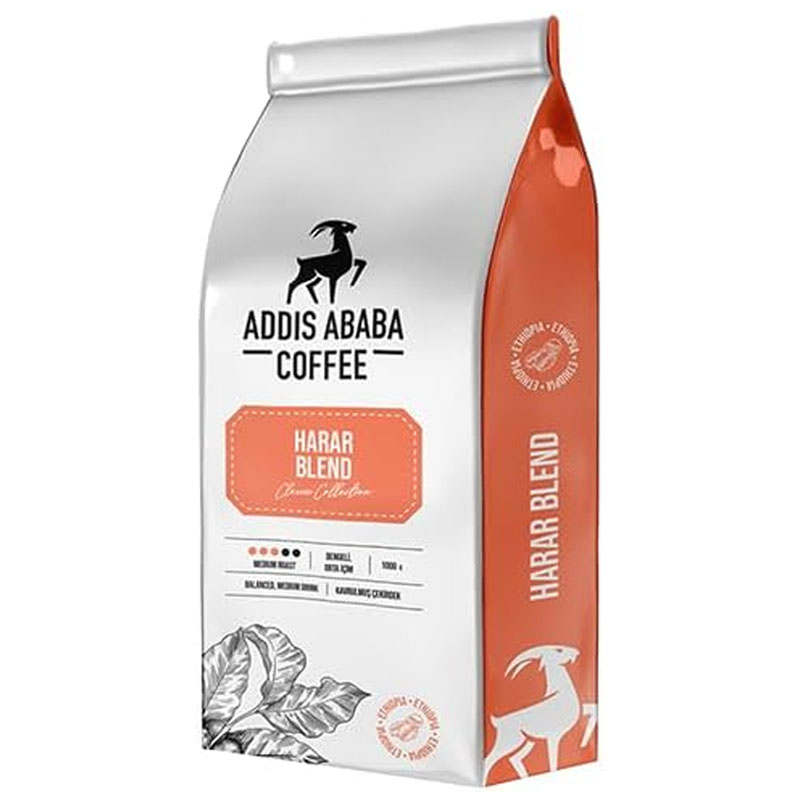
One of the oldest and most legendary coffee regions in the world, Harrar is known among coffee enthusiasts as the representative of "Mocha" flavor and intense character. Usually processed with the traditional "Natural" (sun-drying) method, these beans trap the fruit essence inside the bean, unlike processed coffees. In this way, it leaves a strong bitter chocolate taste along with intense blueberry, raisin, ripe fruit, and sometimes winey notes on the palate. With its full-bodied, complex, and spicy structure, Harrar is a unique experience for those seeking exotic and dominant flavors.
Sebata Blend:
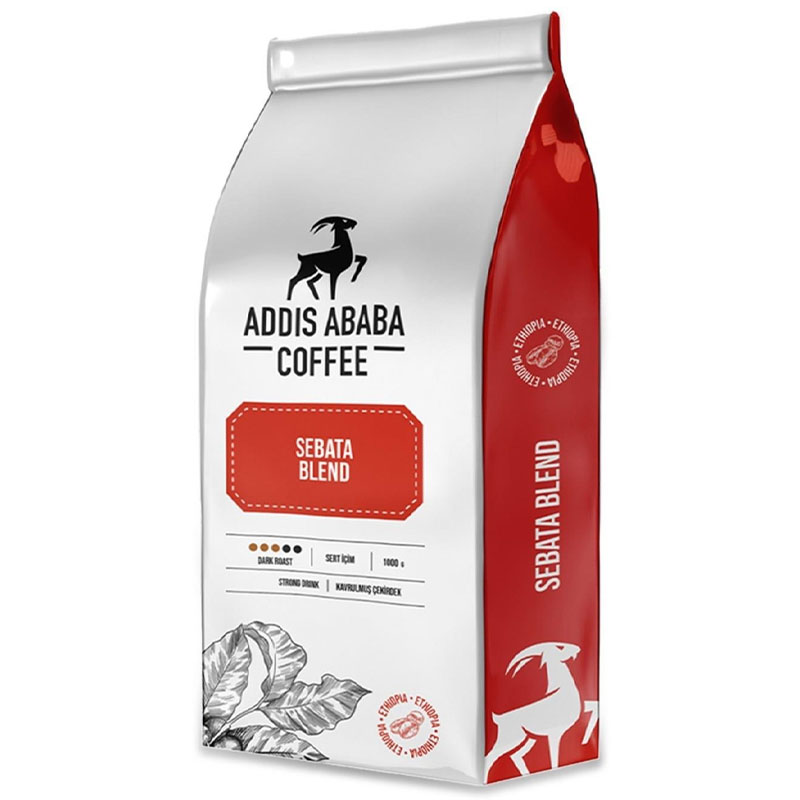
Coffees coming from the Sebata region located near the capital Addis Ababa in Ethiopia's central Oromia region carry the richness of the country's high-altitude volcanic soils to the cup. The Sebata profile is generally known for its extremely balanced and "soft drinking" character that is not at extreme ends. Sweet citrus acidity, caramelized sugar sweetness, and light stone fruit (peach/apricot) notes are generally felt in the cup. It has an elegance that can be drunk all day long as filter coffee and is an excellent choice to add sweetness and balance to espresso blends.
Awasa Blend:
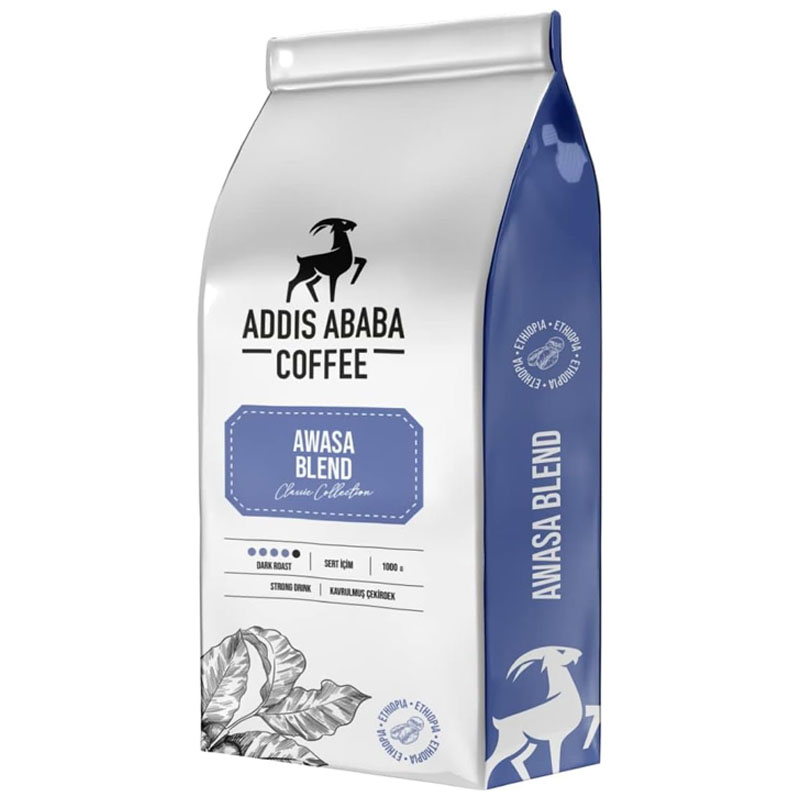
Growing in the fertile soils around Lake Awasa in the heart of the famous Sidama region, Awasa coffees reflect the famous elegant and sophisticated structure of Sidamo coffees in the best way. Slow-ripening under the influence of high altitude and cool climate, these beans usually undergo "Washed" processing to gain a clear flavor profile. It stands out with a bright lemon acidity and light body accompanying floral scents like jasmine and bergamot on the palate. For specialty coffee lovers looking for a clear, refreshing, and aromatic finish like tea, Awasa is a delicate and complex flavor feast.
Coffees and Prices
The prices of coffees vary according to their amount, variety, and quality. There are coffees suitable for every palate and every need.
What Should I Look for When Choosing Coffee?
To choose the coffee that best suits your palate, you should consider the bean type (Arabica, Robusta), roasting degree (light, medium, dark), and your brewing method. Arabica can be preferred for high-acidity fruity flavors, while Robusta blends are suitable for full-bodied and intense tastes. You can review our guide for more detailed information.
Coffee Brands
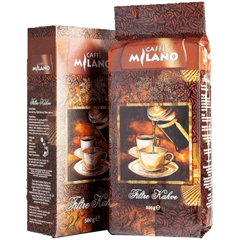
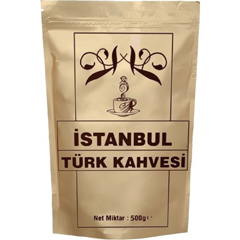
Coffee brands vary according to which type of coffee you will buy. If you want Ethiopian bean coffee, the Addis Ababa brand stands out, while among Turkish Coffees, the Mehmet Efendi brand stands out.
Related Blog Posts
8 Different Techniques for the Perfect Cup
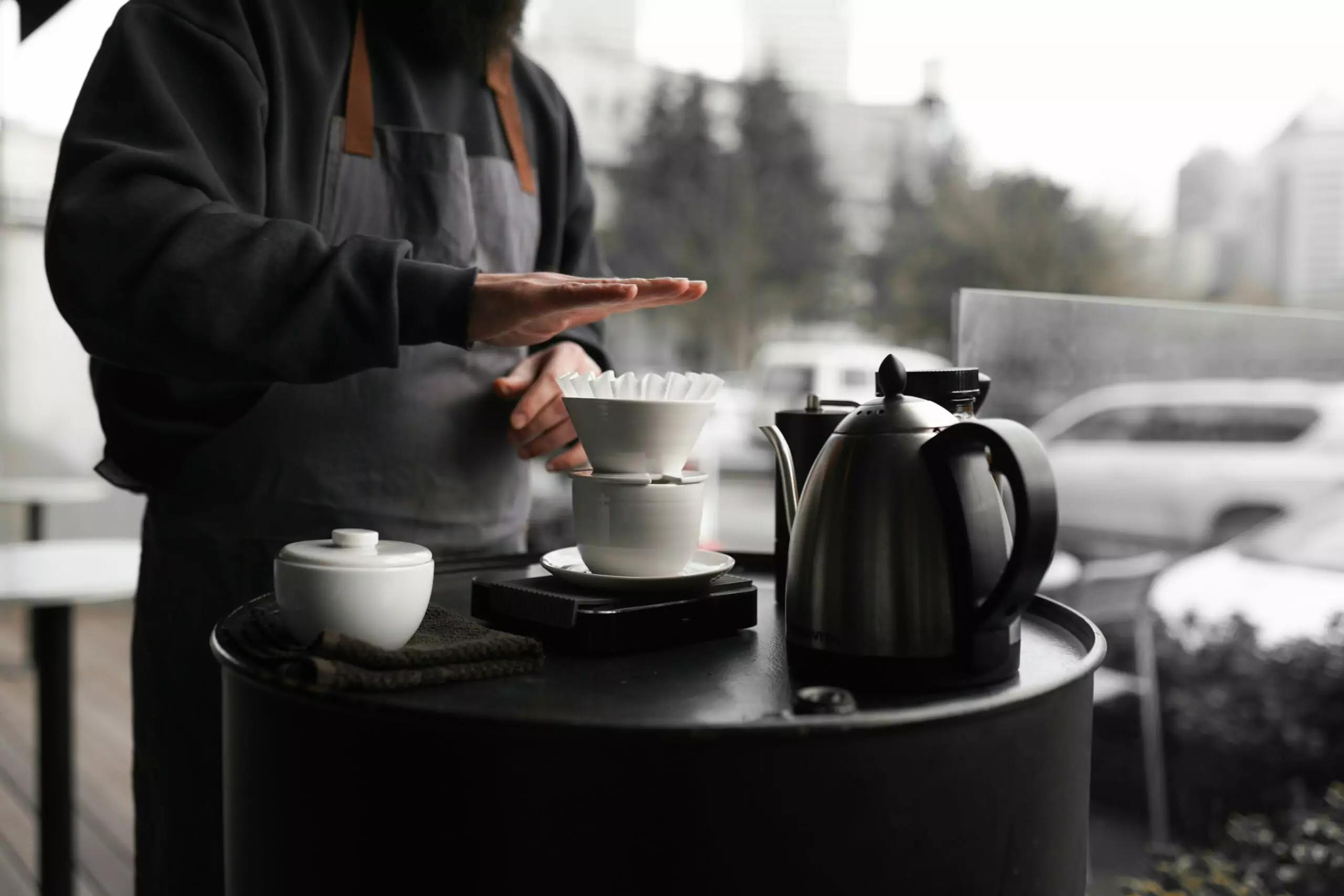
Alternative Coffee Equipment That Increases Quality in Cafes
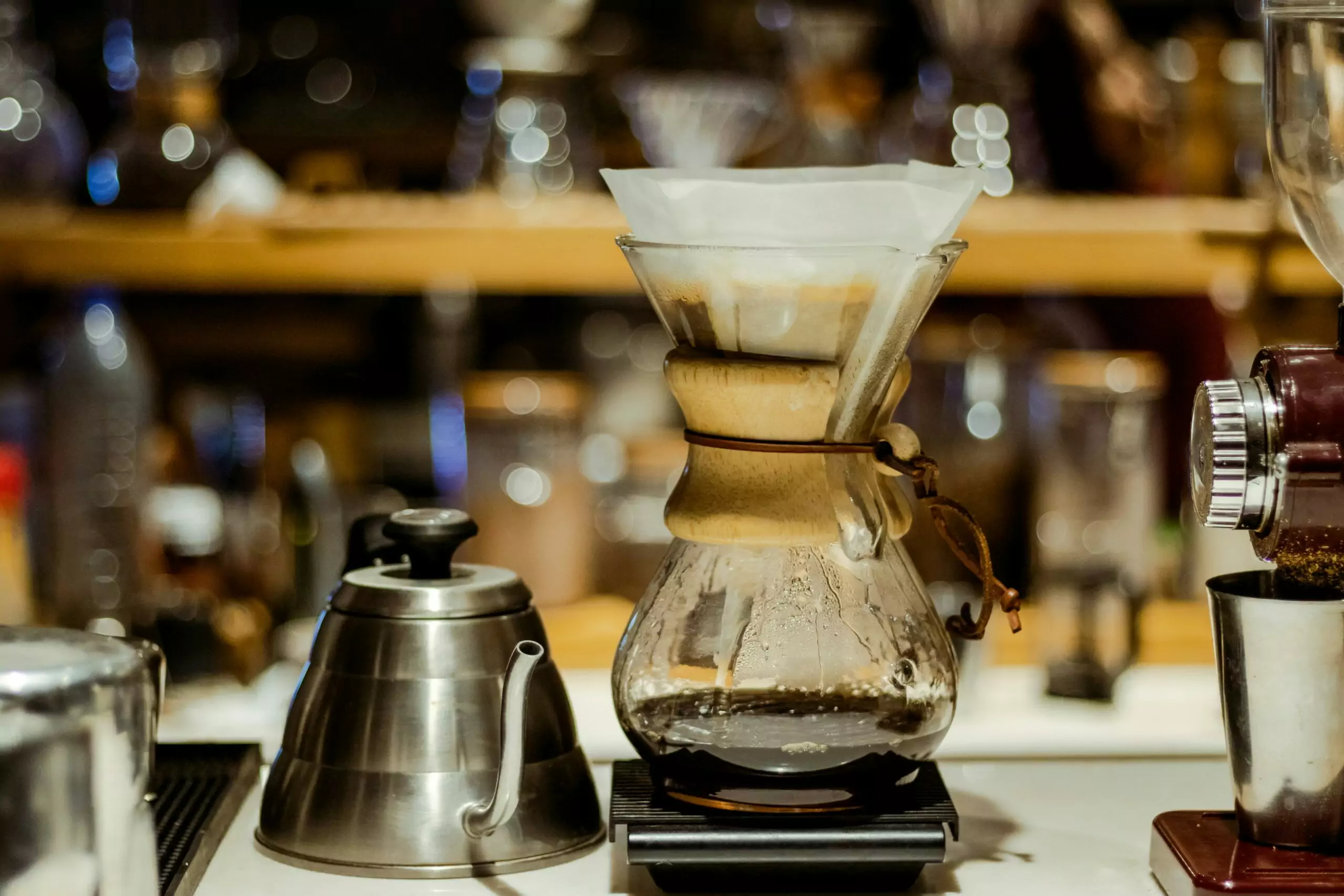
What is 3rd Wave Coffee? Its History and Features
Frequently Asked Questions About Coffees
Question: What is the difference between Single Origin and Blend?
Answer: Single Origin coffees are beans coming from a single country, even a single farm or cooperative. It purely reflects the soil and climate of that region; it is characteristic. Blend coffees are obtained by skillfully mixing beans from different regions (e.g., Brazil and Colombia). The purpose of blends is to create a balanced profile that always gives the same taste and generally has a body suitable for espresso.
Question: What does 100% Arabica mean, and why is it important?
Answer: Arabica is the highest quality and most delicious bean type in the coffee world. It grows at high altitudes, contains less caffeine but is very rich aromatically. If it says 100% Arabica on the package, it is stated that there are no "Robusta" beans with lower quality, bitter, and rubbery taste inside.
Question: What does "Acidity" mean in coffee? Does it mean the coffee is sour?
Answer: In coffee literature, acidity does not mean a disturbing sourness, but "brightness and vitality". It is just like that refreshing tartness you feel when you bite into a green apple or an orange. It is a positive feature sought especially in African (Ethiopia, Kenya) coffees, indicating quality. It should not be confused with heartburn.
Question: Should I buy whole bean or ground coffee?
Answer: We recommend always buying bean coffee if possible. From the moment the coffee bean is ground, the surface area contacting oxygen increases and it starts to lose 60% of its aroma within minutes. For the freshest and most delicious experience, it is best to grind coffee at home just before brewing. However, if you do not have a grinder, you should prefer options that are freshly ground and packaged upon your order.
Question: How to store coffee beans? Should they be put in the refrigerator?
Answer: This is a very common mistake; coffee should never be put in the refrigerator. Coffee is hygroscopic (absorbs moisture); it traps the humidity of the cabinet and the smell of other foods inside. The best way to store coffee is to keep it in its own valve package, tightly closed, in a cool and dry cabinet away from sunlight.
Question: Are Espresso beans and Filter coffee beans different?
Answer: Botanically no, both are the fruit of the same tree. The difference is in the roasting method. Espresso blends are generally roasted slightly darker to be suitable for pressurized brewing, to decrease acidity, and to increase body. Filter coffees are roasted lighter or medium so that aromatic notes (fruit, flower) do not get lost. However, technically espresso can be made with filter coffee roast or vice versa can be tried.
Question: Can I use the same coffee for French Press and Filter Machine?
Answer: You can use the same bean but you cannot use the same grind. "Coarse" (consistency of rock salt) is required for French Press, and "Medium" (consistency of sea salt) grind is required for Filter Coffee Machine. Using the wrong grind causes the coffee to be either too bitter or too watery.
Question: Is Decaf coffee harmful?
Answer: Chemical methods used to be used in the past, but today quality Decaf coffees are purified from caffeine by natural methods such as "Swiss Water" or "Mountain Water". In these methods, chemical solvents are not used, caffeine is separated only with water and pressure. In this way, both the flavor is preserved and it does not pose a risk in terms of health.