 Track Order


Barista Supplies
Power Behind the Counter: Professional Barista Equipment
Professional barista equipment, designed to increase the operational efficiency of your business and maintain standard flavor quality even during busy service hours, is the biggest helper of cafes. From electric temperature-controlled digital kettle models that allow you to stick to your recipes by precisely managing water temperature in manual brewing stations; to tampers that prevent channeling in espresso flow and offer perfect extraction in every shot; to milk frothers that capture the ideal micro-foam texture in seconds for your latte and cappuccino orders, this industrial series maximizes customer satisfaction while accelerating the workflow of your baristas. Let's examine the varieties of this professional equipment in detail.
Types of Professional Barista Equipment
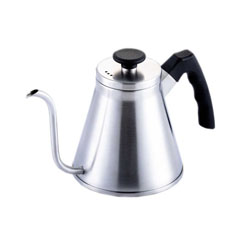
Electric Temperature Controlled Digital Kettle
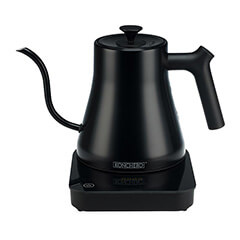
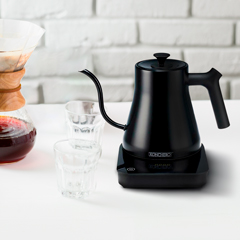
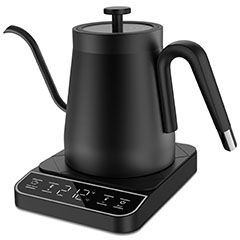
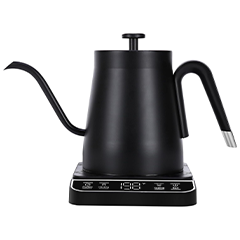
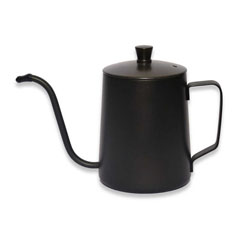
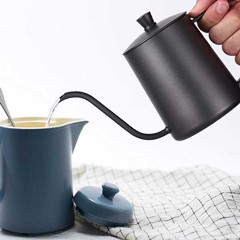
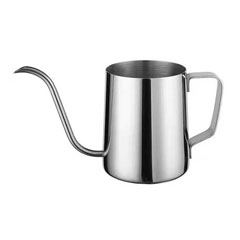
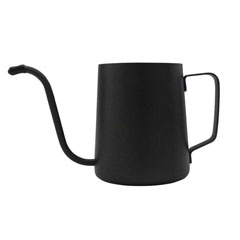
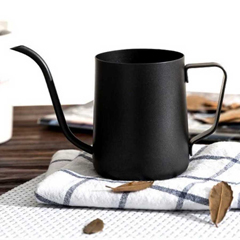
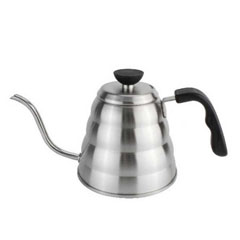
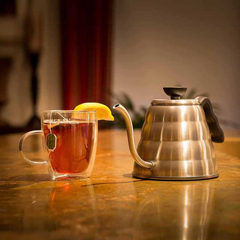
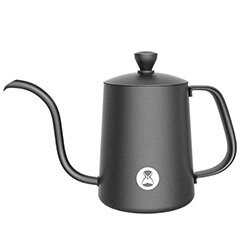
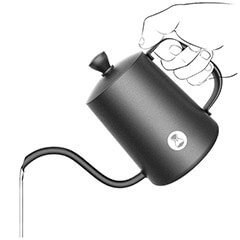
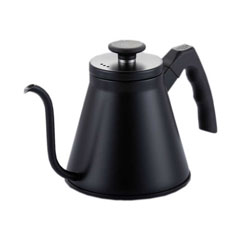
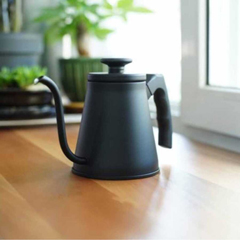
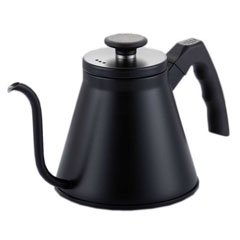
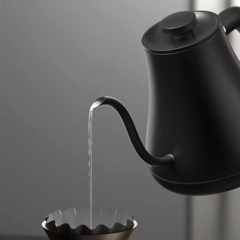
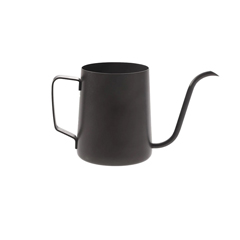
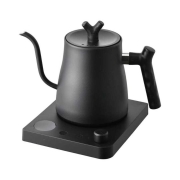
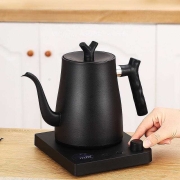
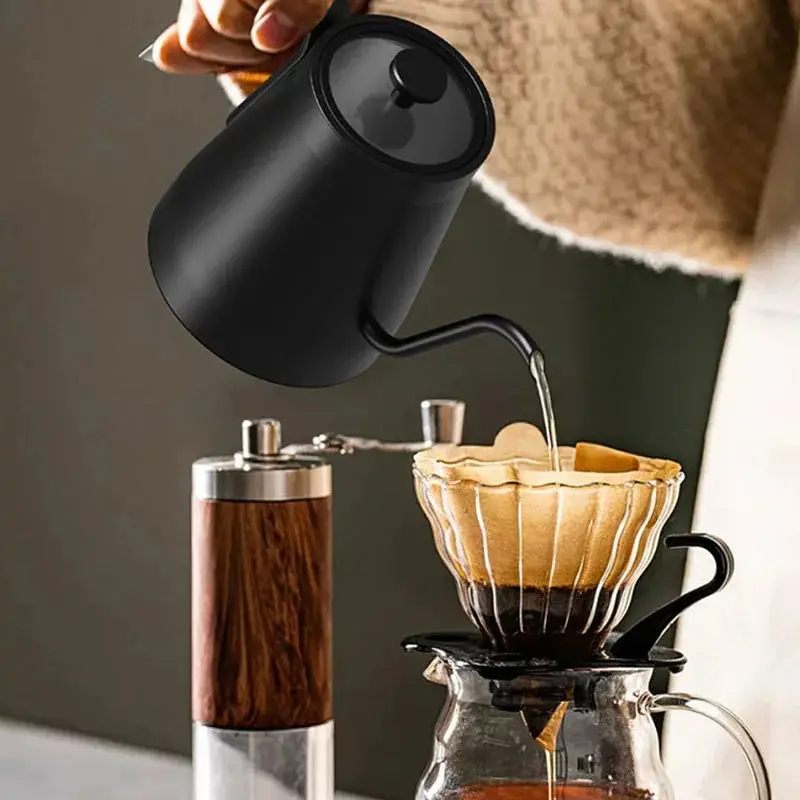
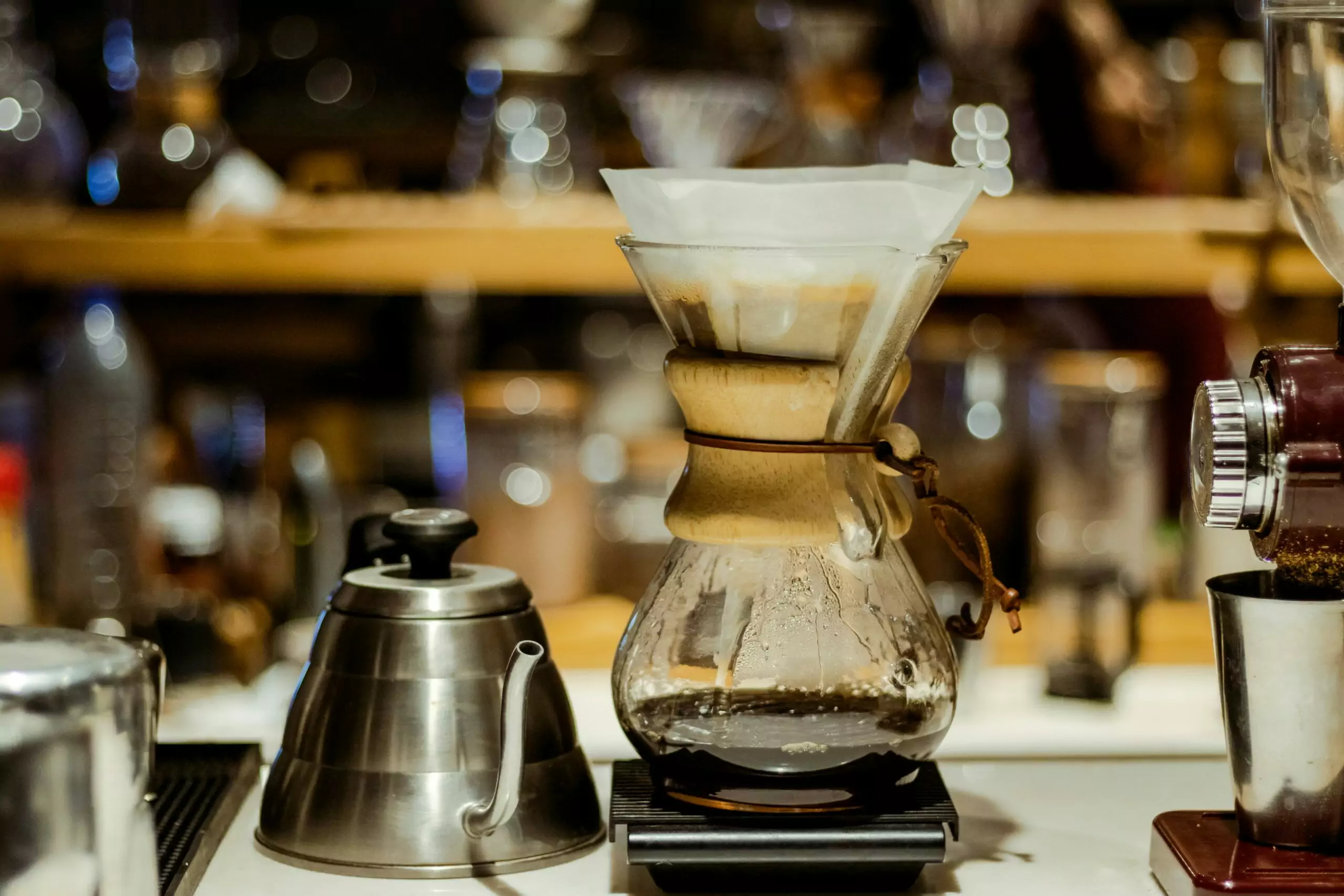
Electric temperature-controlled digital kettle models, which allow you to take full control of water temperature and flow rate, the most critical point of coffee brewing, offer a professional brewing experience. The thin and curved spout structure known as Gooseneck allows you to pour water onto the coffee bed at a 90-degree angle and at the desired flow rate, ensuring equal wetting of all beans. Thanks to its digital base with PID control technology, you can bring your water to the desired temperature with 1-degree precision (e.g., 93°C for V60, 80°C for herbal tea) and keep the heat constant with the "Hold" feature. These smart equipments, which prevent coffee from burning and maximize aroma, are indispensable for 3rd wave coffee lovers.
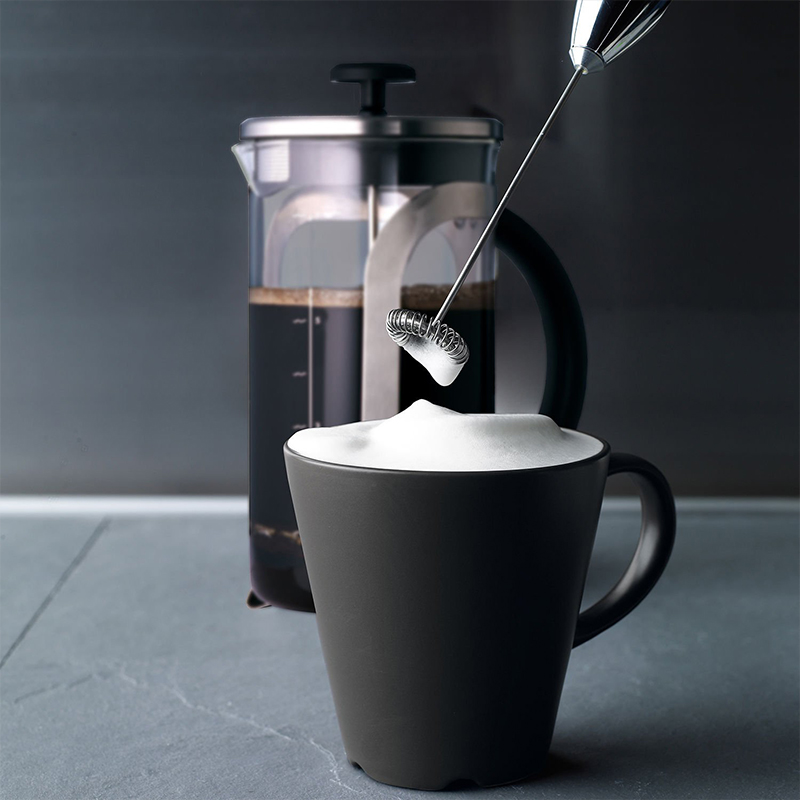
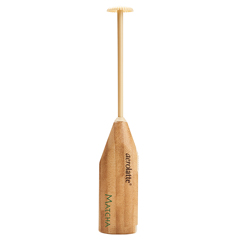
Milk Frother
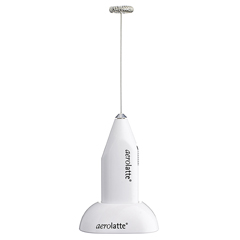
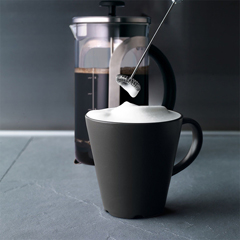
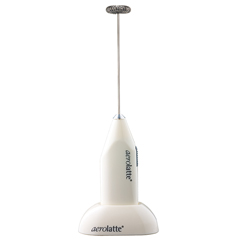
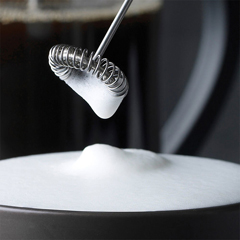
Milk frother equipment, designed to prepare Latte, Cappuccino, or Macchiato at cafe standards in the comfort of home, allows you to obtain a silky and dense micro-foam by changing the structure of the milk in seconds. Whether you can perform heating and frothing with a single button with electric automatic models, or produce practical solutions with battery-powered hand mixers. These devices, which reveal natural sweetness by breaking down milk proteins, give excellent results not only for hot coffees but also for preparing refreshing Iced Latte or cold chocolate in summer months.
Tampers
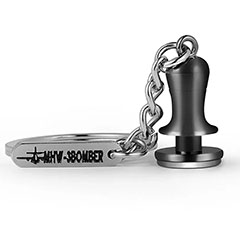
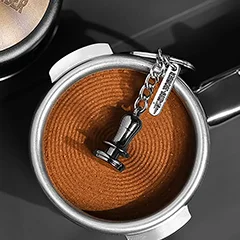
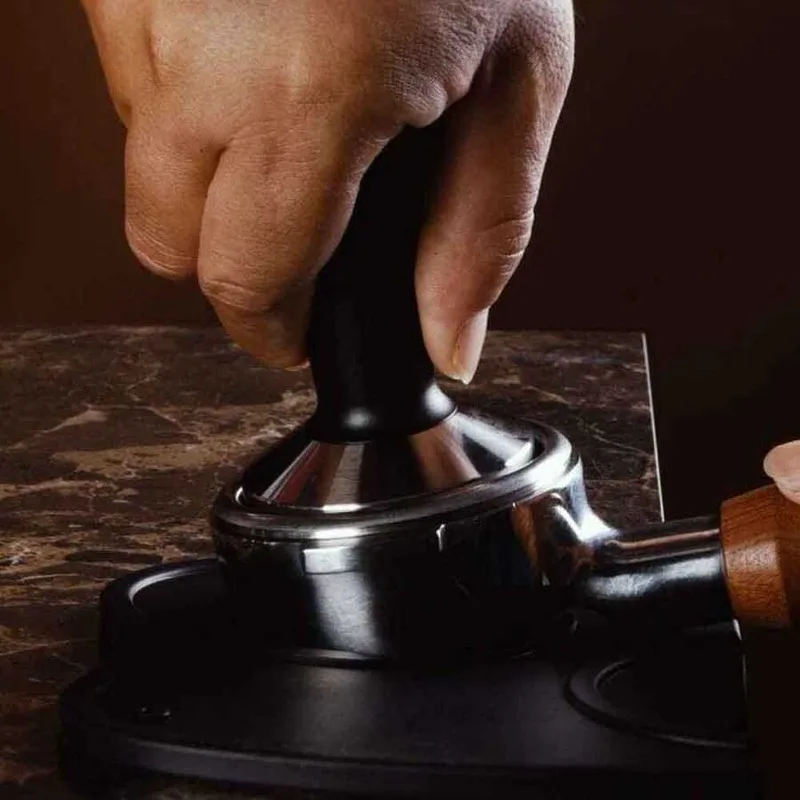
The basis of getting a perfect espresso shot relies on compressing the coffee in the portafilter basket with correct pressure to form a perfectly flat structure. Tampers perform this critical "tamping" process, ensuring water passes through the coffee bed with equal resistance and eliminating the problem of "channeling", where water escapes through weak points and under-extracts the coffee. Offered with stainless steel flat base or convex options and ergonomic wood/metal handle designs, tampers help you achieve a consistent espresso every time.
Barista Equipment Prices
The prices of barista equipment vary depending on the product type, features, and material structure. There is barista equipment available to suit every budget and need. For example, digital temperature-controlled kettles are more expensive than mini or standard kettles.
What Should I Look for When Buying Barista Equipment?
Choosing the right barista equipment directly affects your coffee quality and workflow. When choosing a tamper, you should pay attention to its exact fit to the portafilter diameter (58mm, 53mm etc.), and when buying a kettle, pay attention to temperature control precision. You can review our buying guide to determine the professional solutions that best suit your needs.
Related Blog Posts
How to Create Your Dream Coffee Corner?
Alternative Coffee Equipment That Increases Quality in Cafes
What is 3rd Wave Coffee? Its History and Features
Frequently Asked Questions About Barista Supplies
Question: How do I determine the correct size when buying a Tamper?
Answer: Tamper selection is made according to the portafilter diameter of the espresso machine you use. 90% of industrial professional machines have a 58mm standard diameter. However, some home-type or special machines may be 51mm, 53mm, or 54mm. If you buy the wrong size, the tamper won't fit inside the basket or will leave gaps at the edges causing "channeling". You must check the machine manual or measure the inner diameter of the basket with a caliper.
Question: Why should I use a "Gooseneck" Kettle instead of a normal kettle?
Answer: Standard kettles pour water uncontrollably and at a wide angle; this disrupts the coffee bed in manual brews like V60 or Chemex. A Gooseneck kettle allows you to control the water flow rate and pouring point with millimetric precision thanks to its thin and curved spout. This equipment is necessary for brewing consistency and equal wetting of all coffee particles.
Question: Is it necessary to use a Coffee Distributor, isn't just a Tamper enough?
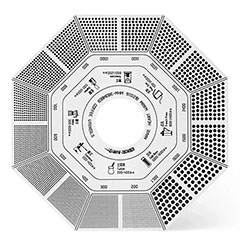
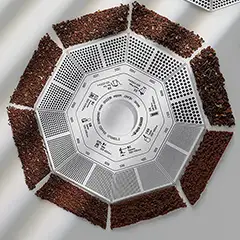
Answer: It is possible to use only a tamper, but a coffee distributor is recommended for a more accurate distribution. Coffee poured in a heap from the grinder does not distribute equally in the basket. If you tamp directly, areas where coffee is dense and sparse occur. The coffee distributor spreads the coffee evenly on the surface before tamping. In this way, the subsequent tamping process becomes perfect and water is ensured to pass equally through every part of the coffee bed.
Question: Why is PID Temperature Control important in a Digital Kettle?
Answer: Coffee beans need to be brewed at different temperatures according to their roasting profile. While light roasts require 93-94°C, dark roasts give better results at 88-90°C. Boiling water burns the coffee and makes it bitter. A digital kettle brings the water exactly to the degree you want and keeps your water ready at that degree constantly during busy service hours thanks to the "Hold" feature.
Question: Should I buy a battery-powered hand mixer or a frother with a container?
Answer: It depends on your need:
- Battery Mixer: Economical, takes up no space, and cleaning is simple. However, it does not heat the milk, only froths it. You need to heat the milk separately in a pot.
- With Container: It both heats the milk to the ideal degree and froths it with a single button. Frees your hands and offers standard consistency every time. The best option for those seekinfg comfort.