 Track Order


Wine Cabinets
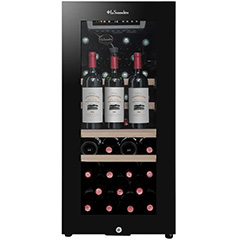
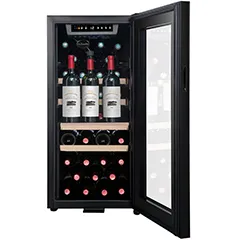
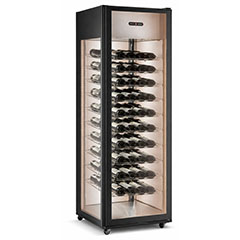
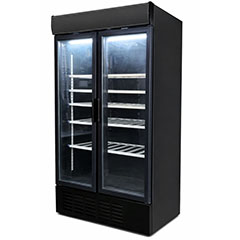
Ideal Protection for Aging Flavors: Wine Coolers
Revealing the true potential of an exclusive wine accompanying a delightful dinner or a special bottle opened to relieve the day's fatigue is only possible with correct storage conditions. Wine culture is not just an instant consumption experience; it is a delicate process regarding how the flavor is preserved until the moment the bottle is opened. At this very point, professional wine cooler models, developed for wines to preserve their character, reach ideal maturity, and be presented at the correct temperature at the moment of service, come to the fore. Combining a real cellar environment with technology, these devices are equipped with humidity control systems that prevent the cork from drying out, UV-filtered glass doors against sunlight that spoils the chemistry of the wine, and vibration-free (anti-vibration) compressor technologies that prevent sedimentation. A wide product range, from stylish built-in wine coolers suitable for home use to high-capacity industrial wine cellars designed for restaurants and hotels, offers solutions to the needs of wine enthusiasts and businesses.
Types of Wine Coolers
Service Wine Coolers
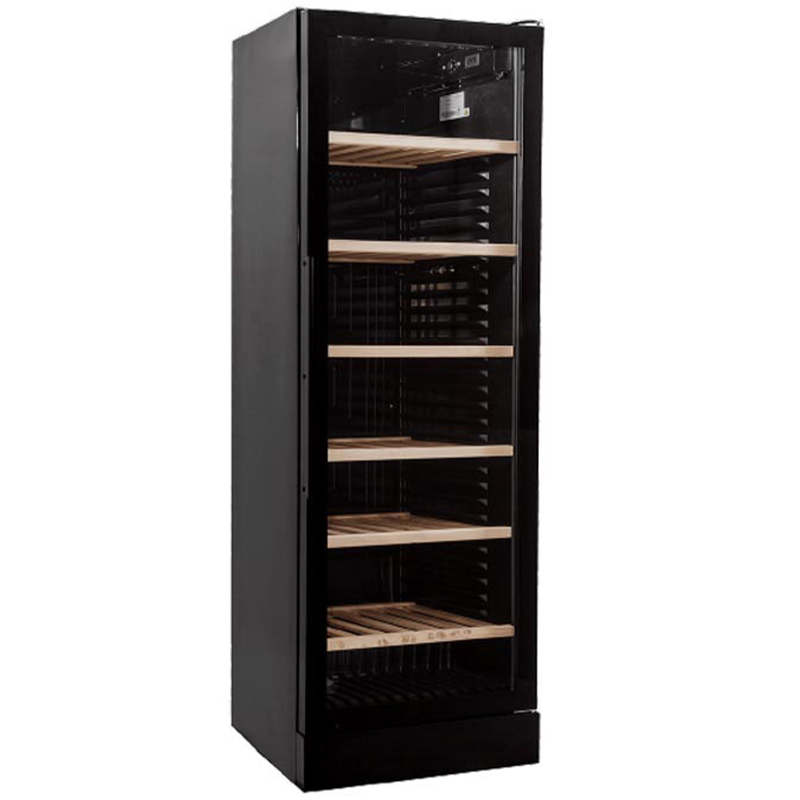
Service-type wine coolers, designed to keep ready-to-consume wines at ideal drinking temperatures, are generally preferred in restaurants and homes with frequent consumption. rather than aging the wine, they focus on keeping red or white wines stable at a degree where they can be poured directly into the glass (e.g., +8°C for whites, +16°C for reds).
Storage and Aging Cabinets
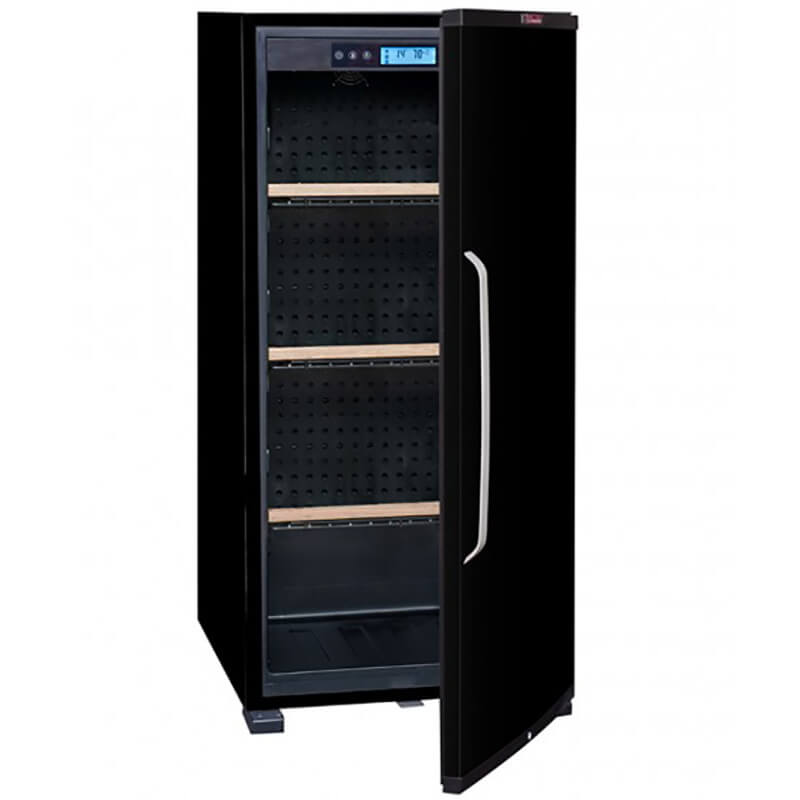
Simulating a real cellar environment, aging cabinets provide the dark, vibration-free, and constant humidity environment necessary for wines to mature over many years. In these models, temperature fluctuations are minimized, and thanks to active carbon filters, the air inside is constantly cleaned, preventing the wine from being affected by external odors.
Dual Zone Wine Coolers
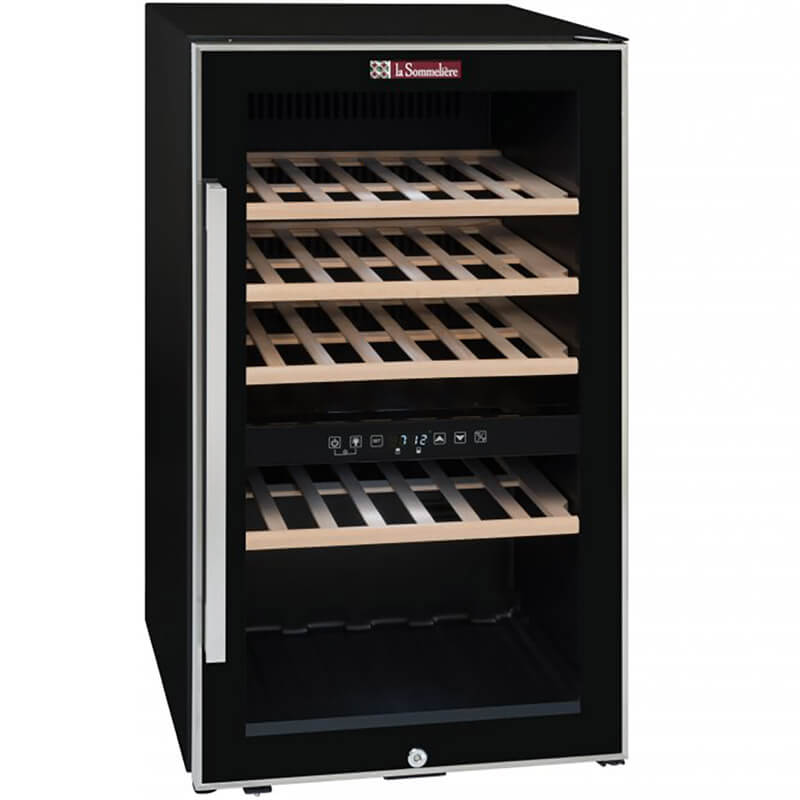
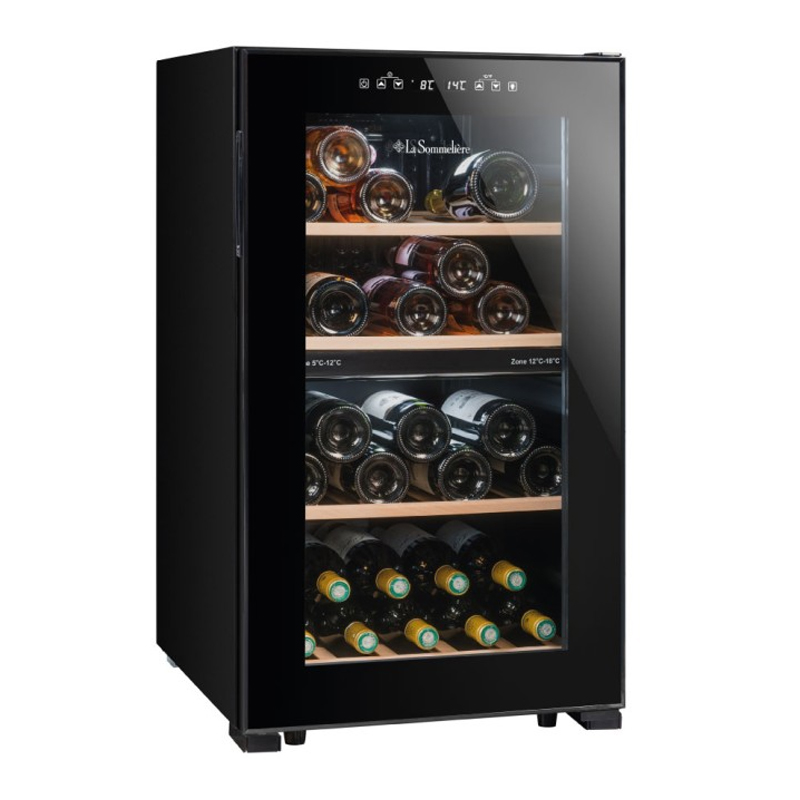
Developed for those wanting to store wines of different characters simultaneously, dual-zone wine coolers create two independent temperature zones within the cabinet. Thanks to this technology, while white and rose wines are kept at cold serving degrees in one part of the cabinet, red wines can be stored at higher temperatures in the other compartment.
Built-in and Freestanding Wine Coolers
There are two different installation types, built-in and freestanding (solo), in terms of integration into kitchen or living room decoration. Built-in models are designed to intake air from the front so that they can be placed under furniture or inside tall cabinets; whereas freestanding models have an aesthetic appearance suitable for free standing in any area.
Prices of Wine Coolers
Wine cooler prices vary widely depending on the device's bottle capacity, the precision of the cooling technology, and design features. The most basic technical elements determining pricing are the number of temperature zones offered by the cabinet and the presence of vibration prevention systems that affect the wine's aging process. While standard service models for daily consumption have more accessible costs; investment costs in professional aging cabinets that meet 'cellar' standards such as constant humidity control, active carbon filters, and UV-protected glass increase in parallel with the high-level protection performance they offer.
Wine Cooler Brands
Brand diversity in wine preservation technologies responds to a wide range from the sensitive storage requirements of collectors to the practical service needs of businesses. French-origin La Sommeliere with its expertise in this field and Liebherr known for its high-end cooling technology are among the primary choices of aging and prestige-oriented users. Electrolux, the global solution partner of professional kitchens, stands out with its durability and stable performance; while brands like Senox and By Kitchen hold a strong position in the industrial market with accessible price/performance products they developed especially for restaurants and cafes.
Frequently Asked Questions About Wine Coolers
Question: What is the basic difference between a standard refrigerator and a wine cooler?
Answer: Standard refrigerators create a very cold and dry environment to preserve food; also, their compressors work with vibration. Wine coolers, on the other hand, are designed to operate at higher temperatures, at a specific humidity level, and without vibration for the wine to mature.
Question: At what temperatures should red and white wines be stored?
Answer: As a general rule; while the serving temperature for white and rose wines is between +6°C and +10°C, the ideal serving temperature for red wines is between +14°C and +18°C. If long-term aging is to be done, the common ideal temperature for all wines regardless of type is accepted as +12°C.
Question: What is the use of a Dual Zone wine cooler?
Answer: Dual-zone cabinets create two different temperature zones independent of each other in the inner cabinet. Thanks to this feature, it becomes possible to store white wines at cold serving degrees in one compartment of the cabinet, while simultaneously storing red wines in warmer serving conditions in the other compartment.
Question: Why is humidity important in wine coolers?
Answer: Humidity prevents the cork of the wine bottle from drying out. If the environment is too dry, the cork shrinks and leaks air inside; this causes the wine to oxidize and spoil. The ideal humidity ratio should be between 50% and 75%.
Question: Why is the Anti-Vibration feature necessary?
Answer: Wine is a living beverage and matures by leaving sediment. Continuous vibration causes this sediment to mobilize and deteriorates the chemical structure of the wine. Also, vibration stops flavor development by causing "tired wine" formation.
Question: Why is a UV-protected glass door used?
Answer: Ultraviolet (UV) rays from the sun break down the tannins in the wine, causing an unpleasant smell called "light strike" and early spoilage. The glasses of wine coolers protect the wine like in a dark cellar by filtering these harmful rays.
Question: What does the active carbon filter do in wine coolers?
Answer: Cork has a naturally porous structure and can absorb bad odors in the environment. The active carbon filter constantly cleans the air inside the cabinet, preventing mold or other external odors from penetrating the wine. It is recommended to change these filters once a year.
Question: How is the capacity (number of bottles) of the wine cooler determined?
Answer: Manufacturers generally calculate capacity based on standard "Bordeaux" type (750 ml) bottles. When wider-bottomed Burgundy or Champagne bottles are stored, the stated maximum bottle capacity may decrease depending on the layout on the shelf.
Question: What is the difference between a service cabinet and an aging cabinet?
Answer: Service cabinets are designed to prepare wine for consumption in a short time and generally cool more powerfully. Aging units (aging cabinets) are a real cellar simulation; they keep the heat very constant, work very quietly, provide humidity control and a completely dark environment, allowing the wine to develop for years.