 Track Order


Induction Cookers
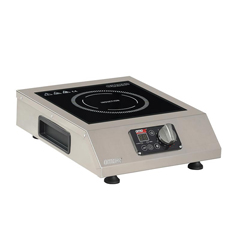
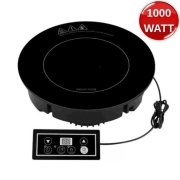
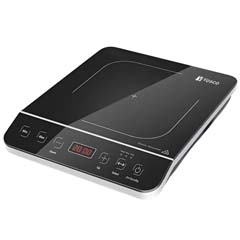
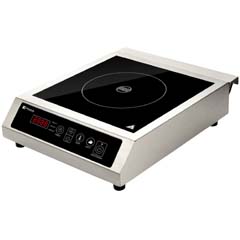
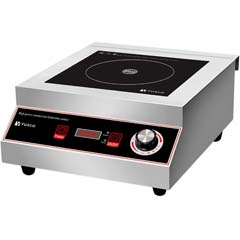
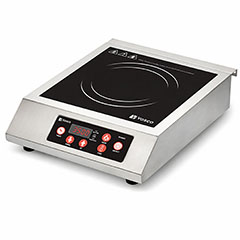
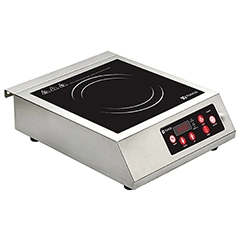
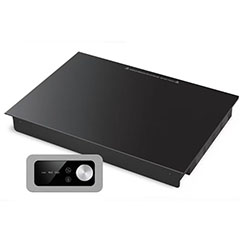
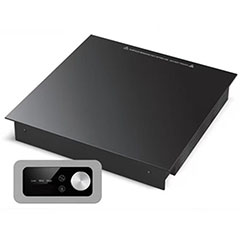
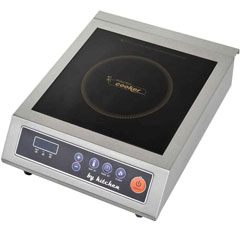
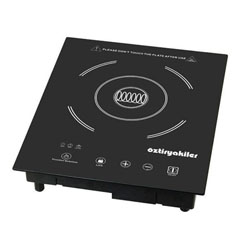
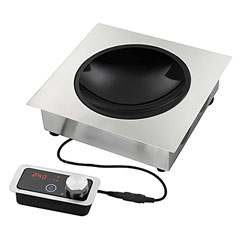
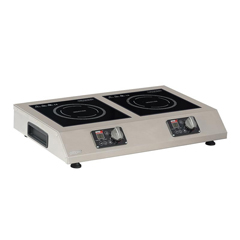
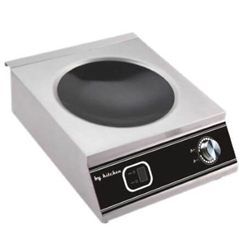
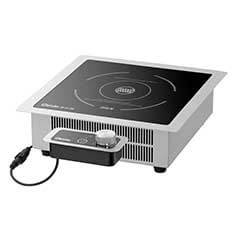
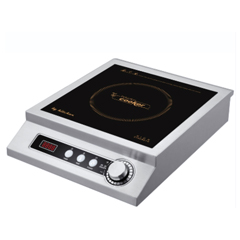
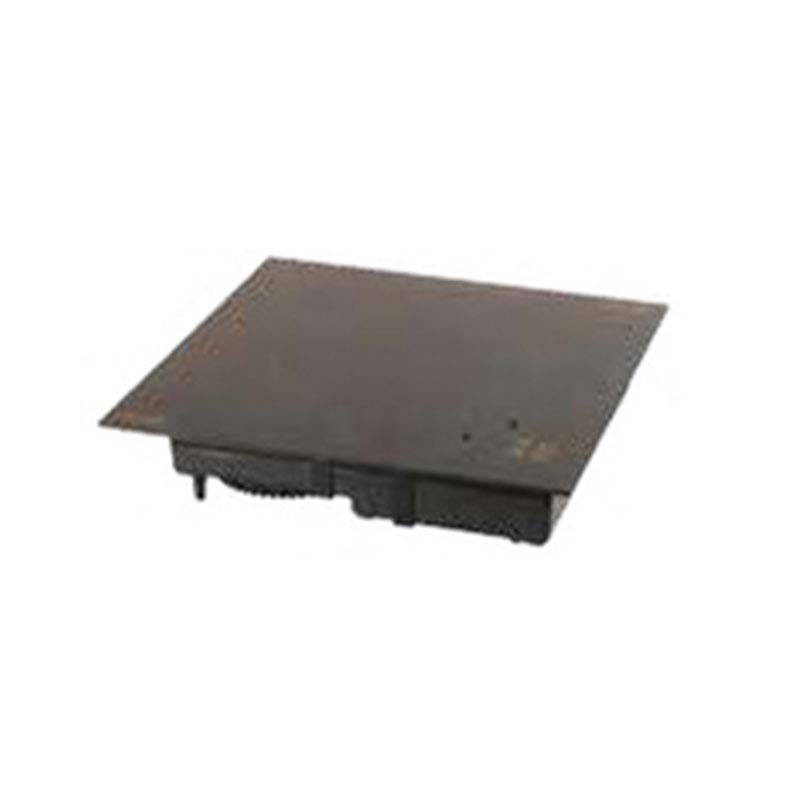
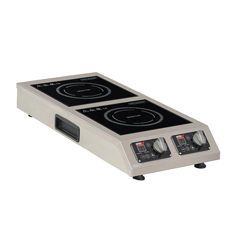
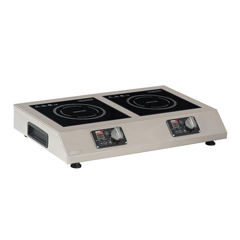
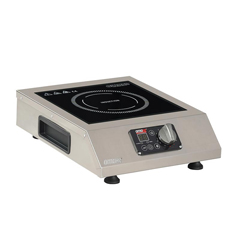
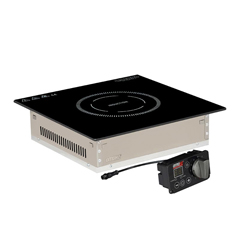
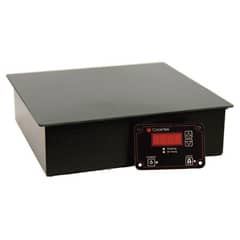
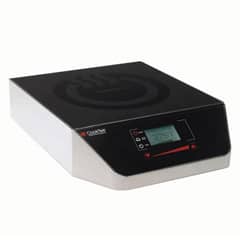
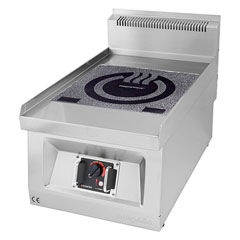
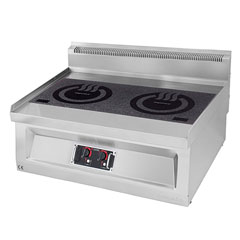
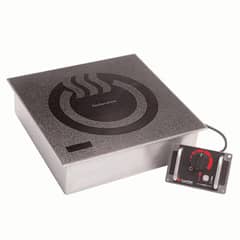
Precision of Magnetic Power: Induction Ranges
As the pinnacle of industrial kitchen technology, induction ranges are fundamentally changing traditional cooking methods, offering professional enterprises unparalleled efficiency. By creating heat directly at the base of the cookware through magnetic field technology, these systems reduce energy loss to nearly zero, demonstrating an eco-friendly and highly economical operating principle. Keeping the kitchen environment cool with flameless cooking and raising workplace safety to the highest level, commercial induction range models maximize service speed with instant heat response. This technology, which has become a strategic investment in the digital transformation process of modern businesses, ensures consistent and perfect results even in the most challenging recipes thanks to precise temperature controls.
Types of Induction Ranges
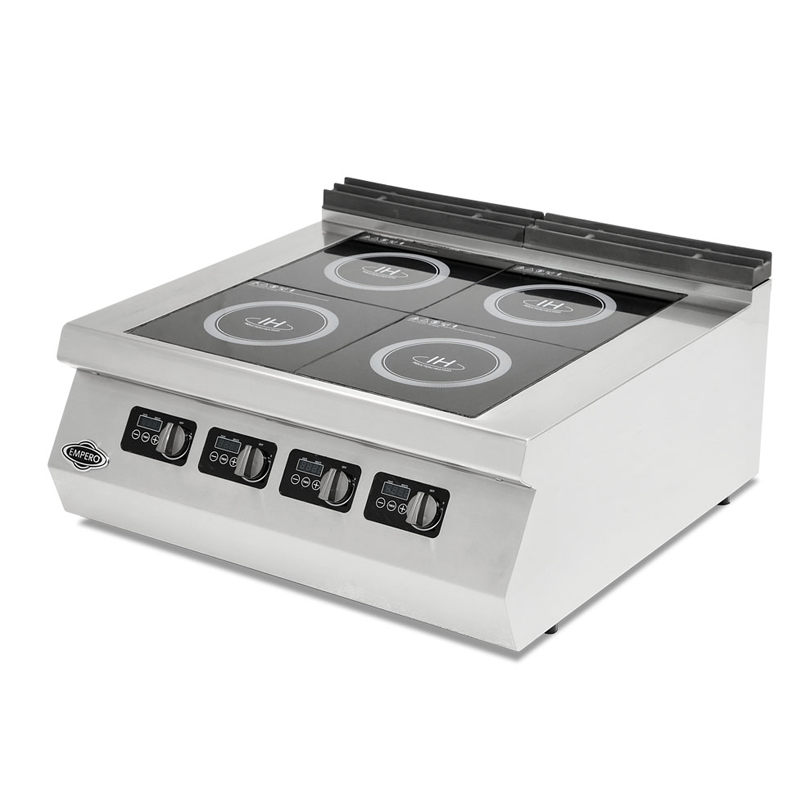
Industrial induction ranges take operational speed in the kitchen to a new dimension with customizable 1, 2, 4, and 6-burner modular options based on your production volume. For boutique businesses, display stations, or kitchens with limited space, single and double-burner induction ranges offer efficient solutions with their compact structures and instant heating capabilities. For medium-sized restaurants looking to modernize their main cooking line, 4-burner models provide an ideal capacity balance. Designed for large-scale hotels and high-circulation catering kitchens, 6-burner industrial induction ranges allow you to manage multiple professional cooking processes simultaneously with maximum precision.
Commercial Induction Range Prices
Due to the advanced magnetic technology used, commercial induction range prices sit in a different investment scale compared to classic electric or gas models. The primary factors determining the price are the number of burners (1, 2, 4, or 6 zones), total power output (W), and the impact resistance of the ceramic glass surface. While entry-level single-burner countertop induction ranges offer cost-effective solutions for small businesses, high-capacity digitally controlled 4 or 6-burner induction ranges require higher budget investments.
What Should I Consider When Buying an Induction Range?
Choosing the right professional induction range is a strategic investment that will radically change your business's energy efficiency, kitchen comfort, and operational speed. Before purchasing, you should carefully evaluate the magnetic induction power (kW), the response speed during peak service hours, and the sensitivity of the pan detection sensors. Additionally, the cooling fan capacity and filter structure of the range are critical for ensuring the device operates without performance loss in high-temperature kitchen environments.
Another critical point is the long-term technological durability of the equipment. The quality of the ceramic glass used, the suitability of digital touch or rotary control panels for intensive use, and the electrical infrastructure requirements (usually requiring a high-amperage three-phase connection) should be examined in detail. Remember, induction technology is not just a cooking method; it is a system that makes your kitchen cooler, safer, and faster. The best induction range is the model that is fully compatible with your existing cookware set (induction-ready) and provides the fastest return on investment through the energy savings it offers. For a more detailed and comprehensive guide, you can check our induction range buying guide.
Professional Induction Range Brands
Pioneering brands in industrial induction range technology such as Öztiryakiler, By Kitchen, Empero, and Remta offer innovative solutions for professional kitchens. These manufacturers minimize energy loss through systems that transfer heat directly to the cookware using magnetic fields, providing businesses with a much lower-cost operation compared to traditional methods.
Related Blog Posts
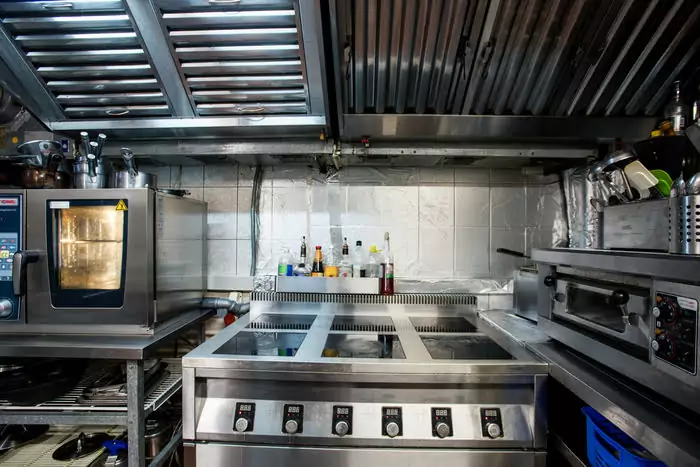
What is an Induction Cooktop?
What is a Hot Plate? What are its Advantages?
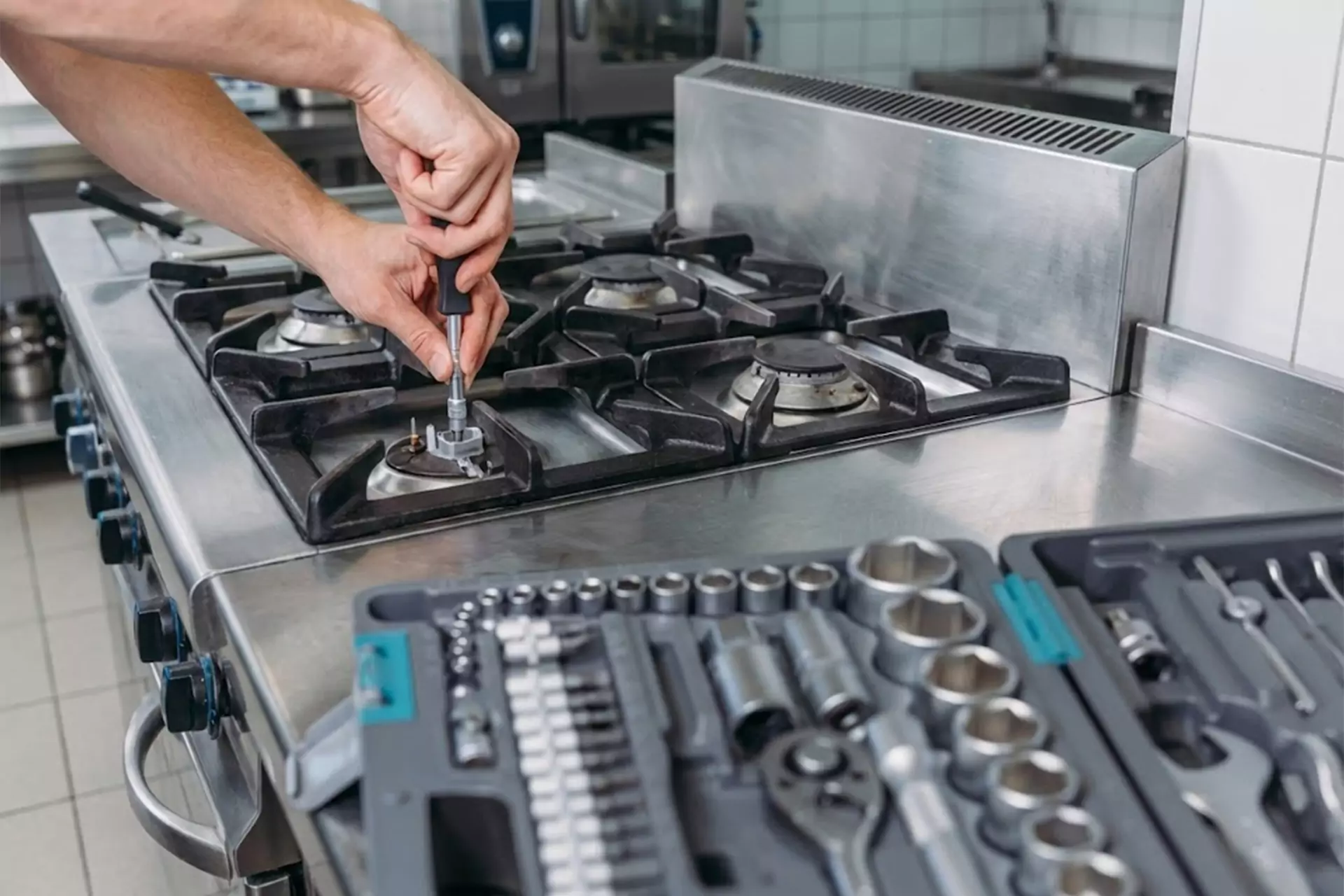
Industrial Range Faults: Problems, Causes and Solutions
Frequently Asked Questions About Induction Ranges
Question: How does an induction range work?
Answer: Induction ranges create a magnetic field through copper coils under the glass surface. This field directly heats the compatible cookware placed on it; in other words, the cookware itself gets hot, not the cooktop surface.
Question: Does every pot work on an induction range?
Answer: No. Only magnetic-based cookware that a magnet can stick to (cast iron, enameled steel, or induction-compatible stainless steel) will work. Aluminum, copper, or glass vessels cannot be used unless they have a special induction base.
Question: Since the surface doesn't get hot, is there no risk of burns?
Answer: The induction surface does not heat up on its own, but there can be residual heat transfer from the hot pot to the surface. However, the risk of burns from touching is much lower compared to open-flame or hot plate ranges.
Question: Does an induction range or a gas range heat faster?
Answer: Induction ranges are faster than gas ranges. The time it takes to boil a pot of water is approximately half as long on an induction range compared to a gas range.
Question: Is it suitable for delicate sauces and melting chocolate?
Answer: Absolutely. Thanks to digital control panels, you can maintain the heat at very low and constant temperatures. This is a major advantage for delicate tasks requiring a double boiler (bain-marie) effect.
Question: Why is it easier to clean?
Answer: Since the cooktop surface does not get excessively hot, spilled food does not burn or stick to the surface. Wiping with a damp cloth after cooking is usually sufficient.
Question: Are industrial induction ranges durable?
Answer: The ceramic glass surfaces used in professional models are specially reinforced against heavy cookware and impacts found in industrial kitchens. Combined with stainless steel bodies, they provide trouble-free service for many years.
Question: Does an induction range keep the kitchen cool?
Answer: Yes. Since it doesn't radiate heat into the environment, the kitchen workspace remains much cooler. This increases staff comfort while lowering ventilation and air conditioning costs.