 Track Order


Bottle Coolers
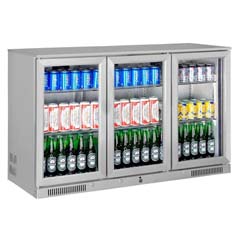
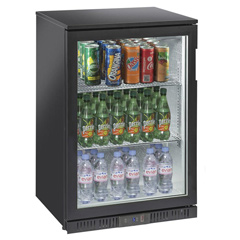
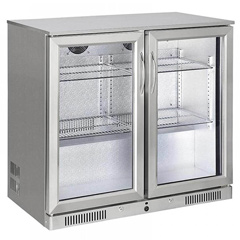
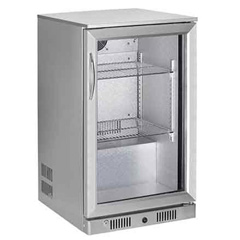
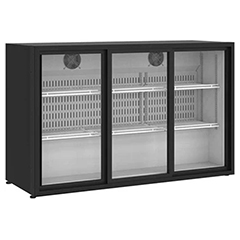
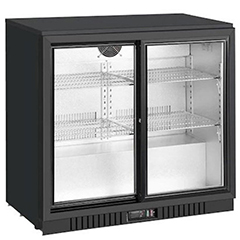
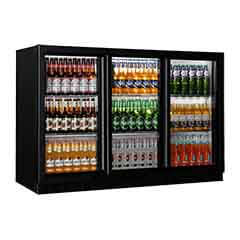
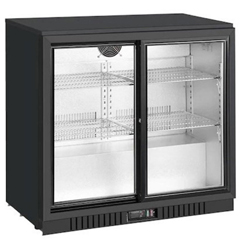
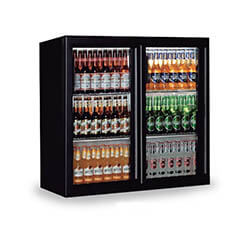
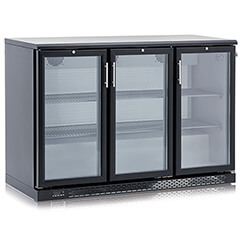
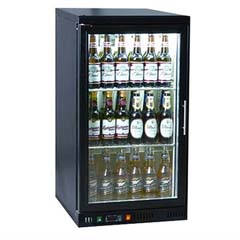
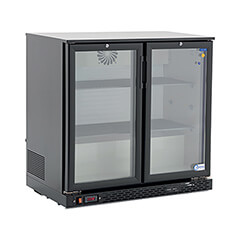
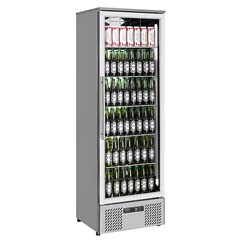
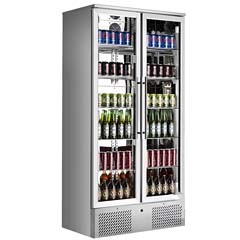
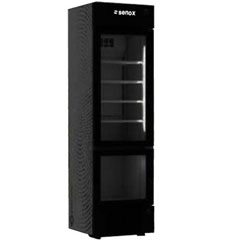
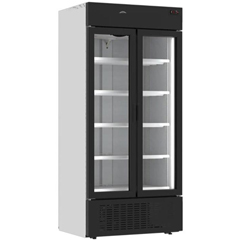
The Best Solution for Ice-Cold Beverages: Bottle Coolers
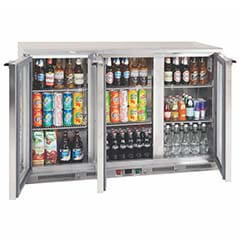
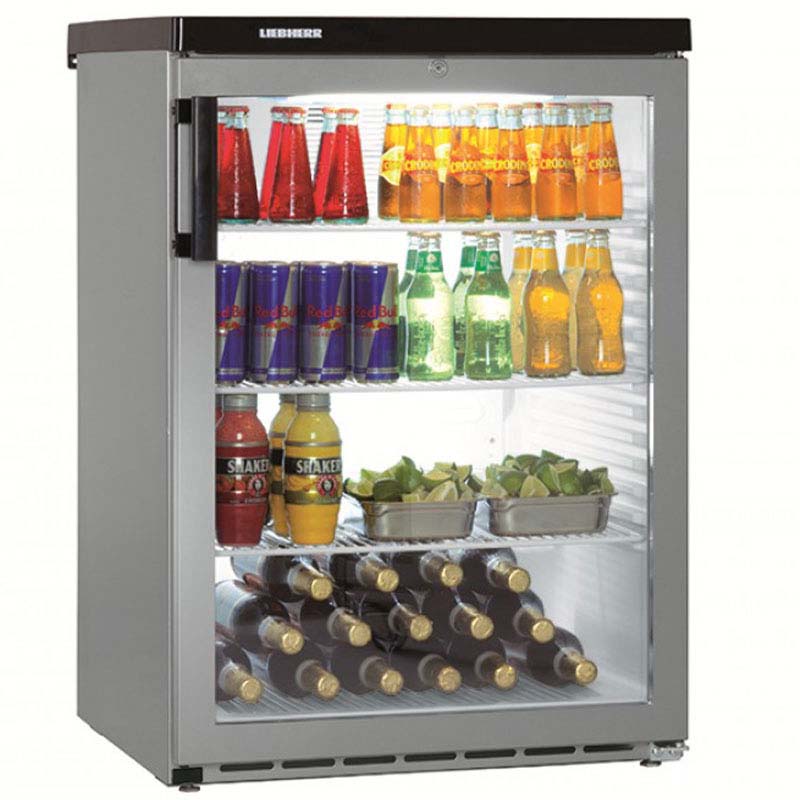
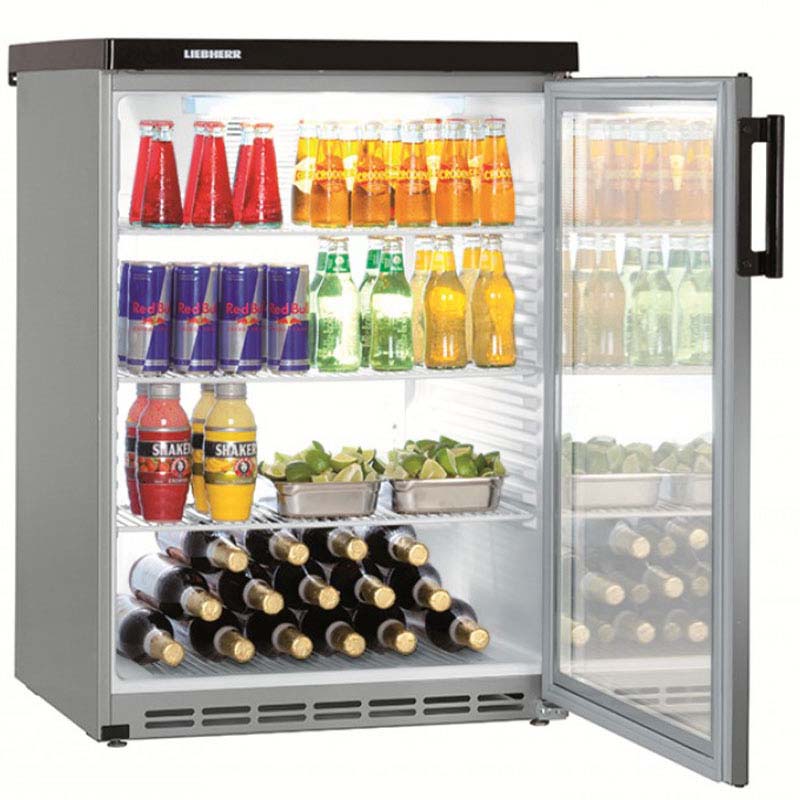
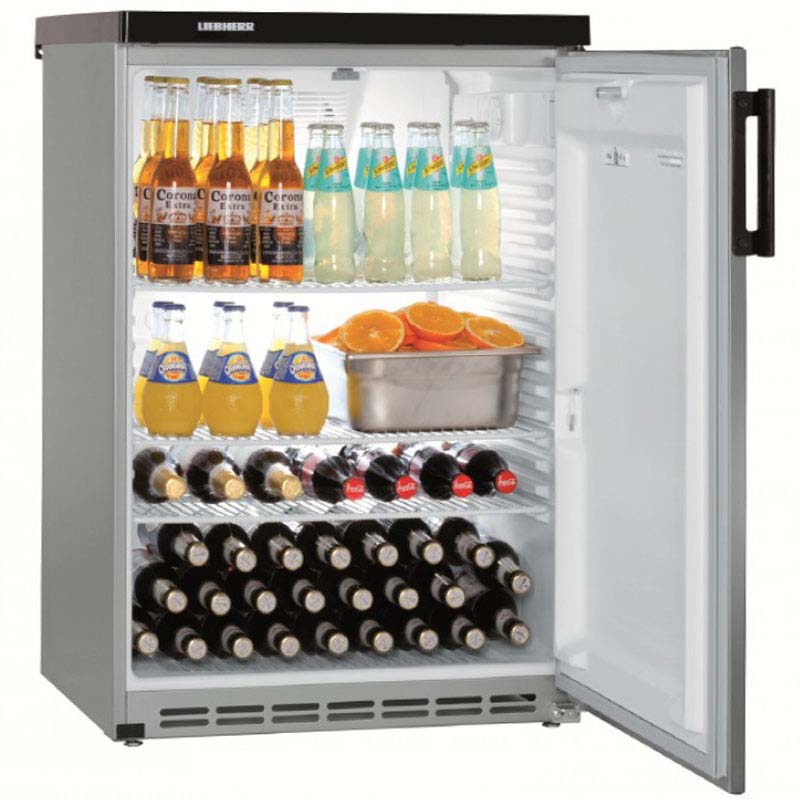
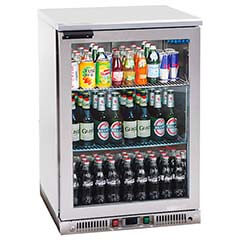
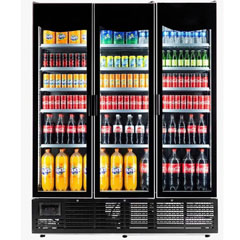
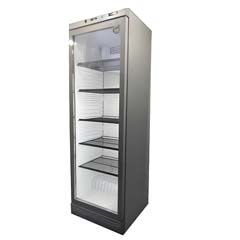
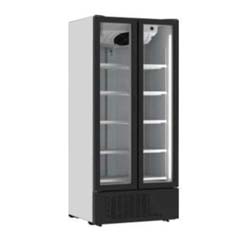
Bottle cooler models, combining aesthetics and performance in beverage presentation, are designed to increase the service quality of your business. Indispensable for commercial areas such as cafes, restaurants, markets, and bars, and also known as bar fridges, these coolers display your products stylishly thanks to their glass door designs while highlighting visuality with advanced interior lighting systems. With a wide product range from upright bottle cooler options to backbar refrigerators suitable for behind-the-bar use, you can always keep your beverages at the ideal serving temperature.
Types of Bottle Coolers
According to Number of Doors
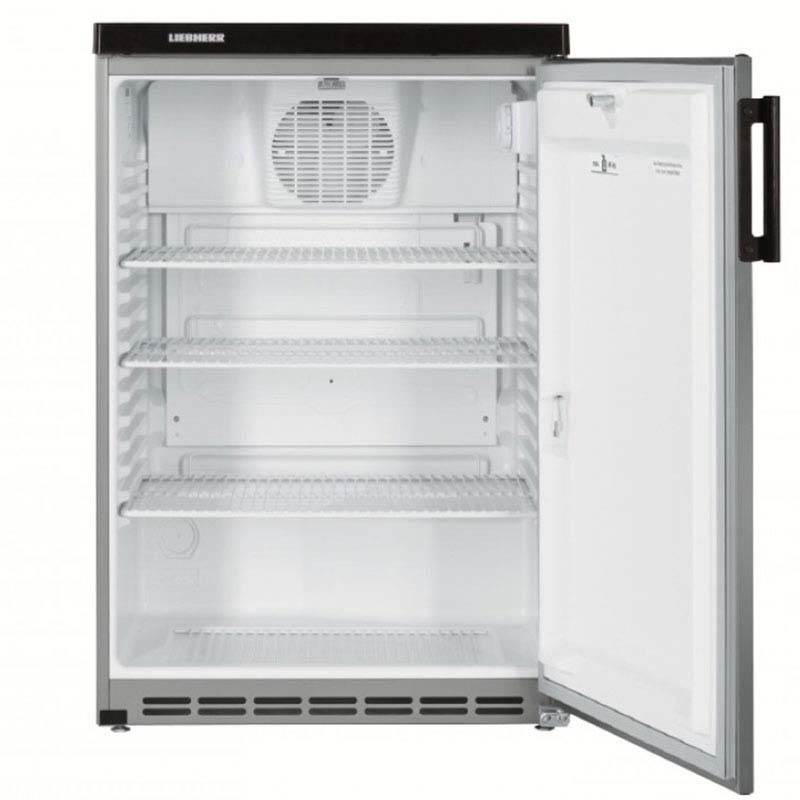
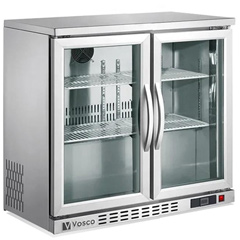
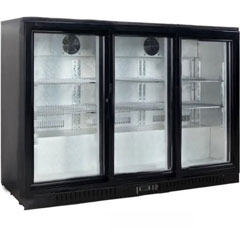
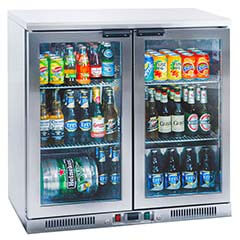
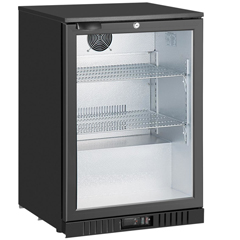
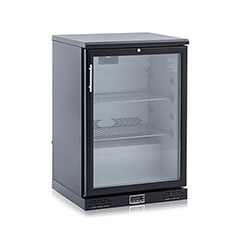
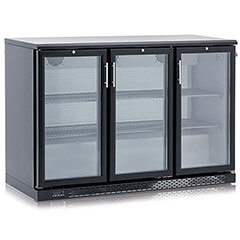
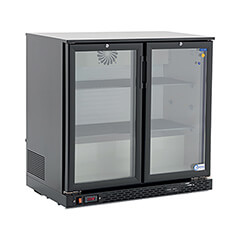
Bottle coolers include 1, 2, and 3-door models according to the number of doors. Single-door beverage coolers, which create an effective display area in narrow spaces, are ideal for boutique businesses and corner spots. While two-door bar refrigerators offering a wide viewing angle stand out for markets and cafes wanting to increase product variety; three-door models provide maximum stocking capacity for areas with high circulation. Enriched with sliding or hinged door options, these cabinets facilitate filling for your staff and accelerate product access for your customers thanks to their ergonomic designs.
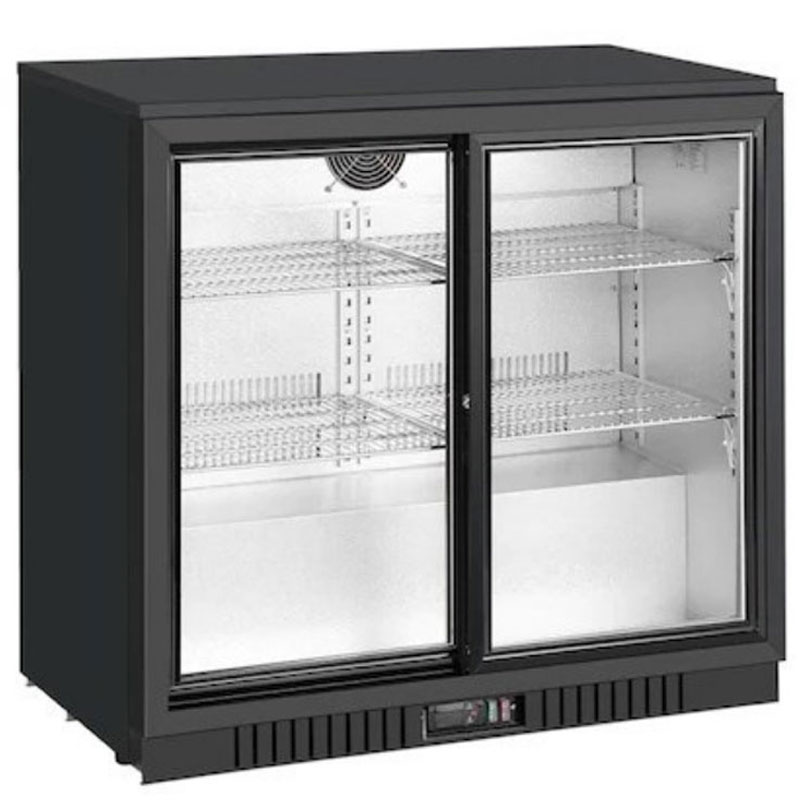
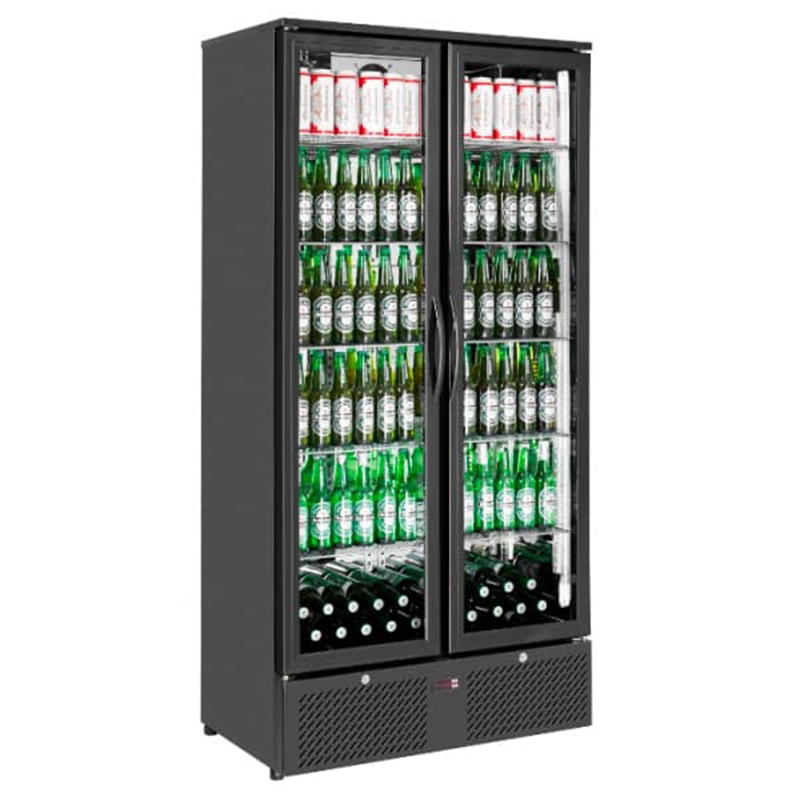
According to Layout Type
In market, cafe, and lobby areas where product visibility and customer interaction are critical, upright bottle coolers are the most effective option to increase your sales with the advantage of a vertical showcase. In contrast, undercounter bar refrigerators, which save space behind the bar or in narrow service counters, allow staff to reach beverages in the fastest way, accelerating service traffic.
Prices of Bottle Coolers
Bottle cooler prices vary according to the storage capacity your business needs, the number of doors, and the technological equipment of the device. At the entry level, single-door beverage cooler prices offer budget-friendly options for businesses looking for economic solutions; while double and triple-door display cabinets designed for markets and cafes with high sales volume are priced in parallel with the wide display area and stock capacity they offer.
Frequently Asked Questions About Bottle Coolers
Question: What should be the ideal operating temperature for bottle coolers?
Answer: The ideal serving temperature for soft drinks, beer, water, and dairy products is usually between +2°C and +10°C. In our digital thermostat models, you can easily adjust this temperature according to the type of product you store (e.g., colder for beer, milder for fruit juice).
Question: Why do bottle cooler glasses fog (condensate)?
Answer: Fogging usually results from high humidity in the environment or frequent opening of the door.
Question: Are undercounter (Backbar) models different from normal cabinets?
Answer: Yes, undercounter bottle coolers are designed at a height (usually 85-90 cm) to fit especially under bar and cafe counters. Since their engine sections are designed to intake and exhaust air from the front, they can work without performance loss even if their sides are enclosed.
Question: Are cabinet shelves adjustable?
Answer: Yes, the vast majority of our models feature height-adjustable shelf systems. Thanks to this feature, you can efficiently arrange products of different heights such as cans of coke, glass bottles, or large plastic bottles in the same cabinet.
Question: Can bottle coolers be used outdoors?
Answer: Standard models are for indoor use. However, if it is to be used outside, a place that does not receive direct sunlight should be chosen, and attention should be paid to the climate class of the device (such as Tropical class). Sunlight both increases energy consumption and reduces cooling performance.
Question: How should bottle coolers be maintained?
Answer: The most important maintenance is cleaning the condenser (radiator) located at the bottom or rear. A dusty condenser cannot take in air and strains the motor. Removing dust every 3-6 months with a soft brush or vacuum cleaner extends the life of the device and saves energy.
Question: Is there a lock system in all models?
Answer: Especially for cabinets located outdoors or out of staff control, the lockable door feature is offered as standard or optional in most models. This ensures product security outside working hours.
Question: Should the cabinet door be sliding or hinged?
Answer: In narrow corridors or places with limited movement area, the sliding door provides a great advantage and does not take up space. In wide areas, hinged doors may be preferred as they are easier to clean and open fully.