 Track Order


Undercounter Dishwashers
Categories
Selected Filters
{{ FILTERS.VARIANTS.TYPE1_NAME }}
{{ FILTERS.VARIANTS.TYPE2_NAME }}
Brand
Model
{{ FILTER.NAME }}
Price

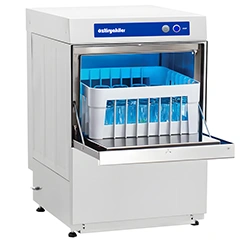
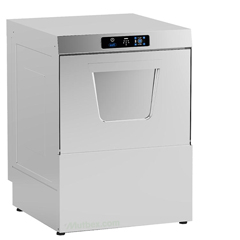
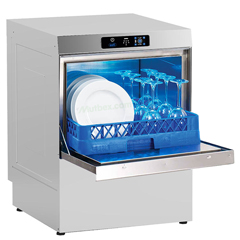
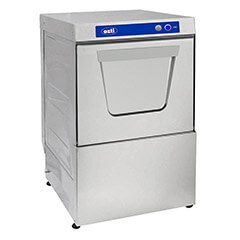



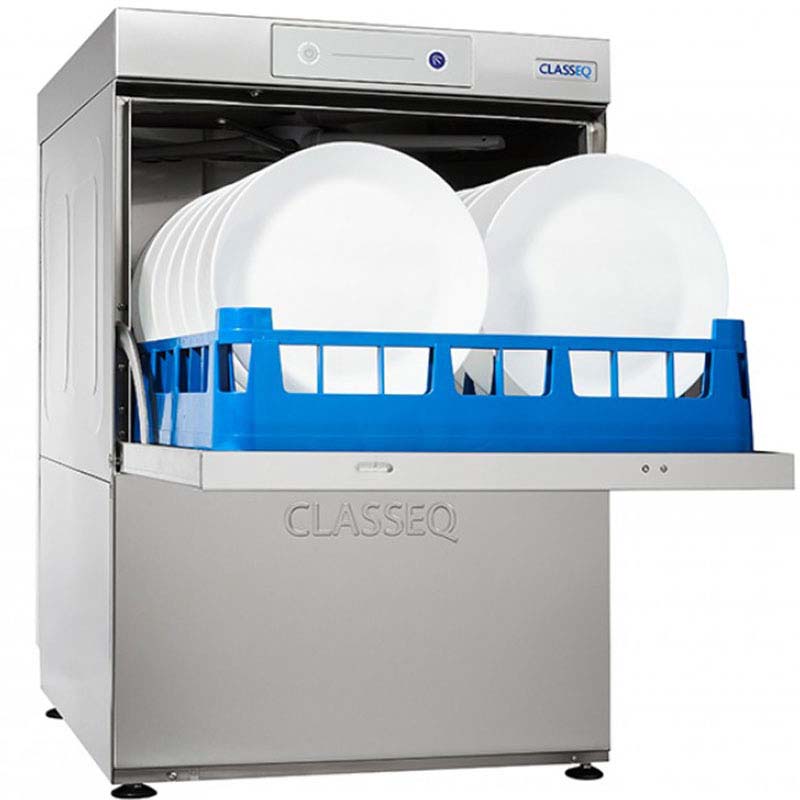
What Is an Undercounter Dishwasher and What Does It Do?
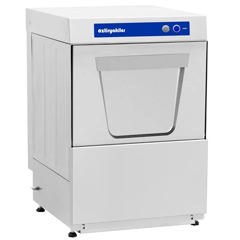
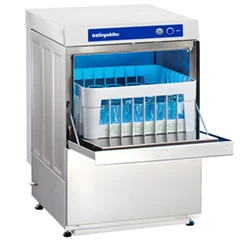
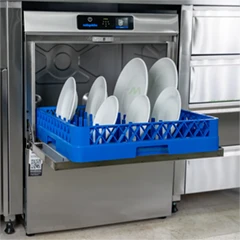
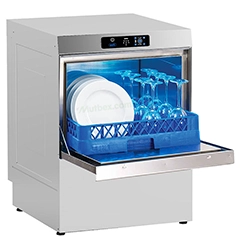
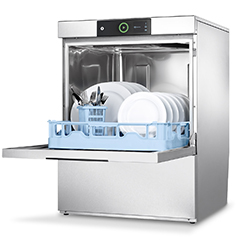
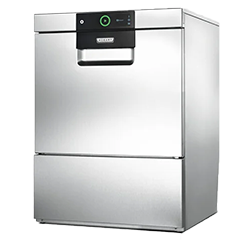
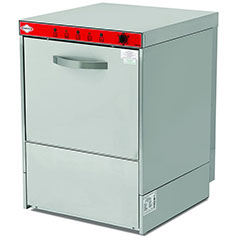
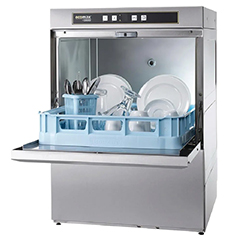
Undercounter dishwashers are commercial washing machines installed directly beneath worktops in compact kitchens. Their main purpose is to quickly solve the constant build-up of dirty dishes in small cafés and restaurants. Unlike domestic machines, they do not keep you waiting through lengthy programs. They heat water rapidly and spray it at high pressure, washing dirty plates and glasses in around two to three minutes and preventing delays during busy service periods.
What Are the Benefits of Using an Undercounter Dishwasher?
The main benefits are that it frees up space in the kitchen and clears accumulated dishes immediately. Fitting a huge commercial machine into a small business can be a real challenge. An undercounter model can be installed directly in the space beneath the worktop, instantly freeing up the working area. Because it heats the water inside the machine very quickly, a dirty plate can be washed and returned to service in no more than two or three minutes.
The Most Popular Undercounter Dishwasher Models
The most popular models on the market are commercial machines with stainless-steel bodies that complete a wash cycle in no more than two or three minutes. Rather than focusing solely on the brand, most business owners look at how quickly the machine heats the water and how many racks it can process per hour. Machines that perform reliably during busy periods and have readily available spare parts when a fault occurs are naturally in high demand.
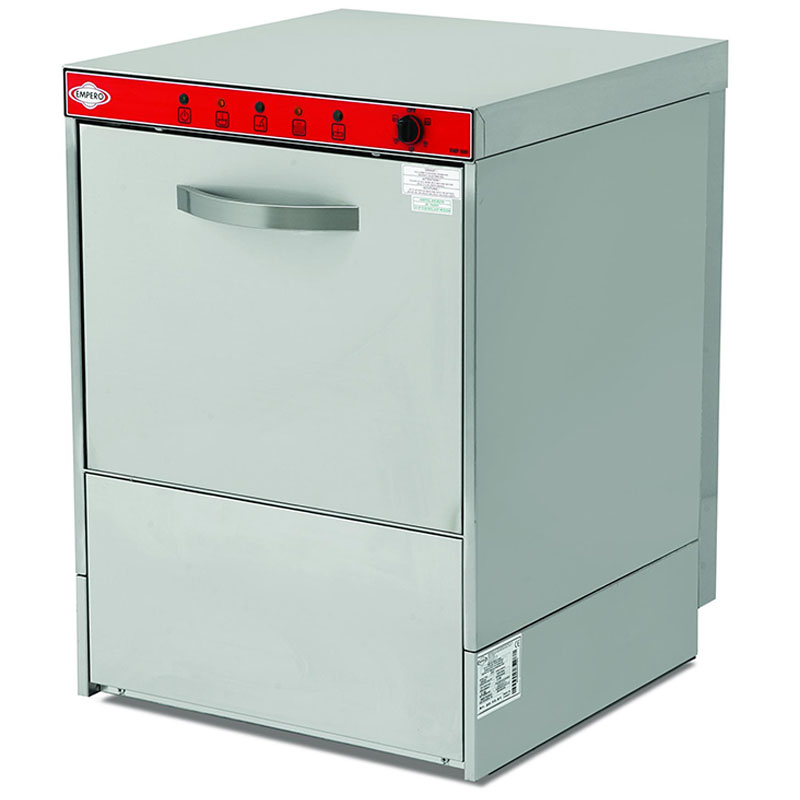
Empero EMP 500 Undercounter Dishwasher
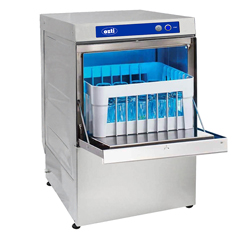
The Empero EMP 500 undercounter dishwasher is a commercial machine capable of washing 500 plates per hour and equipped with an integrated drain pump. Its fully stainless-steel body is well suited to the demanding conditions of professional kitchens. Depending on how busy your business is, you can select a 90-, 120-, or 180-second program and clear accumulated dishes without delay. Even large serving plates measuring up to 32 centimetres in diameter fit comfortably into the spacious rack supplied with the machine. At the end of the wash cycle, the machine rinses at temperatures of up to 85°C, producing sparkling results without the need for lengthy hand scrubbing.
Öztiryakiler OBY 50T Undercounter Dishwasher
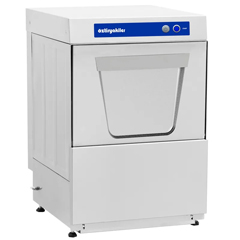
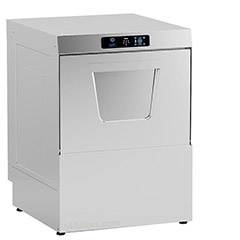
The Öztiryakiler OBY 50T undercounter dishwasher is a commercial machine that is easy to operate through its touchscreen panel and can process up to 560 plates per hour. Its built-in drain pump automatically removes dirty water, saving the kitchen team extra work. Depending on how busy the business is, you can select one of the five wash programs on the panel and organise the workload immediately. During the final stage, the rinse water reaches up to 85°C, quickly and thoroughly cleaning everything placed in the 50 × 50 cm rack.
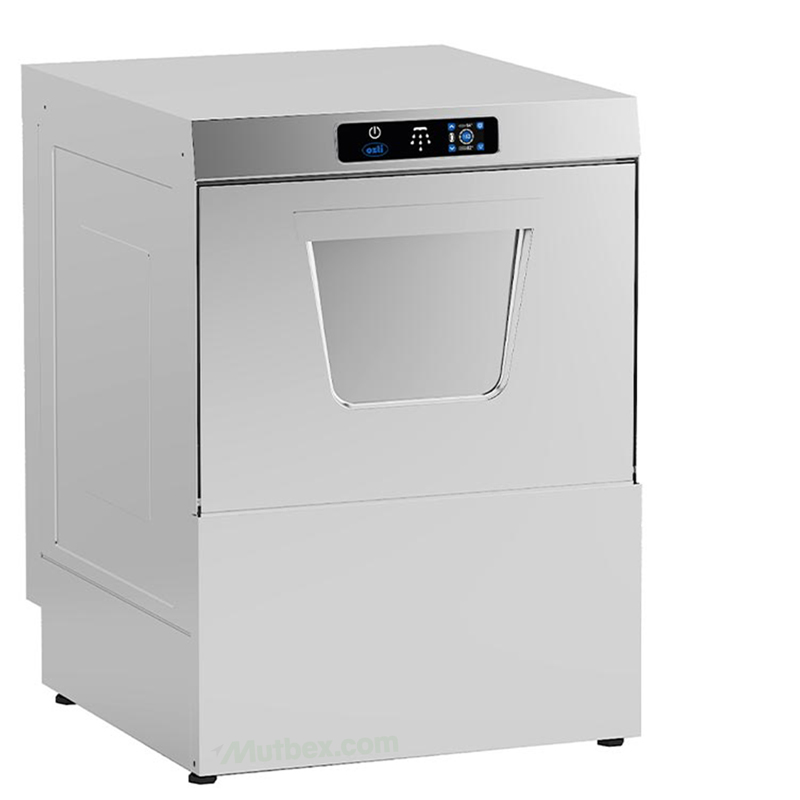
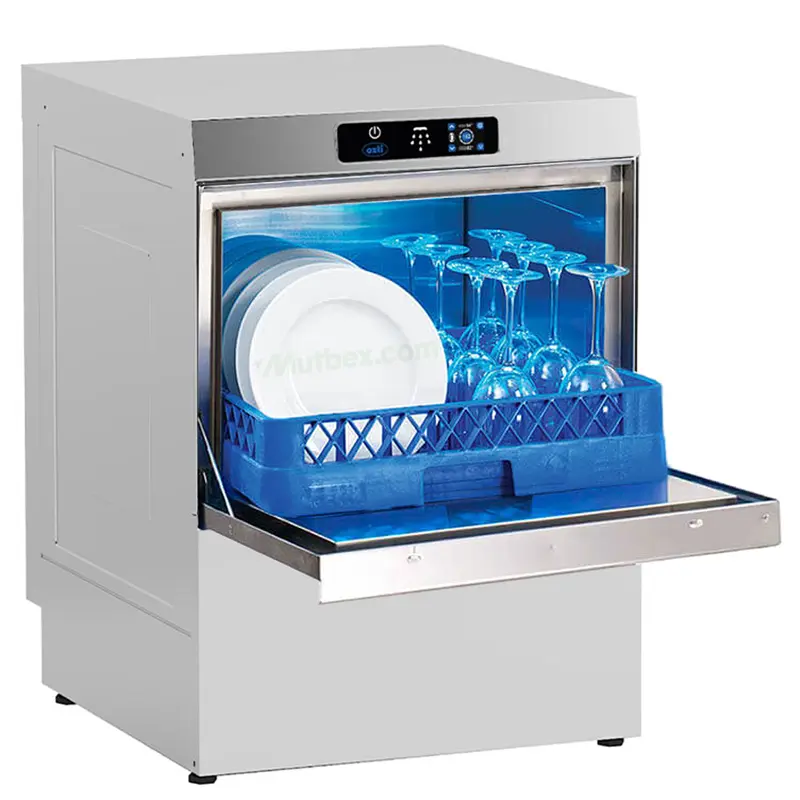
Öztiryakiler OBY 500 Undercounter Dishwasher
The Öztiryakiler OBY 500 undercounter dishwasher is a commercial machine that can process up to 560 plates per hour and is easily controlled through its touchscreen panel. One of its main advantages is that the detergent, rinse-aid, and drain pumps are all integrated into the body as standard. Based on the current customer volume, you can select the appropriate one of five programs on the display and quickly clear the accumulated dishes. When the wash ends and the rinse stage begins, the water reaches up to 85°C, allowing every item placed in the 50 × 50 cm rack to return to the table free of spots.
Undercounter Dishwasher Selection Guide by Business Type
When choosing the most suitable machine for your business, you should place daily customer volume and the existing water and drainage infrastructure at the centre of your decision. If you run a small boutique café, a standard model capable of washing 30 racks per hour will make efficient use of the limited space beneath the counter and comfortably meet your needs. If you operate a busy restaurant that serves hot food throughout the day and experiences constant footfall, however, you should invest in a well-equipped machine with strong drain and rinse pumps. Accurately assessing the capacity you need from the outset will prevent operational bottlenecks in the dishwashing area, even during the most hectic service periods. All of these products are available from Mutbex.
| Features | Empero EMP 500 Undercounter Dishwasher | Öztiryakiler OBY 500 Undercounter Dishwasher | Öztiryakiler OBY 50T Undercounter Dishwasher |
|---|---|---|---|
| Washing Capacity (Per Hour) | 500 Plates | 560 Plates | 560 Plates |
| Detergent Pump | No | Yes | No |
| Rinse Aid Pump | No | Yes | No |
| Drain Pump | Yes | Yes | Yes |
| Rinse Pump | No | No | No |
| Number of Wash Programs | 3 | 5 | 5 |
| Height (cm) | 82 | 83 | 83 |
| Depth (cm) | 70 | 65 | 65 |
| Width (cm) | 59 | 59.5 | 59.5 |
| Weight (kg) | 64 | 65 | 65 |
| Rack Size | 50x50 | 50x50 | 50x50 |
| Control Panel | Digital | Touchscreen | Touchscreen |
How Much Do Undercounter Dishwashers Cost?
Undercounter dishwasher prices vary considerably according to the quality of the selected brand and the power of the machine. Choosing the cheapest model based only on its purchase price often creates major problems for businesses later. The real costs come from monthly electricity consumption and spare-part prices. An entry-level, more affordable model may be perfectly suitable for a boutique café. If you run a busy restaurant serving hot food throughout the day, however, investing in a premium commercial machine with a powerful drain pump will be a much more profitable decision. You can choose from the high-quality models available at Mutbex and save money for years to come.
Undercounter Dishwasher Reviews
Reviews from people who actively use these machines in their businesses are generally very positive. Many café and restaurant owners are particularly pleased that the machine fits neatly beneath the counter without taking up valuable space in a compact kitchen. The ability to clean glasses and plates quickly and without leaving spots, even during busy periods, is another feature frequently recommended to prospective buyers.
What Should You Consider When Buying an Undercounter Dishwasher?
The most important factor to consider when purchasing one of these machines is the business’s daily dishwashing volume. If you choose a model that is too small, the dishwashing area can quickly become overwhelmed during busy service periods, inevitably delaying the return of plates to the tables. To keep the kitchen workflow running smoothly, focus on products whose hourly washing capacity matches the pace of your business. It is also wise to choose a brand with a strong service network that can send a technical team to your premises quickly in the event of a fault. By exploring the options available at Mutbex, you can find affordable models with practical features and purchase with confidence.
Why Is Stainless Steel Important in Undercounter Dishwashers?
A stainless-steel body is extremely important if the machine is to operate reliably in the kitchen for many years without corrosion. Commercial machines remain in constant contact with extremely hot water and powerful chemical detergents. When manufactured from cheap materials, they can unfortunately begin corroding internally within a short time. Choosing a robust steel construction helps you maintain the highest hygiene standards in your business and allows you to use the machine safely for years without worrying about rust.
Are Pump Selection and the Boiler Heating Element Important in an Undercounter Dishwasher?
Yes. If the drain or rinse pump is not suitable for the kitchen’s plumbing and drainage infrastructure, the water pressure may remain too low to remove stubborn marks from glasses. The boiler heating element rapidly heats the water and helps dissolve hardened grease. If this component is underpowered, the machine may spend far too long trying to heat the water, resulting in a much higher electricity bill at the end of the month.
Do Detergent and Rinse Aid Formulated for Hard Water Extend the Life of an Undercounter Dishwasher?
Yes. If the mains water in your area has a high limescale content, using chemicals specifically formulated for it is very important for protecting the machine’s mechanical condition. Standard commercial detergents may not dissolve properly in hard water and can lead to thick limescale deposits on the machine’s heating element. When you select the correct detergent and rinse aid for the water conditions, the system removes these deposits before they harden. As a result, one of the kitchen’s most important machines can continue operating reliably for years without expensive faults caused by blockages or corrosion.
Water Hardness Levels and Their Meanings
| Water Hardness | Description |
|---|---|
| 30°f and above | Very Hard Water / Very High Limescale |
| 20-30 °f | Hard Water / High Limescale |
| 10-20 °f | Moderately Hard Water / Moderate Limescale |
| 5-10 °f | Soft Water |
| 0-5 °f | Very Soft Water |
You can review our buying guide to choose the most suitable dishwasher for your business.
Our Videos
You can watch the videos in this section to see commercial kitchen equipment in operation. Before making a substantial investment in equipment, seeing how the machines clean dishes under intensive working conditions gives every business manager a major advantage. Created especially for customers who do not want to rely solely on written technical specifications, these detailed videos clearly explain the entire operating process, from selecting a machine through to the rinsing stage.
Öztiryakiler Glasswashers | Mutbex
Glasswasher or Dishwasher? | Mutbex
Öztiryakiler Dishwashers | Mutbex
Do You Know How Much Water Commercial Dishwashers Use Per Cycle? | Mutbex
How Do You Drain an Öztiryakiler Dishwasher? | Mutbex
How Do You Remove Limescale from a Commercial Dishwasher? | Mutbex
How Many Minutes Does a Commercial Dishwasher Take to Wash? | Mutbex
Do You Do These Things When Using a Dishwasher? | Mutbex
Can You Use a Dishwasher Without Rinse Aid and Detergent? | Mutbex
Undercounter Dishwasher Brands
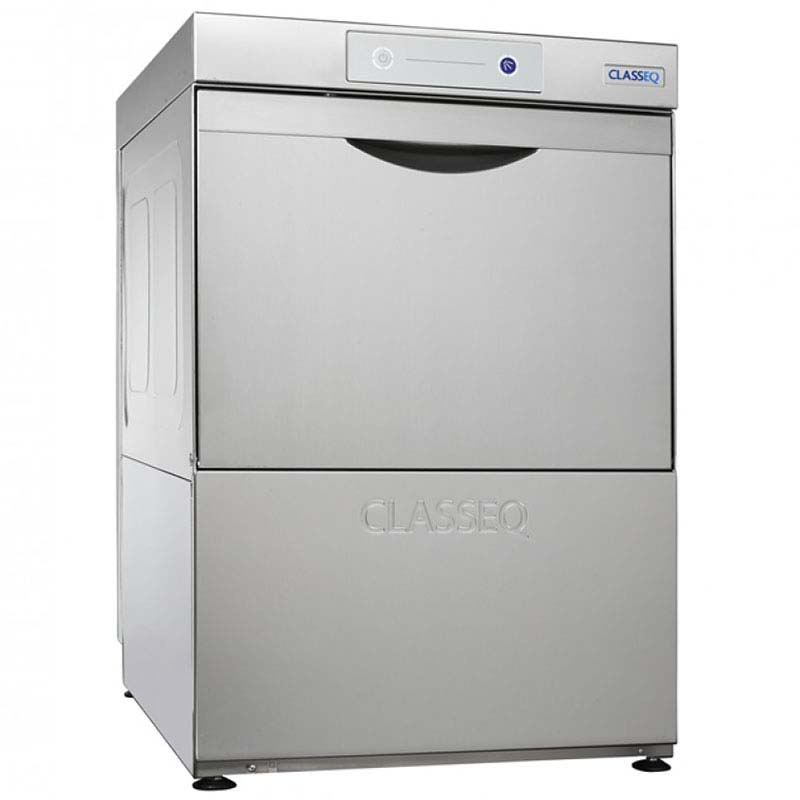
Öztiryakiler, Empero, Zanussi, Electrolux, and Classeq are among the most popular choices for professional kitchens and stand out for their durability. Thanks to their many years of experience in the undercounter dishwasher market, these brands deliver the high performance businesses need during busy service periods. By considering your business’s daily dishwashing volume, you can confidently choose the best investment for your budget from the models offered by these manufacturers. You can explore models from selected brands at Mutbex and choose a machine suited to your intended use.
Related Blog Posts
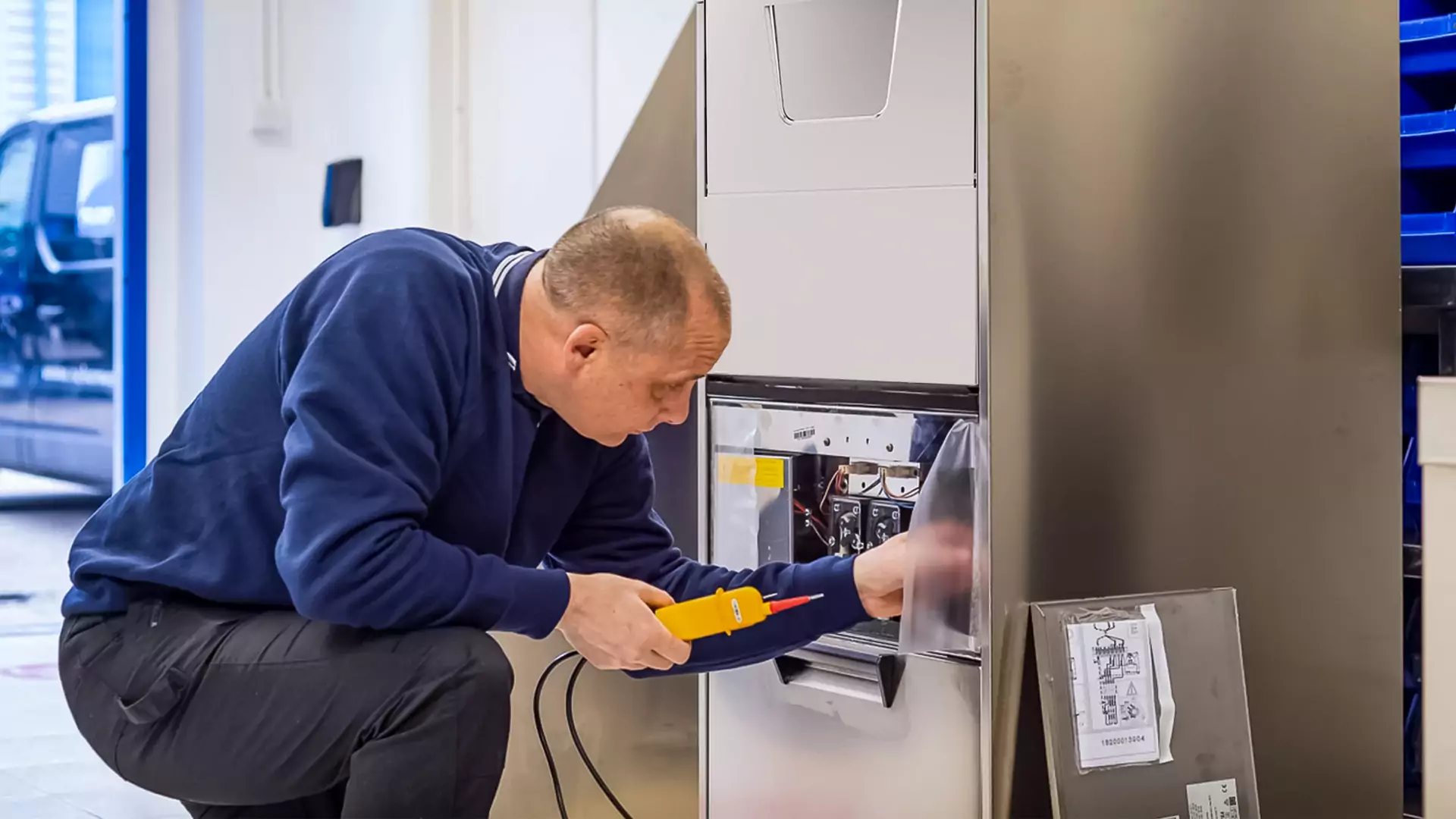
Commercial Dishwasher Faults and Solutions
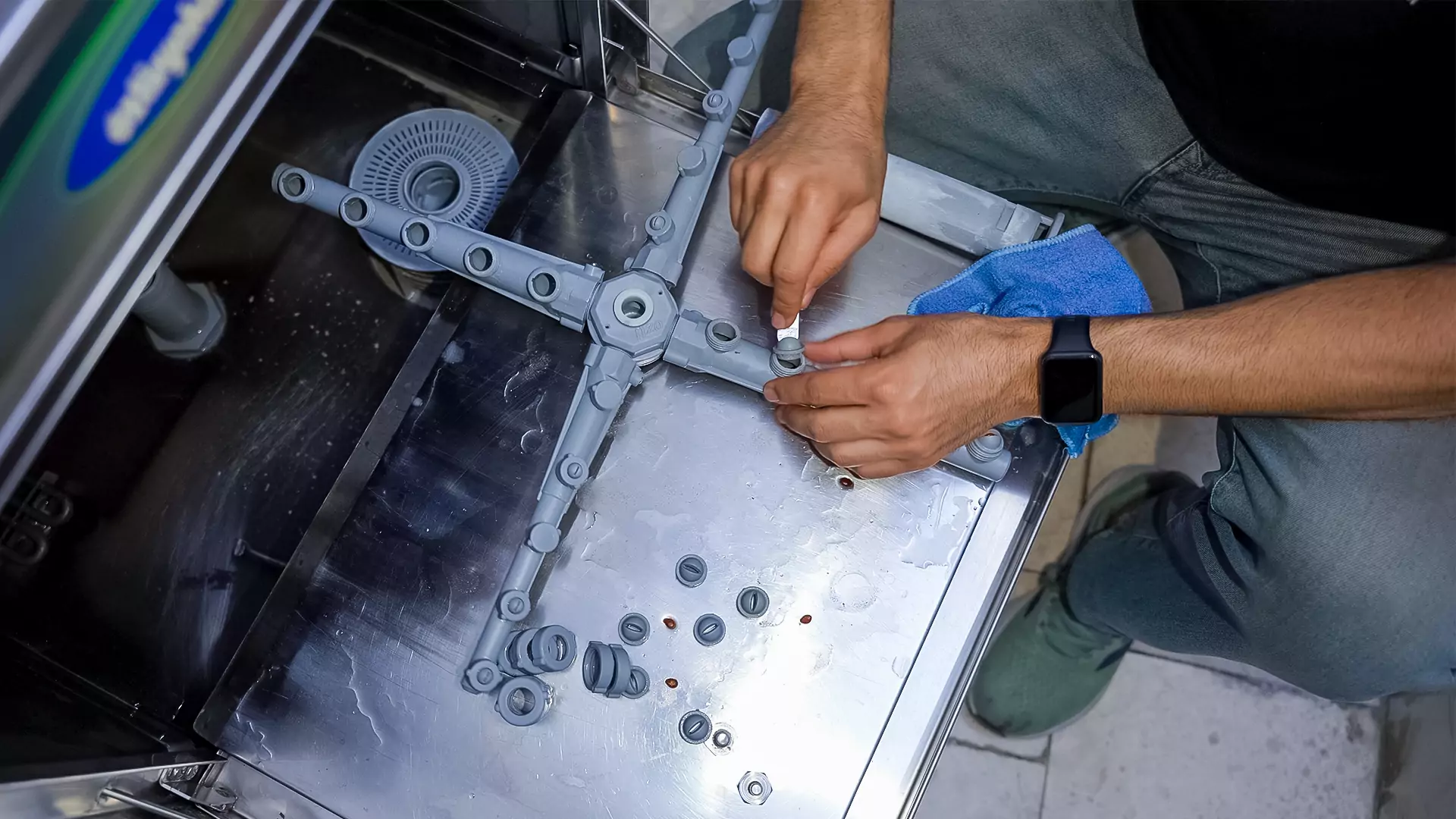
Commercial Dishwasher Maintenance and Cleaning

How to Use Commercial Dishwashing Machines
Frequently Asked Questions (FAQ)
Which Undercounter Dishwasher Model Is Suitable for My Business?
Answer: The first factor to consider when identifying the most suitable machine for your business is its daily service volume. If you run a small café, a standard machine capable of washing 30 racks per hour will comfortably meet your needs. If you operate a high-volume restaurant, you will need a machine with a much greater capacity. It is also important for your operating budget to select an energy-efficient model with pump specifications that suit your kitchen’s plumbing and drainage infrastructure. A machine chosen through an accurate capacity calculation will speed up kitchen operations and considerably reduce the workload on your team during busy days.
Can an Undercounter Dishwasher Be Used at Home?
Answer: No. These commercial machines are generally unsuitable for standard domestic kitchens because of infrastructure incompatibilities. Commercial models require a high electrical current to heat water within seconds, and standard household circuit breakers often cannot handle this load. In addition, these machines wash dishes in around three minutes and leave them wet, so they do not offer the extended drying convenience associated with domestic models. Domestic plumbing may also be unable to provide the professional water inlet and drainage conditions these machines require, making home use even more difficult.
What Should the Rinse Temperature Be in an Undercounter Dishwasher?
Answer: According to professional kitchen standards, the ideal rinse-water temperature for these machines is between 80°C and 85°C. Applied immediately after the washing stage, this high temperature completely removes detergent chemicals from plates and glasses, helping maintain hygiene in your business. Bringing the water to this temperature also helps washed items dry quickly as soon as they are removed from the rack, significantly speeding up the team’s work during busy service periods.
How Much Water and Energy Does an Undercounter Dishwasher Consume?
Answer: During a standard wash cycle, these machines use approximately 2.5 to 3 litres of water, while their hourly power consumption varies between 3 and 5 kW depending on the model and its equipment. Because the machine keeps the water hot in its internal tank, it does not need to heat it from cold for every cycle and therefore uses resources very efficiently. Investing a little more initially in a well-insulated, energy-efficient model can make a clearly noticeable difference to your business’s monthly utility bills.
Is Rinse Aid Necessary in an Undercounter Dishwasher?
Answer: Yes. Professional rinse aid is important for helping glasses and plates come out of the machine completely dry. Commercial machines normally complete their wash cycle within a few minutes and do not have the lengthy drying stages found in domestic machines. Rinse-aid chemicals mixed into the rinse water immediately reduce surface tension, allowing water droplets to run directly off glass and porcelain surfaces instead of clinging to them. This means staff do not need to spend additional time drying dishes by hand during busy service periods, and you can consistently provide customers with spotless tableware.
What Is the Difference Between an Undercounter Dishwasher and a Domestic Dishwasher?
Answer: The main differences between the two machines are their wash-cycle duration and daily processing capacity. A domestic model uses long programs lasting several hours to clean a rack of dishes, whereas an undercounter commercial dishwasher completes the same task in around three minutes. These professionally designed machines keep water hot in an internal tank and therefore require a high electrical current, making them structurally incompatible with standard domestic infrastructure. Developed specifically to keep pace with the heavy service demands of businesses, these systems immediately speed up kitchen turnover and eliminate delays in the dishwashing area.
Does an Undercounter Dishwasher Dry the Dishes?
Answer: No. These commercial machines do not have the separate, lengthy drying programs associated with domestic models. Because the cleaning process is completed in around three minutes, the machine relies entirely on a hot-rinse system. During the final stage, water above 80°C works together with the correct rinse aid to remove droplets from the surface. Once the rack is taken out of the machine, contact with the surrounding air allows the plates to dry naturally within seconds.
Should Rinse Aid Be Used in an Undercounter Dishwasher?
Answer: Yes. If you want glass and porcelain items to come out of the machine completely free of spots, you should always use a professional rinse aid. Commercial machines do not have the long drying programs found in domestic models, so their wash cycles of just a few minutes need to be supported by these specialised chemicals. During the final rinse, rinse aid works with the extremely hot water to help surface water bead and run off immediately. This means staff do not have to waste time drying glasses by hand during the busiest periods.
Which Detergent and Rinse Aid Should Be Used in an Undercounter Dishwasher?
Answer: Only commercial liquid detergents and professional rinse aids specifically formulated for these machines should be used. Tablets and powders commonly used in domestic dishwashers often leave residue because they cannot dissolve fully during the extremely short cycles of commercial machines. Choosing high-quality liquid chemicals suited to the water conditions helps prevent important components, such as the pumps and heating element, from becoming blocked. This allows the machine handling the business’s dishwashing workload to continue delivering excellent cleaning performance for years without causing faults during busy service periods.
Can Domestic Detergent Be Used in an Undercounter Dishwasher?
Answer: No. Conventional domestic detergents sold in supermarkets are not suitable for machines designed for commercial use. Because a commercial dishwasher completes a wash cycle in around three minutes, domestic tablets and powders cannot dissolve fully during the process and may leave deposits inside the machine. Their excessive foaming can also damage the pressurised water system and block the drain pumps. To ensure the machine continues operating reliably for years without failing during busy periods, it is important to use only commercial liquid detergents specifically manufactured for professional kitchens.
What Does the Drain Pump Do in an Undercounter Dishwasher, and Is It Compulsory?
Answer: No. A drain pump is not compulsory for every kitchen installation. It is required only when the wastewater connection in your business is positioned above the machine’s water outlet. At the end of a wash cycle, the pump forces the wastewater collected inside the machine upward into the main drainage system. If the drain opening is below the level of the machine’s water outlet, the water will flow away naturally under gravity, so there is no need to pay extra for a model fitted with a pump.
Can Undercounter Dishwasher Rinse Aid Be Added Manually?
Answer: No. Pouring rinse aid directly into the tank of a commercial machine is ineffective. In a commercial system, this specialised chemical is automatically drawn into the line by a dosing pump during the final, high-temperature rinse stage. If you add the liquid to the main tank containing the detergent water at the beginning, its chemical action is immediately compromised and the plates may come out of the machine completely wet. To serve customers with spot-free glassware consistently, it is important to connect the liquid container to the machine’s rinse-aid pump with a transparent hose and leave the dosing process entirely to the machine.
Can an Undercounter Dishwasher Be Placed on Top of a Counter?
Answer: No. Placing these heavy commercial machines on a standard worktop is not suitable in terms of kitchen ergonomics or occupational safety. Commercial machines continuously store water in their internal tanks, so their weight becomes considerable when operating at full capacity. Vibrations generated by the high-pressure wash motor may also create a dangerous situation on a worktop. In addition, raising the machine to worktop level would place the open door and loaded racks well above comfortable working height, putting considerable physical strain on staff during long, busy shifts. If floor space is limited, a more professional solution is to use a purpose-built stainless-steel stand with storage beneath it for empty dishwasher racks instead of placing the machine on the worktop.
Are Undercounter Dishwashers Suitable for Cafés, Bars, and Restaurants?
Answer: Yes. These machines are designed specifically to manage the demanding kitchen operations of high-turnover commercial businesses such as cafés, bars, and restaurants. Manufactured to fit neatly beneath commercial worktops, these compact models leave staff plenty of room to move, particularly behind bars and in small kitchens where space is limited. During the busiest periods, when orders arrive one after another, they clean dirty glasses and plates in short cycles lasting only a few minutes, quickly returning them to use and keeping service running without interruption.
Does an Undercounter Dishwasher Have a Rinse Pump?
Answer: No. A rinse pump is not standard equipment on every machine available on the market. Depending on the model you purchase, it may be added later as an optional accessory. If the mains water pressure in your kitchen is insufficient, ordering a model with an integrated rinse pump from the outset is an important step towards maintaining good cleaning performance by supplying pressurised water to the machine.
How Many Racks per Hour Should an Undercounter Dishwasher Process Based on a Business’s Average Daily Customer Volume?
Answer: Your business’s daily customer volume is the main factor determining the machine capacity you need. A model capable of washing 30 to 40 racks per hour can comfortably manage the workload of a small café or boutique business. If you run a much busier restaurant, choosing a machine with a capacity of 50 or 60 racks per hour will be a more suitable decision. When selecting the correct capacity, consider not only the overall volume but also the total load during the hours when dishwashing demand reaches its peak. This allows your team to provide uninterrupted service without waiting during the busiest shifts.
At What Height Should an Undercounter Dishwasher Be Installed to Minimise Bending in Confined Spaces?
Answer: Installing it approximately 40 to 50 cm above floor level is generally the most suitable option. At this height, the rack rails align with the staff member’s waist when the door is fully open, considerably reducing physical fatigue. A purpose-built stainless-steel machine stand helps prevent employees from repeatedly bending down during busy service periods. It also provides space beneath the machine for storing empty racks, allowing compact kitchens to be used much more efficiently.
How Much Do Integrated Automatic Detergent and Rinse-Aid Pumps Reduce Staff Workload During Busy Periods?
Answer: This equipment significantly reduces the operational workload of the kitchen team. Integrated dosing pumps draw liquid chemicals directly from their containers and automatically dispense the correct quantity required for every wash cycle. During hectic service periods when orders arrive one after another, employees do not need to open the machine and add detergent manually or constantly check the chemical levels. Leaving chemical dosing to the machine not only saves staff time but also helps ensure the same standard of cleaning on every plate.
How Should the Clean-Water and Wastewater Connections of an Undercounter Dishwasher Be Planned Without Obstructing Other Commercial Kitchen Equipment?
Answer: The connections should be grouped in the unused space directly behind the machine and concealed within wall or underfloor channels leading to the main plumbing system. During installation planning, keep the water inlet and outlet hoses completely away from contact areas around heat-producing equipment such as ovens and grills. Placing the plumbing connections inside stainless-steel protective channels instead of leaving them exposed prevents staff working in confined spaces from tripping over the lines and keeps movement through the kitchen unobstructed.
How Much Can an Undercounter Dishwasher That Retains Hot Water Reduce Monthly Electricity Consumption Compared with Models That Reheat Water for Every Cycle?
Answer: Depending on the business’s daily usage, it can produce a clearly noticeable reduction in monthly electricity bills. Commercial machines that keep wash water at the ideal temperature inside an insulated tank do not use additional energy to heat fresh mains water from cold during every cycle. The heating elements operate only briefly to maintain the existing tank temperature, keeping the instantaneous current drawn from the electricity supply relatively low. Professionally designed models with strong insulation not only speed up operations during continuously busy days but also reduce energy costs and provide meaningful support for the business’s budget.
How Much Does Double-Wall Insulation Reduce Heating-Element Operating Time by Retaining Water Temperature in the Tank of an Undercounter Dishwasher?
Answer: Although the exact amount varies according to how frequently the machine is used and the kitchen’s ambient temperature, double-wall insulation noticeably reduces the heating elements’ active operating time compared with single-wall models. The two-layer body and insulating material between the walls prevent the hot water in the tank from being affected by the cooler surroundings, minimising heat loss. Because the water remains close to the target washing temperature, the heating elements switch on only for very short periods to compensate for small temperature drops. This construction can deliver meaningful electricity savings even during the busiest hours, while preventing wear caused by excessive operation and extending the machine’s service life.
General Assessment
When there is barely room to move in the kitchen, an undercounter dishwasher can be a genuine lifesaver. It quickly clears the business’s seemingly endless dishwashing workload during the busiest service periods. Before ordering a machine, however, it is essential to analyse the business’s daily customer volume carefully. If you also select pump equipment suited to your drainage infrastructure, the workflow will not be interrupted even during the most hectic periods. Choose a robust stainless-steel model and use commercial chemicals suited to your mains water, and the machine can operate reliably for years without causing repeated faults. If you want to carry the speed gained in the dishwashing area through to customer service and improve presentation quality further, you can also explore Mutbex’s beverage equipment category.