 Track Order


Espresso and Cappuccino Machines
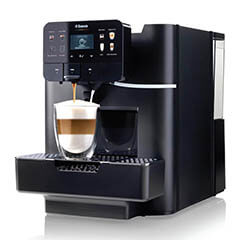
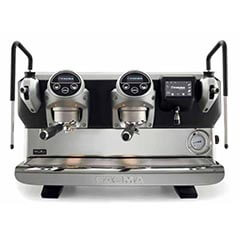
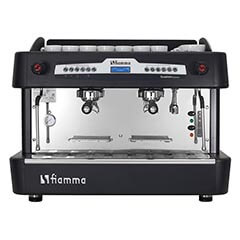
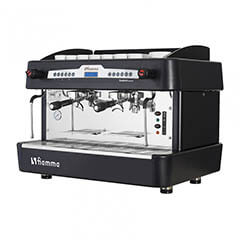
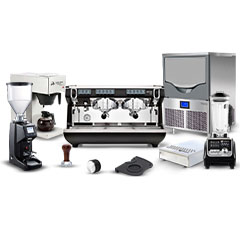
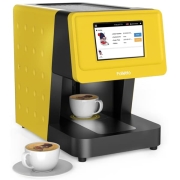
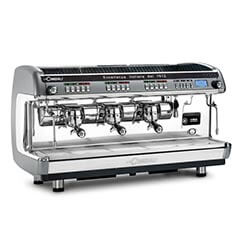
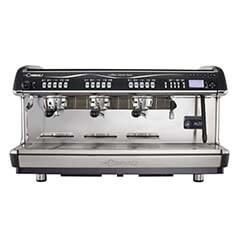
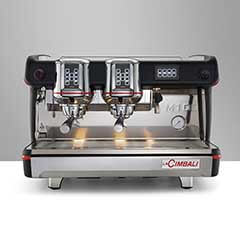
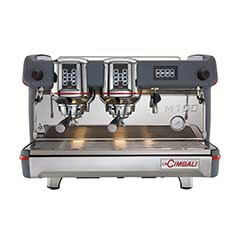
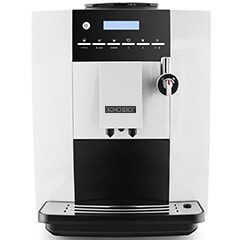
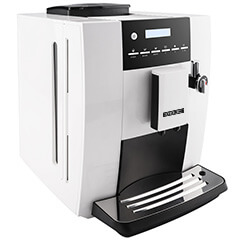
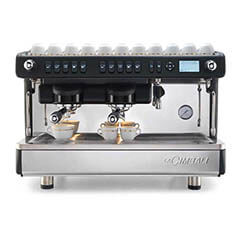
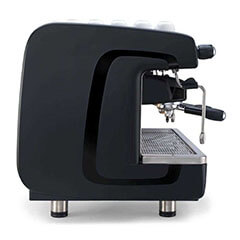
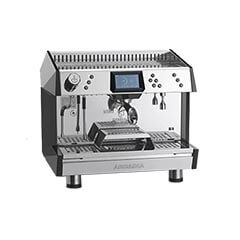
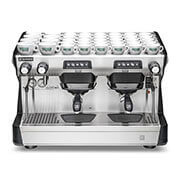
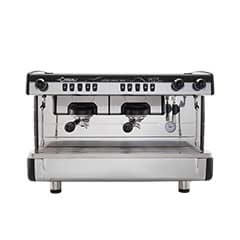
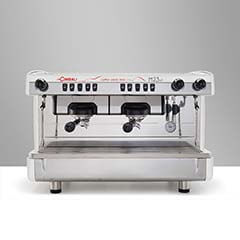
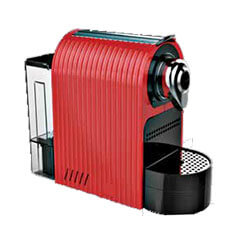
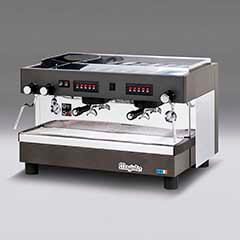
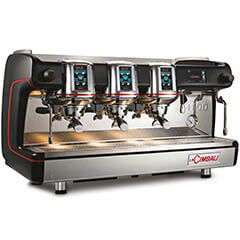
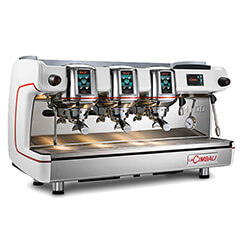
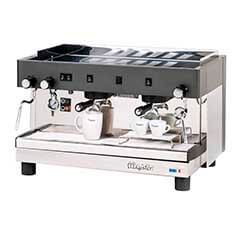
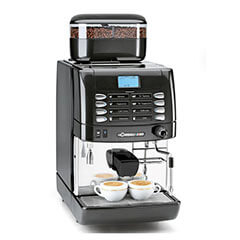
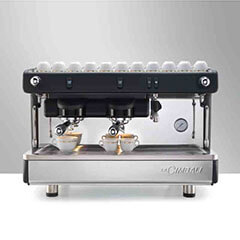
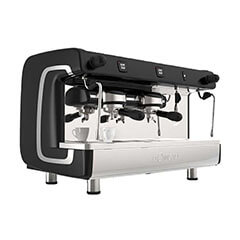
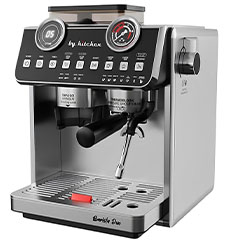
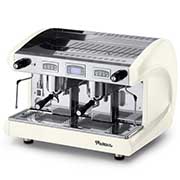
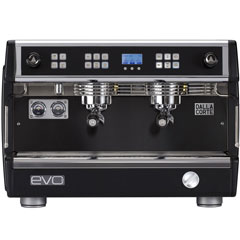
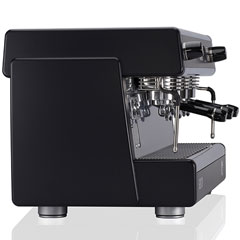
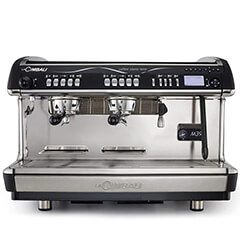
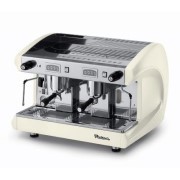
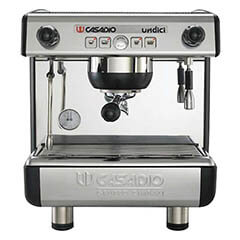
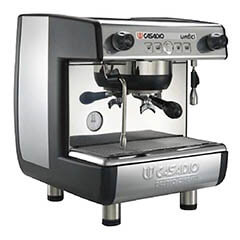
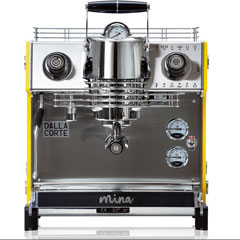
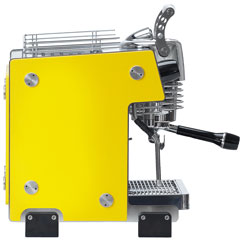
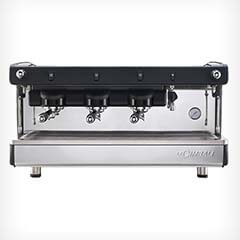
Espresso and Cappuccino Machines: Perfect Taste, Uninterrupted Service
Choosing the right professional espresso and cappuccino machine is critical to keeping up with the pace of the day and always offering your customers a perfect coffee experience. The uninterrupted and high-performance operation of your coffee station, the heart of your business, directly affects guest satisfaction. In this category, you can find state-of-the-art automatic and manual coffee machines tailored to the needs of your cafe, restaurant, or office. Whether you are looking for a compact single-group solution or a multi-boiler beast for peak hours; the industrial coffee machine models you are looking for are here. On this page, we will examine in detail how to make a long-lasting and efficient investment without compromising on the flavor quality you desire. Start your journey now to select the best machine that will take your business's coffee service to the next level.
Espresso and Cappuccino Machine Varieties
By Technology (Automatic, Semi-Automatic, and Manual)
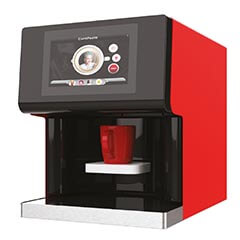
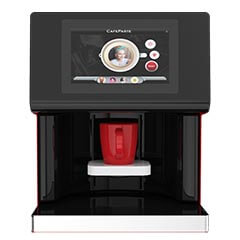
Automatic professional espresso machines are ideal for businesses where high intensity and standard quality are required. These machines perform dosing, grinding, and water adjustment automatically, minimizing barista error. Semi-automatic and manual models, on the other hand, offer a truly artisanal coffee experience by allowing the barista to control water flow and duration.
Pre-programmed settings in automatic machines guarantee you get the same quality shot every time while shortening staff training time. Manual models are indispensable for cafes that master the art of coffee making and want to add a personal touch to every brew. Choosing the most suitable coffee machine technology according to your business's staff experience and service speed will increase efficiency.
By Group Number
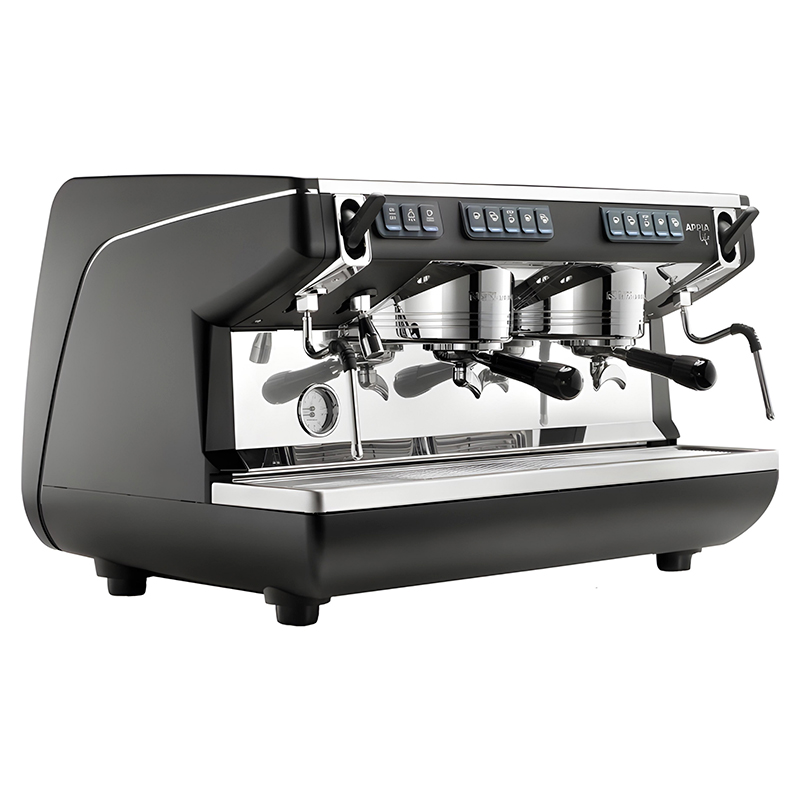
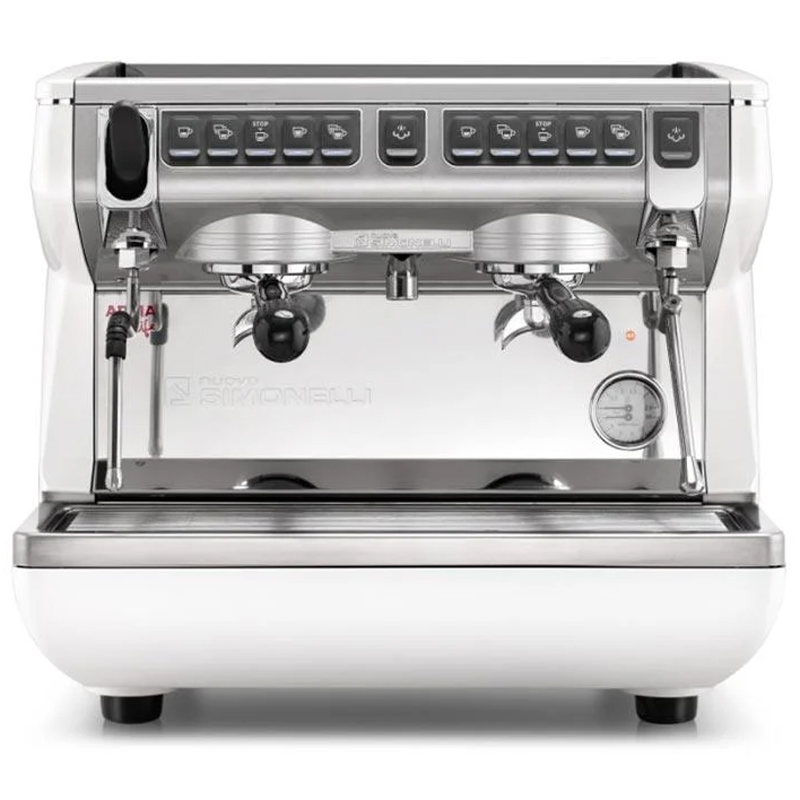
Espresso machines are classified by the number of group heads, which indicates how many shots can be prepared simultaneously. Single-group espresso machines offer a compact and economical start for boutique cafes or low-volume service points. These models are the perfect solution for businesses with limited space.
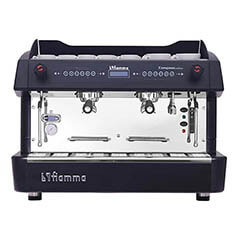
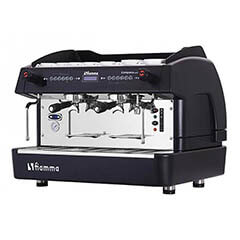
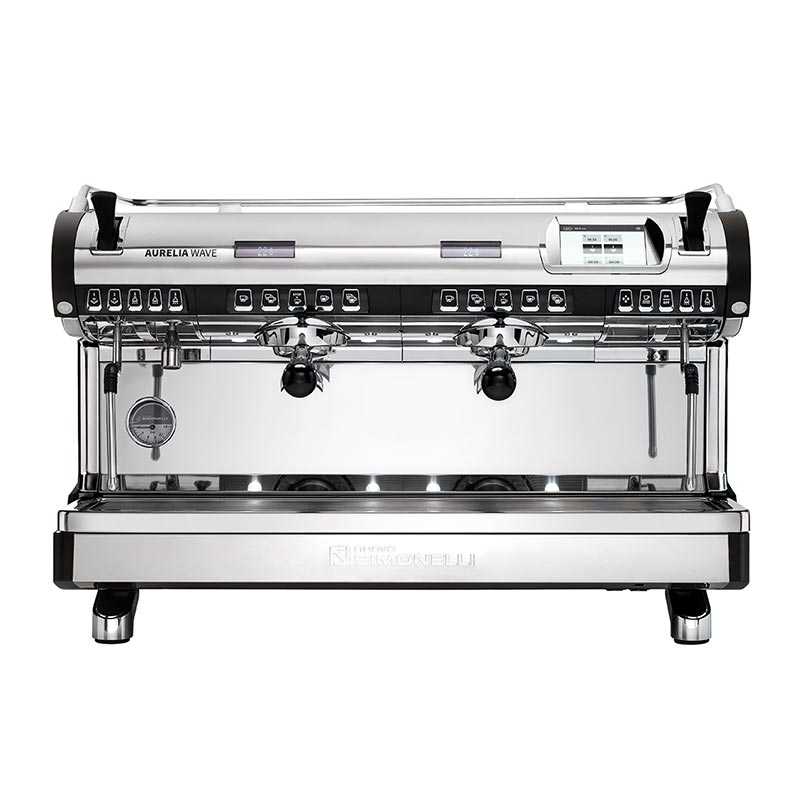
Two or three-group professional machines have become the standard for cafes and restaurants with high customer traffic. Thanks to multiple group heads, you can prepare different orders simultaneously and significantly reduce waiting time during peak hours. The number of groups is one of the most important factors directly determining your coffee service capacity and speed.
By Boiler Number (Heat Exchanger/Dual Boiler)
The number of boilers indicates how simultaneous and stable the machine's ability to brew espresso and produce steam is. Traditional single-boiler or Heat Exchanger (HX) machines manage the heat of steam and brewing water from a single boiler; this is usually a more affordable option. However, brewing water temperature may be briefly affected when there is a rapid need for steam.
Dual Boiler systems have separate boilers for brewing water and steam, performing both functions simultaneously with perfect temperature stability. Dual boiler espresso machines are recommended for businesses requiring intensive and precise temperature control. These systems guarantee the most consistent shot quality and maintain steam pressure even during busy service.
Espresso Machine Prices: Plan Your Investment
The price of a professional espresso machine ranges widely depending on many factors such as the technology offered, build quality, brand prestige, and service capacity. This category includes a price difference of thousands, ranging from simple single-group semi-automatic machines to advanced three-group automatic industrial models. Understanding the key elements determining the price tag allows you to allocate the right budget for your business.
Key Factors Determining Price and Cost Ranges:
- Technology and Automation: The most basic price difference stems from the machine's automation level. Manual or semi-automatic espresso machines are generally more suitable for entry-level or boutique business budgets. Fully automatic (super-automatic) machines are in the highest price segment thanks to internal grinders, touch screens, and self-cleaning features, but they provide savings on labor costs.
- Capacity and Build Quality: As the number of groups and boilers increases, and thus the service capacity rises, the price increases proportionally. For example, dual boiler systems offering high stability and heavy-duty industrial structures made of stainless steel are significant factors raising the cost. Higher-priced machines are generally accepted as more economical investments in the long run as they are longer-lasting and break down less.
- Brand and Service Network: Proven, globally recognized premium espresso machine brands (La Marzocco, Simonelli, Faema, etc.) are generally higher priced. These brands demonstrate strong support behind your investment with their widespread technical service networks and spare parts warranties. When looking for affordable espresso machines, paying attention not only to the initial cost but also to installation, warranty, and future maintenance expenses prevents you from encountering surprise costs.
What Should I Pay Attention to When Buying an Espresso Coffee Machine?
Choosing the right professional espresso machine is a vital decision for the success of your business. Before purchasing, you should carefully evaluate the machine's service capacity (number of groups), thermal stability during peak hours (dual boiler system), and the automation level your staff can easily use. Additionally, the machine's size and installation requirements must suit the physical space of your coffee station.
Another critical point is the long-term cost of the investment. The machine's energy efficiency, spare parts costs, and warranty conditions should be examined in detail. Remember, the most expensive machine is not always the best; the best one is the machine most suitable for your business's daily volume and budget. You can check our coffee machine buying guide for a more detailed and comprehensive guide.
Espresso Machine Brands: The Address of Quality and Trust
When choosing a professional espresso machine, the brand's sectoral reputation and technical service strength are as important as the machine's own features. Globally recognized brands that stand out with their quality invest in the sustainability of your business by offering long-lasting use, thermal stability, and parts warranty. Especially Italian giant brands like La Marzocco, Simonelli, and Faema set the industry standard for cafes seeking high volume and consistent flavor. At the same time, brands like La Cimbali have gained such a reputation over time that the brand name has almost become synonymous with the espresso machine itself, and for many, the expression "Cimbali coffee machine" has come to mean a professional espresso machine directly.
When making your brand choice, you should pay attention not only to the name but also to the machine's technical service network and spare parts supply speed in Turkey. Getting fast support in case of possible malfunctions during peak hours prevents your work from being interrupted. Even when looking for more budget-friendly alternatives, the reliability of the brand you choose should be directly proportional to the durability of the machine and the coffee quality it offers.
Our Videos
Nuova Simonelli Appia Life 2 Espresso Machine | The Right Choice For Professional Businesses
In this video, we examined in detail the technical features of Appia Life 2, its double group structure, 11-liter copper boiler capacity, 3350-watt performance, and the advantages its tall cup design provides to businesses.
Nuova Simonelli Nuova Aurelia MP Automatic Dosage Espresso Coffee Machine | DETAILED REVIEW!
In this video, we discussed all aspects of Nuova Simonelli Aurelia MP's design details, technical infrastructure, usage advantages, and why it is a strong investment for professional businesses.
Öztiryakiler Mini Barista Espresso Machine | DETAILED REVIEW!
In this video, we reviewed the Öztiryakiler Mini Barista Single Group Espresso Machine with Grinder, which offers a professional coffee experience, in detail at the Mutbex Experience Center!
Related Blog Posts
Espresso Machine Cleaning and Maintenance Guide
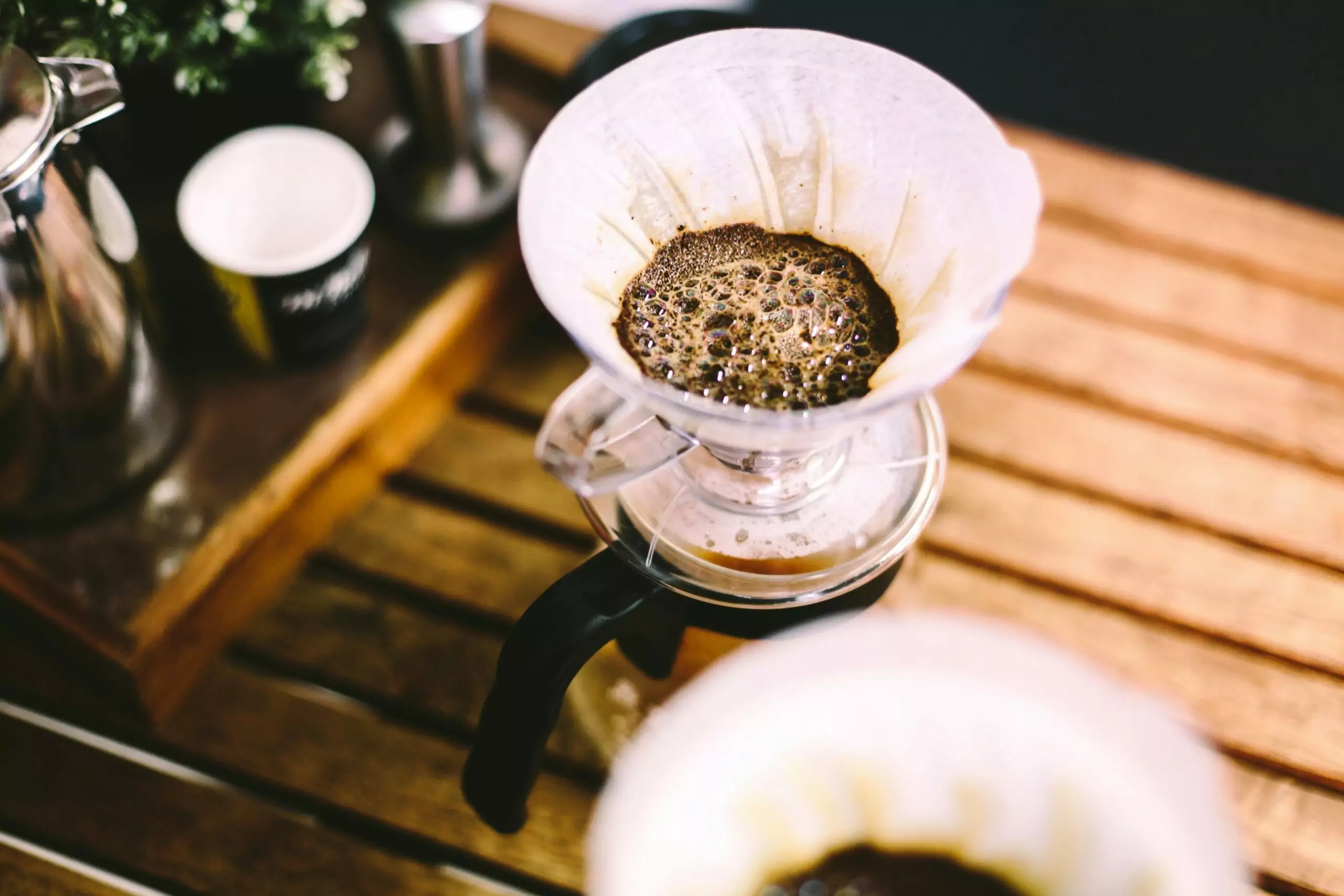
8 Different Techniques for the Perfect Cup
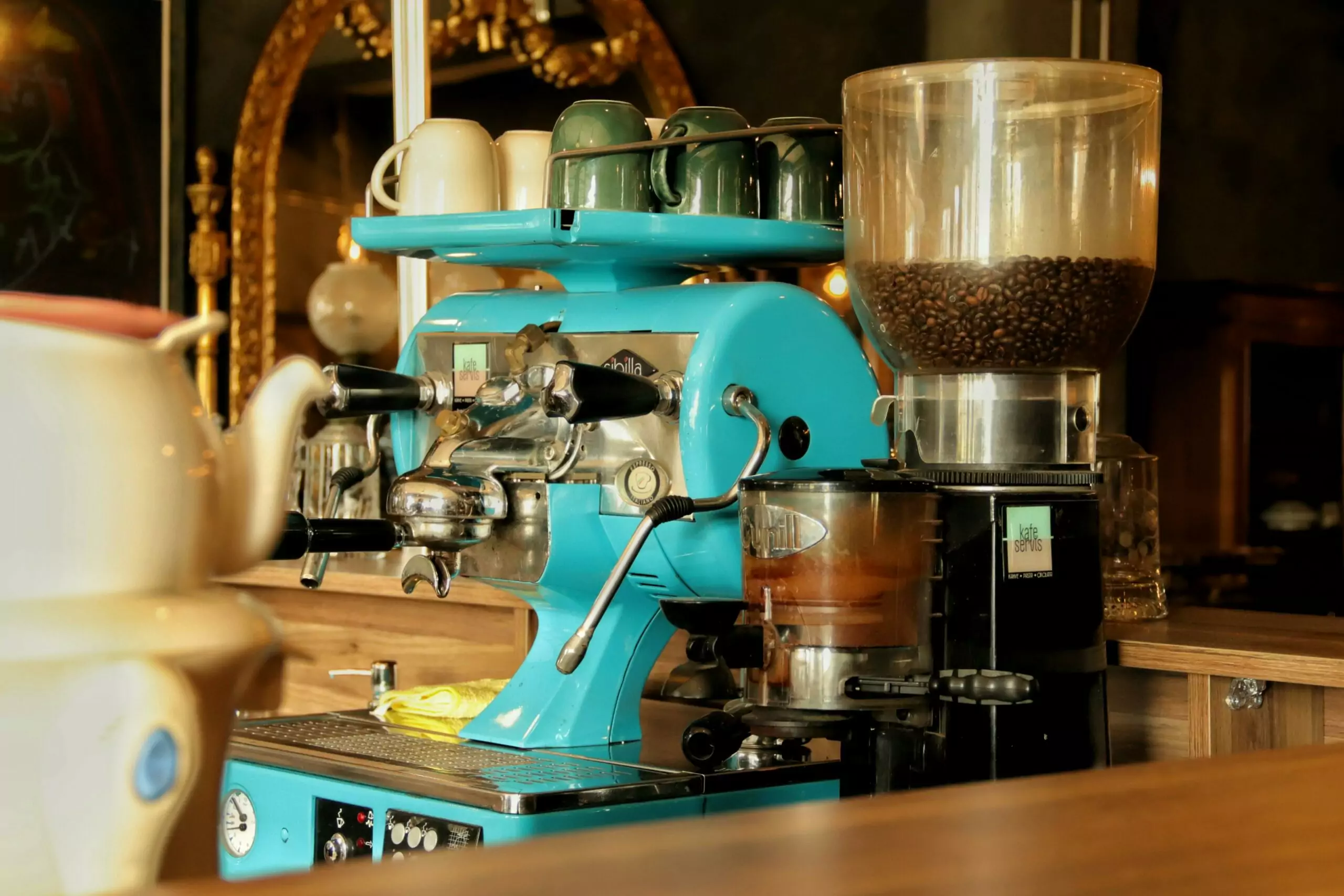
How Professional Espresso Machines Work?
Coffee Machine: Frequently Asked Questions (FAQ)
Question: How Often Should Professional Espresso Machine Maintenance Be Performed?
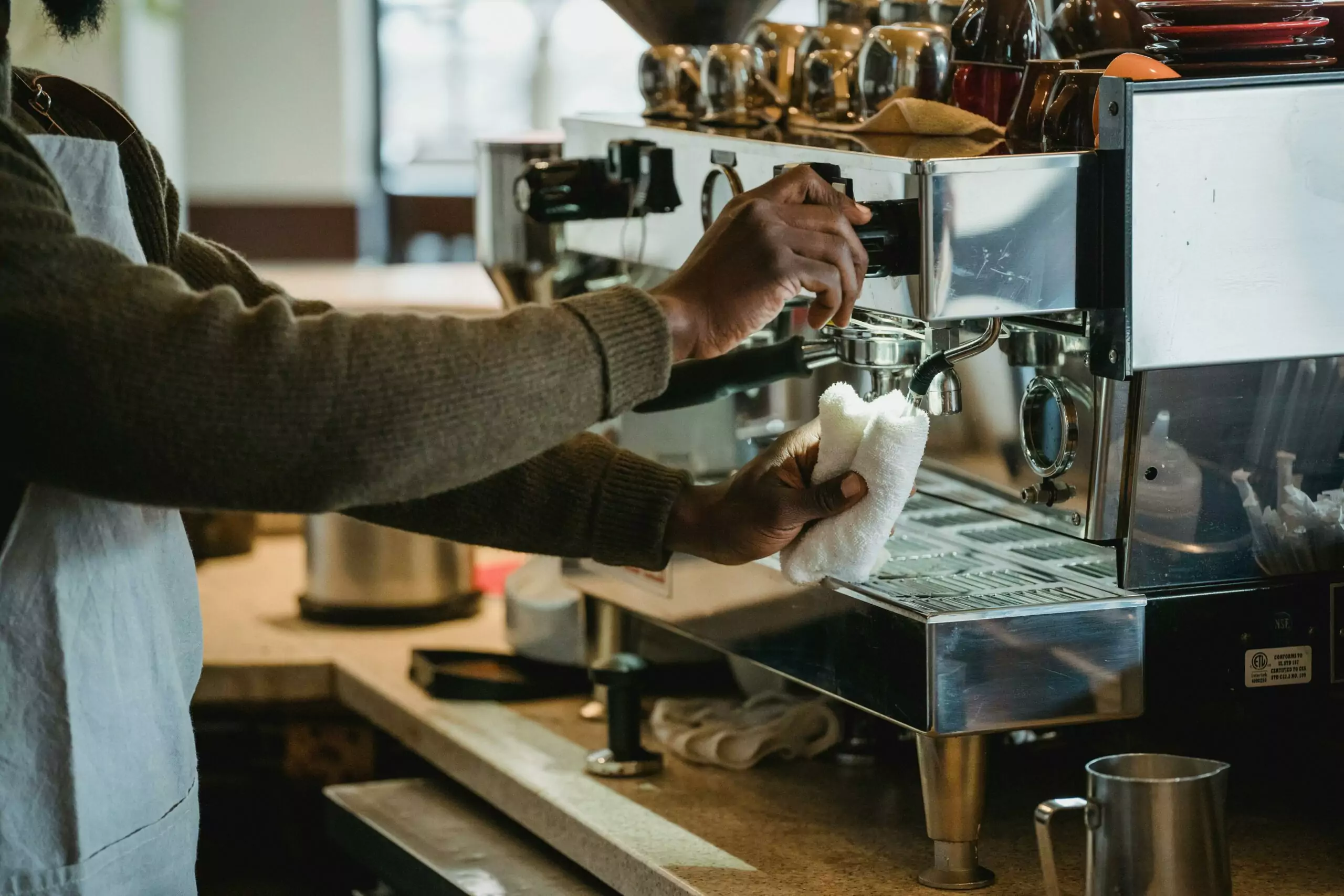
Answer: A professional espresso machine has daily, weekly, and monthly routine maintenance. Cleaning the group heads and portafilters daily is essential. Descaling and more comprehensive technical maintenance should be performed by an expert service usually every 3 to 6 months depending on the machine's usage intensity. Regular maintenance extends your machine's life and protects coffee quality.
Question: What is the Fundamental Difference Between Dual Boiler and Heat Exchanger (HX) Systems?
Answer: The fundamental difference is temperature stability. Heat Exchanger (HX) systems take water for brewing and steam from a single boiler, which can cause the brewing temperature to fluctuate briefly when steam is used. Dual Boiler systems have separate boilers for brewing and steam, thus performing both functions simultaneously with perfect and independent temperature control. Dual boiler systems are more advantageous for intensive and high-quality service.
Question: What is PID and How Does It Affect Espresso Quality?
Answer: PID (Proportional-Integral-Derivative) is a control mechanism in espresso machines that controls water temperature with millimetric precision. Unlike classic thermostats, PID continuously keeps the water temperature in the boiler constant with a maximum deviation of 0.1°C. This ensures that the brewing water temperature remains at the desired value at all times, directly increasing the consistency and quality of the flavor you get from the coffee.
Question: What Does Dosage Setting Mean and Why Is It Important?
Answer: Dosage setting is the feature determining the amount of coffee (weight) or the amount of water (ml) the machine will use for an espresso shot. In automatic machines, this setting is done electronically, ensuring the same amount of water passes through the coffee every time. Correct dosage setting guarantees consistent brewing time and extraction, ensuring the same perfect taste is achieved in every shot.
Question: How Many Different Boiler Types Are Found in Coffee Machines?
Answer: Professional espresso machines generally feature three main boiler types:
- Single Boiler Systems: Manage both brewing and steam from the same boiler (usually home-type and entry-level models).
- Heat Exchanger (HX) Systems: Heat the brewing water via a pipe system passing through the steam boiler.
- Dual Boiler Systems: Use one boiler for brewing and a separate one for steam, offering the highest temperature stability (industry standard).
Question: What are NTC Sensor and Thermoblock Technology?
Answer: An NTC (Negative Temperature Coefficient) sensor is a thermistor that measures water temperature very quickly and precisely, used in PID systems. Thermoblock technology is a system that heats water instantly by passing it through a rapidly heated metal block instead of a boiler. This technology provides fast heating and energy efficiency, especially in compact machines with instant steam/hot water needs.
Question: How Are Espresso Machines Classified as Manual, Semi-Automatic, and Automatic?
Answer: This classification is made according to how much control the machine leaves to the barista:
- Manual (Lever): Machines where the barista completely controls the water pressure themselves, usually working with a lever system.
- Semi-Automatic: Machines where the barista starts and ends the grinding, tamping, and brewing time (stop button).
- Automatic (Volumetric): Machines that automatically start and stop brewing by measuring the pre-programmed water amount (volume).
- Fully Automatic (Super-automatic): Machines that handle the entire process (grinding, dosing, tamping, brewing, and waste removal) with a single button, requiring no barista.