 Track Order


Gas Stoves
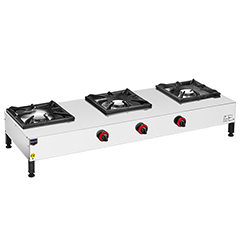
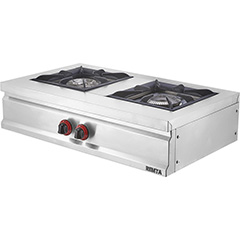
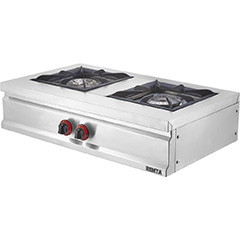
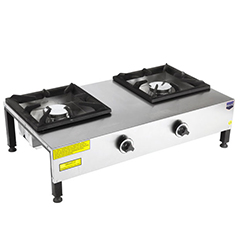
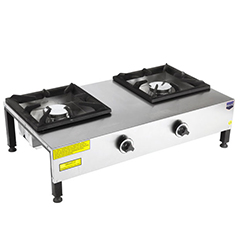
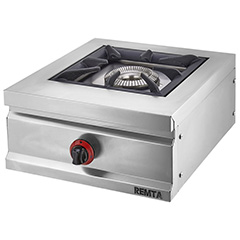
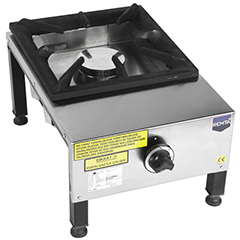
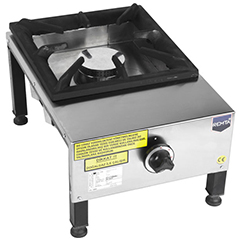
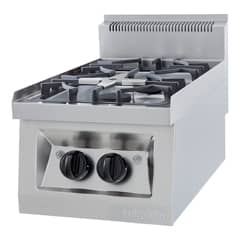
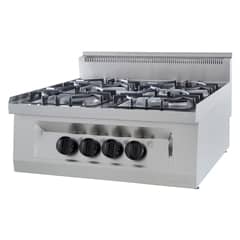
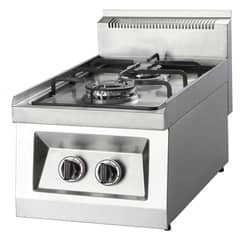
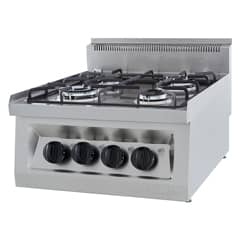
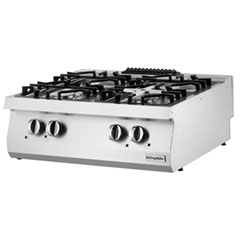
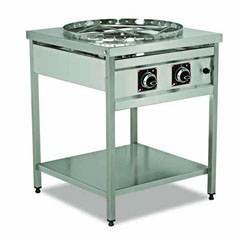
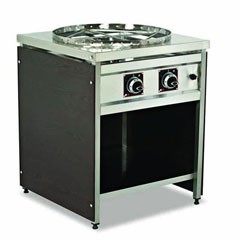
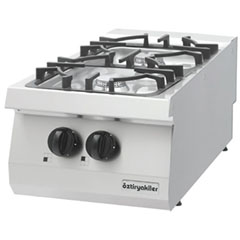
The Real Fire in the Kitchen: Gas Ranges
At the heart of professional kitchens, gas ranges remain the most reliable partner for chefs with their high heat power and instant control capability. Designed for businesses that want to balance speed and flavor in industrial kitchen operations, these appliances combine traditional cooking techniques with modern durability standards. Standing out with their stainless steel bodies and high-calorie combustion capacities, commercial gas range models promise uninterrupted performance during peak service hours, while allowing you to achieve standard success in every recipe thanks to precise flame settings. In this article, we bring together the technical details and tips for long-lasting use that you should consider when choosing the most suitable gas range for your business's production capacity.
Types of Gas Ranges
By Number of Burners
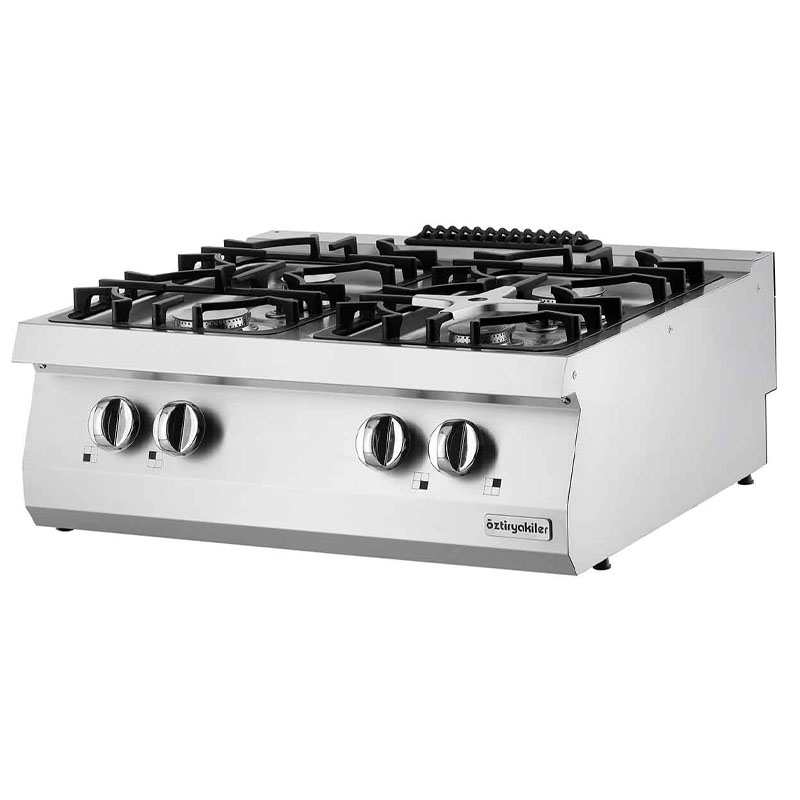
In the layout plan and operational speed of industrial kitchens, the choice of the number of burners for gas ranges is the most critical element directly affecting business capacity. While 1 or 2-burner countertop gas ranges offer practical and fast solutions for boutique cafes or kitchens with limited space, 4-burner gas ranges, the standard building block of professional restaurants, allow for the simultaneous preparation of different sauces and main courses. Additionally, massive 6-burner ranges produced for hotels and high-capacity cafeterias prevent disruptions in kitchen traffic even during the busiest service hours with their maximum cooking surface.
By Placement
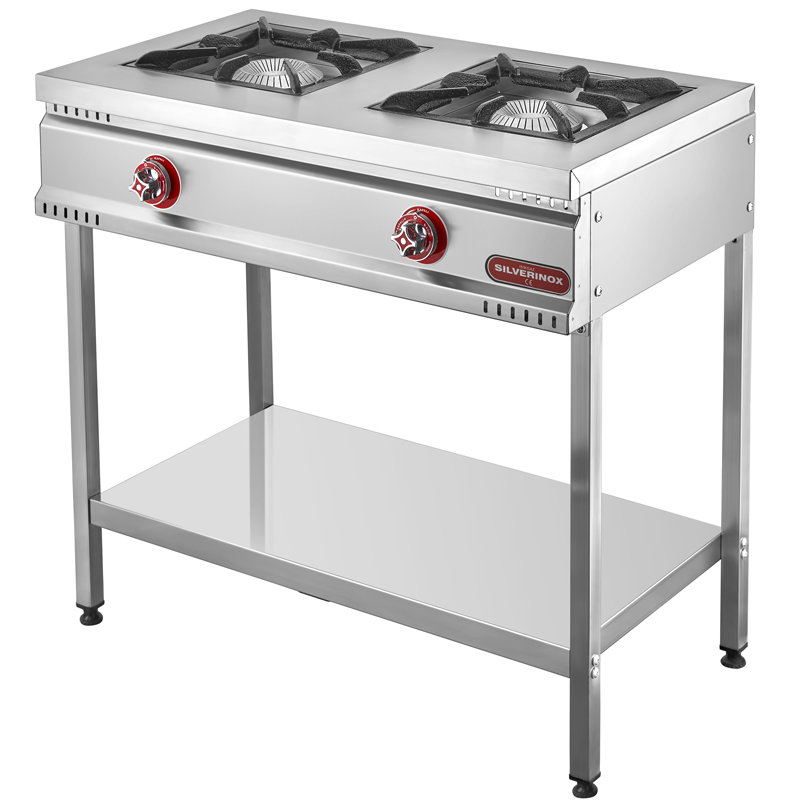
According to the physical structure and ergonomic needs of industrial kitchens, gas ranges are offered in two basic layouts: countertop and floor-standing (with base shelf). Countertop gas ranges, positioned on an existing counter, display a compact structure that allows efficient use of units such as under-counter cabinets or refrigerators in kitchens where space is limited. On the other hand, floor-standing gas ranges with their own carrier construction create an independent cooking station in the kitchen, while providing instant access to pots, pans, or other kitchen equipment thanks to the shelf area located at the bottom.
Commercial Gas Range Prices
Commercial gas range prices are shaped by many variables, from the capacity your kitchen needs to material quality, from the number of burners to safety equipment. While entry-level single-burner and compact countertop models appeal to more economical budgets, 4-burner or 6-burner professional ranges with high heat power are priced in the upper segment due to their wide cooking surfaces.
What Should I Consider When Buying a Gas Range?
Choosing the right professional gas range plays a vital role in the power of your kitchen operation and your cooking speed. Before purchasing, you should carefully evaluate the burner structure, the thermal efficiency it offers during peak service hours, and the number of rings compatible with different pot diameters. Additionally, the gas inlet type of the device (natural gas or LPG) and pressure requirements must fully comply with your business's existing gas installation and ventilation capacity.
Another critical point is the safety equipment and long-term operating cost of the equipment. The gas cut-off safety systems (thermocouple), the cleanability of the burners, and the weight resistance of the cast iron grates should be examined in detail. Remember, the highest calorie value is not always the most efficient choice; the best range is the model that offers the most balanced solution for your kitchen's daily production volume, menu content, and budget. For a more detailed and comprehensive guide, you can check our range buying guide.
Commercial Gas Range Brands
In the production of commercial gas ranges, brands such as Atalay, Öztiryakiler, Empero, Silverinox, and Remta are among the industry leaders with their high-durability solutions adapted to the heavy working conditions of professional kitchens. These local manufacturers offer maximum efficiency thanks to durable burner systems, while promising long-lasting use with their AISI 304 quality stainless steel body structures. These brands, which keep safety standards at the highest level, guarantee kitchen safety by making equipment such as the safety valve, which automatically cuts off the gas flow if the flame goes out, standard in all their models.
Related Blog Posts
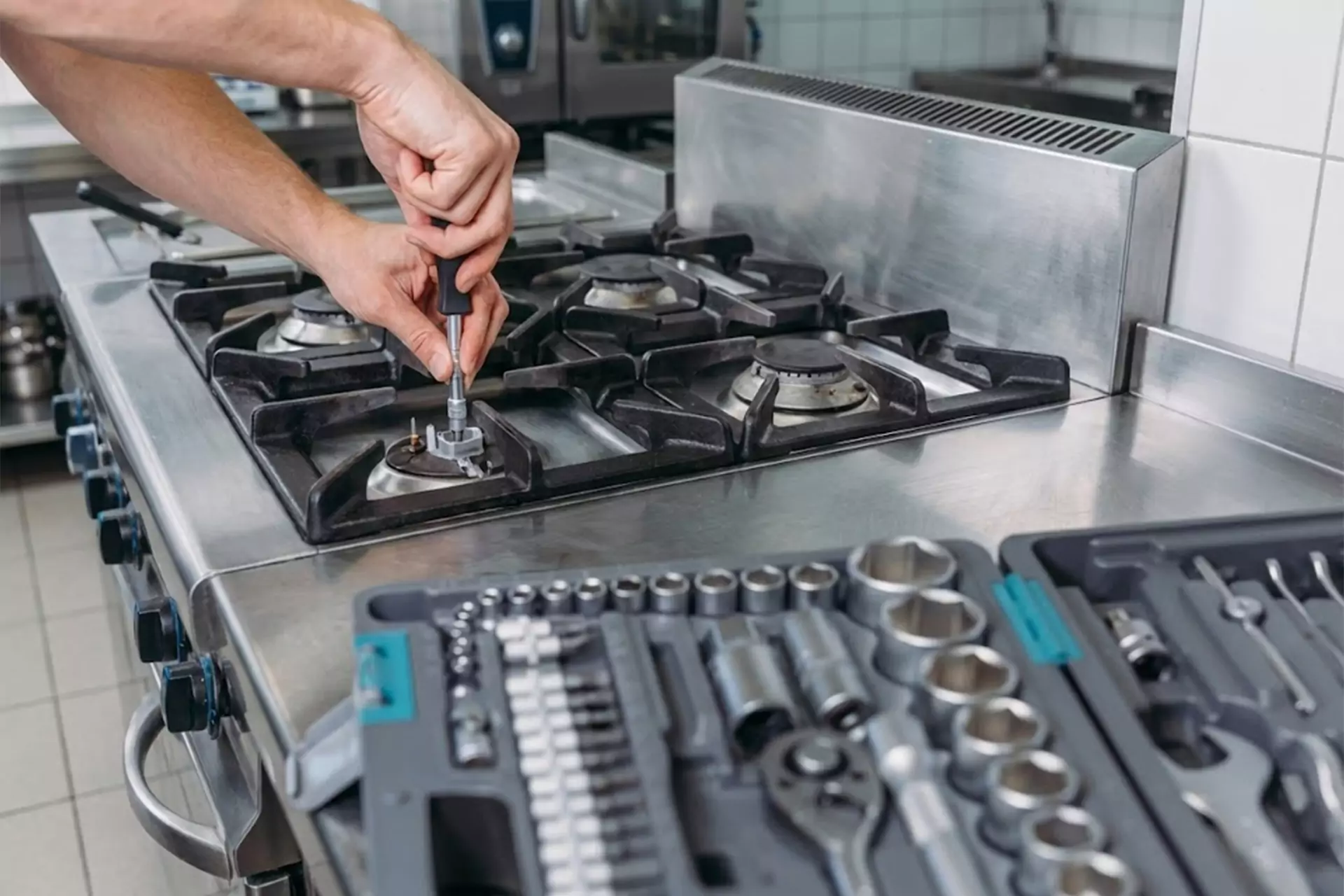
Industrial Range Faults: Problems and Solutions
What is an Induction Cooktop?
What is a Hot Plate? What are its Advantages?
Frequently Asked Questions About Gas Ranges
Question: Does a gas range or an electric range cook faster?
Answer: Gas ranges provide instant heat increase thanks to the direct contact of the flame with the pot base. Since there is no waiting time for heating and the heat level can be changed instantly, gas ranges are one step ahead in terms of speed in professional kitchens.
Question: What does the safety valve (gas cut-off safety) do?
Answer: The safety valve is the most critical safety equipment in professional kitchens. If the flame goes out for any reason (wind, overflow, etc.), it automatically cuts off the gas flow within seconds to prevent gas accumulation in the environment.
Question: Do commercial gas ranges work with household natural gas?
Answer: Yes, but the factory settings (injectors) must be suitable for this. Most industrial models are compatible with both Natural Gas (NG) and LPG; only a small injector change and adjustment at the installation stage is sufficient.
Question: How should burner cleaning be done?
Answer: Open burner pores are essential for complete combustion and a blue flame. Clogged pores should be opened with a thin wire, and greased parts should be periodically cleaned with professional degreasers and dried completely.
Question: Is an orange flame a problem?
Answer: Yes. A blue flame represents complete combustion and efficiency. If the flame is burning orange or yellow, it means insufficient air intake or a dirty burner; this both increases gas consumption and blackens the bottom of the pots.
Question: Should I choose a countertop or floor-standing (with base shelf) model?
Answer: If you have an existing stainless steel counter in your kitchen, countertop models provide space savings. However, if you want to create an independent cooking area in the kitchen and use the bottom part for storage (pots, pans, etc.), floor-standing models are more ergonomic.
Question: What is the pilot flame system in industrial ranges?
Answer: The pilot flame is a small, continuous flame system used to ignite the main burner. This allows the chef to ignite the range instantly without using a lighter or match every time, providing great convenience during peak service hours.
Question: Do gas ranges ignite with an external lighter or do they have their own igniter?
Answer: While the vast majority have their own igniters, they can also be lit with an external lighter. However, it is not recommended in terms of occupational safety.