 Track Order


Pizza Ovens
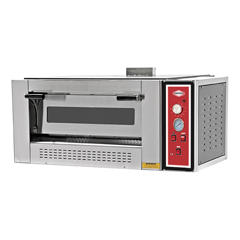
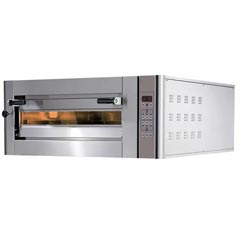
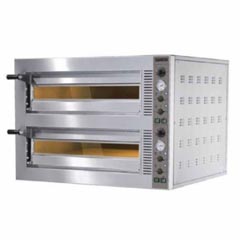
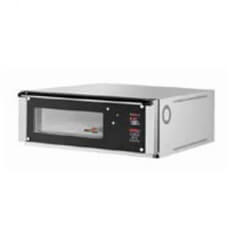
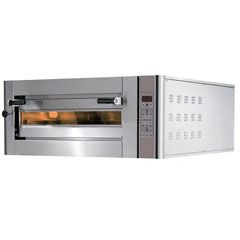
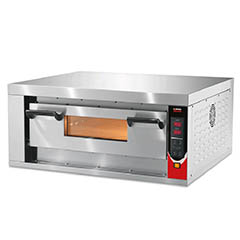
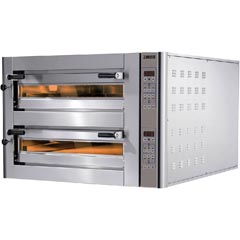
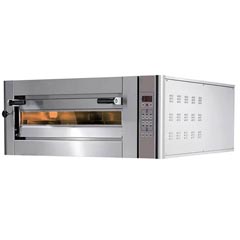
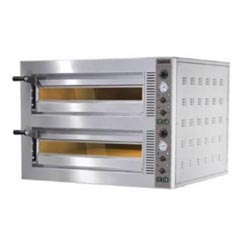
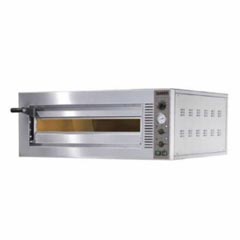
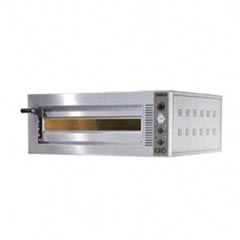
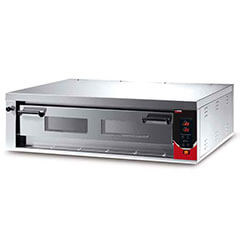
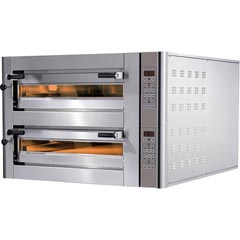
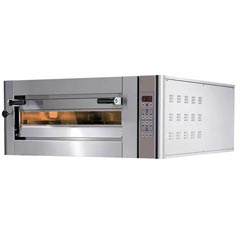
What Is a Pizza Oven and What Does It Do?
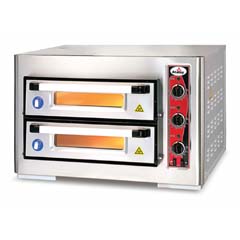
Pizza ovens are professional kitchen appliances that cook dough and its toppings rapidly at very high temperatures. Unlike conventional appliances, their specialised insulation retains heat perfectly inside, allowing the dough to achieve the expected crispness. Businesses can easily choose among electric, gas, or wood-fired models with different operating principles according to their kitchen infrastructure and daily production capacity. In addition to bringing considerable speed to kitchen operations during busy service periods, a pizza oven is one of the most essential pieces of equipment for restaurants that want to serve every customer the same standard of flavour with each order.
What Are the Advantages of Using a Pizza Oven?
The greatest advantages of pizza ovens are their even heat distribution and shorter cooking times. A pizza from a conventional oven will often have burnt edges while remaining undercooked in the centre; pizza ovens prevent this imbalance. Because commercial models exceed 400 degrees, a pizza is ready to serve in just a few minutes and orders do not accumulate in the kitchen during busy periods. In stone-deck ovens, the underside of the dough cooks directly on the stone, producing a crisp base. Metal-deck models create softer dough and heat up more quickly. Because the dough does not remain in the oven for long, it does not dry out or lose flavour. Capacity options range from two-pizza models to systems capable of producing 135 pizzas per hour. Precise temperature control also allows you to bake lahmacun and pide in the same oven. Energy-efficient models reduce operating costs over the long term.
What Types of Pizza Ovens Are Available?
The equipment most commonly preferred in professional kitchen operations falls into three main groups: electric pizza ovens, gas pizza ovens, and conveyor pizza ovens. Selected according to the premises' existing energy infrastructure, electric and gas appliances distribute heat evenly across every part of the deck, helping the dough achieve the expected ideal crispness. In fast-paced businesses with very high delivery volumes or peak order traffic, conveyor systems automatically move products along a belt mechanism and substantially reduce the kitchen team's operational workload.
Electric Pizza Ovens
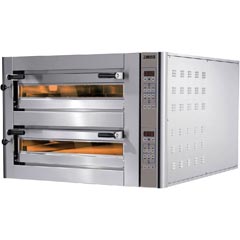
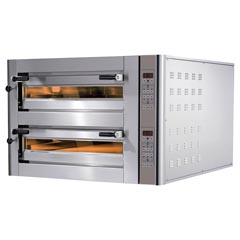
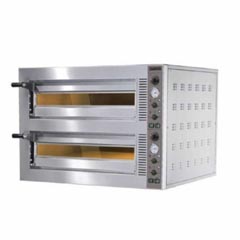
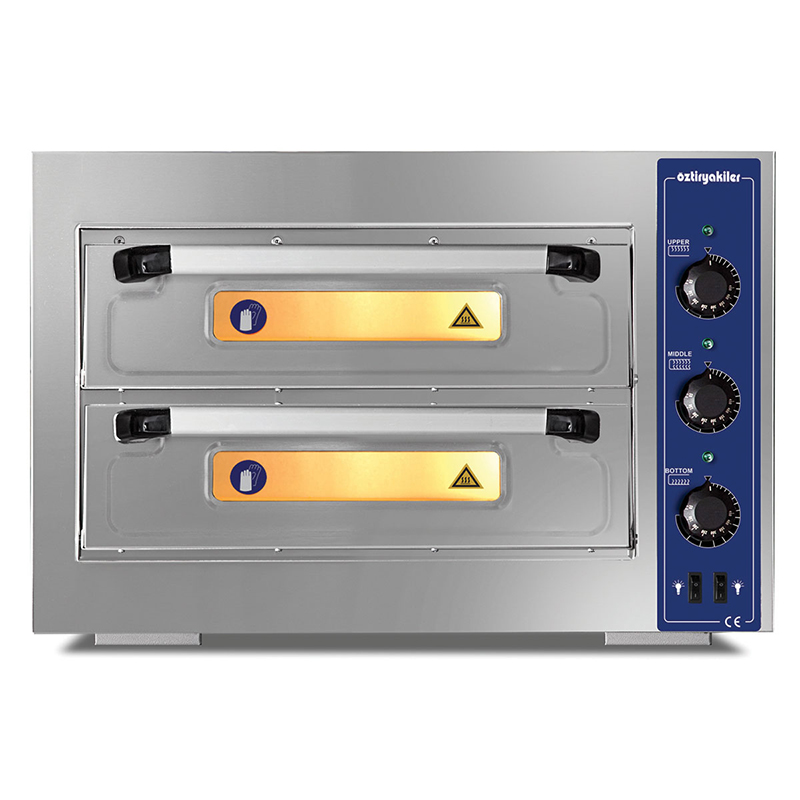
Electric pizza ovens are professional appliances that draw their power from electricity and create exceptionally balanced heat circulation in kitchens through advanced heating-element systems. In businesses without alternative infrastructure such as gas or wood, their easy installation provides chefs with a highly practical operating environment. The ability to adjust the upper and lower deck temperatures independently and precisely makes it easier for the chef to bake the dough to the desired level of crispness. Frequently manufactured in multi-deck configurations, these functional designs also save space even in compact premises and bring considerable speed to your restaurant during heavy order flows.
Gas Pizza Ovens
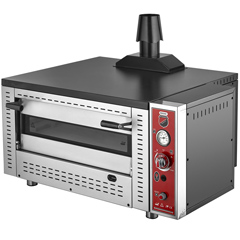
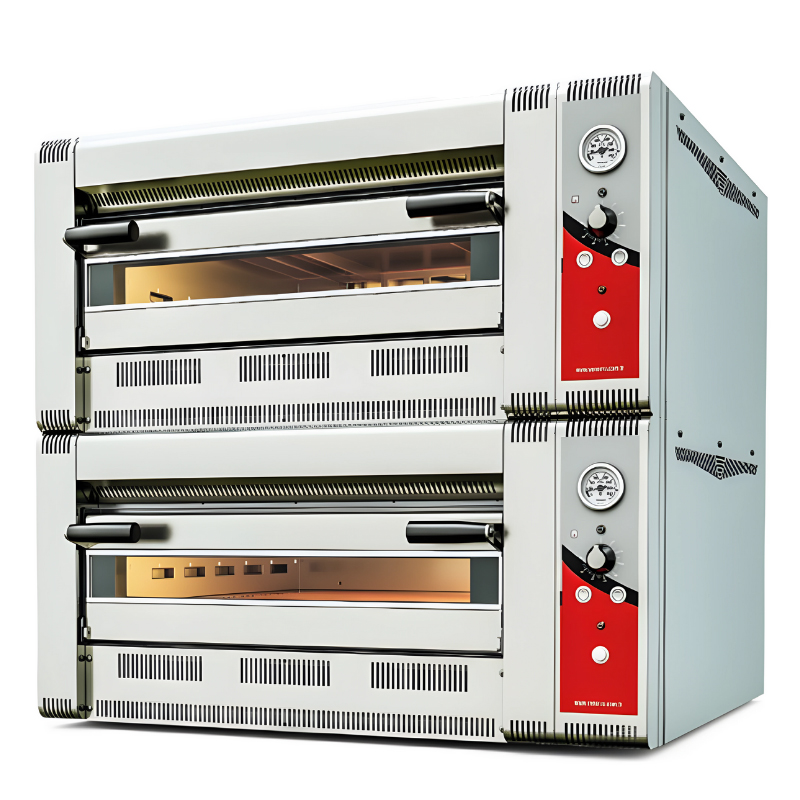
The first decision when choosing a pizza oven is usually the energy source. If your business has a natural-gas line, gas models offer a clear advantage in monthly operating costs. Because these ovens are engineered for fuel efficiency, they operate with minimal consumption. There is a broad range of capacities, from compact four-pizza models to conveyor systems capable of producing 135 pizzas per hour. You can compare gas pizza ovens from brands such as Öztiryakiler, Silver, and Şengün in a single category. In stone-deck models, the underside of the dough cooks directly on the stone, so the pizza does not dry out and the base remains crisp. You can also bake lahmacun, pide, and other thin-dough products in the same oven. Their internal insulation withstands high temperatures, ensuring years of reliable operation and easy cleaning. You can review gas pizza-oven models, technical specifications, and current prices on Mutbex.com.
Conveyor Pizza Ovens
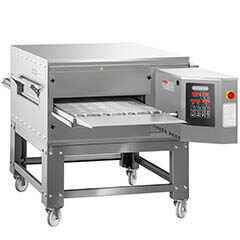
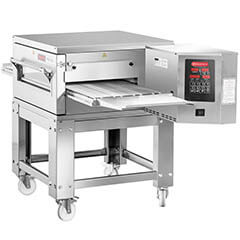
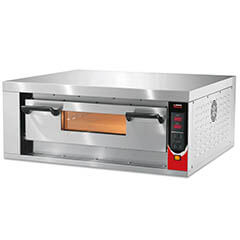
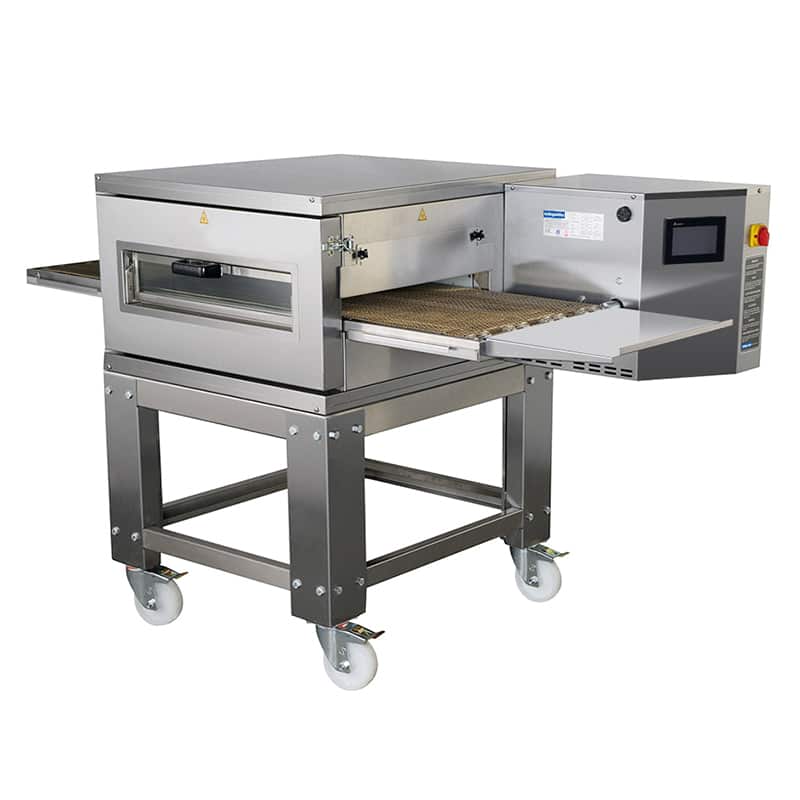
Conveyor pizza ovens are belt-system models designed for businesses with intensive service. A pizza enters at one end of the belt, travels at the set speed, and comes out cooked at the other end. Because staff do not need to stand by the oven and turn the product, the kitchen benefits from considerable labour savings. Every product is cooked for the same time and at the same temperature, so standards are maintained even across shift changes. Options range from 20-pizza models to high-capacity systems capable of producing up to 500 pizzas per hour. Öztiryakiler and Şengün conveyor pizza ovens are available in electric and natural-gas versions, allowing you to choose according to the existing supply in your business. Thin-dough products such as lahmacun and pide can also be cooked without drying out. On double-deck models, each deck's temperature can be adjusted independently, allowing different products to be prepared simultaneously. You can review conveyor pizza-oven models and current prices on Mutbex.com.
Pizza Oven Comparison Table
| Features | Öztiryakiler Electric Pizza Oven | Venarro Dreay Gas Pizza Oven | Öztiryakiler G1502 Gas Conveyor Pizza Oven |
|---|---|---|---|
| Number of Decks | 2 | 2 | 1 |
| Pizza Capacity (Units) | 8 | 8 | 20 |
| Height (cm) | 51 | 90 | 48 |
| Depth (cm) | 75 | 100 | 155.8 |
| Width (cm) | 76 | 110 | 91.5 |
| Weight | 65 | 205 | 134 |
| Supply Voltage | Three-Phase | - | Single-Phase |
| Operating Type | Electric | Gas | Gas |
Pizza Oven Selection Guide by Business Type
A café and a chain pizzeria do not have the same oven requirements. The first question that simplifies the choice is how many pizzas you produce each day. In a boutique pizzeria, a single-deck model with capacity for 2–4 pizzas can comfortably handle a full day without taking up too much kitchen space. As order numbers increase, double-deck models become necessary. Because their deck temperatures are controlled independently, you can bake pizza and lahmacun at the same time. Restaurants focused on delivery service tend to choose conveyor systems. Capable of producing up to 500 pizzas per hour, these ovens do not require staff to remain beside them. Menu variety is as important as capacity in hotel kitchens and catering companies, and models with precise temperature control can handle different products. If your kitchen has a natural-gas line, gas models reduce monthly expenses; otherwise, electric models offer easier installation. Businesses seeking crisp dough should choose stone-deck ovens, while those wanting a softer texture should consider metal-deck models. You can compare Öztiryakiler, Silver, and Şengün models on Mutbex.com.
| CATEGORY | HOME | CAFÉ | RESTAURANT | PIZZERIA | PIDE / LAHMACUN |
|---|---|---|---|---|---|
| Electric Pizza Ovens | Mini and countertop electric ovens; compact models holding 1–2 pizzas | Single-deck electric ovens; compact models holding 2–4 pizzas | Single- or double-deck electric ovens; models holding 4–8 pizzas | Double-deck electric ovens; models holding 8–18 pizzas with independent upper and lower heat controls | Large-chamber electric ovens; single- or double-deck stone-base pizza, pide, and lahmacun oven models |
| Gas Pizza Ovens | Compact gas models for spaces with suitable natural-gas or LPG installations and ventilation | Compact gas ovens holding 4–5 pizzas; stone-deck models | Single- or double-deck gas ovens; stone-deck models holding 5–9 pizzas | Double-deck gas ovens holding 8–12 pizzas with independent thermostats | Gas pizza and pide ovens with large baking stones; natural-gas or LPG-compatible models |
| Conveyor Pizza Ovens | Not suitable for domestic use; requires high capacity and a large installation area | Compact, single-deck conveyor models for cafés with intensive delivery service | Electric or gas belt ovens for restaurants with heavy order volumes | Single- or double-deck conveyor models holding 20 pizzas and offering high hourly output | Electric conveyor pide and lahmacun ovens; systems producing 160–500 products per hour depending on the model |
How to Choose a Pizza Oven for Home Use
Domestic models are designed to bake a single pizza, so there is no need for a commercial appliance. Countertop electric ovens with capacity for 1–2 pizzas meet the needs of most homes. Appliances of this size occupy about as much space as a microwave. Because they fit on a cupboard shelf, they do not need to remain on the counter permanently. Simply plug the appliance into a socket; no other preparation is required. Compact gas models are also used in homes with natural-gas or LPG installations. If a crisp base is important to you, choose a stone-deck model; metal-deck models leave the dough softer. Conveyor ovens do not belong on this list because their dimensions and capacities are designed for commercial kitchens. Cleaning is also quick when the deck can be removed.
How to Choose a Pizza Oven for Cafés and Small Restaurants
Pizza is often a supplementary menu item in cafés, so high capacity is not usually required. Single-deck electric models holding 2–4 pizzas are sufficient for cafés. The situation changes in small restaurants, where production continues throughout evening service and a single- or double-deck appliance holding 4–8 pizzas is needed. If you do not have a natural-gas line, stay with electric models; you will not need to call a gas installer. If you do have a line, compact gas ovens holding 4–5 pizzas reduce monthly bills. Some of these ovens weigh more than 200 kilograms, so check whether your counter can support them. If a crisp base is a key feature of your menu, choose a stone-deck model. Café kitchens are generally compact, so measure the appliance's depth and width before ordering. Businesses with intensive delivery service can also consider compact, single-deck conveyor models.
How to Choose a Commercial Pizza Oven for Pizzerias
In pizzerias, the oven is the main production appliance, so capacity and continuity take priority. Double-deck electric models with capacity for 8–18 pizzas are the standard choice for medium-sized businesses. Because each deck's temperature is controlled independently, you can produce pizza and lahmacun at the same time. Businesses with a natural-gas line generally choose double-deck gas models holding 8–12 pizzas, where an independent thermostat provides the same flexibility. Pizzerias focused on delivery service tend to choose conveyor systems. On 20-pizza belt models, staff do not need to remain by the oven and every product cooks for the same length of time. Stone-deck models are more suitable for businesses that highlight crisp dough on their menus. The appliance's ability to exceed 400 degrees becomes decisive during busy service periods. Because electric models may require a three-phase supply, check your kitchen's electrical installation before ordering.
Pizza Oven Prices
There can be a several-fold price difference between two ovens displayed side by side. Capacity is the reason: a countertop appliance holding two pizzas and a system producing 135 pizzas per hour are built for different requirements. The oven's energy source is the second factor that determines its price. Conveyor systems cost more because they incorporate a belt mechanism. Stone-deck ovens are generally slightly more expensive than metal-deck models. With brands such as Öztiryakiler and Şengün, the price is reflected in material quality and warranty coverage. Current model prices and instalment options are available on the product pages.
Pizza Oven Brands
Choosing a brand generally means finding a balance between budget and service support. Among domestic manufacturers, brands such as Öztiryakiler, Empero, Remta, Şengün, Silverinox, Atalay, and Vosco stand out. Their advantage is an extensive technical-service network and rapid access to spare parts. This often determines the difference between one day and one week of service interruption after a fault. Italian manufacturers Morello Forni and Sirman are preferred for stone ovens and professional baking. European brands such as Zanussi and Ariete are also included in the catalogue. Venarro, Best For, and GMG are among the options frequently considered by businesses seeking value for money. When deciding, pay more attention to the model's warranty coverage and whether the service network operates in your city than to the brand name itself.
Pizza Oven Reviews
Most business owners make their final decision after reading reviews. When evaluating them, it is more useful to consider comments from businesses with order volumes similar to your own. The topics mentioned most often are warm-up time, whether the temperature remains stable throughout service, and the baking result produced by the deck. Ease of cleaning and after-sales service support are also frequently discussed. Reviews of brands such as Öztiryakiler and Şengün generally focus on durability and warranty coverage. When reading capacity reviews, note how many pizzas the oven holds; the user experience of a two-pizza model is not the same as that of a system producing 135 pizzas per hour. You can read user reviews on the product pages and share your own experience.
What Should You Consider When Buying a Pizza Oven?
Capacity comes first. If the oven cannot handle your daily number of orders, its other features become irrelevant. The range extends from two-pizza models to systems producing 135 pizzas per hour. Buying an oven larger than necessary is also a wasted upfront expense. The next consideration is the oven's energy source. If your kitchen has a natural-gas line, gas models reduce monthly expenses; otherwise, you will need to continue with electric models. The deck material also changes the baking result, so businesses seeking crisp dough should consider stone-deck ovens. Ask for the appliance's maximum temperature; ovens capable of reaching 400 degrees or more are better suited to commercial kitchens. Precise temperature control allows lahmacun and pide to be baked in the same oven. An easy-to-clean body noticeably shortens the staff's work after service. Also learn the warranty period and how technical support operates, as these two factors are most valuable when a fault occurs.
| Model | Suitable For | Advantages |
| Electric Pizza Oven | Cafés, bars, restaurants, and pizzerias without a natural-gas line and with low or medium order volumes. | Easy installation, rapid heating, precise temperature control, and single- or multi-deck model options for different capacities. |
| Gas Pizza Oven | Restaurants and pizzerias with natural-gas or LPG infrastructure and medium or high order volumes. | High temperatures, rapid cooking, low operating costs, and the ability to produce crisp dough in stone-deck models. |
| Conveyor Pizza Oven | Busy delivery-focused pizzerias, chain businesses, hotels, and catering companies. | Consistent and even cooking, uninterrupted high-capacity production, and a reduced need for staff to remain beside the oven. |
Öztiryakiler Pizza Oven Models
Öztiryakiler has been a recognised brand in commercial kitchen equipment for many years and also offers a broad range of pizza ovens. Model 8890.P5050.02 stands out among the electric options; its double-deck construction provides capacity for eight pizzas and operates on a three-phase power supply. With a width of 76 cm and a height of 51 cm, it can also fit into compact kitchens. In the conveyor range, the G1502 model is a popular choice. This single-deck gas oven has capacity for 20 pizzas and requires only a single-phase electrical supply. Because it is 155.8 cm deep, it is advisable to measure your kitchen space before ordering. The brand stands out through its material quality and extensive technical-service network. You can review the technical specifications and current prices of Öztiryakiler pizza-oven models on Mutbex.com.
Frequently Asked Questions (FAQ)
What Is the Difference Between a Pizza Oven and a Lahmacun Oven?
The fundamental differences are the baking temperature and chamber height. Because lahmacun uses thinner dough and fewer toppings, it is cooked very quickly at a high temperature. Pizza remains in the oven slightly longer because its toppings must also cook. Pizza ovens therefore generally have taller baking chambers. Lahmacun ovens have lower chambers that bring the heat closer to the product. In practice, the boundary between the two groups is not very sharp, and many models on the market are sold as combined pizza-lahmacun ovens. An appliance with precise temperature control can produce pizza, lahmacun, and pide on the same day. If your menu includes both, choose a stone-deck model with a broad temperature-adjustment range.
Should You Choose an Electric or a Gas Pizza Oven?
If you have a natural-gas line, a gas model is the right choice; otherwise, choose an electric model. The main factor behind this decision is your kitchen's existing infrastructure. Electric ovens are easy to install because they do not require a separate gas line, and their entry prices are more affordable. Independent upper and lower deck temperature controls give you full command of the dough's texture. With gas models, the initial price difference is recovered through lower bills within a few years. They offer an advantage during busy service periods because they reach high temperatures quickly and maintain them. As their weight can reach 200 kilograms, it is advisable to check the counter's load-bearing capacity. If your daily order volume is low, an electric oven is more sensible; if it is high and you have a gas line, choose a gas model.
Who Is a Commercial Pizza Oven Suitable For?
A commercial pizza oven is suitable for every business that produces pizza regularly each day. Pizzerias, cafés, restaurants, and fast-food chains are at the forefront of this group. Hotel kitchens, catering companies, and food courts in shopping centres also use commercial models. High-capacity ovens are preferred in mass-production facilities such as schools, hospitals, and cafeterias. Domestic appliances are designed for a single pizza and cannot withstand this pace. Commercial models cook several products at once and are manufactured to operate continuously throughout the day. Businesses whose menus also include lahmacun and pide can use the same oven for both purposes. If your daily order count regularly exceeds several dozen, it is time to move to a commercial oven.
What Does a Conveyor Pizza Oven Do?
Conveyor pizza ovens cook products while moving them along a belt. The dough is placed at the belt entrance and is ready to serve when it reaches the exit. The chef does not need to stand in front of the oven and turn the product. Because the cooking time depends on the belt speed, a pizza produced in the morning will be identical to one produced in the evening. Product quality is not affected when staff change. Kitchen bottlenecks are avoided during peaks in order traffic. Capacities range from 20-pizza models to systems producing 500 pizzas per hour. Thin-dough products such as lahmacun and pide can be cooked without drying out. On double-deck models, the temperature of each deck is controlled independently, allowing different products to be prepared at the same time.
What Advantages Does a Stone-Deck Pizza Oven Offer?
The main benefit of a stone deck is that it cooks the underside of the dough directly and produces a crisp base. Once heated, fireclay stone retains its heat for a long time. When the door is opened and closed, the temperature falls, but the stone releases its stored heat and helps the oven recover. If you produce ten pizzas consecutively during a busy period, the tenth will be the same as the first. Because the dough does not remain in the oven too long, it does not dry out. You achieve the same result with lahmacun and pide. Metal-deck ovens heat up more quickly but leave the dough softer. Businesses that emphasise crisp dough on their menus therefore choose a stone deck.
What Pizza Capacity Should I Choose for My Business?
In a business selling 40 pizzas a day, half of the orders may arrive during the evening. The decisive factor is not the day's total, but how many pizzas must enter the oven within those few hours. If there are long intervals between orders, a model holding 2–4 pizzas may be sufficient. If production continues without interruption throughout evening service, an oven holding 6–8 pizzas or a double-deck model is required. The fact that product capacity may vary according to pizza diameter must also be included in the calculation.
Does an Electric Pizza Oven Require a Single-Phase or Three-Phase Connection?
Not every electric pizza oven can be connected to the same socket. Some small countertop appliances operate at 220 V, while higher-powered models increasingly require a 380 V three-phase supply. Before ordering, the oven's voltage and kW specifications must therefore be compared with the kitchen's electrical installation. If the cable or circuit breaker is inadequate, an electrician must upgrade the installation before the appliance is put into operation.
At What Temperature Should a Pizza Oven Be Operated?
For most businesses, the ideal range is 300–400 degrees. The exact temperature depends on the thickness of the dough and the toppings. For thin-crust Neapolitan-style pizzas, the temperature rises to 400 degrees and cooking time falls to 90 seconds. For thick dough and heavily topped recipes, 300–350 degrees is more appropriate; otherwise, the top will burn while the dough remains undercooked. The ability of commercial models to reach 400 degrees and above is therefore a sought-after feature. Higher temperatures and shorter times are preferred for lahmacun and pide. Switch on the oven 15–20 minutes before service begins; the stone deck needs this time to retain the heat. On models where the upper and lower heat can be adjusted separately, setting the deck slightly higher increases crispness.
Does a Pizza-Oven Installation Require an Extraction Hood or Chimney?
The chimney should not be considered only after the oven arrives in the kitchen. Because a gas model produces combustion gases, both a suitable chimney line and an extraction hood must be planned. The situation is slightly different for electric models. Although they do not produce combustion gases, an extraction hood may still be needed for heat, steam, and odours. Sharing the product's connection requirements with the ventilation specialist in advance prevents additional work during installation.
How Should a Pizza Oven's Fireclay Stone Be Cleaned?
The fireclay stone should be cleaned only after the oven has cooled completely. Flour and burnt pieces of dough remaining on the surface can be removed with a dry brush or a suitable scraper. Because the stone is porous, using detergent or washing the surface with excessive water is not recommended. Pouring water onto a hot stone can cause cracking through sudden temperature change.
What Is the Difference Between a Pizza-Lahmacun Oven and a Professional Pizza Oven?
The difference comes from the chamber height and operating temperature. Because lahmacun and pide use thin dough, they cook very quickly at high heat; these ovens therefore have lower chambers that bring the heat closer to the product. With pizza, the cheese and other toppings must also cook, so the chamber is slightly taller and the product remains in the oven longer. Most models on the market are manufactured to handle both, which is why the expression pizza-lahmacun oven frequently appears in product names. If your menu includes both products, a stone-deck model with independently adjustable upper and lower heat will meet your needs. Businesses producing only lahmacun and pide achieve faster results with lower-chamber models.
Who Needs a Portable Pizza Oven?
A portable pizza oven is important for every business that needs to transport its oven. Catering companies, food-truck operators, and event organisers lead this group. At weddings, fairs, and outdoor events, products must be cooked on site, and portable models are manufactured for this purpose. Their weight and dimensions are kept small enough to fit in a vehicle's luggage compartment. Because most models operate with bottled gas, they can also be used in locations without a natural-gas line. Seasonal coastal and hotel businesses also choose these models because they are easy to store at the end of the season. When installed as a second unit beside a café's main oven, they share the workload during busy periods. Their capacity is limited compared with fixed systems, so calculate in advance how many products you need to produce per event.