 Sipariş Takip


Hesabım
Sepet
Çay Kazanları
Çay Kazanları Satın Alma Rehberi
İhtiyacınız Olan Ürünü Öğrenin!
Hemen İncele!
Filtre
Canlı Destek
Desteğe Hazırız!
Kategoriler
Seçilen Filtreler
{{ SELECTED.TEXT }} ×
{{ FILTERS.VARIANTS.TYPE1_NAME }}
{{ FILTERS.VARIANTS.TYPE2_NAME }}
Marka
Model
{{ FILTER.NAME }}
Fiyat

283 Toplam Ürün
283 Toplam Ürün
Sıralama
Aynı Gün Ücretsiz Kargo
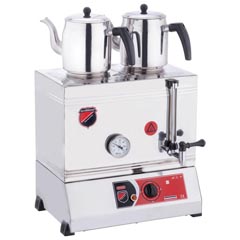
131.2121
%0
9.356
TL
9.356 TL
Ücretsiz Kargo
Avantajlı Ürün
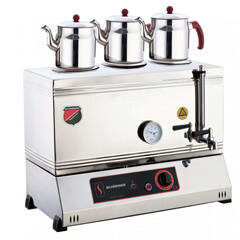
131.2122
%0
10.478
TL
10.478 TL
Aynı Gün Ücretsiz Kargo
Avantajlı Ürün
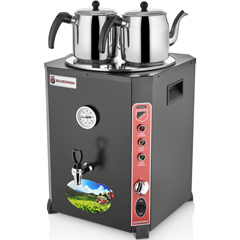
131.EL.01S
%13
11.601
TL
10.128 TL

Aynı Gün Ücretsiz Kargo
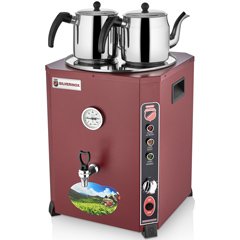
266.DE14.B
%1
5.560
TL
5.506 TL
Aynı Gün Ücretsiz Kargo
131.EL.01K
%0
11.601
TL
11.601 TL
Aynı Gün Ücretsiz Kargo
Avantajlı Ürün
131.2120
%13
7.297
TL
6.371 TL
Aynı Gün Ücretsiz Kargo
131.EL.02K
%13
13.360
TL
11.663 TL
Aynı Gün Ücretsiz Kargo
Avantajlı Ürün
130.TKSE02
%0
47.399
TL
47.399 TL
Aynı Gün Ücretsiz Kargo
Avantajlı Ürün
130.TKSE.03
%2
47.399
TL
46.669 TL

Aynı Gün Ücretsiz Kargo
266.EL11.S
%0
5.714
TL
5.714 TL

Aynı Gün Ücretsiz Kargo
266.DE12P.S
%1
10.811
TL
10.692 TL

Aynı Gün Ücretsiz Kargo
266.DE11P.B
%0
12.355
TL
12.355 TL
Ücretsiz Kargo
387.YNC2
%15
16.457
TL
13.989 TL

Ücretsiz Kargo
266.DE12.B
%0
9.157
TL
9.157 TL
Ücretsiz Kargo
266.DE11SP
%0
15.135
TL
15.135 TL
Ücretsiz Kargo
131.EL.02S
%0
13.360
TL
13.360 TL
Ücretsiz Kargo
130.EDE3
%0
47.399
TL
47.399 TL
Ücretsiz Kargo
130.EDE2
%0
47.399
TL
47.399 TL
Ücretsiz Kargo
131.2064.1D
%0
11.227
TL
11.227 TL
Ücretsiz Kargo
131.2081
%0
10.291
TL
10.291 TL
Ücretsiz Kargo
130.CSGE5
%0
116.975
TL
116.975 TL
Ücretsiz Kargo
131.EL.03S
%0
18.898
TL
18.898 TL
Ücretsiz Kargo
130.EDE3.6010
%0
50.008
TL
50.008 TL
Ücretsiz Kargo
387.IYNC3
%6
17.401
TL
16.377 TL
Aynı Gün Ücretsiz Kargo
131.2100
%0
15.904
TL
15.904 TL
Aynı Gün Ücretsiz Kargo
131.EL.03K
%13
18.898
TL
16.498 TL
Aynı Gün Ücretsiz Kargo
387.BPPO.S3
%6
51.179
TL
48.168 TL
Aynı Gün Ücretsiz Kargo
266.EP02
%0
6.773
TL
6.773 TL
Aynı Gün Ücretsiz Kargo
266.N13.E
%0
12.639
TL
12.639 TL
Aynı Gün Ücretsiz Kargo
266.EP04
%0
9.348
TL
9.348 TL
Çay Kazanı Nedir, Hangi İşletmeler İçin Kullanılır?
Endüstriyel mutfaklarda çayı büyük hacimlerde ve sabit sıcaklıkta demleyen ekipmana çay kazanı denir. Ev tipi çaydanlıklarla kıyaslandığında kapasitesi kat kat fazladır, bu yüzden kafe, restoran, otel, yemekhane, kantin ve kahvehane gibi çayın sürekli servis edildiği mekânlarda tercih edilir. Demlik sayısı işletmenin ihtiyacına göre değişir; ofis ya da küçük bir işletmeyseniz tek demlikli model çoğu zaman yeterli olur, ama kahvehane veya fabrika gibi yoğun tüketimin olduğu yerlerde 5-6 demlikli kazanlara geçmek gerekir. Gövde malzemesi de seçimi doğrudan etkiler. Paslanmaz çelik dayanıklılığıyla, bakır ise hızlı ısınmasıyla öne çıkar, statik boyalı modeller ise temizliği kolaylaştırır. Mutbex.com üzerinden Ateşe, Anka, Remta, Silverinox ve Öztiryakiler markalarının elektrikli, tüplü ve doğalgazlı çay kazanı seçeneklerine kapasite ve bütçenize göre ulaşabilirsiniz.
Çay Kazanı Kullanmanın Avantajları Nelerdir?
Çay kazanı kullanmanın en önemli avantajı, yoğun çay servisi gerektiren işletmelerde standart lezzeti koruyarak yüksek hacimde ve kesintisiz üretim sağlamasıdır. Ev tipi çaydanlıklara kıyasla çok daha kısa sürede onlarca, hatta yüzlerce bardak çay hazırlanabildiği için kafe, restoran, otel, yemekhane ve kahvehane gibi mekanlarda servis akışı aksamadan devam eder. Elektrikli, tüplü ve doğalgazlı seçenekleriyle işletmenin altyapısına uygun bir model tercih edilebildiğinden enerji verimliliği de kullanıcının lehine işler; paslanmaz çelik gövde ise uzun ömürlü, kolay temizlenen ve hijyenik bir kullanım sunar. Demlik sayısının ihtiyaca göre artırılabilmesi, hem küçük ölçekli işletmeler hem de yoğun tüketim yapılan mekanlar için ölçeklenebilir bir çözüm oluşturur ve Mutbex'te doğru kapasiteyi seçerek yapılan bu yatırım, işletmeye uzun vadede zaman ve maliyet avantajı olarak geri döner.
Çay Kazanı Çeşitleri Nelerdir?
Çay kazanı denince tek bir ürün akla gelmemeli aslında, piyasada birbirinden epey farklı modeller var. Demlik sayısı en net ayrım noktası burada. Bir ofis ya da küçük büfe için tek demlikli bir kazan yetiyor genelde, Silverinox'un 15'lik tek demlikli modeli buna güzel bir örnek. Kahvehane gibi yoğun bir yerde ise beş, hatta altı demlikli kazanlara ihtiyaç duyuluyor, Ateşe'nin Cappadocia Smart 5 demlikli serisi bu ölçekte devreye giriyor. Malzeme tarafında paslanmaz çelik en çok tercih edilen seçenek, dayanıklı olması ve kolay temizlenmesi bunun sebebi. Anka'nın bakır işlemeli kazanları ise farklı bir kategori, daha çok geleneksel çay ocağı görünümü isteyen işletmeler bu tarafa yöneliyor. Enerji türüne bakıldığında elektrikli modeller kurulum kolaylığıyla öne çıkıyor, doğalgazlı kazanlar ise yoğun kullanımda yakıt tasarrufu sağlıyor. Remta'nın N13(E) serisi hem elektrikli hem doğalgazlı çalışabiliyor, bu da esneklik arayan işletmeler için avantaj. Şamandıralı ve dijital kontrollü modeller de son yıllarda öne çıkıyor, Ateşe'nin Titanium Keyfchi serisi gibi kazanlar su seviyesini otomatik takip edip kireç birikimini azaltıyor. Mutbex'te bu çeşitlerin büyük kısmına tek sayfadan ulaşıp işletmenize uygun modeli karşılaştırabilirsiniz.
Çay Kazanı Çeşitleri: Elektrikli, Tüplü ve Doğalgazlı Modeller
Aslında burada iki ana tip var, elektrikli ve gazlı; "tüplü" ile "doğalgazlı" dediklerimiz de gazlının içinde, sadece yakıtı farklı yerden alıyorlar. Elektrikli kazan dediğinizde akla kolaylık geliyor, fişi takarsınız, tesisatla uğraşmazsınız, bu yüzden küçük bir kafede ya da ofis mutfağında genelde tercih edilen model bu oluyor. Gaz tarafına geçtiğinizde ısıtma işi aynı şekilde ilerliyor aslında, değişen sadece gazın nereden geldiği: tüp kullanan kazanlar doğalgaz hattı çekilmemiş yerlerde ya da elektriğin güvenilmez olduğu mekanlarda işe yarıyor, doğalgaza bağlı olanlar ise günün büyük kısmı kazan çalışan otel mutfağı, kalabalık restoran gibi yerlerde zamanla ciddi yakıt tasarrufu sağlıyor. Hangisini seçeceğinize karar verirken önce elektrik mi gaz mı sorusunu, sonra da gazsa mutfağınızda doğalgaz hattı olup olmadığını düşünmeniz yeterli. Mutbex.com'da Ateşe, Silverinox, Remta ve Anka markalarının farklı demlik sayısı ve litre kapasitelerindeki elektrikli, tüplü ve doğalgazlı çay kazanlarına bakarak işletmenize uygun olanı seçebilirsiniz.
Sanayi Tipi ve Endüstriyel Çay Kazanı Farkı
Aslında bu iki isim arasında teknik bir fark yok, "sanayi tipi" ile "endüstriyel" çay kazanı aynı ürün grubunu tanımlamak için kullanılan iki farklı ifade. Sektörde bazı satıcılar ve müşteriler "sanayi tipi" derken, bazıları aynı ürünler için "endüstriyel" tabirini tercih ediyor; ikisi de yüksek kapasiteli, çok demlikli, restoran, otel, kahvehane ve fabrika gibi yoğun tüketim alanlarına yönelik üretilmiş kazanları kapsıyor. Karıştırılmaması gereken asıl ayrım bu iki terim arasında değil, çay kazanı ile çay semaveri arasında: çay kazanları yüksek hacimli ve sürekli servis için tasarlanırken, semaverler daha küçük kapasiteli olup ev veya bahçe kullanımına daha uygun. Dolayısıyla ürün ararken "sanayi tipi çay kazanı" ya da "endüstriyel çay kazanı" yazmanız fark etmez, ikisi de sizi aynı kategoriye, yani işletmelere özel yüksek kapasiteli modellere yönlendirir. Mutbex.com'da Ateşe, Silverinox, Remta, Anka ve Öztiryakiler gibi güvenilir markaların farklı demlik sayısı, kapasite ve enerji seçeneklerine sahip sanayi tipi ve endüstriyel çay kazanı modellerini inceleyerek işletmenize en uygun ürünü kolayca bulabilirsiniz.
Çay Kazanı, Çay Ocağı ve Çay Makinesi Arasındaki Farklar
Kısaca söylemek gerekirse çay kazanı ile çay ocağı aslında aynı ürünü tarif eden iki farklı isim, asıl fark çay kazanı ile çay makinesi arasında kapasite ve kullanım amacında ortaya çıkıyor. Piyasada "çay ocağı" tabiri çoğunlukla gazlı ya da elektrikli-gazlı hibrit modeller için kullanılıyor olsa da, üretici markalar aynı ürünü hem "çay kazanı" hem "çay ocağı" adıyla satışa sunuyor; yani bu ikisi arasında teknik bir ayrım aramanıza gerek yok. Çay makinesi ise genelde daha kompakt bir yapıya sahip, tek ya da iki demlikli, ev, ofis ya da küçük işletme kullanımına yönelik tasarlanmış bir üründür ve hazne kapasitesi çoğunlukla 5-15 litre bandında kalır. Çay kazanları ise kahvehane, restoran, otel ve fabrika gibi gün boyu kesintisiz servis gerektiren yerler için üretilmiştir, 3-6 demlikli modelleri ve 20-80 litre arasında değişen yüksek hazneleriyle çok daha yoğun kullanıma dayanacak şekilde inşa edilir. Mutbex.com'da Ateşe, Silverinox, Remta ve Anka gibi markaların hem çay makinesi hem de çay kazanı/çay ocağı kategorisindeki elektrikli, tüplü ve doğalgazlı modellerini karşılaştırarak işletmenizin kapasite ihtiyacına en uygun ürünü kolayca seçebilirsiniz.
Litre Kapasitesine Göre Çay Kazanı Nasıl Seçilir?
Doğru kapasiteyi bulmanın en pratik yolu günlük çay tüketiminizi hesaplamaktan geçiyor, yani rastgele "büyük olsun" mantığıyla seçim yapmak genelde ya fazla enerji harcatır ya da servis sırasında yetersiz kalır. İşe önce çalışan ya da müşteri sayınızı, sonra kişi başı ortalama bardak tüketimini çarpmakla başlayabilirsiniz; bir bardak çay yaklaşık 120-150 ml olduğuna göre, 20 kişilik bir ofiste kişi başı günde 4 bardak varsayıldığında toplam ihtiyaç yaklaşık 10-12 litre civarına oturuyor. Piyasadaki çay kazanları genellikle 10 ile 80 litre arasında değişiyor ve kabaca 1 litre suyun 5-6 bardak çay ürettiğini bilmek, hangi litrenin size yeteceğini kafanızda daha net canlandırmanıza yardımcı oluyor. Küçük bir kafe ya da ofis için 10-20 litre bandındaki modeller genelde yeterli olurken, kahvehane, restoran ya da fabrika yemekhanesi gibi gün boyu kesintisiz servis gereken yerlerde 40 litre ve üzeri, çok demlikli modellere yönelmek daha isabetli bir tercih oluyor. Mutbex.com'da Ateşe, Silverinox, Remta ve Anka gibi markaların 10 litreden 85 litreye kadar farklı kapasite seçenekleri sunan elektrikli, tüplü ve doğalgazlı çay kazanı modellerini inceleyerek işletmenizin günlük tüketimine en uygun ürünü kolayca belirleyebilirsiniz.
En Çok Tercih Edilen Çay Kazanı Modelleri
Mutbex'te en çok satılan çay kazanlarına bakınca ilk göze çarpan şey, işletmelerin genelde iki demlikli modellerde karar kılması. Silverinox'un pleytsiz, kaynaklı üretim 2 demlikli 40'lık elektrikli kazanı bunun tipik bir örneği, hem fiyat hem kapasite açısından küçük ve orta ölçekli işletmelerin ihtiyacını rahatça karşılıyor. Bir kademe yukarıda, Ateşe'nin Titanium Keyfchi serisi akıllı dijital kontrol paneli sayesinde öne çıkıyor, şamandıralı otomatik dolum yapması kullanıcıya ekstra bir kolaylık sağlıyor. Remta tarafında ise DE12 Jumbo gibi çift cidarlı, 15 litre kapasiteli elektrikli modeller bütçe dostu olmalarıyla tercih ediliyor, özellikle yoğun olmayan ama düzenli çay servisi yapan kafe ve ofislerde sık görülüyor. Kahvehane ya da çay ocağı gibi yüksek sirkülasyonlu mekanlarda ise Anka'nın 3 demlikli, 25-35 litre aralığındaki modelleri devreye giriyor, bunlar hem paslanmaz çelik hem de bakır işlemeli seçenekleriyle geleneksel görünüm arayan işletmelere de hitap ediyor. Mutbex, bu modellerin tamamını Ateşe, Anka, Remta, Silverinox ve Öztiryakiler gibi güvenilir markalardan bir arada sunduğu için, işletmenizin kapasitesine göre en uygun kazanı kolayca kıyaslayıp seçebilirsiniz.
İşletme Tipine Göre Çay Kazanı Seçim Rehberi
Her işletmenin çay ihtiyacı aynı değil, dolayısıyla doğru kazanı seçmek önce kendi trafiğinizi tanımaktan geçiyor. Küçük bir ofis ya da butik kafe işletiyorsanız Silverinox'un 1 demlikli 15'lik elektrikli kazanı ya da Remta'nın EL11 Elite 2 demlikli 18 litre modeli yeterli oluyor çoğu zaman. Servis sayınız günde elli bardağı geçmiyorsa bu ölçek fazlasıyla idare eder. Orta yoğunlukta bir restoran veya kafede ise ihtiyaç biraz büyüyor. Anka'nın Yeni Nesil 2 demlikli 25 litrelik makinesi ya da Remta'nın DE12P Premium Jumbo 15 litre modeli burada iyi bir denge kuruyor, ne fazla büyük ne de yetersiz kalıyor. Kahvehane, çay ocağı ya da yemekhane gibi sürekli çay çıkan yerlerde durum tamamen farklı. Ateşe'nin Cappadocia Smart 5 demlikli serisi ya da Remta'nın N13(E) 55 model 3 demlikli 34 litrelik çay ocağı gibi kazanlar burada gerçek anlamda gerekiyor, aksi halde sıra beklemek kaçınılmaz oluyor. Otel mutfağı gibi hem yoğun hem kesintisiz çalışan yerlerde ise Ateşe'nin Titanium Keyfchi serisindeki gibi şamandıralı, filtreli dijital modeller tercih edilmeli, su takibini otomatik hale getirip personelin işini kolaylaştırıyor. Mutbex'te işletme büyüklüğünüze göre bu kategorilerin hepsine tek yerden ulaşabilirsiniz.
| İşletme Tipi | Günlük Çay Trafiği | Önerilen Demlik Sayısı | Kapasite Aralığı | Enerji Türü | Örnek Model |
|---|---|---|---|---|---|
| Ofis / Küçük Büfe | Düşük | 1 demlikli | 9-15 litre | Elektrikli | Silverinox 1 Demlikli 15'lik / Remta DE14 Mini Jumbo |
| Butik Kafe | Düşük-Orta | 2 demlikli | 13-18 litre | Elektrikli | Remta EL11 Elite 18 Litre / Silverinox Elit 2 Demlikli 13 Litre |
| Orta Ölçekli Restoran / Kafe | Orta | 2-3 demlikli | 25-30 litre | Elektrikli / Hibrit | Anka Yeni Nesil 2 Demlikli 25 Litre / Anka Pro Plus Smart 3 Demlikli 30 Litre |
| Kahvehane / Çay Ocağı | Yüksek | 3-4 demlikli | 30-43 litre | Elektrikli / Doğalgazlı | Remta EP04 4 Demlikli 43 Litre / Remta N13(E) 3 Demlikli 34 Litre |
| Yemekhane / Fabrika | Çok Yüksek | 5-6 demlikli | 40 litre ve üzeri | Doğalgazlı / Hibrit | Ateşe Cappadocia Smart 5 Demlikli |
| Otel Mutfağı | Yüksek, Kesintisiz | 3-5 demlikli | 25-40 litre | Elektrikli, Dijital Kontrollü | Ateşe Titanium Keyfchi Serisi (Şamandıralı, Filtreli) |
Kapasite ve demlik sayısı seçimi sadece işletme büyüklüğüne değil, saatlik yoğunluk piklerine göre de değişir. Örneğin küçük bir kahvehane bile öğle saatlerinde yoğunluk yaşıyorsa bir üst kapasiteye geçmek servis aksamasını önler.
Çay Kazanı Alırken Dikkat Edilmesi Gerekenler Nelerdir?
Önce şunu netleştirmek lazım, günde kaç bardak çay servis edileceğini. Bu hesap yanlış yapılırsa iki türlü sıkıntı çıkıyor ortaya: ya kazan yetmiyor ya da gereğinden büyük bir yatırım yapılmış oluyor, ikisi de kayıp aslında. Servis aksamasın diye çoğu zaman en az iki demlikli bir kazan tavsiye ediliyor. Silverinox'un 40'lık elektrikli kazanı buna güzel bir örnek, Remta'nın DE12 Jumbo 15 litre modeli de benzer bir boşluğu dolduruyor. Malzeme tarafında işler nispeten net, paslanmaz çelik uzun ömürlü ve temizliği kolay olduğu için piyasanın büyük çoğunluğu bunda karar kılıyor. Anka'nın bakır işlemeli kazanları farklı bir yerde duruyor, onlar görünüm için alınıyor daha çok ve düzenli bakım istiyor. Enerji seçimi işletmenin sahip olduğu altyapıya bağlı oluyor genelde, elektrik varsa kurulum hızlı ve sorunsuz geçiyor. Doğalgaz hattı olan yerlerde Remta'nın N13(E) serisi gibi bir kazan uzun vadede yakıttan kazandırıyor. Şamandıralı, filtreli modelleri de atlamayın, Ateşe'nin Titanium Keyfchi serisi mesela suyu kendi kendine dolduruyor, kireç birikimi de gözle görülür şekilde azalıyor. Fiyata bakarken sadece etikete odaklanmayın, servis desteği ve yedek parça bulunabilirliği en az fiyat kadar önemli bir faktör. Mutbex'te Ateşe, Anka, Remta, Silverinox ve Öztiryakiler gibi markaların ürünlerini karşılaştırıp bu kriterlere uyan kazanı bulabilirsiniz.
Kapasiteye Göre Çay Kazanı Seçimi
İşin özü aslında basit, ne kadar litre o kadar çay demlenir. Ama doğru rakama karar vermek göründüğü kadar kolay değil. Küçük bir ofis ya da butik büfe için 15 litrelik bir kazan yetiyor genelde, Silverinox'un tek demlikli modeli buna iyi bir örnek. İş biraz büyüyünce, orta ölçekli bir kafe ya da restoranda, 18-25 litre aralığına çıkmak gerekiyor. Remta'nın EL11 Elite 18 litre modeli, ya da Anka'nın Yeni Nesil 25 litre çay makinesi bu bandın tipik örnekleri arasında. Kahvehane, çay ocağı gibi sürekli çay çıkan yerlerde 30 litrenin altına inmemek lazım genelde. Anka'nın Pro Plus Smart 30 litre modeli burada devreye giriyor, Remta'nın N13(E) 34 litrelik çay ocağı da benzer bir ihtiyaca cevap veriyor. Yoğunluk daha da arttıysa, otel mutfağı ya da fabrika kantini gibi yerlerde, 40 litre ve üzerine çıkmak gerekiyor artık. Silverinox'un 40'lık modeli ya da Remta'nın EP04 43 litre kapasiteli çay ocağı bu ihtiyacı karşılıyor rahatlıkla. Kapasite seçerken sadece bugünü değil, önümüzdeki dönemi de düşünün, çünkü küçük alıp sonradan büyütmek çoğu zaman ikinci bir yatırım demek oluyor. Mutbex'te 9 litreden 43 litreye kadar geniş bir kapasite yelpazesinde, işletmenizin büyüklüğüne tam oturan modeli bulabilirsiniz.
Ofis Kullanımı İçin Çay Kazanı Nasıl Seçilir?
Ofis için çay kazanı seçmek evdekinden farklı bir mantık istiyor gerçekten. En başta şuna bakmak lazım, kaç kişiye hizmet edilecek. On-onbeş kişilik bir ekip için tek demlikli, 9-15 litre bandındaki bir kazan çoğunlukla yetiyor. Remta'nın DE14 Mini Jumbo 9 litre modeli buna güzel bir örnek, Silverinox'un 15'lik tek demlikli kazanı da benzer bir boşluğu dolduruyor. Ekip yirmiyi geçtiğinde, ya da toplantı odalarında sık sık ikram yapılıyorsa iki demlikli bir modele geçmek daha mantıklı oluyor. Remta'nın EL11 Elite 18 litre modeli tam burada devreye giriyor. Ofis ortamında ses seviyesi önemli bir kriter, enerji tüketimi de öyle. Bu yüzden çoğu şirket elektrikli kazanı tercih ediyor, kurulumu kolay çünkü ve ekstra bir gaz hattı istemiyor. Bakım kısmını da göz ardı etmeyin. Paslanmaz çelik gövdeli kazanlar burada öne çıkıyor, sık kullanılan bir alanda hijyen öncelikli hale geliyor çünkü. Şamandıralı modeller ofis için özellikle rahat bir tercih, kimse su seviyesini kontrol etmek zorunda kalmıyor. Ateşe'nin Titanium Keyfchi serisi gibi dijital kontrollü kazanlar da tam bu sebepten tercih edilebiliyor. Mutbex'te Silverinox, Remta ve Ateşe gibi markaların ofis ölçeğine uygun modellerini karşılaştırıp, hem bütçenize hem ekip büyüklüğünüze göre bir seçim yapabilirsiniz.
Kafe ve Restoranlar İçin Çay Kazanı Nasıl Seçilir?
Doğrusu bu ikisini aynı torbaya koymak büyük bir hata olur, çünkü bir kafenin çay trafiğiyle bir restoranınki genelde birbirine hiç benzemez. Sabahçı bir kafede müşteri akışı gün boyu dağınık ilerliyorsa kompakt, tek demlikli bir kazan işi çözer, mesela Remta'nın 15 litrelik bir modeli buna yeter de artar bile. Restoranda ise durum tam tersi, öğle ile akşam servisi arasında sıkışan iki yoğun blok var ve kazan seçimi de bu tepe noktalarına göre yapılmalı; günlük toplam bardak sayısına bakmak yanıltıcı olabiliyor, asıl önemli olan en kalabalık saatte kaç bardak çıkması gerektiği. Bu yüzden restoranlarda genelde iki ya da üç demlikli, 25 litre bandındaki kazanlara geçiliyor. Doğalgaz hattı olan bir mutfaksa bunu değerlendirmemek anlamsız, çünkü elektriğe kıyasla saatlik yakıt farkı ay sonunda gerçekten hissediliyor. Sık yıkanan bir tezgahta paslanmaz çelik gövde de neredeyse otomatik bir tercih haline geliyor. Anka'nın 25 litrelik serisi ve Silverinox'un orta ölçekli modelleri bu ihtiyacı iyi karşılayan örnekler arasında; Mutbex.com'da Ateşe ve Remta'nın seçenekleriyle birlikte karşılaştırıp işletmenizin trafiğine göre karar verebilirsiniz.
Kahvehaneler İçin Çay Kazanı Nasıl Seçilir?
Kahvehane, çay tüketiminin en yoğun yaşandığı işletme türlerinden biri gerçekten. Bu yüzden kazan seçimi de tamamen farklı bir mantıkla yapılmalı. Günde yüzlerce bardak çay çıkan bir mekanda tek ya da iki demlikli bir kazan neredeyse hiç yetmiyor. Çoğu zaman dört-altı demlikli modellere yönelmek gerekiyor. Ateşe'nin Cappadocia Smart 5 demlikli serisi bu ihtiyaca iyi bir örnek. Remta'nın DE11P Premium Jumbo 3 demlikli 23 litre modeli, ya da EP04 4 demlikli 43 litre kapasiteli çay ocağı da benzer bir yoğunluğu rahatlıkla kaldırıyor. Kapasitenin dışında dayanıklılık ayrı bir mesele kahvehaneler için, çünkü kazan günün büyük bölümünde sürekli çalışıyor. Paslanmaz çelik gövdeli modeller tam bu yüzden öne çıkıyor, uzun saatler boyunca performans kaybetmiyorlar. Enerji tarafında doğalgaz hattı olan kahvehanelerde doğalgazlı modeller avantajlı oluyor, günlük yoğun kullanımda elektriğe göre daha düşük maliyet çıkarıyor çünkü. Remta'nın N13(E) 55 model 3 demlikli çay ocağı hem elektrikli hem doğalgazlı çalışabiliyor, bu da esneklik sağlıyor işletmeye. Şamandıralı sistem de kahvehaneler için neredeyse vazgeçilmez bir özellik, sürekli su takibi yapacak personel ayırmak pratik olmuyor çünkü. Mutbex'te Ateşe, Remta ve Anka gibi markaların yüksek kapasiteli modellerini inceleyip kahvehanenizin günlük trafiğine uygun kazanı seçebilirsiniz.
Catering ve Yemekhaneler İçin Çay Kazanı Nasıl Seçilir?
Catering firmaları ve yemekhaneler gerçekten çay servisinin en yoğun yaşandığı iş kollarından ikisi. Bu tür işletmelerde tek seferde yüzlerce kişiye hizmet vermek gerekiyor. Kazan seçimi de bu ölçeğe göre yapılmalı doğal olarak. Küçük ya da orta kapasiteli kazanlar burada işi çözmüyor genelde, beş-altı demlikli modellere yönelmek daha mantıklı. Ateşe'nin Cappadocia Smart 5 demlikli serisi tam bu yoğun kullanım için tasarlanmış bir model mesela. Remta'nın EP04 4 demlikli 43 litre kapasiteli çay ocağı da benzer bir servis yükünü rahatlıkla kaldırıyor. Yemekhanelerde çoğunlukla belirli saatlerde ani bir talep patlaması yaşanıyor, öğle arası gibi. Bu yüzden kazanın kısa sürede yüksek miktarda çay üretebilmesi kritik bir kriter haline geliyor. Doğalgazlı ya da hibrit modeller burada avantajlı oluyor, sürekli ve yoğun kullanımda enerji maliyetini aşağı çekiyorlar çünkü. Remta'nın N13(E) 55 model çay ocağı hem elektrikli hem doğalgazlı çalışabiliyor, bu da yemekhane mutfaklarının değişken ihtiyaçlarına uyum sağlıyor. Catering firmaları için taşınabilirlik de ayrı bir mesele bazen, sahaya götürülüp getirilecek kazanların dayanıklı ve kolay temizlenebilir olması gerekiyor. Paslanmaz çelik gövdeli modeller tam bu yüzden tercih sebebi oluyor. Mutbex'te Ateşe, Remta ve Anka gibi markaların yüksek kapasiteli serilerini inceleyip, işletmenizin günlük servis yoğunluğuna uygun kazanı bulabilirsiniz.
Neden Mutbex'ten Çay Kazanı Almalısınız?
Bir işletme sahibi çay kazanı aramaya başladığında genelde iki şeye önem veriyor: doğru ürünü bulmak ve güvenilir bir yerden almak. Mutbex bu ikisini bir arada sunuyor aslında. 22 yıllık bir geçmişi var sektörde, bu kadar uzun süre ayakta kalmak tesadüf değil. Ateşe, Anka, Remta, Silverinox, Öztiryakiler gibi markaların ürünleri hep aynı yerde, aramak için siteden siteye dolaşmanıza gerek kalmıyor. Kataloğa bakınca 9 litrelik küçük bir ofis kazanından beş demlikli sanayi tipi devasa modellere kadar bir yelpaze görüyorsunuz, yani ister butik bir kafe olun ister kalabalık bir kahvehane, size uygun bir şey mutlaka çıkıyor karşınıza. 5.000 liranın üzerindeki siparişlerde kargo bedava, bu özellikle ağır kazanlarda gözle görülür bir tasarruf. Öztiryakiler'in resmi bayisi olması da akılda tutulması gereken bir detay, çünkü bu bir markanın servis desteğinin arkanızda olduğu anlamına geliyor, ürün bozulsa bile yalnız kalmıyorsunuz. Bir sorunuz olursa canlı destek ya da WhatsApp üzerinden hızlıca yanıt alabiliyorsunuz, uzun telefon bekletmeleri yaşamıyorsunuz. Site içinde çay kazanı satın alma rehberi de var, hangi kapasitenin işinize yarayacağını bilmiyorsanız orayı okuyup karar verebiliyorsunuz. Sonuçta Mutbex'ten alışveriş yaparken sadece bir ürün almıyorsunuz, doğru kararı verme sürecinin de bir parçası oluyorsunuz.
Çay Kazanı Fiyatları
Bir işletme sahibine çay kazanı fiyatını sorsanız, muhtemelen önce size soru yöneltir, çünkü tek bir cevap yok bu konuda. Demlik sayısı ilk bakılması gereken şey, en basit gösterge zaten. Tek demlikli küçük bir kazan bütçenizi fazla zorlamıyor. Beş, altı demlikli bir modele geçince fiyat da ciddi anlamda artıyor. Gövde malzemesi de işin içine giriyor doğal olarak. Paslanmaz çelik neredeyse her zaman makul bir seçenek, Silverinox ve Remta'nın kataloğunun büyük kısmı zaten bu malzemeden üretiliyor. Bakır işlemeli kazanlar bambaşka bir kategori, Anka'nın ürettiği türden, el işçiliği gerektirdiği için fiyat da ona göre yükseliyor. Enerji türü de bütçeyi belirleyen ayrı bir etken. Elektrikli kazanlar kurulumda genelde hem hızlı hem uygun maliyetli çıkıyor. Doğalgazlı ya da hibrit bir modele yöneldiğinizde başta biraz daha fazla ödersiniz, ama yakıttan kazandığınız için bu fark zamanla eriyor. Şamandıra, filtre, dijital panel gibi ekstralar da fiyatı yukarı çekiyor tabii. Ateşe'nin Titanium Keyfchi serisi buna örnek, günlük işi kolaylaştırdığı için işletmeler genellikle bu farkı sorun etmiyor. Kararı sadece etiket fiyatına bakarak vermeyin, kazanın kaç yıl dayanacağı en az fiyat kadar önemli bir kriter. Mutbex'te bütçenize göre filtreleme yaparak size uygun modeli bulabilirsiniz.
Çay Kazanı Yorumları
Yorumları okuduğunuzda aslında birkaç şey hep tekrar ediyor karşınıza. Dayanıklılık en çok geçen konulardan biri, insanlar özellikle paslanmaz çelik gövdeli kazanlarla yıllarca sorun yaşamadıklarını yazıyor. Silverinox ve Remta'nın ürünlerinde bu konudaki geri dönüşler oldukça olumlu. Teslimat konusunda da benzer bir memnuniyet var. Aynı gün kargo seçeneği, işi acele olan işletmeler için gerçekten önemli bir avantaj çıkıyor ortaya. Kurulumu kolay bulan çok, elektrikli modellerde ek bir bağlantı gerekmediği için kutudan çıkarır çıkarmaz devreye alınabiliyor. Şamandıralı ve dijital kontrollü modellerde, mesela Ateşe'nin Titanium Keyfchi serisinde, kullanıcılar su seviyesiyle uğraşmak zorunda kalmamayı özellikle beğeniyor. Fiyat-performans konusu da sık geçiyor, standart paslanmaz çelik modeller bu konuda müşterileri en çok tatmin eden seçenekler arasında yer alıyor. Bazı yorumlarda müşteri hizmetlerinin hızlı döndüğü, teknik sorularda yardımcı olduğu anlatılıyor, bu da satın alma sonrası içi rahat ettiriyor insanların. Genel tabloya bakıldığında, Mutbex'te satılan çay kazanları hakkındaki yorumlar ürün kadar hizmet kalitesinin de belirleyici olduğunu ortaya koyuyor.
Çay Kazanı Markaları
Çay kazanı denince akla gelen markalar birbirinden farklı özellikleriyle öne çıkıyor aslında. Anka, bakır işlemeli kazanlarıyla tanınan bir marka, geleneksel çay ocağı görünümünü seven işletmeler bu markaya yöneliyor sık sık. Ateşe dijital kontrol ve şamandıralı sistemler konusunda öne çıkıyor. Titanium Keyfchi serisi buna güzel bir örnek, teknolojiye önem veren işletmeler bu markayı tercih ediyor genellikle. Öztiryakiler farklı bir yerde konumlanıyor, endüstriyel mutfak sektöründe köklü bir geçmişi var, uzun yıllardır dayanıklılığıyla güven kazanmış durumda. Remta bütçe dostu modelleriyle biliniyor, çift cidarlı yapısı sayesinde fiyat-performans arayan işletmelerin sık tercih ettiği markalardan biri. Silverinox ise paslanmaz çelik üretiminde uzmanlaşmış, özellikle küçük ve orta ölçekli işletmeler için pratik ve sağlam seçenekler sunuyor. Her markanın kendine özgü bir güçlü yanı olduğu açık, kimi estetiğe, kimi teknolojiye, kimi de bütçeye öncelik veriyor. Mutbex'te bu beş markanın da ürünlerini bir arada bulup kendi ihtiyacınıza göre karşılaştırabilirsiniz.
Videolarımız
Çay kazanı alırken nelere dikkat etmelisiniz?
Çay kazanı satın alırken ihtiyaç hesabınızı iyi yapmak ve alt yapınıza uygun bir makine seçmek önemlidir.
- Çay servisinizin aksamaması için en az iki demlikli çay kazanı tercih edilmelidir.
- Kahvehane, çay ocağı veya yoğun çay servisi yapılan kafeler gibi işletmeler için 5 veya 6 demlikli çay kazanları önerilmektedir.
- Çay sirkülasyonunun az olduğu işletmeler için 2 veya 3 demlikli çay kazanları tavsiye edilmektedir.
- Bu temel parametrelerin yanı sıra, makinenizin konumu, su sistemi ve servis süresi gibi faktörler de seçimde önemlidir.
- Tüm bu kriterleri göz önünde bulundurmak için çay kazanı satın alma rehberimize göz atmanız faydalı olacaktır.
İlgili Blog Yazıları


Blog Yazısı
Endüstriyel Mutfaklar İçin Paslanmaz Çelik Rehberi
Endüstriyel mutfak ekipmanlarında kullanılan 304, 316 ve 430 kalite paslanmaz çeliğin farklarını, istasyonlara göre kullanım alanlarını ve bakım önerilerini blog yazımızda inceleyebilirsiniz.
Blog Yazısını İncele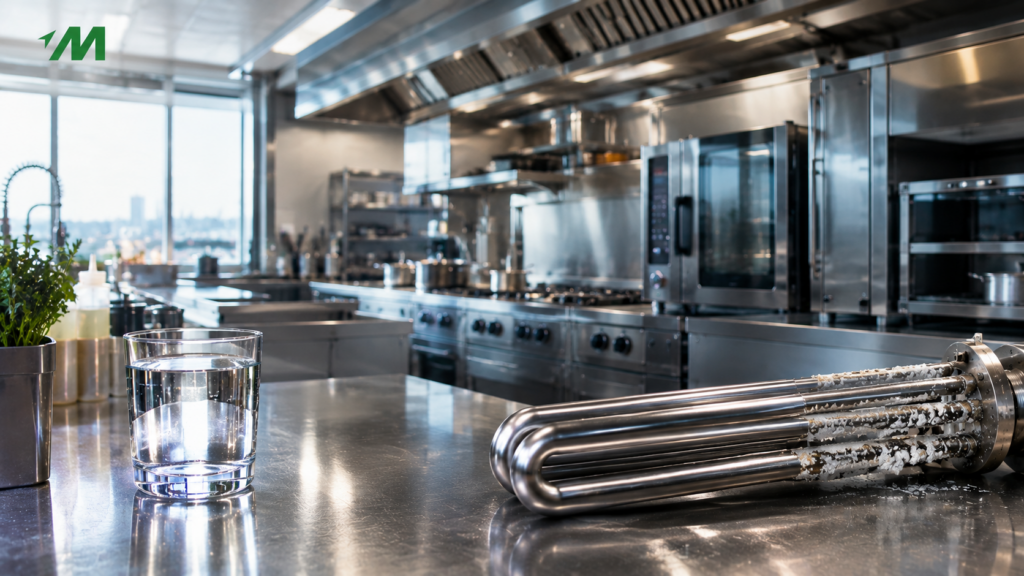
Blog Yazısı
Endüstriyel Mutfaklar İçin Türkiye Su Sertliği Rehberi 2026
Şebeke suyunun sertliği bulaşık makinesi, kombi fırın ve kahve makinelerinin performansını doğrudan etkiler. Bölgesel kireç oranlarını ve ekipmanlara göre su arıtma önerilerini blog yazımızda inceleyebilirsiniz.
Blog Yazısını İncele
Sıkça Sorulan Sorular (SSS)
Çay kazanı kaç demlikli olmalı?
Aslında net bir cevabı yok bunun, tamamen işletmenizin günlük çay trafiğine bağlı. Küçük bir ofis ya da butik kafe işletiyorsanız tek ya da iki demlikli bir kazan çoğu zaman yetiyor, Silverinox'un 15'lik tek demlikli modeli buna iyi bir örnek. Kahvehane, çay ocağı gibi sürekli servis yapılan yerlerde ise dört-beş demlikli kazanlara geçmek gerekiyor, aksi halde sıra beklemek kaçınılmaz oluyor. En sağlıklı yöntem, günlük ortalama servis sayınızı gerçekçi şekilde hesaplamak.
Otomatik çay kazanı ne işe yarar?
Otomatik çay kazanları şamandıra sistemi sayesinde su seviyesini kendi kendine takip edip dolduruyor. Personelin sürekli su kontrolü yapması gerekmiyor bu sayede, servis akışı da kesintiye uğramıyor. Ateşe'nin Titanium Keyfchi serisi gibi dijital kontrollü modeller buna ek olarak su filtresi de taşıyor, kireçlenmeyi azaltıp cihazın ömrünü uzatıyor. Yoğun çalışan işletmeler için bu tür sistemler zaman kazandırdığı için tercih ediliyor.
Çay kazanı ile çay makinesi aynı ürün müdür?
Hayır, ikisi benzer görünse de kapasite ve kullanım amacı bakımından farklı ürünlerdir. Çay makinesi genellikle tek ya da iki demlikli, kompakt yapıda ve ev, ofis ya da küçük işletme kullanımına uygun bir üründür. Çay kazanı ise 3-6 demlikli, çok daha yüksek hazne kapasitesine sahip, kahvehane, restoran ve otel gibi yoğun tüketim alanları için tasarlanmış endüstriyel bir ekipmandır. Dolayısıyla ihtiyacınız günlük birkaç bardaksa çay makinesi, yüzlerce bardaksa çay kazanı sizin için doğru tercih olur.
Çay kazanı kaç litre olmalı?
Bu soruya net bir sayı vermek zor, çünkü ihtiyaç demlik sayısına göre değişiyor. Küçük bir işletmeyseniz 9-15 litre bandı genelde size yetiyor, Remta'nın DE14 Mini Jumbo 9 litre modeli tam bu ölçekte iyi bir örnek. Orta büyüklükte bir kafeniz varsa 18-25 litre aralığına çıkmak daha akıllıca oluyor. Kahvehane gibi yoğun bir yer işletiyorsanız 30 litrenin altına inmemeniz gerekiyor aslında. Bir şeyi unutmayın, bugünkü müşteri sayınıza değil, önümüzdeki dönemde büyüyebilecek talebe göre karar vermek uzun vadede sizi ikinci bir yatırımdan kurtarıyor.
Çay kazanı kurulumu zor mu?
Hayır, çoğu model kurulum açısından oldukça basit. Elektrikli kazanlar prize takılıp su doldurulduktan sonra kullanıma hazır oluyor, ek bir tesisat gerektirmiyor. Doğalgazlı modellerde gaz bağlantısı için bir tesisatçıya ihtiyaç duyulabiliyor, bu da işlemi biraz uzatabiliyor. Şamandıralı sistemlerde su hattına bağlantı yapmak gerekiyor, ama bu da çoğunlukla tek seferlik ve kolay bir işlem.
Çay kazanı garantisi kaç yıl?
Garanti süresi markadan markaya farklılık gösteriyor, tek bir rakam vermek yanıltıcı olur. Piyasada genelde iki yıllık garanti standart kabul ediliyor, kimi üretici belirli parçalarda bu süreyi daha da uzatabiliyor. Öztiryakiler gibi uzun soluklu markalarda yaygın servis ağı sayesinde garanti dönemi kapansa dahi yedek parça bulmak ya da teknik destek almak zorlaşmıyor. Ürün sayfasındaki garanti detayını satın almadan önce kontrol etmek, ilerideki olası sürprizlerin önüne geçmenin en pratik yolu.
Elektrikli ve doğalgazlı çay kazanı arasında hangisi daha ekonomik?
İşletmenizin ne kadar yoğun çalıştığı burada belirleyici oluyor, tek bir cevap yok aslında. Günde birkaç servis yapıyorsanız elektrikli kazan işinizi görüyor genelde, kurulumu ucuz çıkıyor, günlük kullanımda da fazla masraf yaratmıyor. Kahvehane gibi sabahtan gece yarısına kadar sürekli çay çıkan bir yer işletiyorsanız durum değişiyor, orada doğalgaz zamanla ciddi bir tasarruf getiriyor size. Kendi hesabınızı yapmak isterseniz günlük çalışma saatinizle bölgenizdeki enerji fiyatlarını karşılaştırmanız yeterli, en sağlıklı yöntem bu.
Çay kazanı hangi ortamlarda kullanılabilir?
Çay kazanları esasen çay servisinin sürekli olduğu her ortama uygun tasarlanıyor. Ofis, kafe, restoran, otel, kahvehane, yemekhane ve fabrika kantinleri bunun en yaygın örnekleri arasında yer alıyor. Kapalı mekanlar için genelde elektrikli modeller tercih edilirken, mutfak dışına taşınabilecek ya da açık alanda kullanılacak kazanlarda tüplü modeller daha pratik bir çözüm sunuyor. İşletmenizin fiziksel koşullarına ve enerji altyapısına göre doğru modeli seçmek, hem kurulumu kolaylaştırıyor hem de günlük kullanımı sorunsuz hale getiriyor.
Bakır çay kazanı bakım gerektirir mi?
Evet gerektiriyor, bunu net söylemek gerekir. Bakırın doğasında zamanla matlaşma var, paslanmaz çelikte karşılaşmayacağınız bir durum bu. Anka'nın bakır işlemeli bir kazanına yöneliyorsanız, yüzeyi parlak tutmak isterseniz arada özel bakır temizleyicisiyle silmeniz gerekiyor. Aşındırıcı sünger kullanmaktan kaçının, işlenmiş yüzey çizilmeye paslanmaz çelikten daha açık çünkü. Bütün bu ek emeğe rağmen çoğu işletme bakır kazanı tercih etmeye devam ediyor, geleneksel çay ocağı havasını başka hiçbir malzeme aynı şekilde veremiyor çünkü.
Çay kazanının bakımı nasıl yapılır?
Bakımı atlamak kısa vadede fark etmese de zamanla hem performansı düşürüyor hem de arıza ihtimalini artırıyor. Kullanım bittikten sonra kazanı boşaltıp paslanmaz yüzeyi yumuşak bir süngerle, gıda ile temas edebilecek türden bir temizlik ürünüyle silmek yeterli oluyor. Kireçlenme en sık karşılaşılan sorunlardan biri, bunun için kireç çözücü kullanıp ardından birkaç kez temiz suyla durulamak gerekiyor. Bölgenizde şebeke suyu kireçliyse bir su filtresi eklemek de kazanın ömrünü uzatmaya yardımcı oluyor.