 Sipariş Takip


Bardak Yıkama Makineleri
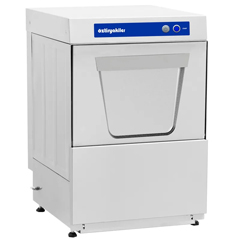
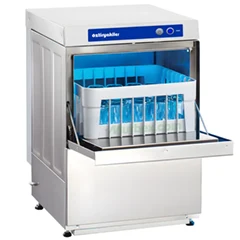
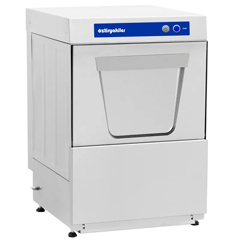
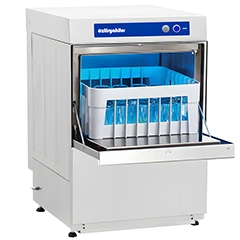
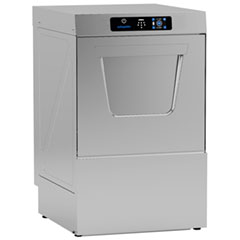
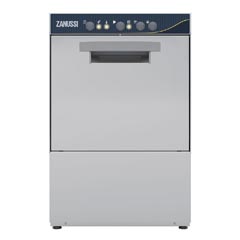
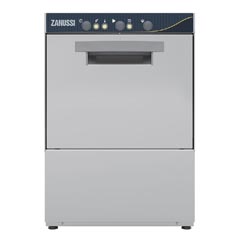
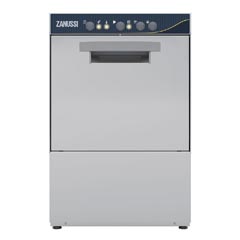
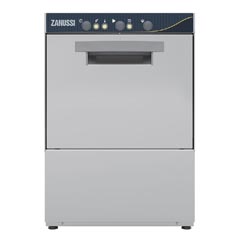
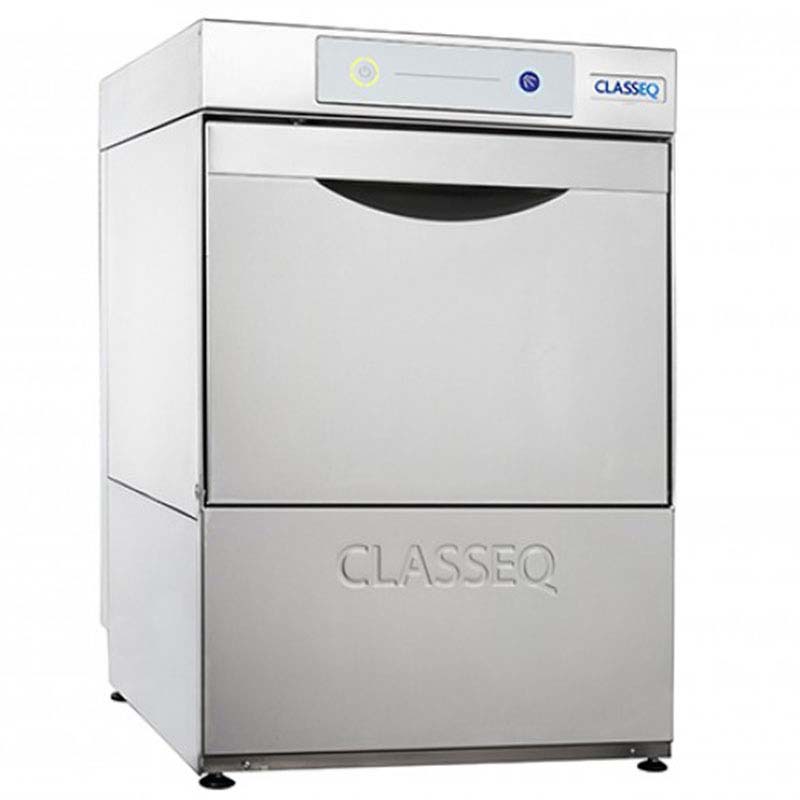
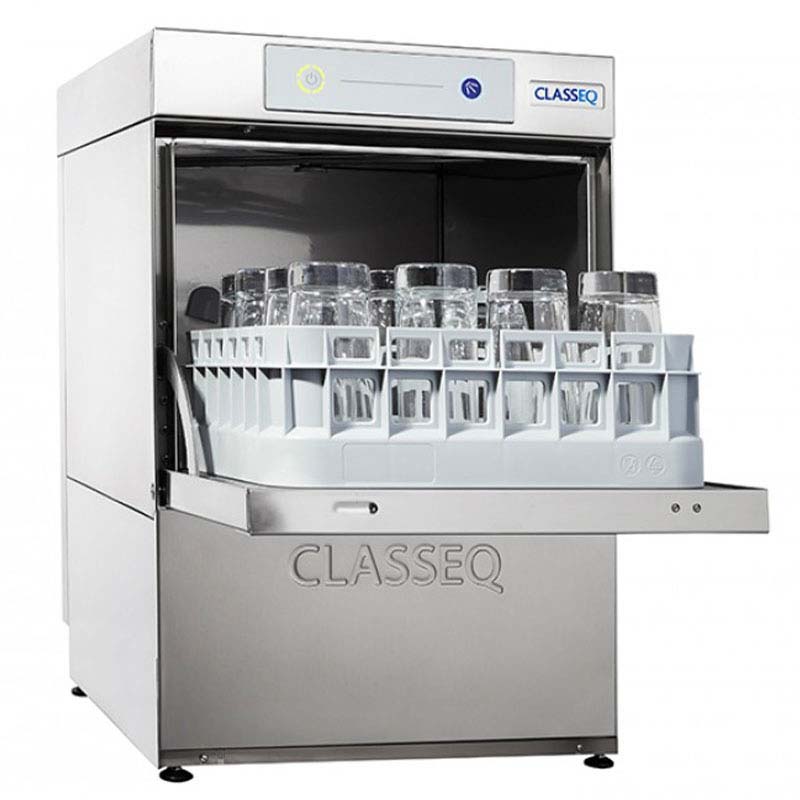
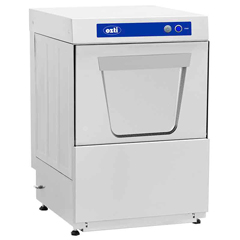
Bardak Yıkama Makineleri Nedir, Ne İşe Yarar?
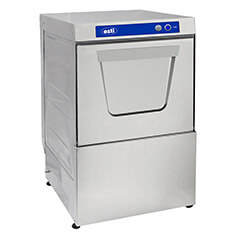
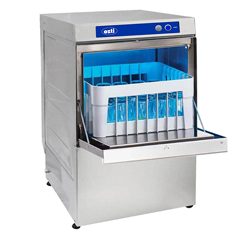
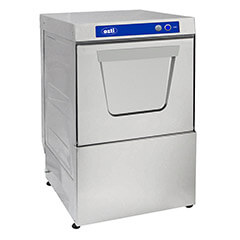
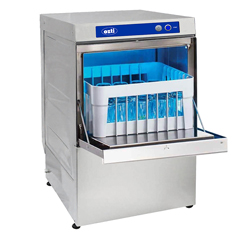
Bardak yıkama makineleri, kafe ve restoran gibi işletmelerde cam bardakları leke bırakmadan hızla temizlemek için kullanılan sanayi tipi bulaşık makineleridir. Standart modellere göre çok daha pratik olan bu cihazlar, kadeh veya fincan gibi ürünlerin yıkama döngüsünü üç dakikadan daha kısa bir sürede tamamlar. Saatte yaklaşık 30-35 sepet bulaşık yıkama kapasitesine ulaşmaları, yoğun servis saatlerinde mekanların iş yükünü büyük ölçüde hafifletir. Küçük ebatlara sahip olmaları sayesinde tezgah altı ya da set üstü gibi dar alanlara rahatça yerleştirilir ve mutfaktaki çalışma alanını kısıtlamazlar.
Bardak Yıkama Makinesi Kullanmanın Avantajları Nelerdir?
Bardak yıkama makinesi kullanmanın en temel faydası, işletmeye kazandırdığı hız ve ciddi orandaki maliyet tasarrufudur. Personeller lavabo başında uzun süre bulaşıkla mesai harcamak yerine tüm vaktini doğrudan müşteri memnuniyetine ve servise ayırma fırsatı bulur. Elde yıkama sırasında boşa akan suyu ve harcanan ekstra elektriği kestiği için ay sonundaki fatura yükünü epeyce düşürür. Ayrıca kadeh ya da fincan gibi cam ürünlerde sürekli karşılaşılan su lekelerini tamamen ortadan kaldırıp her zaman pırıl pırıl bir görünüm sunar. Oldukça ufak tasarımlı cihazlar oldukları için tezgah altına rahatça sığarlar ve mutfaktaki kısıtlı çalışma alanını gereksiz yere işgal etmezler.
En Çok Tercih Edilen Bardak Yıkama Makinesi Modelleri
İşletmelerin en çok satın aldığı bardak yıkama makinesi modelleri, dar mutfaklara kolayca uyum sağlayan pratik tezgah altı cihazlardır. Özellikle kafe ve restoranlarda alan sıkıntısı sıkça yaşandığı için, 35x35 santimetre sepet boyutuna sahip Öztiryakiler tarzı kompakt ürünler sektörde çok daha fazla ilgi görür. Bu makinelerin işletmeciler tarafından bu kadar sevilmesinin ana sebebi, deterjan ve parlatıcı pompası gibi ihtiyaç duyulan bütün parçaları fabrikasyon olarak kendi üzerinde taşımasıdır. Yoğun servis saatlerinde bulaşıkları hiç bekletmeden hızla yıkayan bu popüler modeller, düşük su ve enerji tüketimleriyle de mekanların bütçesine gözle görülür bir katkı sağlar.
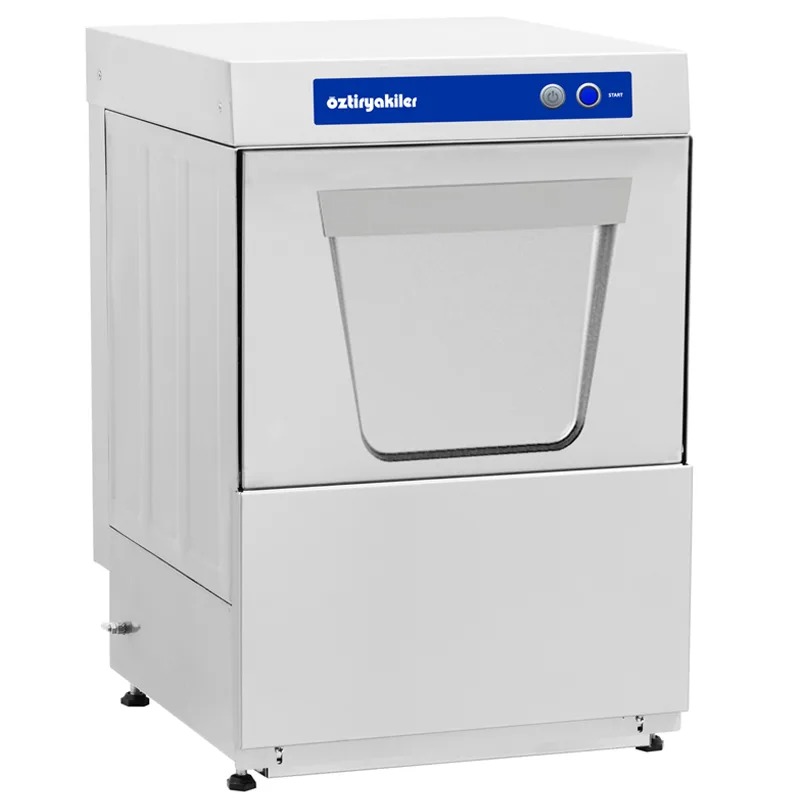
Öztiryakiler OBY 500 35M PTD Bardak Yıkama Makinesi
İşletmelerin kapasite ve kullanım alanlarına göre çeşitli bardak yıkama makineleri bulunmakla birlikte, tezgah altı ve set üstü kullanıma uygun olan Öztiryakiler OBY 500 35M PTD Bardak Yıkama Makinesi modeli öne çıkan en donanımlı seçeneklerden biridir. Bu cihaz, paket içeriğinde standart olarak sunulan deterjan, parlatıcı ve tahliye pompaları sayesinde ekstra bir donanıma ihtiyaç bırakmadan tam performansla çalışır. Paslanmaz çelik yekpare yıkama tankıyla üst düzey hijyen sağlayan makine, 120 saniyelik yıkama periyoduyla saatte 500 bardak temizleyerek kafe ve barların yoğun temposuna rahatlıkla ayak uydurur. Tek tuşla su doldurma imkanı tanıyan elektromekanik kontrol paneli ve 35x35 santimetre sepet ölçüsüyle dar alanlarda bile personelin iş yükünü büyük ölçüde hafifletir.
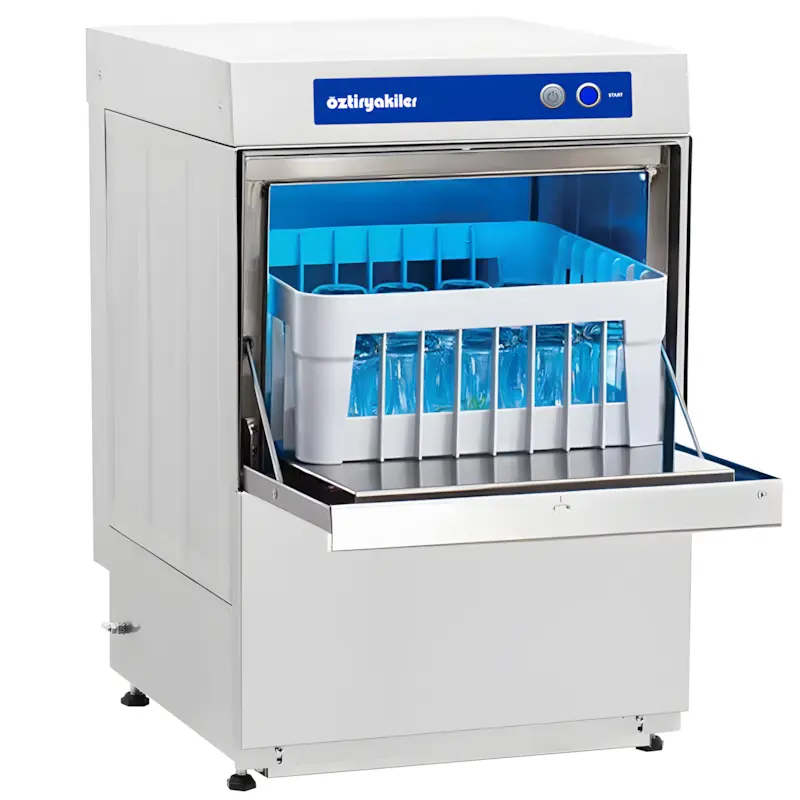
Öztiryakiler OBY 35M Bardak Yıkama Makinesi
Bardak yıkama makineleri genel olarak işletmelerin mekansal ihtiyaçlarına göre tezgah altı ve set üstü modeller olmak üzere farklı çeşitlere ayrılır. Sektörde sıkça tercih edilen kompakt çeşitlerden biri olan Öztiryakiler OBY 35M Bardak Yıkama Makinesi modeli, paslanmaz çelik gövdesi ve 120 saniyelik kısa yıkama periyodu ile saatte 500 bardak temizleme kapasitesine sahiptir. Termostat kontrollü sıcaklık ayarları ve yekpare yıkama tankı ile kafe veya bar gibi yoğun işletmelerin üst düzey hijyen beklentilerini rahatlıkla karşılar. 35x35 santimetre sepet ölçüsüyle dar alanlara kolayca uyum gösteren bu makine, her yıkama döngüsünde sadece 2.5 litre su harcayarak enerji ve deterjan giderlerinde önemli bir tasarruf elde edilmesine imkan tanır.
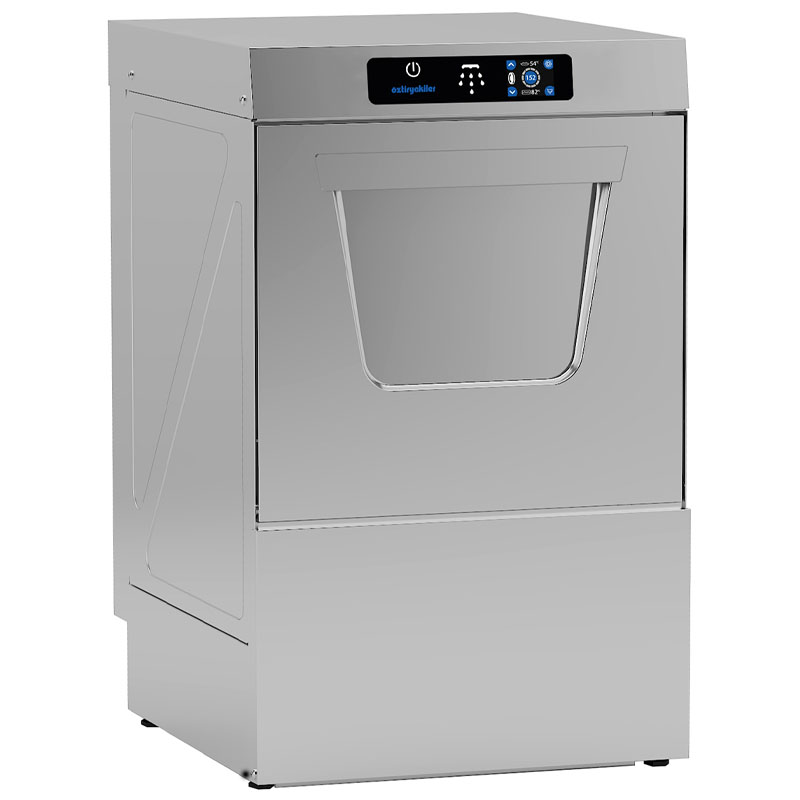
Öztiryakiler OBY 500 40T PDT Bardak Yıkama Makinesi
40x40 cm sepeti ve saatte 500 bardağa ulaşan kapasitesiyle Öztiryakiler OBY 500 40T PDT Bardak Yıkama Makinesi kafe, bar ve yoğun servis veren işletmeler için geliştirilmiştir. Dokunmatik ekran üzerinden üç farklı yıkama programı seçilebilir, çalışma aşamaları renkli göstergelerden takip edilebilir. 304 Kalite paslanmaz çelik gövdesi sayesinde profesyonel mutfak şartlarına uyum sağlar. Yıkama başına yaklaşık 2,5 litre su tüketir 47,5 cm genişliğindeki kompakt yapısı sayesinde tezgâh altına veya alanın sınırlı olduğu bölümlere kolayca yerleştirilebilir.
İşletme Tipine Göre Bardak Yıkama Makinesi Seçim Rehberi
İşletme tipine göre bardak yıkama makinesi seçimi yaparken mekanın günlük müşteri sirkülasyonu ile mutfaktaki kullanılabilir alan en önemli faktördür. Dar mutfaklara sahip kafe, çay ocağı veya butik barlar için tezgah altı çalışabilen 35x35 santimetre sepet ölçülerindeki ufak modeller fazlasıyla pratik bir çözüm sunar. Gün içinde durmaksızın sipariş alan tempolu restoranlar ise servisi aksatmamak adına saatte 500 bardağa kadar temizlik yapabilen ve tahliye pompası gibi donanımları üzerinde barındıran güçlü sanayi tipi cihazlara yönelmelidir. İhtiyacınız üzerinde büyük bir makine almak gereksiz elektrik ile su tüketimine yol açacağı için, sadece işletmenizin gerçek müşteri kapasitesini tam olarak karşılayacak büyüklükte bir tercih yapmanız ekonomik açıdan büyük fayda sağlar. Bu ürünlerin hepsine Mutbex'ten ulaşmak mümkündür.
| Özellİkler | Öztiryakiler OBY 500 35M PTD Bardak Yıkama Makinesi | Öztiryakiler OBY 500 40T PDT Bardak Yıkama Makinesi | Zanussi 402295 Bardak Yıkama Makinesi |
|---|---|---|---|
| Yıkama Kapasitesi (Saat) | 500 Bardak | 500 Bardak | 500 Bardak |
| Parlatıcı Pompası | Evet | Evet | Evet |
| Deterjan Pompası | Evet | Evet | Evet |
| Tahliye Pompası | Evet | Evet | Evet |
| Durulama Pompası | Hayır | Hayır | Hayır |
| Yıkama Program Sayısı | 1 | 3 | 1 |
| Yükseklik (cm) | 63 | 76.5 | 70 |
| Derinlik (cm) | 46.5 | 54 | 55 |
| Genişlik (cm) | 42.5 | 47.5 | 45.5 |
| Ağırlık | 30 | 35 | 38 |
| Besleme Voltajı | Monofaze | Monofaze | Monofaze |
| Sepet Ölçüleri | 35x35 | 40x40 | 40x40 |
Bardak Yıkama Makinesi Fiyatları
Bardak yıkama makinesi fiyatları doğrudan cihazın saatlik sepet kapasitesine ve gövdesinde barındırdığı pompa donanımlarına göre şekillenir. Piyasada sadece yıkama işlevi gören sade makineler bulunabildiği gibi, deterjan, parlatıcı ve tahliye pompası fabrikadan hazır montajlı olarak gelen sanayi tipi modeller de mevcuttur. İlk bakışta pompa donanımı eksik olan cihazlar daha uygun fiyatlı görünse de, dükkanınız için sonradan bu parçaları tek tek satın alıp taktırmak toplam maliyeti epeyce yukarı çeker. Bu nedenle işletme bütçenizi planlarken makinenin paslanmaz çelik kalitesini, dijital veya mekanik kontrol özelliklerini ve kutu içeriğindeki hazır sistemleri dikkate almanız en doğru seçimi yapmanıza yardımcı olur. Siz de Mutbex'te bulunan kaliteli modelleri seçebilir ve uzun seneler boyunca tasarruf edebilirsiniz.
Bardak Yıkama Makinesi Yorumları
İşletme sahiplerinin bardak yıkama makineleri için yaptığı yorumların genel özeti, bu cihazların mutfaktaki iş yükünü ciddi anlamda sırtladığı ve mekana büyük bir hız kazandırdığı yönündedir. Kafe veya restoranlarını işleten pek çok kişi, personelin elde yıkama yaparken yaşadığı bardak kırılma kazalarından ve su lekelerinden sanayi tipi makineler sayesinde tamamen kurtulduklarını her fırsatta dile getiriyor. Ürün tavsiyelerine göz attığımızda, özellikle deterjan veya tahliye pompası kendi içinde hazır olarak gelen donanımlı modellerin işletmeci için büyük bir kurulum rahatlığı yaşattığını net bir şekilde görebiliyoruz. Zaten mutfak alanı oldukça kısıtlı olan butik mekanlar da, tezgah altına çok rahat sığan ve personelin çalışma alanını hiçbir şekilde daraltmayan bu ufak boyutlu cihazlardan duydukları memnuniyeti müşteri değerlendirmelerine sıklıkla yansıtıyor.
Bardak Yıkama Makinesi Alırken Dikkat Edilmesi Gerekenler
Bardak yıkama makinesi alırken odaklanmanız gereken en önemli detay, seçeceğiniz cihazın mutfağınızdaki kısıtlı alana ve işletmenizin anlık müşteri yoğunluğuna tam olarak yetebilmesidir. Sırf fiyatı biraz daha uygun diye kapasitesi yetersiz bir modeli mutfağa sokarsanız, en yoğun servis saatlerinde temiz bardak yetiştiremez ve müşteri memnuniyetini ciddi anlamda aksatırsınız. Tam tersi bir durum olan gereğinden büyük bir cihaza bütçe ayırmak ise size yalnızca kabarmış su ve elektrik faturaları olarak geri döner. Bu sebeple kendi dükkanınızın saatlik sepet devir hızını gerçekçi bir şekilde hesaplayıp buna göre adım atmanız büyük önem taşır. İşinizi asıl kolaylaştıracak hamle ise, deterjan, parlatıcı ve pis su tahliye motoru gibi donanımları kendi gövdesinde hazır olarak bulunduran paslanmaz çelik makinelere yönelip sonradan karşınıza çıkacak her türlü ekstra parça veya usta masrafından peşinen kurtulmaktır. Mutbex'te yapacağınız araştırma ile hem uygun fiyatlı hem işlevsel özelliklere sahip olan modelleri seçebilir ve güvenle satın alabilirsiniz.
Bardak Yıkama Makinelerinde Paslanmaz Çelik Neden Önemlidir?
Paslanmaz çelik, bardak yıkama makinelerinin o sürekli ıslak ve bol kimyasallı çalışma ortamında gövdenin paslanıp çürümesini kesin olarak engellediği için son derece önemlidir. Sanayi tipi mutfaklardaki hiç bitmeyen yoğun tempoyu düşündüğünüzde, satın aldığınız cihaza yatırdığınız paranın karşılığını yıllarca sorunsuz alabilmeniz tamamen gövdenin bu direncine kalıyor. Çelik malzemenin tamamen pürüzsüz olan yapısı yüzeyde kir veya mikrop barınmasına asla izin vermediğinden, misafirlerinize sunduğunuz kadehler makineden her seferinde cam gibi parlak ve hijyenik çıkmaktadır. İşin bir de tasarruf boyutu var; bu sağlam yapı yıkama kazanındaki kaynar suyun çabucak soğumasını önlediği için ısıtıcı rezistans sürekli devreye girmek zorunda kalmıyor ve dükkanınızın elektrik faturasını belirgin bir şekilde aşağı çekiyor.
Bardak Yıkama Makinesinde Pompa Seçimi ve Boyler Rezistansı Önemli midir?
Evet, alacağınız makinede doğru pompa sistemlerinin ve güçlü bir boyler rezistansının bulunması işletmenizin aksamaması için hayati derecede önemlidir. Deterjan ile parlatıcı pompalarının cihaza kendiliğinden entegre olması, kimyasal oranını otomatik dengeleyerek bardakların üzerinde kalan su lekelerini tamamen ortadan kaldırır. Bunun yanında kaliteli bir tahliye pompası da kazan içindeki pis suyu beklemeden dışarı atarak makinenin tıkanmadan sorunsuz çalışmasına ciddi anlamda destek olur. İşin ısıtma kısmını üstlenen boyler rezistansı ise suyun vakit kaybetmeden en ideal sıcaklığa ulaşmasını sağladığı için, dükkanın en kalabalık olduğu saatlerde bile bulaşıkların hiç bekletilmeden hızla servise dönmesine imkan tanır.
Su Yumuşatma Cihazı Kullanmak Bardak Yıkama Makinesinin Ömrünü Uzatır mı?
Evet, makineye giren suyu yumuşatmak cihazın kullanım ömrünü kesinlikle uzatır. Şebekeden gelen sert suların içindeki kireç, cihazın ısıtıcı rezistansına ve dar su yollarına yapışarak zamanla sistemi içten içe çürütüyor. Tesisatın arasına bağlayacağınız ufak bir yumuşatma ünitesi bu kireci daha en baştan süzüp tutarak mekanik parçaların taşlaşıp tıkanmasını engeller. Bu ufak adımı attığınızda hem beklenmeyen bakım maliyetleri peşinen kurtulur hem de kadehleri müşteriye beyaz lekeler olmadan sunabilirsiniz.
Su Sertlik Seviyeleri ve Anlamları
| Suyun Sertlik Derecesi | Tanımı |
|---|---|
| 30 °f ve üstü | Çok Sert Su / Çok Kireçli |
| 20-30 °f | Sert Su / Kireçli |
| 10-20 °f | Az Sert Su / Az Kireçli |
| 5-10 °f | Yumuşak Su |
| 0-5 °f | Çok Yumuşak Su |
İşletmeniz için en uygun bulaşık makinesini seçmek için satın alma rehberimizi inceleyebilirsiniz.
Videolarımız
Bardak yıkama makinelerinin günlük işleyişte tam olarak nasıl kullanıldığını görmek için hazırladığımız videolara bu alandan rahatça ulaşabilirsiniz. Uzun ve karmaşık kullanım kılavuzları okumakla hiç vakit kaybetmeyin diye, cihazı mutfakta çalıştırırken bilmeniz gereken her şeyi bu kısa kayıtlarda gayet anlaşılır bir şekilde gösterdik. Sepeti makineye yerleştirmekten tutun da yıkamayı başlatmaya kadar işinize yarayacak tüm o basit adımları sadece izleyerek hızlıca kavrayabilirsiniz. Bu sayede satın aldığınız ürünün kurulumu yapıldığı andan itibaren çalışma arkadaşlarınızla birlikte hiçbir zorluk çekmeden cihazı hemen kullanmaya başlayabilirsiniz.
Öztiryakiler Bardak Yıkama Makineleri | Mutbex
Bardak Makinesi mi, Bulaşık Makinesi mi? | Mutbex
Öztiryakiler Bulaşık Makineleri | Mutbex
Endüstriyel Bulaşık Makineleri Kaç Dakikada Yıkar? | Mutbex
Bulaşık Makinesi Kullanırken Bunları Yapıyor musunuz? | Mutbex
Parlatıcı ve Deterjan Olmadan Bulaşık Makinesi Kullanılır Mı? | Mutbex
Bardak Yıkama Makinesi Markaları
İşletmeniz için sitemizden güvenle satın alabileceğiniz bardak yıkama makinesi markaları Classeq, Öztiryakiler ve Zanussi'dir. Eğer makinede bir arıza yaşandığında usta ya da yedek parça aramakla hiç vakit kaybetmek istemiyorsanız, yerli üretim olan Öztiryakiler'in Türkiye genelindeki geniş servis ağı kafanızı epey rahatlatacaktır. Mutfakta tezgah altında zar zor yer açabildiğiniz dar bir dükkanınız varsa, İngiliz üretimi Classeq cihazlar ufak boyutlarıyla böyle alanlarda tam anlamıyla hayat kurtarıyor. Ancak sabahtan akşama kadar bulaşığı hiç bitmeyen, oldukça yoğun ve kalabalık bir mekan işletiyorsanız, İtalyan Zanussi'nin güçlü motor yapısına yönelmeniz çok daha mantıklı bir adım olur. Mutbex'te yer alan seçkin markaların modellerini inceleyebilir ve amacınıza uygun bir cihaz seçimi yapabilirsiniz.
İlgili Blog Yazılarımız
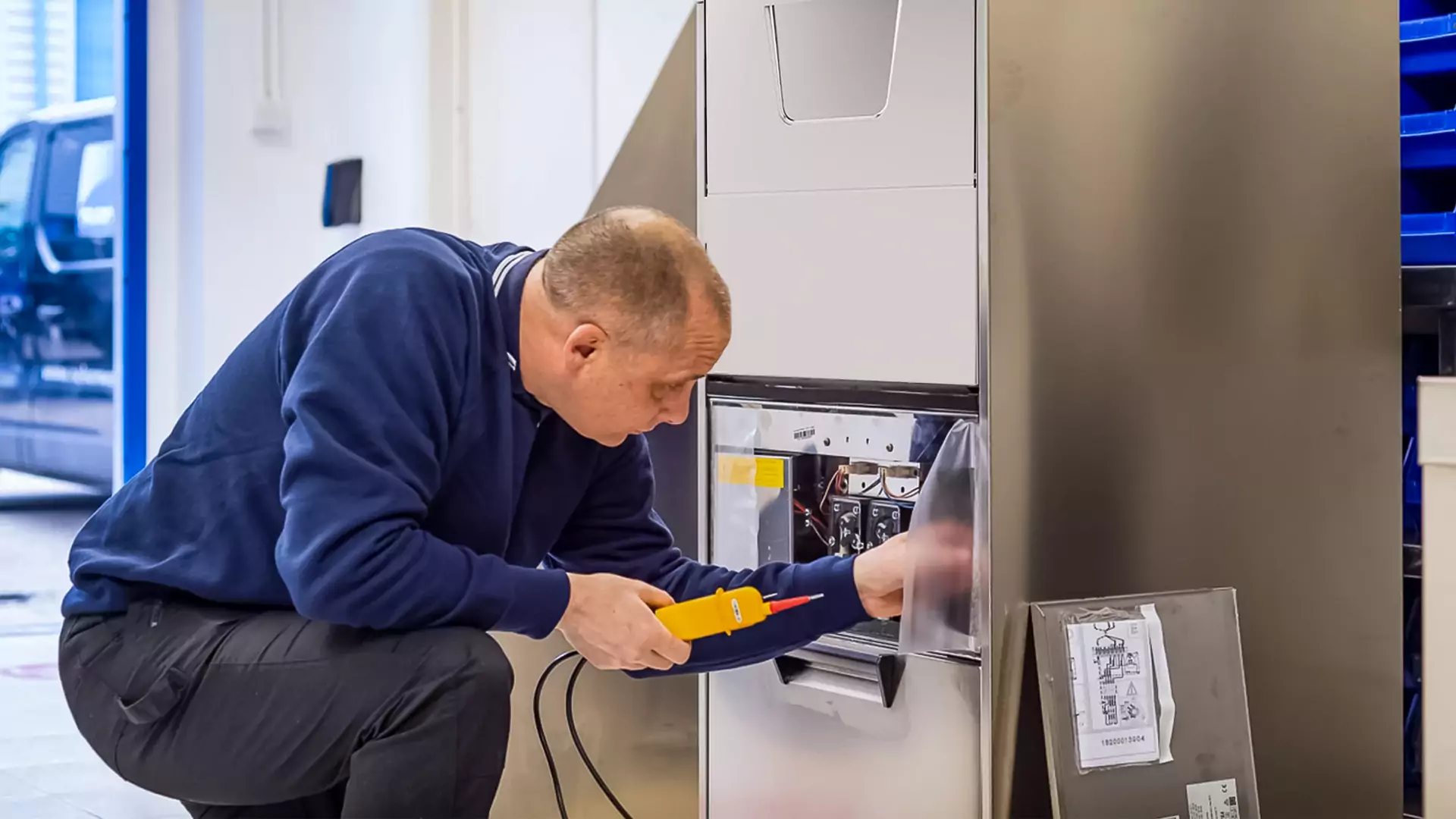
Sanayi Tipi Bulaşık Makineleri Arızaları ve Çözümleri
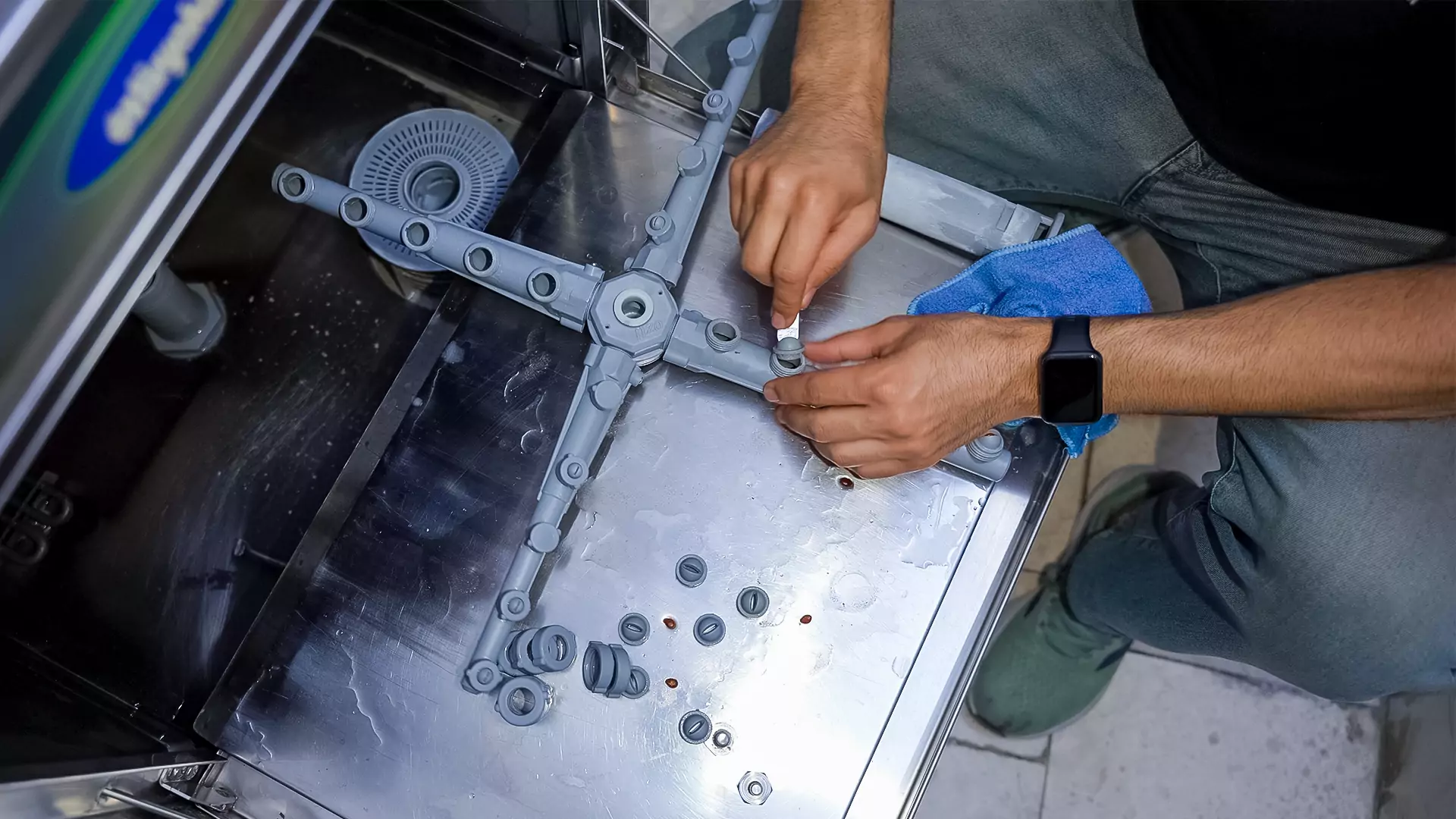
Sanayi Tipi Bulaşık Makinelerinin Bakım ve Temizliği

Sanayi Tipi Bulaşık Yıkama Makineleri Nasıl Kullanılır?
Sıkça Sorulan Sorular (SSS)
Bardak Yıkama Makinesi Seçerken Hangi Model İşletmeme Uygun?
Cevap: İşletmeniz için en uygun modeli belirlerken temel almanız gereken iki şey var; günlük müşteri trafiğiniz ve mutfaktaki tezgah altı boşluğunuz. Çay ve kahve servisinin hiç durmadığı, sürekli temiz bardağa sıkışan tempolu bir mekana sahipseniz, saatlik sepet kapasitesi yüksek olan cihazları tercih etmelisiniz. Bu tarz kalabalık yerlerde kirli suyu beklemeden dışarı atan tahliye pompalı modeller personelin elini inanılmaz hızlandırıyor. Öte yandan daha sakin, butik bir yer işletiyorsanız mutfağınızı daraltmayacak, az elektrik yakan ufak ebatlı cihazlar işinizi çok rahat görecektir. Hangi kapasiteyi seçerseniz seçin, makinenin deterjan ve parlatıcı pompalarının fabrikasyon olarak üstünde gelmesine mutlaka özen gösterin. Böylece sonradan dışarıdan parça aramakla ya da ekstra servis masrafıyla uğraşmadan cihazı direkt tesisata bağlayıp kullanmaya başlayabilirsiniz.
Bardak Yıkama Makinesi Evde Kullanılabilir mi?
Cevap: Hayır, bardak yıkama makinelerinin standart ev ortamında kullanılması kesinlikle uygun değildir. Bu cihazlar işletmelerin yoğun temposuna göre tasarlandığı için, ev elektrik tesisatlarına bağlandığında ciddi altyapı sorunları yaratma ihtimali oldukça yüksektir. Bunun yanında yıkama işlemini yaklaşık iki dakika gibi kısa bir sürede tamamladıklarından dolayı, tablet deterjanlar yerine sadece güçlü sanayi tipi sıvı kimyasallarla çalışırlar. Ev tipi bulaşık makinelerinde alıştığımız kurutma özelliği de bu ürünlerde yer almadığından, evinizin günlük bulaşık ihtiyacı için hem maliyetli hem de oldukça zahmetli bir tercih olacaktır.
Bardak Yıkama Makinesi Durulama Sıcaklığı Kaç Olmalı?
Cevap: Bardak yıkama makinelerinde ideal durulama sıcaklığı 80 ile 85 derece arasında olmalıdır. Bu yüksek ısı seviyesi, yıkama aşamasından çıkan bardakların üzerindeki deterjan kalıntılarından tamamen arındırılması ve işletmenizdeki hijyen standartlarının tam olarak sağlanması için şarttır. Sanayi tipi cihazlarda evlerdeki gibi özel bir kurutma fanı bulunmadığı için, cam bardakların sepetten çıktıktan sonra leke bırakmadan saniyeler içinde kendi kendine kuruması da büyük ölçüde bu kaynar durulama suyuna dayanır. Eğer makinenizin ısıtma rezistansı suyu bu derecelere çıkaramıyorsa, müşteriye servis edeceğiniz kadehlerde matlaşma veya beyaz su izleri görme ihtimaliniz oldukça artacaktır.
Bardak Yıkama Makinesi Ne Kadar Su ve Enerji Harcar?
Cevap: Ortalama bir bardak yıkama makinesi, her bir yıkama periyodunda yaklaşık 2 ile 3 litre arasında su harcar ve saatte ortalama 3 kW civarında bir elektrik tüketimi gerçekleştirir. Cihazı sabah ilk açtığınızda kazandaki suyu o yüksek sıcaklıklara çıkarmak için bir miktar yoğun enerji çekilse de, su ısındıktan sonra rezistanslar sadece ısıyı korumak için devreye girdiğinden gün boyu süren kullanımlarda elektrik sarfiyatı oldukça dengeli seyreder. Üstelik bu profesyonel cihazlar aldıkları suyu kendi içlerinde temizleyip devridaim yapan bir sisteme sahip oldukları için, dükkanın en kalabalık saatlerinde aralıksız çalışsalar bile işletmenizin su faturasına korktuğunuz gibi büyük bir yük bindirmeden saatlerce sorunsuz hizmet verirler.
Bardak Yıkama Makinesinde Parlatıcı Kullanmak Gerekli mi?
Cevap: Evet, bardak yıkama makinelerinde parlatıcı kullanmak dükkanın genel işleyişi için kesinlikle gereklidir. Sanayi tipi cihazların içinde evlerdeki gibi sıcak hava üfleyen bir kurutma fanı yer almadığından, cam ürünlerin makineden kuru çıkması tamamen son aşamadaki kaynar durulama suyuna ve parlatıcı kimyasalına bağlıdır. Suyun cam üzerindeki tutunma gücünü kıran bu sıvı, damlaların kadehin üzerinden hızla süzülmesini sağlayarak müşteriye gidecek bardaklarda beyaz su lekelerinin oluşmasını tamamen önler. Eğer cihazınızda parlatıcı kullanmazsanız makineden sırılsıklam çıkan bardakları personelin tek tek eliyle kurulaması gerekecek, bu da yoğun servis saatlerinde mutfakta hiç istenmeyen bir telaşa ve vakit kaybına yol açacaktır.
Bardak Yıkama Makinesi ile Ev Tipi Bulaşık Makinesi Arasındaki Fark Nedir?
Cevap: İki cihaz arasındaki asıl fark, işlem süreleri ve genel çalışma mantıklarıdır. Evlerimizde kullandığımız bulaşık makineleri her seferinde şebekeden baştan su alıp ısıttığı için yıkamayı saatlerce uzatırken, bardak yıkama makineleri kazanındaki suyu sürekli kaynar halde hazır tutarak işi sadece bir iki dakikada bitirir. Ayrıca ev tipi modellerde alıştığımız o sıcak hava üfleyerek kurutan fan sistemi bu profesyonel cihazlarda yer almaz. Bunun yerine bardaklar, 80-85 derecelik durulama suyu ve parlatıcının da etkisiyle sepetten dışarı çıktığı an saniyeler içinde kendi kendine hızla kurur. Bu tamamen hıza odaklı yapı sayesinde işletmelerin en yoğun servis saatlerinde bile tezgahta kirli bardak yığılması yaşanmaz ve işleyiş hiç aksamadan devam eder.
Bardak Yıkama Makinesi Bulaşıkları Kurutur mu?
Cevap: Hayır, bardak yıkama makinelerinde evdeki bulaşık makinelerimiz gibi sıcak hava üfleyip kurutma yapan ayrı bir fan sistemi yer almaz. Cihaz bu kurutma olayını, yıkama biter bitmez bardakları 80-85 derecelik kaynar su ve parlatıcıyla hızlıca durulayarak çözer. Makinenin kapağını açıp o sıcak sepeti dışarı çıkardığınızda, camın yüzeyindeki yüksek ısının da etkisiyle bardaklar saniyeler içinde kendi kendine hızla kurur. Bu pratik yöntem sayesinde çalışanlarınızın yoğun saatlerde elinde bezle tek tek bardak kurulamasına hiç gerek kalmadan servise hız kesmeden devam edebilirsiniz.
Bardak Yıkama Makinesi Alırken Su Yumuşatma Cihazı Kullanılmalı mı?
Cevap: Hayır, bardak yıkama makinesinin çalışması için dükkanınıza ekstra bir su yumuşatma cihazı taktırmanız teknik olarak zorunlu değildir. Fakat bölgenizdeki şebeke suyunun kireç seviyesi yüksekse, zamanla cihazın ısıtıcı rezistanslarına yapışan tortular performansı düşürüp size hesapta olmayan tamir masrafları çıkarabilir. Su girişine bağlayacağınız bu basit aparat sayesinde kirecin makineye ulaşmasını engelleyerek hem cihazın ömrünü uzatır hem de müşteriye giden cam bardaklarda beyaz lekelerin oluşmasını tamamen önlersiniz.
Bardak Yıkama Makinesinde Hangi Deterjan ve Parlatıcı Kullanılmalı?
Cevap: Bardak yıkama makinelerinde kesinlikle sanayi tipi köpürmeyen sıvı deterjanlar ve endüstriyel sınıf sıvı parlatıcılar kullanılmalıdır. Marketlerde satılan ev tipi tablet ya da toz deterjanlar, sadece bir iki dakika süren bu profesyonel yıkama periyotlarında erimeye vakit bulamadığı için hem bardakların üzerinde tortu bırakır hem de zamanla makinenin su yollarını tıkar. Satın aldığınız bu büyük bidonlu sıvı kimyasalları tezgahın altına yerleştirdiğinizde cihazın kendi dozaj pompaları ihtiyacı olan milimetrik miktarı hortumlar yardımıyla otomatik olarak çeker. Bu doğru ürün kullanımı sayesinde işletmenizin o kalabalık servis saatlerinde makinenin içinde köpük taşması sorunu yaşamadan tüm cam ürünlerinizi sıfır lekeyle anında servise çıkarabilirsiniz.
Bardak Yıkama Makinesinde Ev Tipi Deterjan Kullanılabilir mi?
Cevap: Hayır, bardak yıkama makinelerinde ev tipi tablet ya da toz deterjan kullanılması kesinlikle uygun değildir. Evlerimizde kullandığımız bu standart temizleyiciler uzun saatler süren programlarda yavaşça çözünmek üzere üretildiğinden, dükkanınızdaki makinenin bir iki dakikalık o çok hızlı yıkama döngüsünde erimeye asla vakit bulamaz. Erimeden kalan bu kimyasal maddeler sadece bardakların üzerinde pütürlü bir tortu bırakmakla kalmaz, aynı zamanda makinenin iç su yollarını ve pompalarını tıkayarak işletmenize hiç hesapta olmayan ağır tamir masrafları çıkarır. Bu tarz teknik sorunların önüne geçmek ve makineden tam performans alabilmek için, cihazın hortumlarla bidondan doğrudan çekebileceği köpürmeyen sanayi tipi sıvı deterjanları kullanmanız son derece önemlidir.
Bardak Yıkama Makinesinde Tahliye Pompası (Drenaj) Ne İşe Yarar ve Zorunlu mudur?
Cevap: Hayır, bardak yıkama makinelerinde tahliye pompası kullanmak her mekan için mecburi bir parça değildir. Bu donanımın asıl amacı, yıkama döngüsü tamamlandığında kazanın dibinde biriken o atık suyu güç uygulayarak dükkanın genel giderine pompalamaktır. Eğer mutfağınızdaki pis su borusu duvardan açılmışsa, yani cihazın kendi su çıkışından daha yüksek bir noktadaysa, su kendi başına o eğimi tırmanamayacağı için bu pompayı siparişe kesinlikle eklemelisiniz. Ama gideriniz yerdeyse ve su zahmetsizce aşağı akabiliyorsa, yerçekimi zaten işi çözeceğinden bu ekstra parça için fazladan bütçe ayırmanıza hiç gerek kalmaz.
Bardak Yıkama Makinesi Parlatıcısı Elle Dökülebilir mi?
Cevap: Hayır, bardak yıkama makinelerinde parlatıcıyı doğrudan kazanın içine elinizle dökmeniz kesinlikle uygun bir yöntem değildir. Bu profesyonel cihazlar, ilgili kimyasalı yıkama işlemi bittikten hemen sonra devreye giren son durulama suyuna entegre bir pompa yardımıyla milimetrik olarak enjekte edecek şekilde üretilmiştir. Eğer sıvıyı kapağı açıp yıkama suyunun içine kendiniz göz kararı eklerseniz, kimyasal esas işlevini yerine getiremeyeceği gibi içeride istenmeyen bir köpürme yaratarak makinenin yıkama performansını altüst edecektir. Cam ürünlerin makineden beyaz su lekeleri olmadan ve saniyeler içinde kendi kendine kurumuş bir şekilde çıkabilmesi için sıvıyı tezgah altındaki bidondan otomatik çeken parlatıcı dozaj pompası sistemini kullanmalısınız.
Bardak Yıkama Makinesi Tezgâh Üstüne Konulabilir mi?
Cevap: Evet, bardak yıkama makinelerini mutfağınızdaki veya bar bölümünüzdeki sağlam bir tezgahın üzerine kurarak rahatlıkla kullanabilirsiniz. Bu profesyonel cihazlar sektörde daha çok tezgah altı kullanım amacıyla üretilip satılsa da, işletmenizin fiziksel yapısı veya yerleşim düzeni gerektirdiğinde onları göz hizasında bir yüksekliğe yerleştirmenizde teknik açıdan hiçbir engel bulunmaz. Sadece makine su aldığında ciddi bir ağırlığa ulaşacağı için tezgahın taşıma kapasitesinden emin olmanız ve pis su gider bağlantısını tahliye akışını bozmayacak bir eğimle ayarlamanız sorunsuz bir kullanım için tamamen yeterli olacaktır.
Bardak Yıkama Makinesi Kafe, Bar ve Restoranlar İçin Uygun mudur?
Cevap: Evet, bardak yıkama makineleri kafe, bar ve restoran gibi sürekli yoğun olan işletmeler için fazlasıyla uygundur. Gün içinde peş peşe kirlenen yüzlerce bardağı ev tipi makinelerle servise yetiştirmeye çalışmak dükkandaki bütün işleyişi tıkar. Bar arkasındaki dar alanlara bile kolayca kurabileceğiniz bu cihazlar, sadece iki dakika süren hızlı periyotlarıyla biriken bulaşık yükünü anında eritir. Sağlanan bu ciddi zaman tasarrufu sayesinde çalışma arkadaşlarınız tezgahtaki kirli yığınlarıyla boğuşmak yerine doğrudan misafirlerinize ve siparişlere odaklanabilir.
Bardak Yıkama Makinesinde Tabak Yıkanabilir mi?
Cevap: Hayır, sanayi tipi bardak yıkama makinelerinde standart yemek tabaklarını yıkamanız kesinlikle tavsiye edilmez. Bu cihazların iç hacimleri ve kapak açıklıkları sadece kadeh, fincan veya çay bardağı gibi narin ürünlerin sığabileceği ölçülerde tasarlandığı için büyük servis tabaklarını sepetlere yerleştirmeniz zaten pek mümkün olmaz. Bununla birlikte bardak makinelerinin filtre ve pompa sistemleri sadece sıvı içecek kalıntılarını arındırmak üzere özel olarak üretilmiştir. İçeriye girecek tabaklardaki yoğun yemek artıkları çok kısa sürede makinenin süzgeçlerini ve ince su yollarını tıkayarak dükkanınızda hiç beklemediğiniz tamir masraflarına yol açacaktır.
Her Bardak Yıkama Makinesinde Durulama Pompası Bulunur mu?
Cevap: Hayır, piyasada satılan her bardak yıkama makinesinde standart olarak bir durulama pompası yer almaz. Çoğu standart tezgah altı model, son aşamadaki o sıcak durulama suyunu doğrudan dükkanınızın kendi şebeke su basıncından güç alarak bardakların üzerine püskürtür. Eğer mekanınızdaki tesisatın su tazyiki yeterince güçlü değilse, bardakların üzerindeki deterjanı tamamen arındırmak ve parlatıcının her yere eşit dağılmasını sağlamak için siparişinize bir durulama pompası ekletmeniz son derece önemlidir. Bu sayede düşük su basıncı yüzünden bardaklarınızda kalabilecek köpük tortularının ve beyaz su lekelerinin önüne geçerek kesintisiz bir temizlik performansı elde edebilirsiniz.
Dükkanın günlük ortalama müşteri sirkülasyonuna göre, saatlik kaç sepet yıkayabilen bir bardak yıkama makinesi yeterli olur?
Cevap: İşletmeniz için gereken ideal sepet kapasitesi, dükkanın en kalabalık olduğu o yoğun saatlerde tezgaha yığılan kadeh ve fincan sayısına göre belirlenmelidir. Eğer standart büyüklükte bir kafeniz ya da butik bir barınız varsa, saatte 30-40 sepet civarı yıkayan tezgah altı makineler günlük koşturmacayı rahatça sırtlar. Ancak kapıdan müşterinin hiç eksik olmadığı büyük bir restoran işletiyorsanız, barın arkasında temiz bardak krizi yaşamamak için saatte 60 sepet ve üzerini gören çok daha güçlü cihazlara bakmanız şarttır. Seçim yaparken sadece mekandaki masa sayısına odaklanmak yerine, sürekli tazelenen çayların ve peş peşe giden kahvelerin o baş döndürücü sirkülasyonunu da hesaba katmayı kesinlikle unutmayın.
Dar alanlarda personelin eğilip kalkmasını en aza indirmek için bardak yıkama makinesi hangi yüksekliğe kurulmalıdır?
Cevap: En ideal yükseklik, makinenin kapağını yerden 85-90 santim kadar yukarıya, personelin tam bel hizasına getirdiğiniz seviyedir. Bütün gün o daracık alanda ağır bulaşık sepetleri için sürekli yere eğilip kalkmak çalışanları gerçekten çok yorar. Makineyi direkt zemine oturtmaktansa altına paslanmaz bir ayaklık ya da sağlam bir tezgah atarak bu sorunu kökten çözebilirsiniz. Böylece kapak tam el hizasına gelir; personelin beli ağrımaz ve en yoğun saatlerde bile bardak yıkama işiniz sorunsuz devam eder.
Bardak yıkama makinesine entegre otomatik deterjan ve parlatıcı pompaları, yoğun saatlerde personelin iş yükünü ne ölçüde azaltır?
Cevap: Evet, bu pompalar yoğun saatlerde personelin iş yükünü hafifletme konusunda kesinlikle çok etkilidir. Dükkanın en kalabalık anlarında çalışanların her seferinde deterjan ölçüp makineye dökmekle uğraşması servisi inanılmaz yavaşlatır. Otomatik pompalar ihtiyacı olan kimyasalı bidondan milimi milimine kendi çeker ve ekibinize sadece bulaşık sepetini makineye sürüp yıkamayı başlatmak kalır. Bu durum personeli o telaşın içinde büyük bir zahmetten kurtarırken, kimyasal israfını da tamamen bitirerek işletmenizin gereksiz masraf yapmasını engeller.
Bardak yıkama makinesinin temiz su ve atık su bağlantıları, diğer endüstriyel ekipmanların yerleşimini engellemeyecek şekilde nasıl planlanmalıdır?
Cevap: Bütün tesisat borularını tezgah altlarındaki ölü noktalardan ya da direkt sıva içinden geçirerek tamamen gözden kaybetmelisiniz. Zaten bar arkası dediğimiz yerlerde buz makinesinden espresso cihazına kadar bir sürü ekipman mecburen yan yana durmak zorunda kalıyor. Su ve gider hortumlarını ortalıkta bırakırsanız diğer makineleri istediğiniz yerlere rahatça sığdıramazsınız; üstelik koşturmaca sırasında personelin ayağına takılıp hiç yoktan işleri aksatırlar. Bu yüzden dükkanın kurulum aşamasında tesisatçınızla baştan anlaşıp, suyun akış eğimini kesinlikle bozmadan tüm hatları dolap arkalarına saklamak mutfaktaki operasyonunuzu inanılmaz rahatlatacaktır.
Sıcak suyu koruyan bir bardak yıkama makinesi, suyu her yıkamada yeniden ısıtan modellere göre aylık elektrik tüketimini ne kadar azaltır?
Cevap: Bu tarz yalıtımlı cihazların dükkanın aylık elektrik faturasına katkısı kesinlikle çok büyüktür. Klasik makinelerde her sepeti içeri sürdüğünüzde o buz gibi şebeke suyunu sıfırdan kaynatmak için rezistanslar tam gaz devreye girer ve elektrik sayacı durmadan döner. Suyu kendi içinde zaten kaynar vaziyette hazır bekleten modeller ise sadece ufak desteklerle ısıyı koruduğu için elektrik tüketimini azaltır. Ay sonu dükkanın faturalarını öderken, sırf suyu sürekli baştan ısıtma derdinin bitmesinin bile maliyetlerinizi ne kadar aşağı çektiğini net bir şekilde fark edersiniz.
Çift cidarlı izolasyona sahip bardak yıkama makineleri, kazan içindeki suyun sıcaklığını koruyarak rezistansların çalışma süresini ne kadar kısaltır?
Cevap: Çift cidarlı makineler, ısıtıcı rezistansların çalışma süresini sıradan tek katmanlı modellere kıyasla ortalama %30 ila %40 oranında kısaltır. İki paslanmaz çelik tabaka arasında bırakılan o özel yalıtım boşluğu, kazanın içindeki kaynar suyu tıpkı bir termos mantığıyla hapsederek dışarıya ısı sızdırmaz. Makinenin içi zaten sürekli sıcak kaldığı için rezistanslar sürekli devreye girip baştan su kaynatmakla uğraşmaz. Ay sonu dükkanın faturalarını hesaplarken, sırf içerideki ısıyı havaya uçurmayan bu kalın gövde yapısının elektrik masraflarınızı ne kadar rahatlattığını çok net görürsünüz.
Genel Değerlendirme
İşletmeniz için bardak yıkama makinesi seçerken asıl dikkat etmeniz gereken detay, dükkanın günlük müşteri sirkülasyonuna tam cevap verecek doğru kapasiteyi bulmaktır. İhtiyacınızın altında kalan bir cihaz sizi en yoğun saatlerde yarı yolda bırakırken, gereğinden büyük bir makine de boşuna su ve elektrik harcayarak aylık bütçenizi yorar. Mekanın fiziksel alanına ve iş hacmine tamamen uyan o ideal cihazı mutfağa kurduğunuz an içerideki yıkama telaşı biter, temiz bardaklar servise hiç aksamadan yetişir. Bulaşıkta yakaladığınız bu hızı doğrudan sunum tarafına da taşıyıp müşteri memnuniyetini artırmak isterseniz, Mutbex içecek ekipmanları kategorisinde yer alan profesyonel ürünlere de göz atabilirsiniz.